• 文献检索
  • 文档翻译
  • 深度研究
  • 学术资讯
  • Suppr Zotero 插件Zotero 插件
  • 邀请有礼
  • 套餐&价格
  • 历史记录
应用&插件
Suppr Zotero 插件Zotero 插件浏览器插件Mac 客户端Windows 客户端微信小程序
定价
高级版会员购买积分包购买API积分包
服务
文献检索文档翻译深度研究API 文档MCP 服务
关于我们
关于 Suppr公司介绍联系我们用户协议隐私条款
关注我们

Suppr 超能文献

核心技术专利:CN118964589B侵权必究
粤ICP备2023148730 号-1Suppr @ 2026

文献检索

告别复杂PubMed语法,用中文像聊天一样搜索,搜遍4000万医学文献。AI智能推荐,让科研检索更轻松。

立即免费搜索

文件翻译

保留排版,准确专业,支持PDF/Word/PPT等文件格式,支持 12+语言互译。

免费翻译文档

深度研究

AI帮你快速写综述,25分钟生成高质量综述,智能提取关键信息,辅助科研写作。

立即免费体验

老年护理中的座椅:身体健康、独立性与舒适度。

Seating in aged care: Physical fit, independence and comfort.

作者信息

Blackler Alethea, Brophy Claire, O'Reilly Maria, Chamorro-Koc Marianella

机构信息

QUT Design Lab, Queensland University of Technology, Brisbane, QLD, Australia.

School of Health, Medical and Applied Sciences, Central Queensland University, Bundaberg, QLD, Australia.

出版信息

SAGE Open Med. 2018 Jan 4;6:2050312117744925. doi: 10.1177/2050312117744925. eCollection 2018.

DOI:10.1177/2050312117744925
PMID:29326817
原文链接:https://pmc.ncbi.nlm.nih.gov/articles/PMC5758957/
Abstract

OBJECTIVES

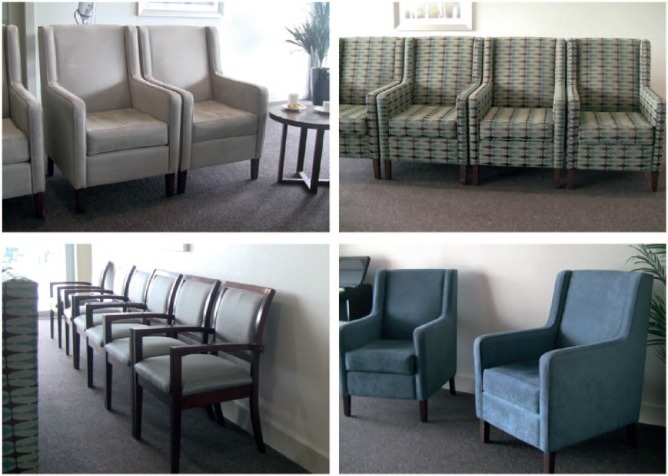
This research was intended to provide a greater understanding of the context and needs of aged care seating, specifically:To conduct an audit of typical chairs used in aged care facilities;To collect data about resident and staff experiences and behaviour around chairs in order to gain a deeper understanding of the exact issues that residents and staff have with the chairs they use at aged care facilities;To identify positive and negative issues influencing use of chairs in aged care facilities;To deliver evidence-based recommendations for the design of chairs for aged care facilities.

METHODS

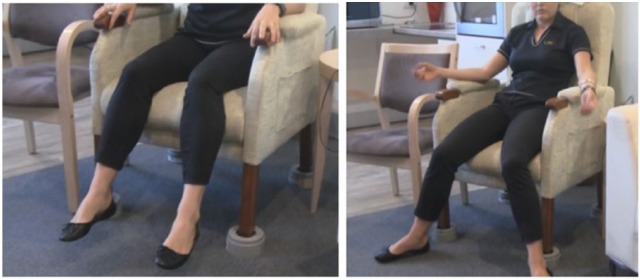
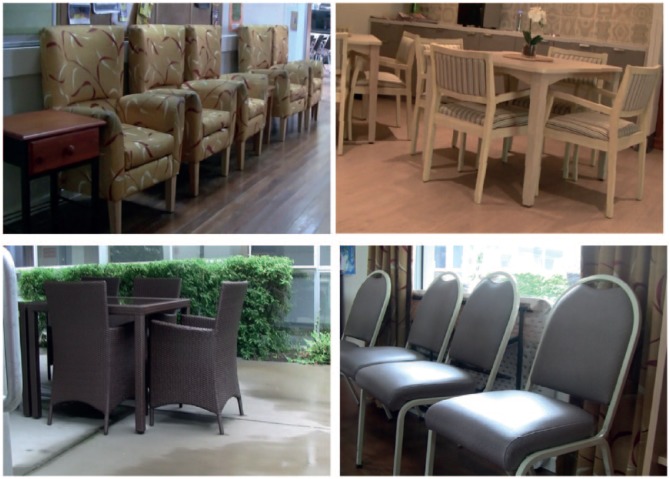
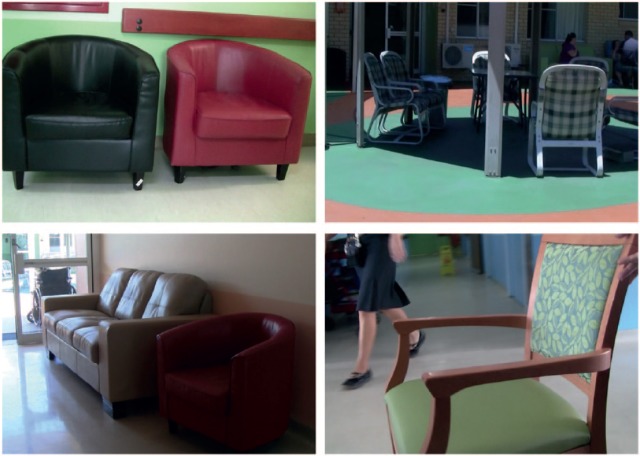
Methods included a chair dimension audit, interviews with residents, experts and carers and observations of aged care residents getting into chairs, sitting in them and getting out.

RESULTS

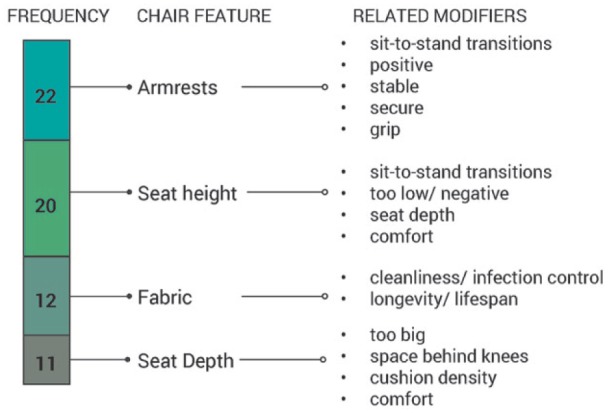
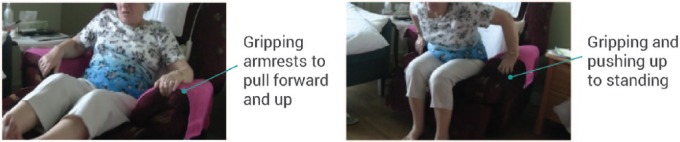
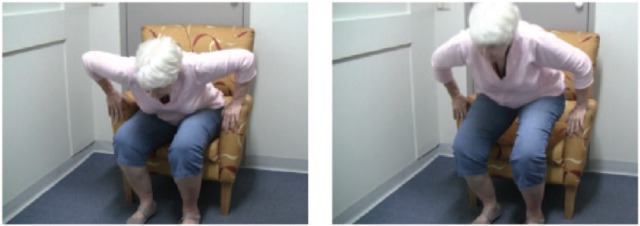
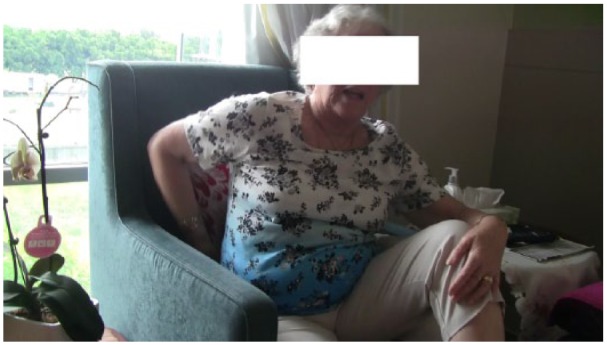
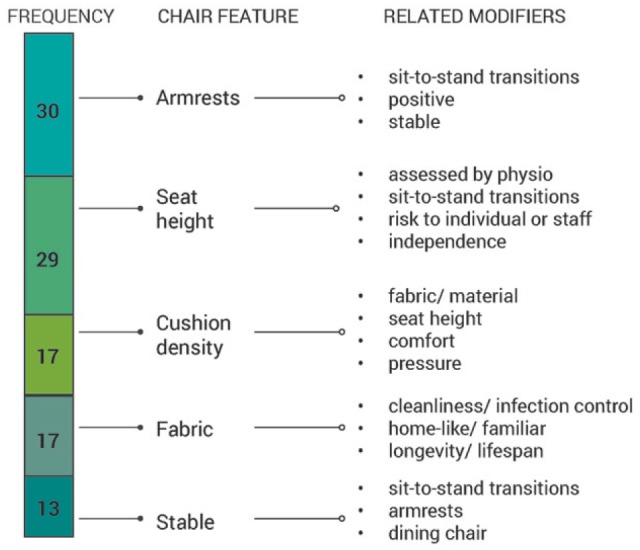
Results showed that residents, experts and carers all prefer chairs which are above the recommended height for older people so that they will be able to get out of them more easily. Armrests were essential for ease of entry and egress. However, many residents struggled with chairs which were also too deep in the seat pan so that they could not easily touch the floor or sit comfortably and were forced to slump. Most residents used cushions and pillows to relieve discomfort where possible.

CONCLUSION

The implications of these issues for chair design and selection are discussed. Variable height chairs, a range of chairs of different heights in each space and footrests could all address the height problem. Chair designers need to address the seat depth problem by reducing depth in most aged care specific chairs, even when they are higher. Armrests must be provided but could be made easier to grip. Addressing these issues would increase access to comfortable yet easy-to-use chairs for a wider range of the aged care population.

摘要

目标

本研究旨在更深入地了解老年护理座椅的使用环境和需求,具体如下:

对老年护理机构中使用的典型座椅进行审核;

收集有关居民和工作人员在座椅周围的体验及行为数据,以便更深入了解居民和工作人员在老年护理机构使用座椅时遇到的确切问题;

确定影响老年护理机构座椅使用的积极和消极问题;

为老年护理机构座椅设计提供基于证据的建议。

方法

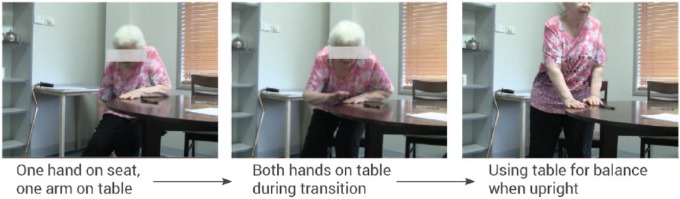
方法包括座椅尺寸审核、对居民、专家和护理人员的访谈,以及对老年护理居民坐入座椅、坐在座椅上和从座椅上起身的观察。

结果

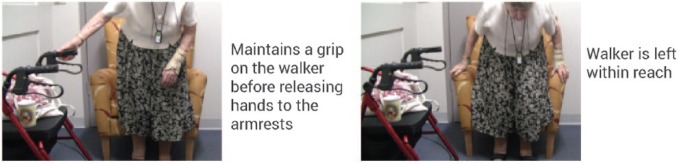
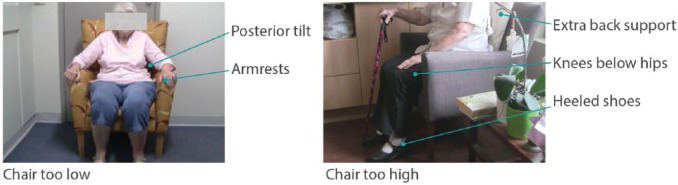
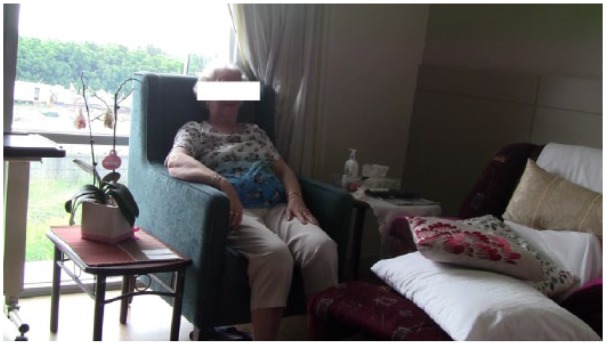
结果表明,居民、专家和护理人员都更喜欢高于老年人推荐高度的座椅,这样他们能更轻松地起身。扶手对于进出方便至关重要。然而,许多居民在使用座面过深的座椅时遇到困难,以至于他们无法轻松触地或舒适就坐,被迫弯腰驼背。大多数居民尽可能使用靠垫和枕头来缓解不适。

结论

讨论了这些问题对座椅设计和选择的影响。可变高度座椅、每个空间设置一系列不同高度的座椅以及脚凳都可以解决高度问题。座椅设计师需要通过减少大多数老年护理专用座椅的深度来解决座深问题,即使座椅较高时也应如此。必须设置扶手,但可以使其更易于抓握。解决这些问题将使更多老年护理人群能够使用舒适且易用的座椅。
https://cdn.ncbi.nlm.nih.gov/pmc/blobs/be64/5758957/7b6762ffb4bc/10.1177_2050312117744925-fig16.jpg
https://cdn.ncbi.nlm.nih.gov/pmc/blobs/be64/5758957/ac45dfad2bf4/10.1177_2050312117744925-fig1.jpg
https://cdn.ncbi.nlm.nih.gov/pmc/blobs/be64/5758957/bc58119b544b/10.1177_2050312117744925-fig2.jpg
https://cdn.ncbi.nlm.nih.gov/pmc/blobs/be64/5758957/2ad35e7d0b98/10.1177_2050312117744925-fig3.jpg
https://cdn.ncbi.nlm.nih.gov/pmc/blobs/be64/5758957/8b63a9f7e7cf/10.1177_2050312117744925-fig4.jpg
https://cdn.ncbi.nlm.nih.gov/pmc/blobs/be64/5758957/b9179f8c9fb9/10.1177_2050312117744925-fig5.jpg
https://cdn.ncbi.nlm.nih.gov/pmc/blobs/be64/5758957/03fb67913cf2/10.1177_2050312117744925-fig6.jpg
https://cdn.ncbi.nlm.nih.gov/pmc/blobs/be64/5758957/a17c58bd78df/10.1177_2050312117744925-fig7.jpg
https://cdn.ncbi.nlm.nih.gov/pmc/blobs/be64/5758957/7a12fbc7a636/10.1177_2050312117744925-fig8.jpg
https://cdn.ncbi.nlm.nih.gov/pmc/blobs/be64/5758957/28e89a02dadf/10.1177_2050312117744925-fig9.jpg
https://cdn.ncbi.nlm.nih.gov/pmc/blobs/be64/5758957/a68764947a5a/10.1177_2050312117744925-fig10.jpg
https://cdn.ncbi.nlm.nih.gov/pmc/blobs/be64/5758957/2201464d900e/10.1177_2050312117744925-fig11.jpg
https://cdn.ncbi.nlm.nih.gov/pmc/blobs/be64/5758957/d90a37438684/10.1177_2050312117744925-fig12.jpg
https://cdn.ncbi.nlm.nih.gov/pmc/blobs/be64/5758957/664c107f7d30/10.1177_2050312117744925-fig13.jpg
https://cdn.ncbi.nlm.nih.gov/pmc/blobs/be64/5758957/df7bda90643e/10.1177_2050312117744925-fig14.jpg
https://cdn.ncbi.nlm.nih.gov/pmc/blobs/be64/5758957/1e175198c52c/10.1177_2050312117744925-fig15.jpg
https://cdn.ncbi.nlm.nih.gov/pmc/blobs/be64/5758957/7b6762ffb4bc/10.1177_2050312117744925-fig16.jpg
https://cdn.ncbi.nlm.nih.gov/pmc/blobs/be64/5758957/ac45dfad2bf4/10.1177_2050312117744925-fig1.jpg
https://cdn.ncbi.nlm.nih.gov/pmc/blobs/be64/5758957/bc58119b544b/10.1177_2050312117744925-fig2.jpg
https://cdn.ncbi.nlm.nih.gov/pmc/blobs/be64/5758957/2ad35e7d0b98/10.1177_2050312117744925-fig3.jpg
https://cdn.ncbi.nlm.nih.gov/pmc/blobs/be64/5758957/8b63a9f7e7cf/10.1177_2050312117744925-fig4.jpg
https://cdn.ncbi.nlm.nih.gov/pmc/blobs/be64/5758957/b9179f8c9fb9/10.1177_2050312117744925-fig5.jpg
https://cdn.ncbi.nlm.nih.gov/pmc/blobs/be64/5758957/03fb67913cf2/10.1177_2050312117744925-fig6.jpg
https://cdn.ncbi.nlm.nih.gov/pmc/blobs/be64/5758957/a17c58bd78df/10.1177_2050312117744925-fig7.jpg
https://cdn.ncbi.nlm.nih.gov/pmc/blobs/be64/5758957/7a12fbc7a636/10.1177_2050312117744925-fig8.jpg
https://cdn.ncbi.nlm.nih.gov/pmc/blobs/be64/5758957/28e89a02dadf/10.1177_2050312117744925-fig9.jpg
https://cdn.ncbi.nlm.nih.gov/pmc/blobs/be64/5758957/a68764947a5a/10.1177_2050312117744925-fig10.jpg
https://cdn.ncbi.nlm.nih.gov/pmc/blobs/be64/5758957/2201464d900e/10.1177_2050312117744925-fig11.jpg
https://cdn.ncbi.nlm.nih.gov/pmc/blobs/be64/5758957/d90a37438684/10.1177_2050312117744925-fig12.jpg
https://cdn.ncbi.nlm.nih.gov/pmc/blobs/be64/5758957/664c107f7d30/10.1177_2050312117744925-fig13.jpg
https://cdn.ncbi.nlm.nih.gov/pmc/blobs/be64/5758957/df7bda90643e/10.1177_2050312117744925-fig14.jpg
https://cdn.ncbi.nlm.nih.gov/pmc/blobs/be64/5758957/1e175198c52c/10.1177_2050312117744925-fig15.jpg
https://cdn.ncbi.nlm.nih.gov/pmc/blobs/be64/5758957/7b6762ffb4bc/10.1177_2050312117744925-fig16.jpg

相似文献

1
Seating in aged care: Physical fit, independence and comfort.老年护理中的座椅:身体健康、独立性与舒适度。
SAGE Open Med. 2018 Jan 4;6:2050312117744925. doi: 10.1177/2050312117744925. eCollection 2018.
2
Revolutionary advances in adaptive seating systems for the elderly and persons with disabilities that assist sit-to-stand transfers.用于老年人和残疾人的自适应座椅系统取得了革命性进展,有助于实现从坐立到站立的转移。
J Long Term Eff Med Implants. 2003;13(1):31-9. doi: 10.1615/jlongtermeffmedimplants.v13.i1.40.
3
Safer chairs for elderly patients: design evaluation using electromyography and force measurement.适用于老年患者的更安全座椅:使用肌电图和力测量的设计评估
Ergonomics. 2018 Jul;61(7):902-912. doi: 10.1080/00140139.2018.1427804. Epub 2018 Jan 23.
4
Changes in residents' seating needs and perception of stakeholders since implementation of a provincial wheelchair program.自省级轮椅项目实施以来居民座位需求及利益相关者认知的变化。
Disabil Rehabil Assist Technol. 2021 Aug;16(6):668-673. doi: 10.1080/17483107.2019.1695964. Epub 2019 Dec 17.
5
Influence of ergonomic layout of musician chairs on posture and seat pressure in musicians of different playing levels.不同演奏水平的音乐家的演奏椅人体工程学布局对其姿势和座位压力的影响。
PLoS One. 2018 Dec 11;13(12):e0208758. doi: 10.1371/journal.pone.0208758. eCollection 2018.
6
Chair design affects how older adults rise from a chair.椅子设计会影响老年人从椅子上起身的方式。
J Am Geriatr Soc. 1996 Apr;44(4):356-62. doi: 10.1111/j.1532-5415.1996.tb06402.x.
7
Chair and bed rise performance in ADL-impaired congregate housing residents.失能老人集体居住环境中座椅及床的升降功能使用情况
J Am Geriatr Soc. 2000 May;48(5):526-33. doi: 10.1111/j.1532-5415.2000.tb04999.x.
8
Prevalence and facility level correlates of need for wheelchair seating assessment among long-term care residents.长期护理居民中需要轮椅座椅评估的流行率和设施相关因素。
Gerontology. 2012;58(4):378-84. doi: 10.1159/000334819. Epub 2012 Jan 4.
9
Chair Size Design Based on User Height.基于用户身高的椅子尺寸设计。
Biomimetics (Basel). 2023 Jan 31;8(1):57. doi: 10.3390/biomimetics8010057.
10
Appropriate seating for medical patients: an audit.
Aust Health Rev. 2011 Aug;35(3):316-9. doi: 10.1071/AH10943.

引用本文的文献

1
Influences of cushion contour on passenger comfort and interface pressure in high-speed train.高铁中坐垫轮廓对乘客舒适度和界面压力的影响。
PLoS One. 2023 Feb 13;18(2):e0276900. doi: 10.1371/journal.pone.0276900. eCollection 2023.
2
The Complexities of Prescribing Assistive Equipment at the End of Life-Patient and Caregivers' Perspectives.临终时开具辅助设备的复杂性——患者及护理人员的观点
Healthcare (Basel). 2022 May 29;10(6):1005. doi: 10.3390/healthcare10061005.
3
Occupational therapy in Australian residential aged care facilities: A systematic mapping review.

本文引用的文献

1
Comparison of sit-to-stand strategies used by older adults and people living with dementia.老年人和痴呆症患者采用的从坐立起策略的比较。
Arch Gerontol Geriatr. 2015 May-Jun;60(3):528-34. doi: 10.1016/j.archger.2014.12.007. Epub 2015 Jan 5.
2
Chair rise strategies in the elderly.老年人的起身策略
Clin Biomech (Bristol). 1994 May;9(3):187-92. doi: 10.1016/0268-0033(94)90020-5.
3
Clinical outcomes in residential care: setting benchmarks for quality.住院护理的临床结果:设定质量基准。
澳大利亚养老院的职业治疗:系统制图综述。
Aust Occup Ther J. 2022 Oct;69(5):625-636. doi: 10.1111/1440-1630.12824. Epub 2022 Jun 17.
Australas J Ageing. 2011 Jun;30(2):63-9. doi: 10.1111/j.1741-6612.2010.00447.x. Epub 2010 Jul 22.
4
Chair rise strategies in older adults with functional limitations.功能受限老年人的起身策略
J Rehabil Res Dev. 2007;44(1):33-42. doi: 10.1682/jrrd.2005.08.0134.
5
Specifications for a mass producible static lounge chair for the elderly.
Appl Ergon. 1989 Mar;20(1):39-45. doi: 10.1016/0003-6870(89)90007-0.
6
Chairs for the elderly--design considerations.
Appl Ergon. 1988 Dec;19(4):281-8. doi: 10.1016/0003-6870(88)90075-0.
7
The seating dilemma in aged care.
Aust J Physiother. 2000;46(1):53-58. doi: 10.1016/s0004-9514(14)60314-7.
8
Effects of functional ability and training on chair-rise biomechanics in older adults.功能能力和训练对老年人从椅子起身生物力学的影响。
J Gerontol A Biol Sci Med Sci. 2001 Sep;56(9):M538-47. doi: 10.1093/gerona/56.9.m538.
9
Anthropometry for design for the elderly.面向老年人的设计人体测量学。
Int J Occup Saf Ergon. 2001;7(1):15-34. doi: 10.1080/10803548.2001.11076474.
10
The role of strength in rising from a chair in the functionally impaired elderly.力量在功能受损老年人从椅子上起身过程中的作用。
J Biomech. 1996 Dec;29(12):1509-13.