Department of Cell Physiology, Faculty of Medicine and Graduate School of Medicine, Hokkaido University, Sapporo, Hokkaido, Japan.
Division of Global Epidemiology, Hokkaido University Research Center for Zoonosis Control, Sapporo, Hokkaido, Japan.
PLoS Pathog. 2018 Jan 16;14(1):e1006848. doi: 10.1371/journal.ppat.1006848. eCollection 2018 Jan.
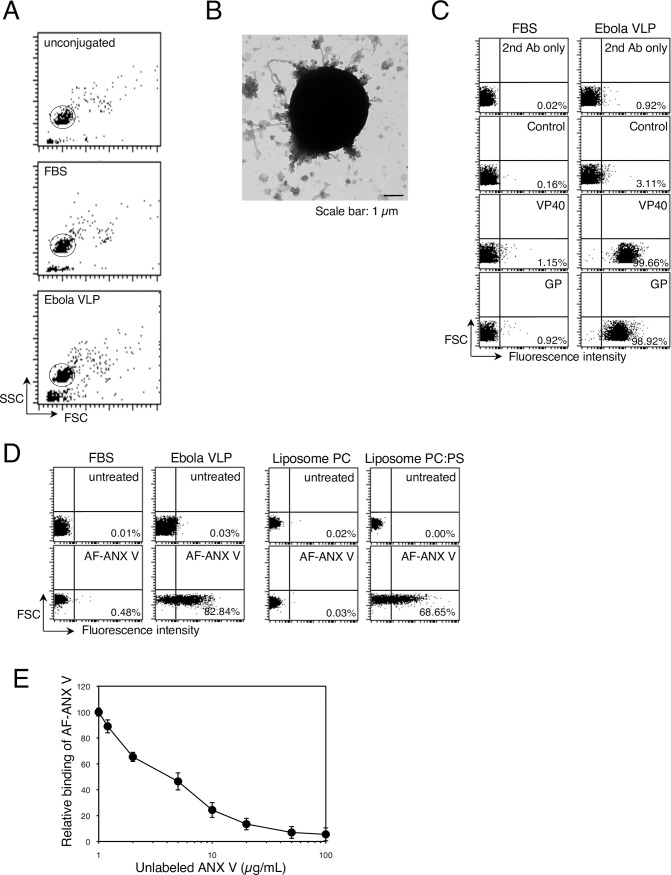
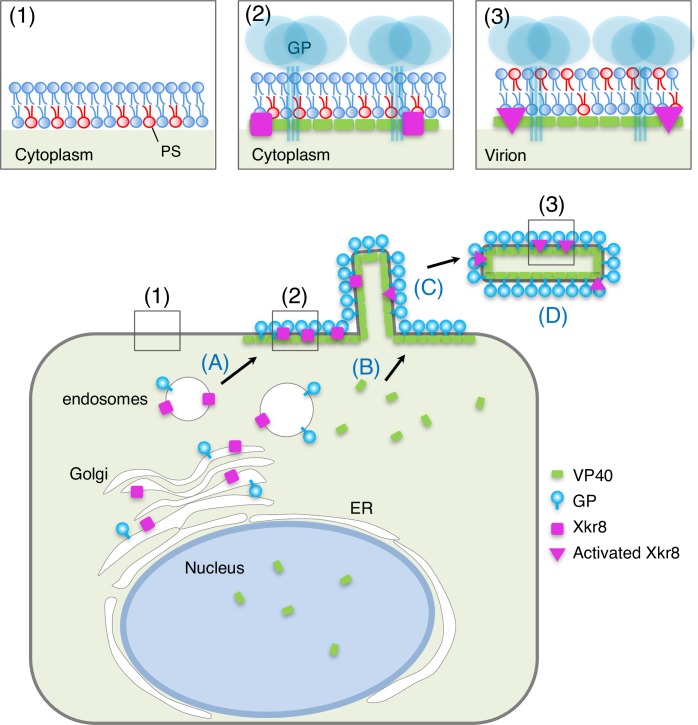
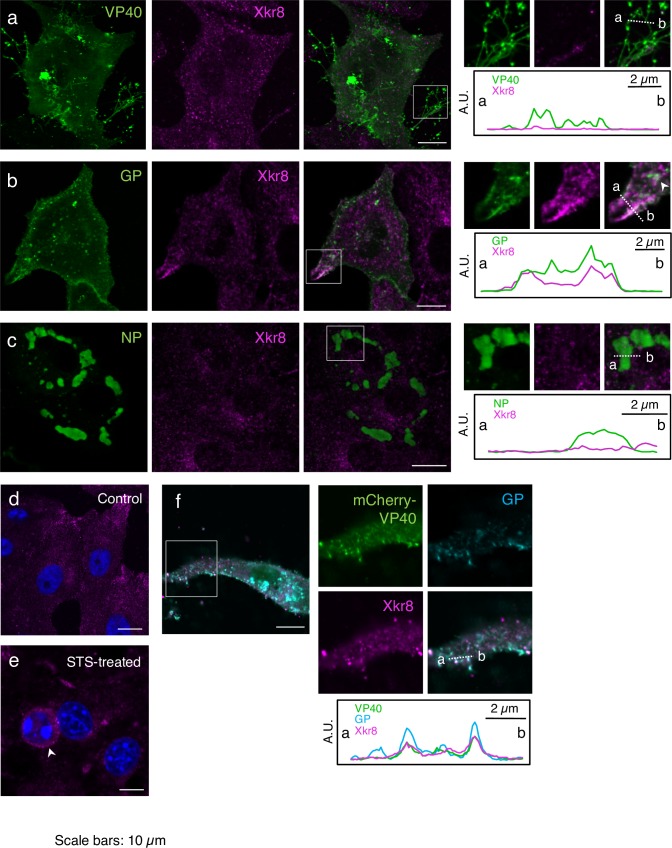
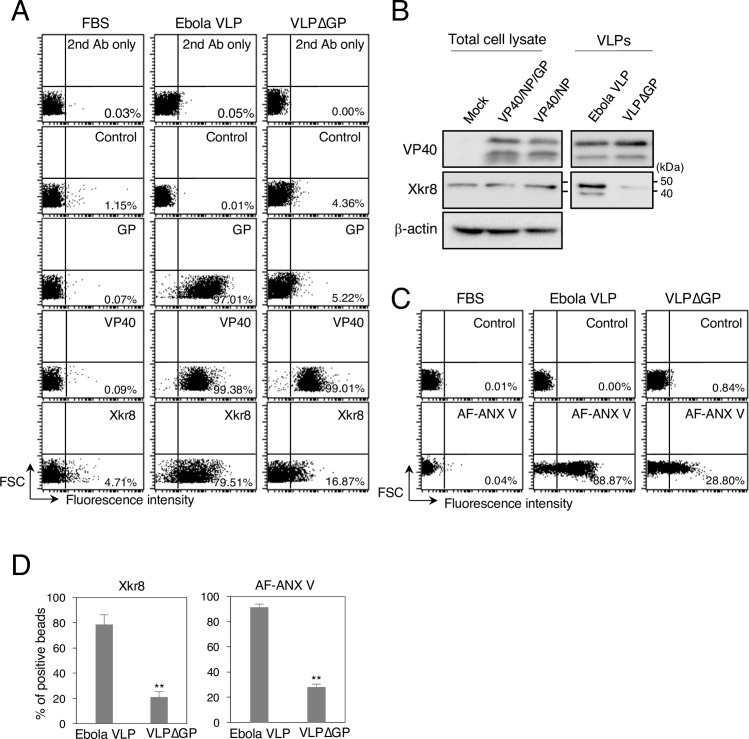
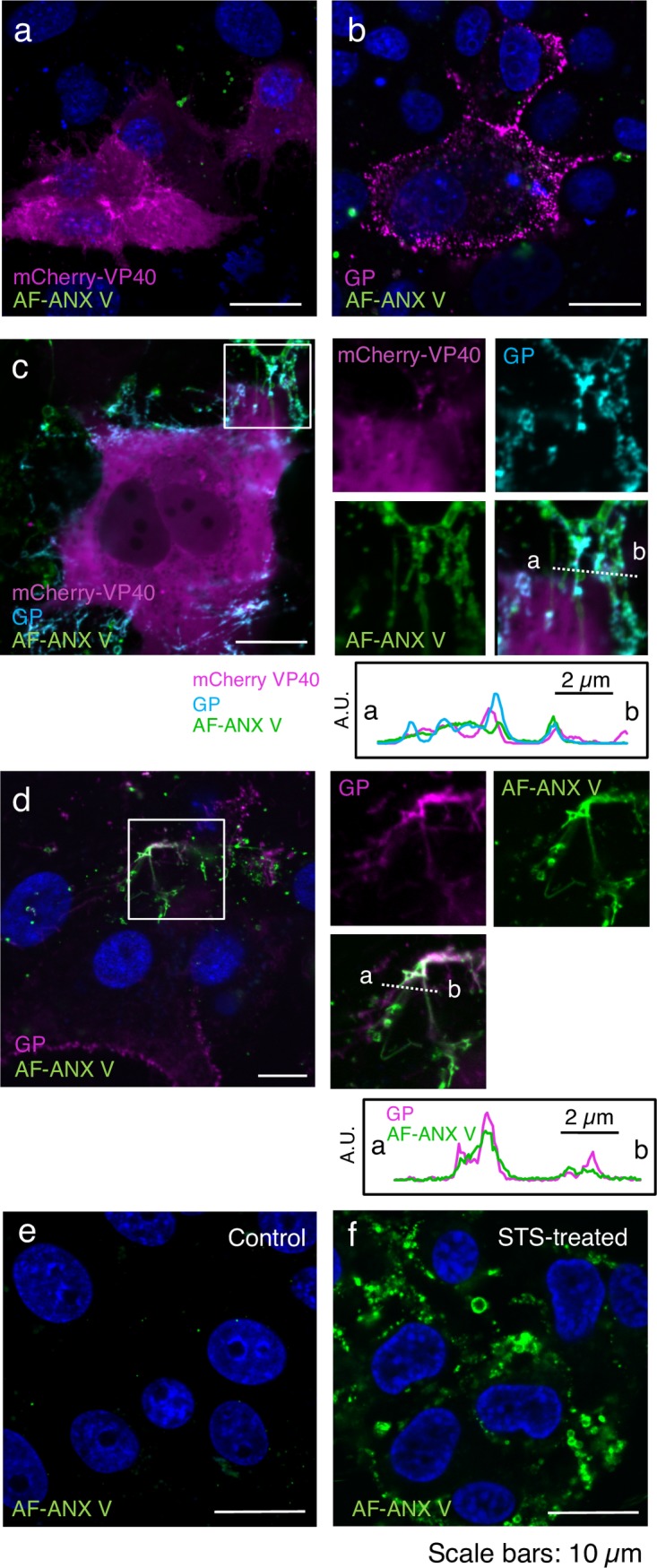
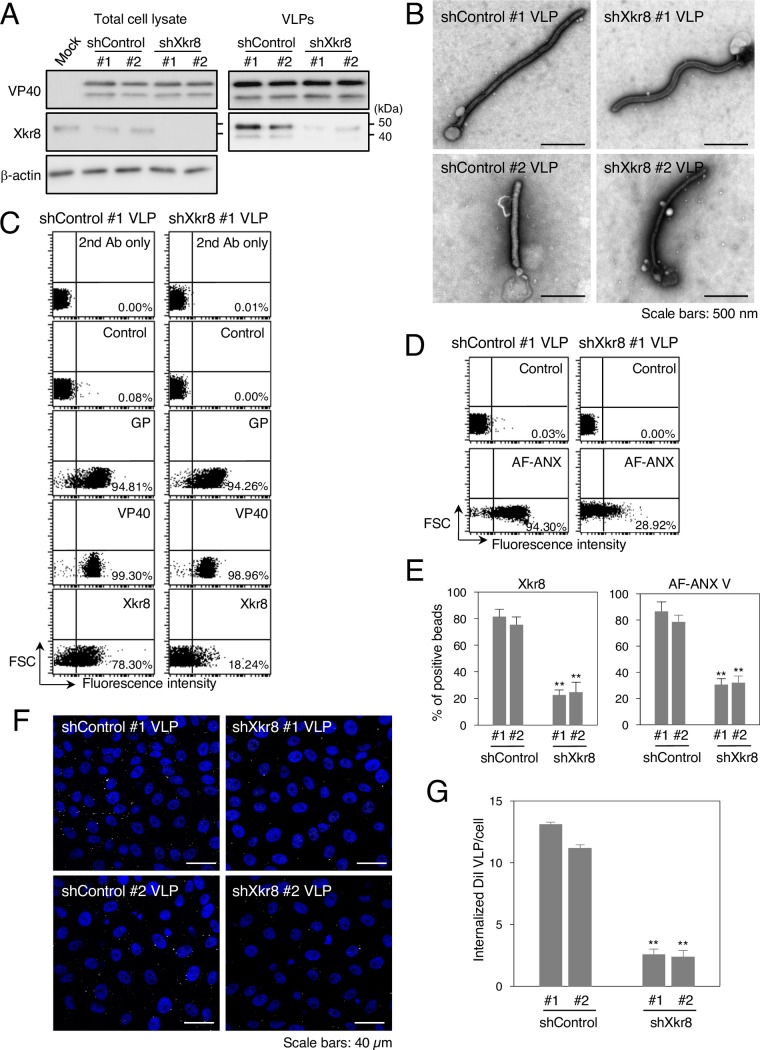
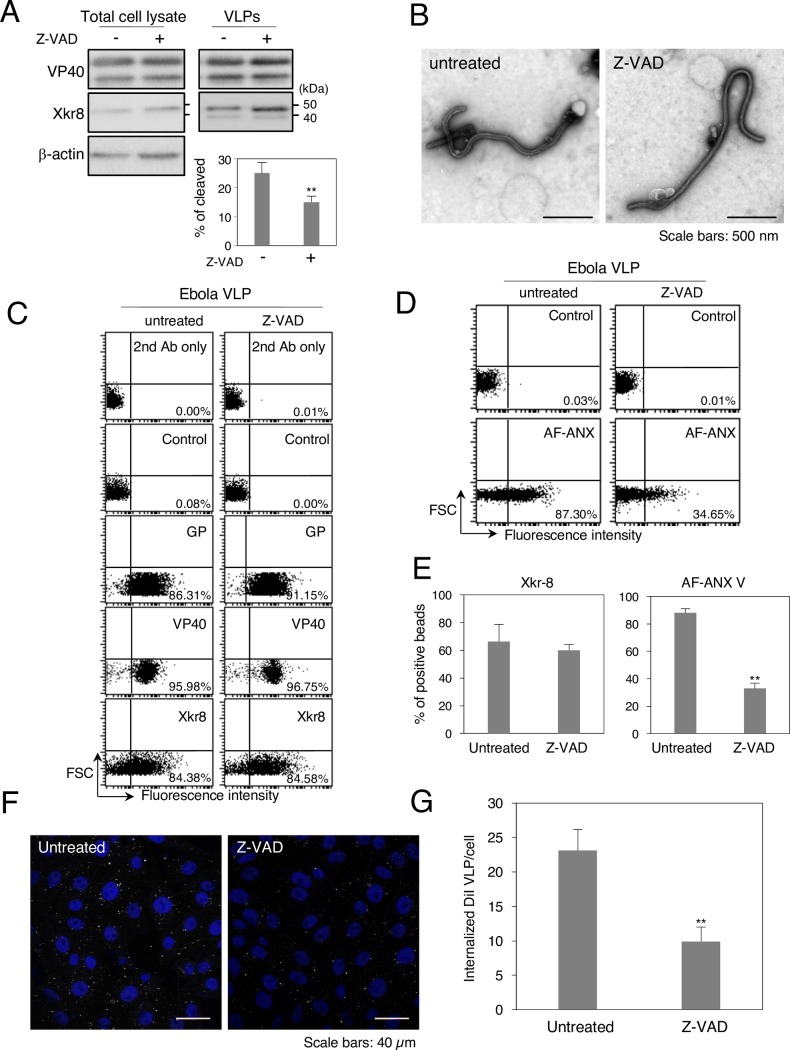
Cell surface receptors for phosphatidylserine contribute to the entry of Ebola virus (EBOV) particles, indicating that the presence of phosphatidylserine in the envelope of EBOV is important for the internalization of EBOV particles. Phosphatidylserine is typically distributed in the inner layer of the plasma membrane in normal cells. Progeny virions bud from the plasma membrane of infected cells, suggesting that phosphatidylserine is likely flipped to the outer leaflet of the plasma membrane in infected cells for EBOV virions to acquire it. Currently, the intracellular dynamics of phosphatidylserine during EBOV infection are poorly understood. Here, we explored the role of XK-related protein (Xkr) 8, which is a scramblase responsible for exposure of phosphatidylserine in the plasma membrane of apoptotic cells, to understand its significance in phosphatidylserine-dependent entry of EBOV. We found that Xkr8 and transiently expressed EBOV glycoprotein GP often co-localized in intracellular vesicles and the plasma membrane. We also found that co-expression of GP and viral major matrix protein VP40 promoted incorporation of Xkr8 into ebolavirus-like particles (VLPs) and exposure of phosphatidylserine on their surface, although only a limited amount of phosphatidylserine was exposed on the surface of the cells expressing GP and/or VP40. Downregulating Xkr8 or blocking caspase-mediated Xkr8 activation did not affect VLP production, but they reduced the amount of phosphatidylserine on the VLPs and their uptake in recipient cells. Taken together, our findings indicate that Xkr8 is trafficked to budding sites via GP-containing vesicles, is incorporated into VLPs, and then promote the entry of the released EBOV to cells in a phosphatidylserine-dependent manner.
细胞膜表面的磷脂酰丝氨酸受体有助于埃博拉病毒(EBOV)颗粒进入,表明 EBOV 包膜中存在磷脂酰丝氨酸对于 EBOV 颗粒的内化很重要。磷脂酰丝氨酸通常分布在正常细胞的质膜内层。子代病毒从感染细胞的质膜出芽,这表明在感染细胞中,磷脂酰丝氨酸可能被翻转到质膜的外叶,以便 EBOV 病毒获得它。目前,EBOV 感染过程中磷脂酰丝氨酸的细胞内动力学还知之甚少。在这里,我们研究了 XK 相关蛋白(Xkr)8 的作用,Xkr8 是一种负责使凋亡细胞质膜中的磷脂酰丝氨酸暴露的易位酶,以了解其在依赖磷脂酰丝氨酸的 EBOV 进入中的意义。我们发现 Xkr8 和瞬时表达的 EBOV 糖蛋白 GP 经常在细胞内囊泡和质膜中共定位。我们还发现,GP 和病毒主要基质蛋白 VP40 的共表达促进了 Xkr8 掺入类 EBOV 病毒样颗粒(VLPs)并暴露其表面的磷脂酰丝氨酸,尽管仅在表达 GP 和/或 VP40 的细胞表面暴露了有限量的磷脂酰丝氨酸。下调 Xkr8 或阻断半胱天冬酶介导的 Xkr8 激活不会影响 VLP 的产生,但会减少 VLPs 上的磷脂酰丝氨酸量及其在受体细胞中的摄取。总之,我们的研究结果表明,Xkr8 通过含有 GP 的囊泡运输到出芽部位,被整合到 VLPs 中,并随后以依赖磷脂酰丝氨酸的方式促进释放的 EBOV 进入细胞。