Lenzi Monia, Cocchi Veronica, Malaguti Marco, Barbalace Maria Cristina, Marchionni Silvia, Hrelia Silvana, Hrelia Patrizia
Department of Pharmacy and Biotechnology, Alma Mater Studiorum-University of Bologna, Bologna, Italy.
Department for Life Quality Studies, Alma Mater Studiorum-University of Bologna, Rimini, Italy.
Oncotarget. 2017 Dec 4;8(67):111697-111714. doi: 10.18632/oncotarget.22902. eCollection 2017 Dec 19.
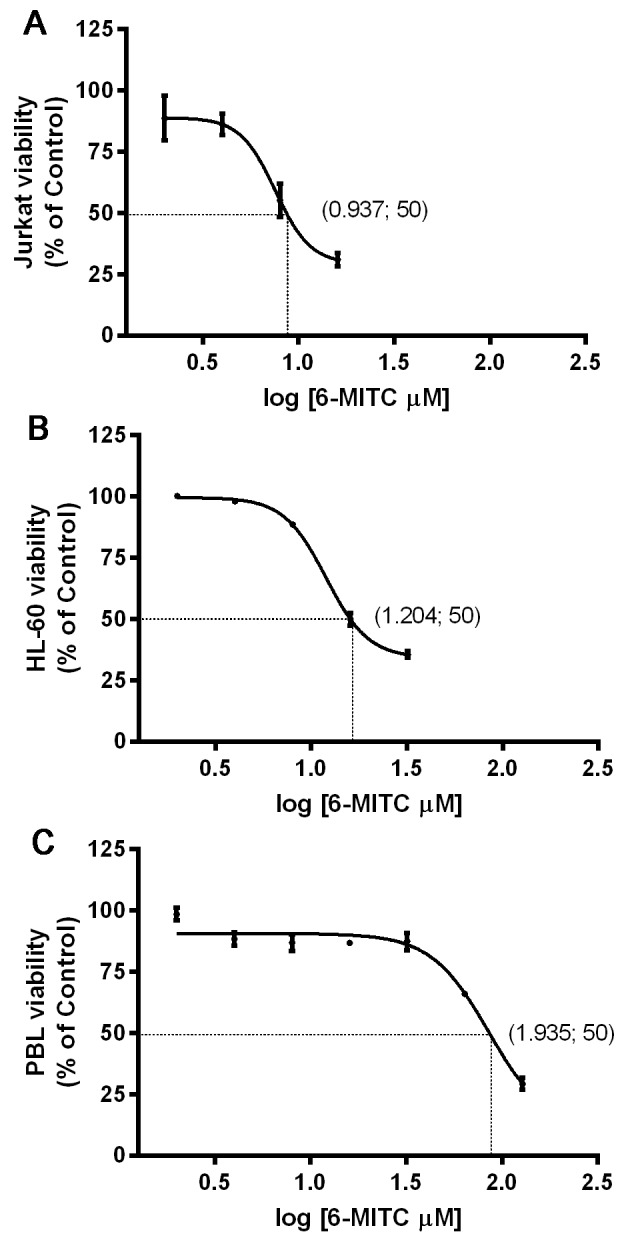
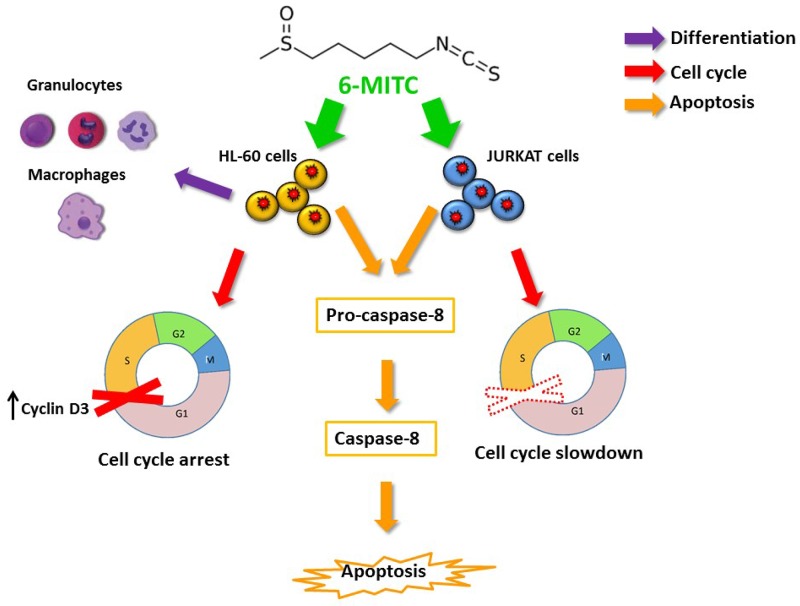
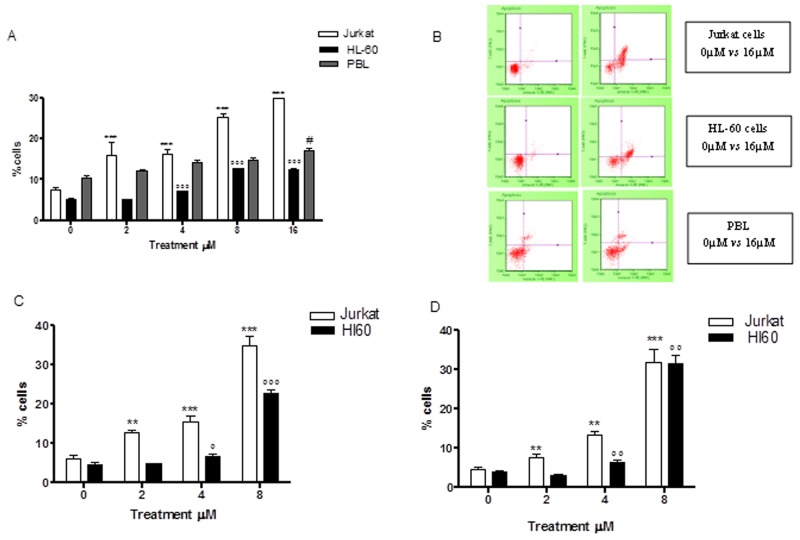
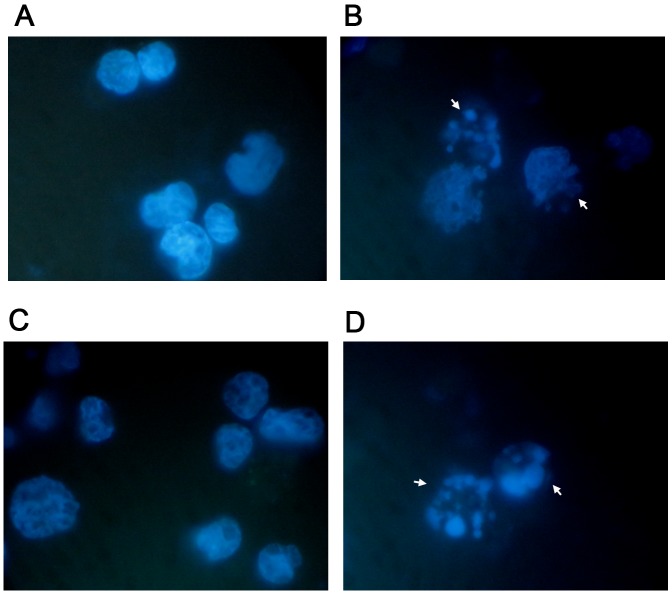
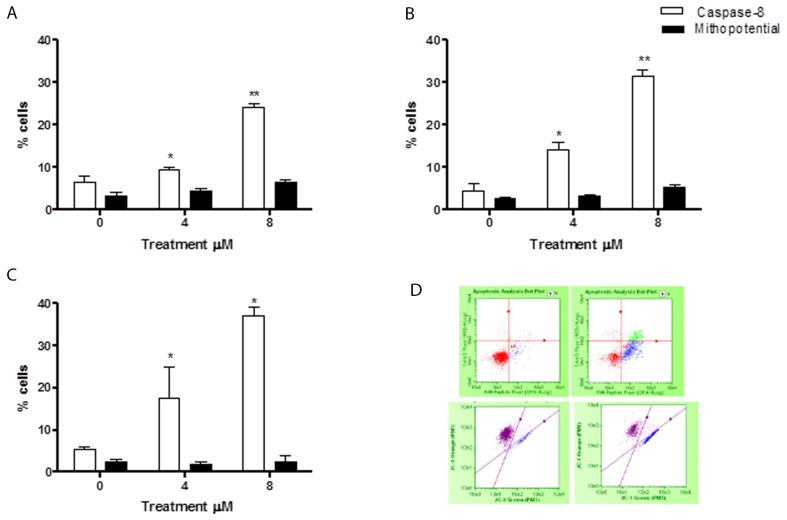
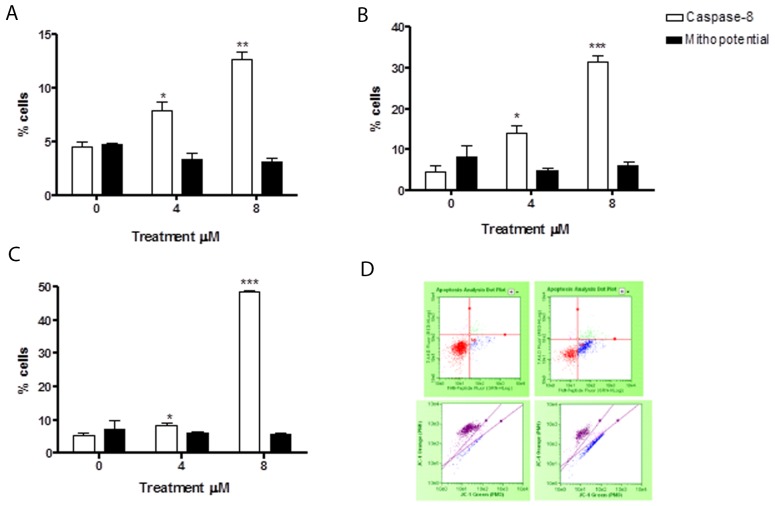
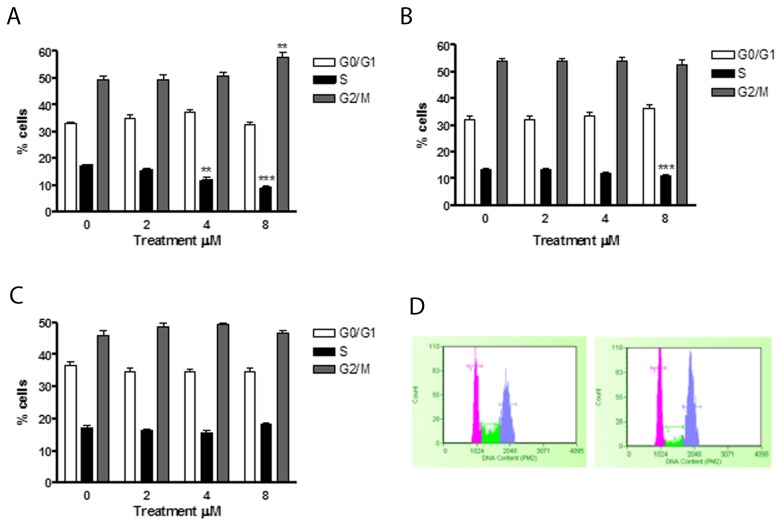
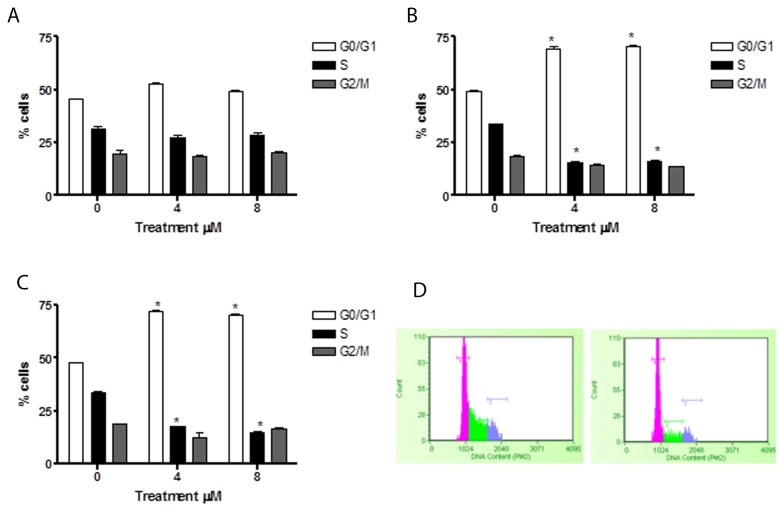
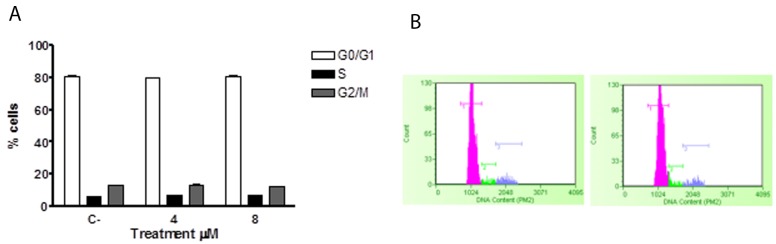
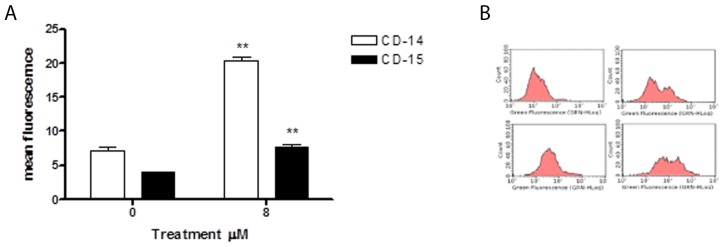
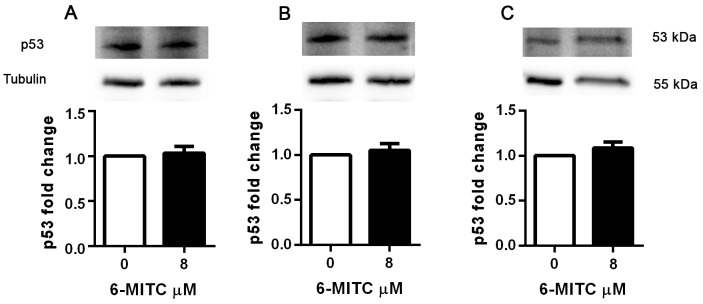
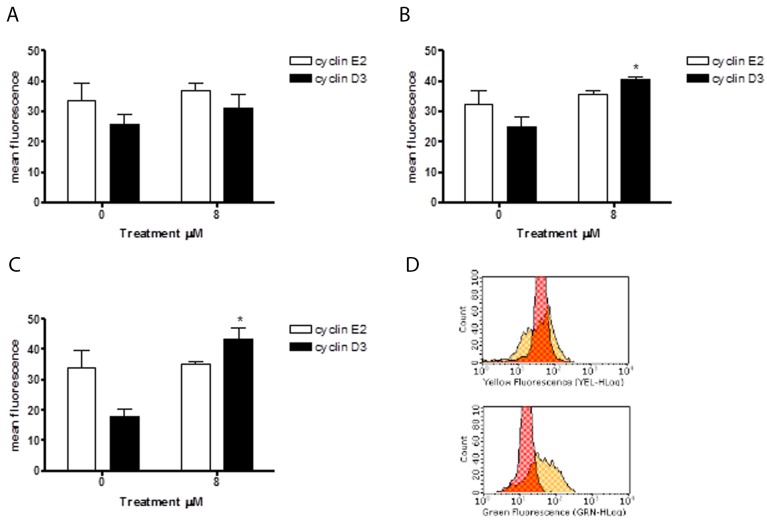
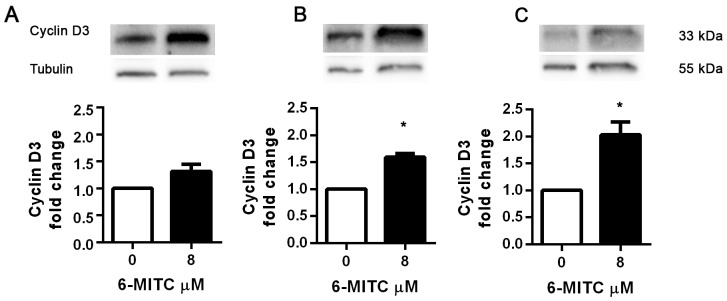
Numerous laboratory and epidemiological studies show that the risk of developing several types of cancer can be reduced with the employment of natural substances that act with multiple mechanisms. In this context, an important role is played by the isothiocyanates. Recently, 6-(methylsulfonyl)hexyl isothiocyanate (6-MITC), present in the root of , has stimulated the interest of researchers as a chemopreventive agent. In this particular study we have focused on evaluating 6-MITC's cytotoxic, cytostatic and cytodifferentiating activities, as well as its pro-apoptotic potential. These effects were investigated by way of flow cytometric analysis of Jurkat and HL-60 cells as well as of healthy lymphocytes extracted from the blood of AVIS donors, in order to verify a potential selectivity of action. The results demonstrate that 6-MITC exerts a stronger cytotoxic effect on tumour cells than on healthy cells. The apoptosis induction exerted by 6-MITC on transformed cells is triggered by an extrinsic pathway, as demonstrated by the statistically significant increase in the percentage of cells with activated caspase-8. It was also observed that 6-MITC is able to limit tumour growth by slowing down and blocking the cell cycle of Jurkat and HL-60 cells respectively, in a dose- and time-related manner, while exerting no activity of any kind on the replication of healthy cells. Finally, by measuring the expression levels of CD-14 and CD-15, 6-MITC showed the ability to induce cytodifferentiation of HL-60 cells into macrophage and granulocytic phenotypes.
大量实验室研究和流行病学研究表明,通过使用具有多种作用机制的天然物质,可以降低患几种癌症的风险。在这种情况下,异硫氰酸盐发挥着重要作用。最近,存在于[植物名称]根部的6-(甲基磺酰基)己基异硫氰酸酯(6-MITC)作为一种化学预防剂引起了研究人员的兴趣。在这项具体研究中,我们着重评估6-MITC的细胞毒性、细胞生长抑制和细胞分化活性,以及其促凋亡潜力。通过对Jurkat细胞和HL-60细胞以及从AVIS献血者血液中提取的健康淋巴细胞进行流式细胞术分析来研究这些效应,以验证其潜在的作用选择性。结果表明,6-MITC对肿瘤细胞的细胞毒性作用比对健康细胞更强。6-MITC对转化细胞的凋亡诱导是由外源性途径触发的,这一点通过活化的caspase-8阳性细胞百分比的统计学显著增加得到证明。还观察到,6-MITC能够以剂量和时间相关的方式分别减缓并阻断Jurkat细胞和HL-60细胞的细胞周期,从而限制肿瘤生长,而对健康细胞的复制没有任何影响。最后,通过测量CD-14和CD-15的表达水平,6-MITC显示出能够诱导HL-60细胞向巨噬细胞和粒细胞表型分化的能力。