Jayaratne Yasas Shri Nalaka, Uribe Flavio, Janakiraman Nandakumar
Postgraduate Resident, Division of Orthodontics, Department of Craniofacial Sciences, University of Connecticut School of Dental Medicine, Farmington, CT USA.
Associate Professor and Program Director, Division of Orthodontics, Department of Craniofacial Sciences, Charles Burstone Professor, University of Connecticut School of Dental Medicine, Farmington, CT USA.
J Istanb Univ Fac Dent. 2017 Dec 2;51(3 Suppl 1):S90-S101. doi: 10.17096/jiufd.52884. eCollection 2017.
The objective of this systematic review was to compare the antero-posterior, vertical and angular changes of maxillary incisors with conventional anchorage control techniques and mini-implant based space closure methods.
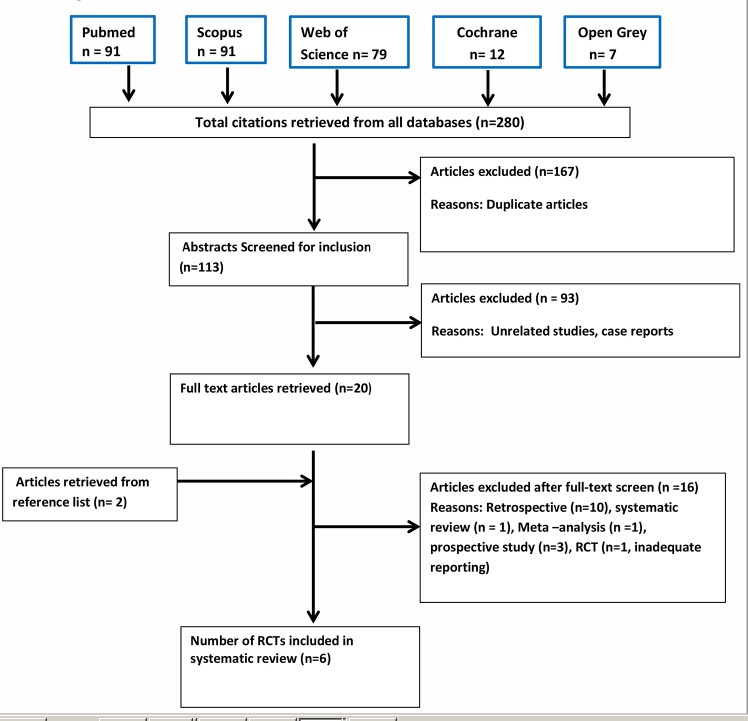
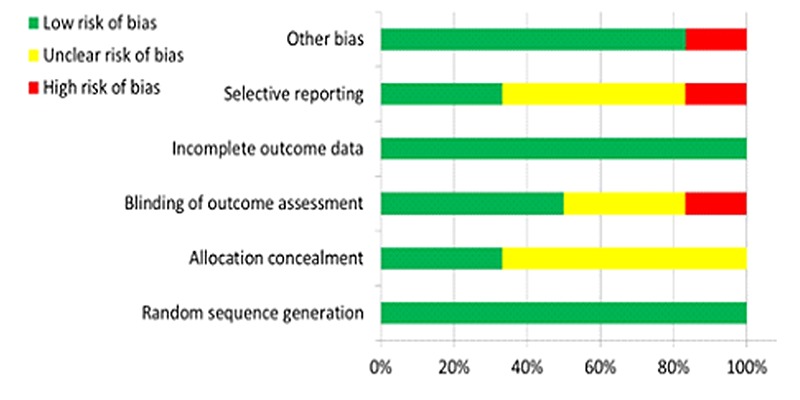
The electronic databases Pubmed, Scopus, ISI Web of knowledge, Cochrane Library and Open Grey were searched for potentially eligible studies using a set of predetermined keywords. Full texts meeting the inclusion criteria as well as their references were manually searched. The primary outcome data (linear, angular, and vertical maxillary incisor changes) and secondary outcome data (overbite changes, soft tissue changes, biomechanical factors, root resorption and treatment duration) were extracted from the selected articles and entered into spreadsheets based on the type of anchorage used. The methodological quality of each study was assessed.
Six studies met the inclusion criteria. The amount of incisor retraction was greater with buccally placed mini-implants than conventional anchorage techniques. The incisor retraction with indirect anchorage from palatal mini-implants was less when compared with buccally placed mini-implants. Incisor intrusion occurred with buccal mini-implants, whereas extrusion was seen with conventional anchorage. Limited data on the biomechanical variables or adverse effects such as root resorption were reported in these studies.
More RCT's that take in to account relevant biomechanical variables and employ three-dimensional quantification of tooth movements are required to provide information on incisor changes during space closure.
本系统评价的目的是比较采用传统支抗控制技术和基于微型种植体的间隙关闭方法时上颌切牙的前后向、垂直向和角度变化。
使用一组预定关键词在电子数据库PubMed、Scopus、ISI Web of knowledge、Cochrane图书馆和Open Grey中搜索潜在符合条件的研究。手动搜索符合纳入标准的全文及其参考文献。从选定的文章中提取主要结局数据(上颌切牙的线性、角度和垂直变化)和次要结局数据(覆合变化、软组织变化、生物力学因素、牙根吸收和治疗持续时间),并根据所使用的支抗类型输入电子表格。评估每项研究的方法学质量。
六项研究符合纳入标准。与传统支抗技术相比,颊侧放置微型种植体时切牙后移量更大。与颊侧放置微型种植体相比,腭侧微型种植体间接支抗时切牙后移量较小。颊侧微型种植体会导致切牙内收,而传统支抗则会导致切牙伸长。这些研究中报告的生物力学变量或诸如牙根吸收等不良反应的数据有限。
需要更多考虑相关生物力学变量并采用牙齿移动三维定量分析的随机对照试验,以提供间隙关闭过程中切牙变化的信息。