Brown Thomas A, Galicia Melissa P, Thiemann Gregory W, Belt Simon T, Yurkowski David J, Dyck Markus G
Marine Ecology and Chemistry, Scottish Association for Marine Science, Oban, United Kingdom.
School of Geography, Earth and Environmental Sciences, University of Plymouth, Plymouth, United Kingdom.
PLoS One. 2018 Jan 23;13(1):e0191631. doi: 10.1371/journal.pone.0191631. eCollection 2018.
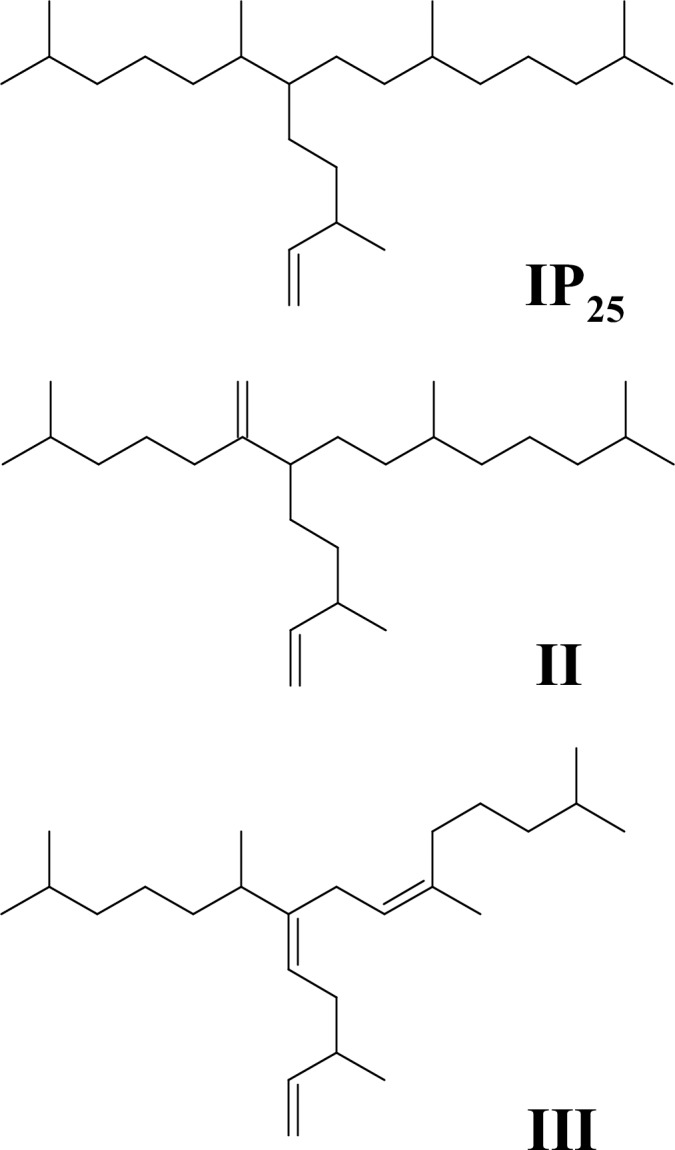
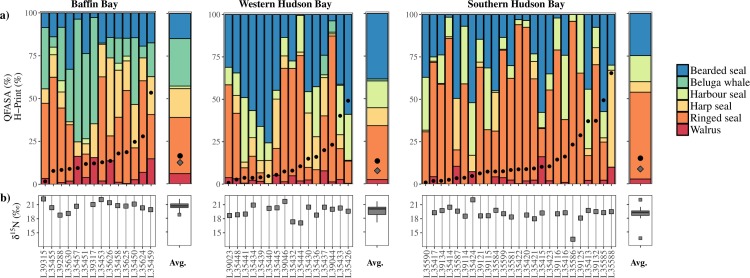
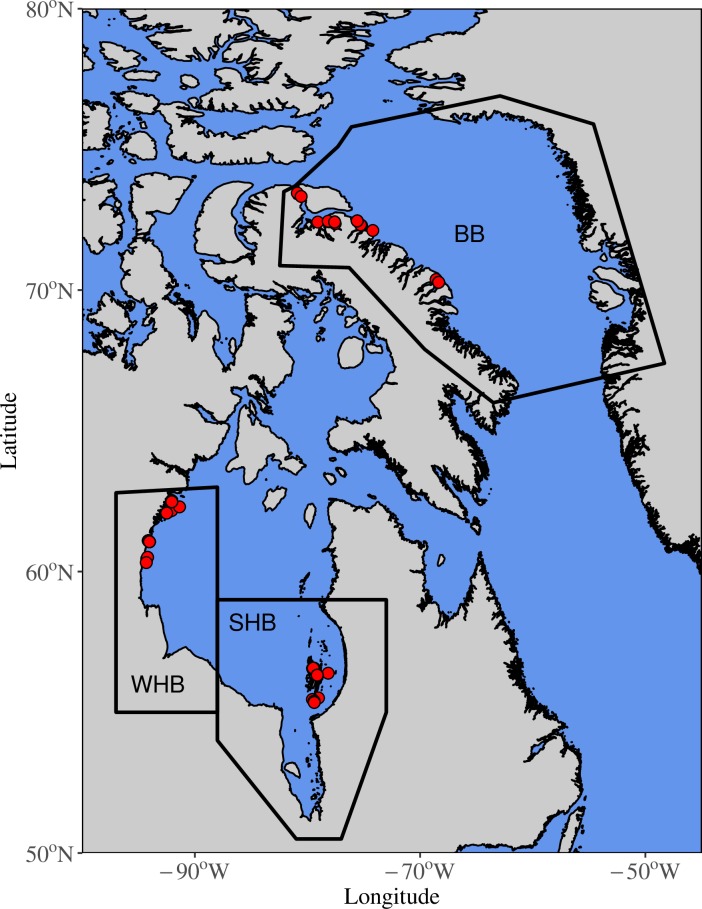
Polar bears (Ursus maritimus) rely upon Arctic sea ice as a physical habitat. Consequently, conservation assessments of polar bears identify the ongoing reduction in sea ice to represent a significant threat to their survival. However, the additional role of sea ice as a potential, indirect, source of energy to bears has been overlooked. Here we used the highly branched isoprenoid lipid biomarker-based index (H-Print) approach in combination with quantitative fatty acid signature analysis to show that sympagic (sea ice-associated), rather than pelagic, carbon contributions dominated the marine component of polar bear diet (72-100%; 99% CI, n = 55), irrespective of differences in diet composition. The lowest mean estimates of sympagic carbon were found in Baffin Bay bears, which were also exposed to the most rapidly increasing open water season. Therefore, our data illustrate that for future Arctic ecosystems that are likely to be characterised by reduced sea ice cover, polar bears will not only be impacted by a change in their physical habitat, but also potentially in the supply of energy to the ecosystems upon which they depend. This data represents the first quantifiable baseline that is critical for the assessment of likely ongoing changes in energy supply to Arctic predators as we move into an increasingly uncertain future for polar ecosystems.
北极熊(Ursus maritimus)依赖北极海冰作为其物理栖息地。因此,对北极熊的保护评估认为,海冰的持续减少对它们的生存构成了重大威胁。然而,海冰作为北极熊潜在的、间接的能量来源这一额外作用却被忽视了。在此,我们使用基于高度分支的类异戊二烯脂质生物标志物的指数(H-Print)方法,并结合定量脂肪酸特征分析,结果表明,无论饮食组成存在差异,与海冰相关的(而非远洋的)碳贡献在北极熊饮食的海洋成分中占主导地位(72%-100%;99%置信区间,n = 55)。在巴芬湾的北极熊中发现了与海冰相关碳的最低平均估计值,这些北极熊也面临着开放水域季节增长最快的情况。因此,我们的数据表明,对于未来可能以海冰覆盖减少为特征的北极生态系统而言,北极熊不仅会受到其物理栖息地变化的影响,还可能受到其赖以生存的生态系统能量供应变化的影响。这些数据代表了首个可量化的基线,对于评估随着我们进入极地生态系统日益不确定的未来,北极捕食者能量供应可能正在发生的变化至关重要。