Department of Molecular and Clinical Pharmacology, University of Liverpool, Liverpool, L69 3GE, UK.
National Institute for Public Health and the Environment (RIVM), Bilthoven, The Netherlands.
Arch Toxicol. 2018 Feb;92(2):557-569. doi: 10.1007/s00204-018-2152-9. Epub 2018 Jan 23.
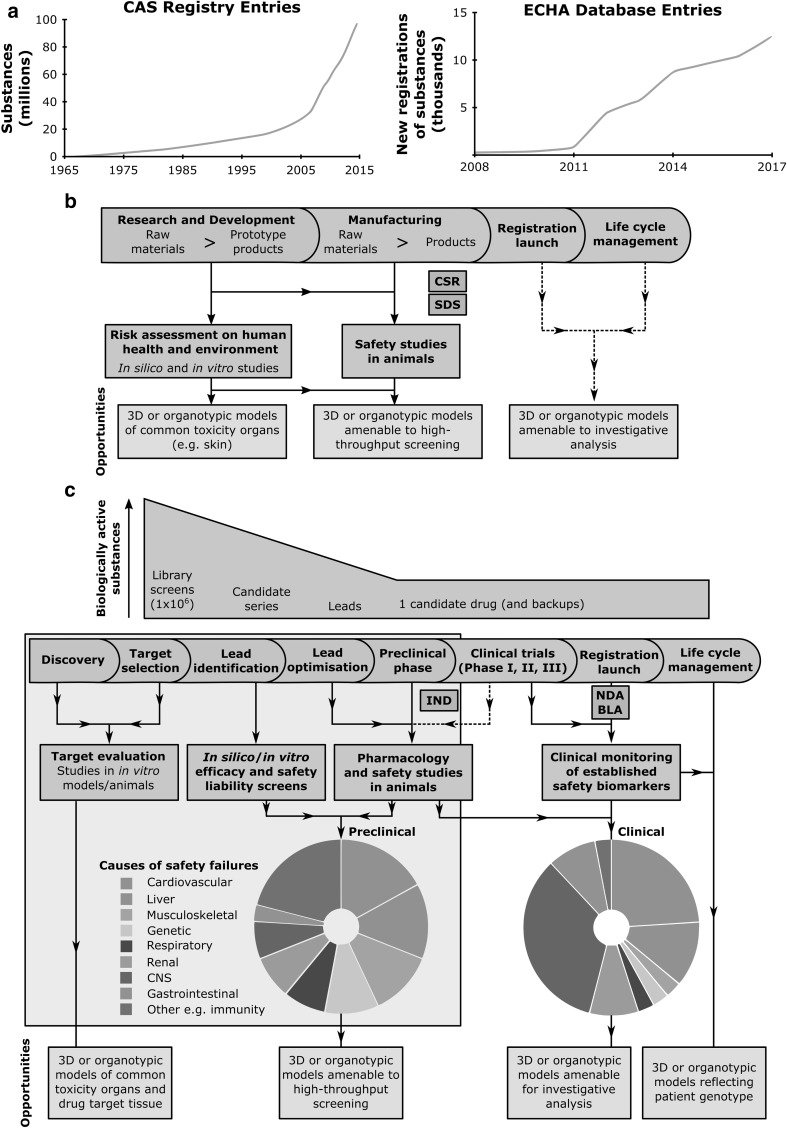
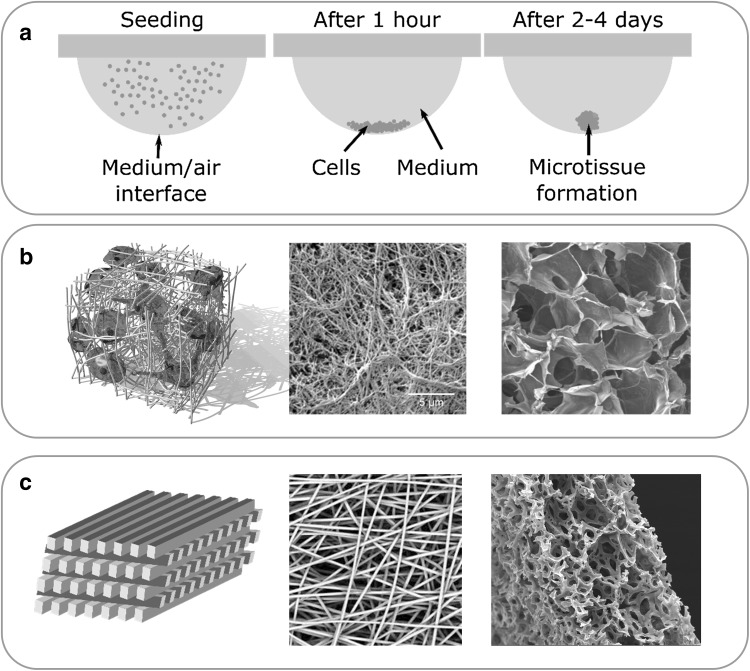
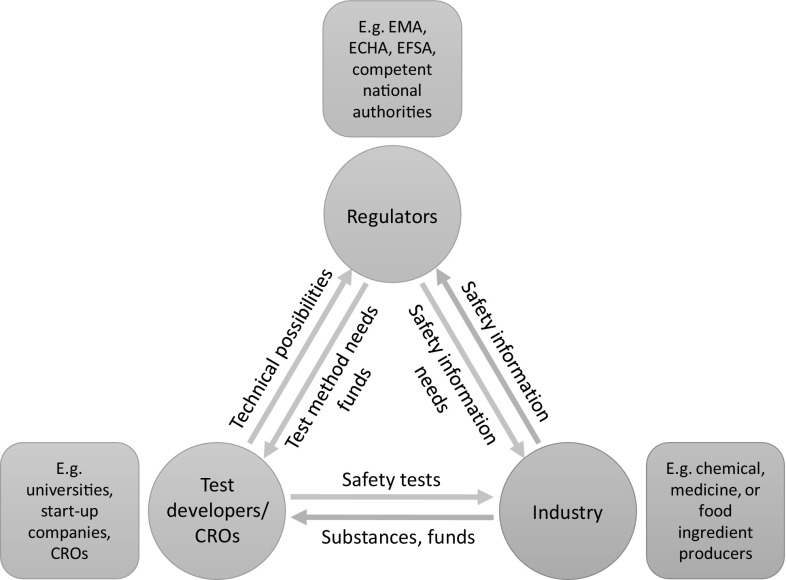
The development of improved, innovative models for the detection of toxicity of drugs, chemicals, or chemicals in cosmetics is crucial to efficiently bring new products safely to market in a cost-effective and timely manner. In addition, improvement in models to detect toxicity may reduce the incidence of unexpected post-marketing toxicity and reduce or eliminate the need for animal testing. The safety of novel products of the pharmaceutical, chemical, or cosmetics industry must be assured; therefore, toxicological properties need to be assessed. Accepted methods for gathering the information required by law for approval of substances are often animal methods. To reduce, refine, and replace animal testing, innovative organotypic in vitro models have emerged. Such models appear at different levels of complexity ranging from simpler, self-organized three-dimensional (3D) cell cultures up to more advanced scaffold-based co-cultures consisting of multiple cell types. This review provides an overview of recent developments in the field of toxicity testing with in vitro models for three major organ types: heart, skin, and liver. This review also examines regulatory aspects of such models in Europe and the UK, and summarizes best practices to facilitate the acceptance and appropriate use of advanced in vitro models.
开发改进的、创新的药物、化学品或化妆品毒性检测模型对于高效、经济且及时地将新产品安全推向市场至关重要。此外,改进毒性检测模型可能会降低意外上市后毒性的发生率,并减少或消除对动物测试的需求。制药、化学或化妆品行业的新产品的安全性必须得到保证;因此,需要评估毒理学特性。收集批准物质所需信息的可接受方法通常是动物方法。为了减少、优化和替代动物测试,创新的器官型体外模型已经出现。这些模型在复杂性上存在差异,从更简单的自组织三维 (3D) 细胞培养到更先进的基于支架的多细胞共培养物。本文综述了用于心脏、皮肤和肝脏这三种主要器官类型的毒性检测体外模型的最新进展。本文还审查了此类模型在欧洲和英国的监管方面,并总结了最佳实践,以促进先进的体外模型的接受和适当使用。