Department of Neuroscience, Stroke Rapid Assessment Unit (SRAU), Island Health, 1 Hospital Way, Victoria, BC, V8Z 6R5, Canada.
Department of Mathematics and Statistics, University of Victoria, 3800 Finnerty Rd., Victoria, BC, V8P 5C2, Canada.
Transl Stroke Res. 2018 Dec;9(6):590-599. doi: 10.1007/s12975-018-0609-z. Epub 2018 Jan 24.
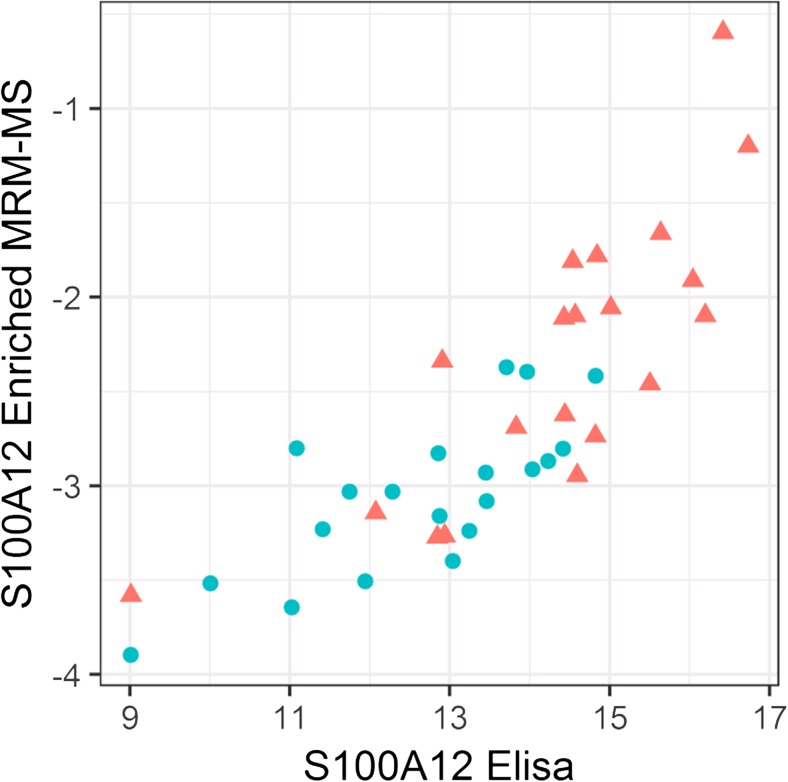
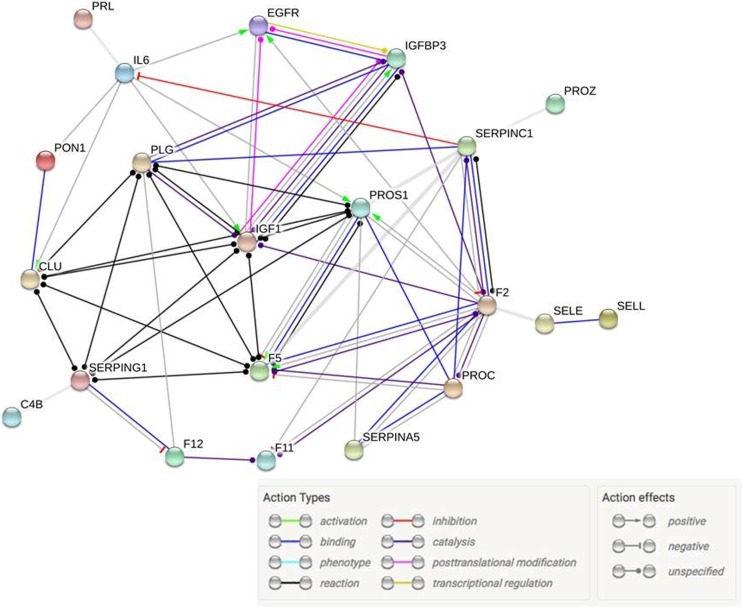
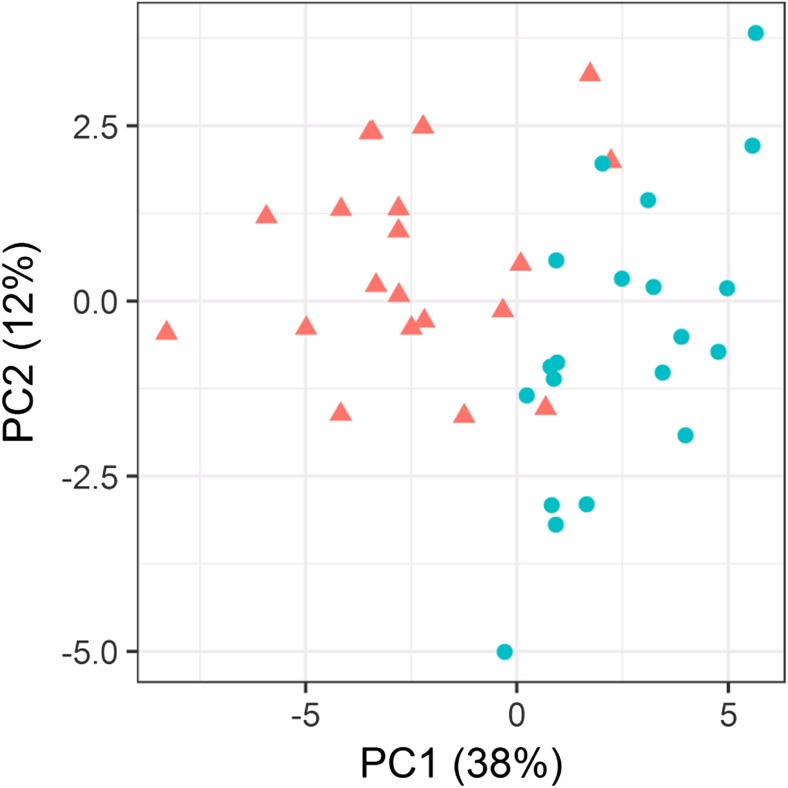
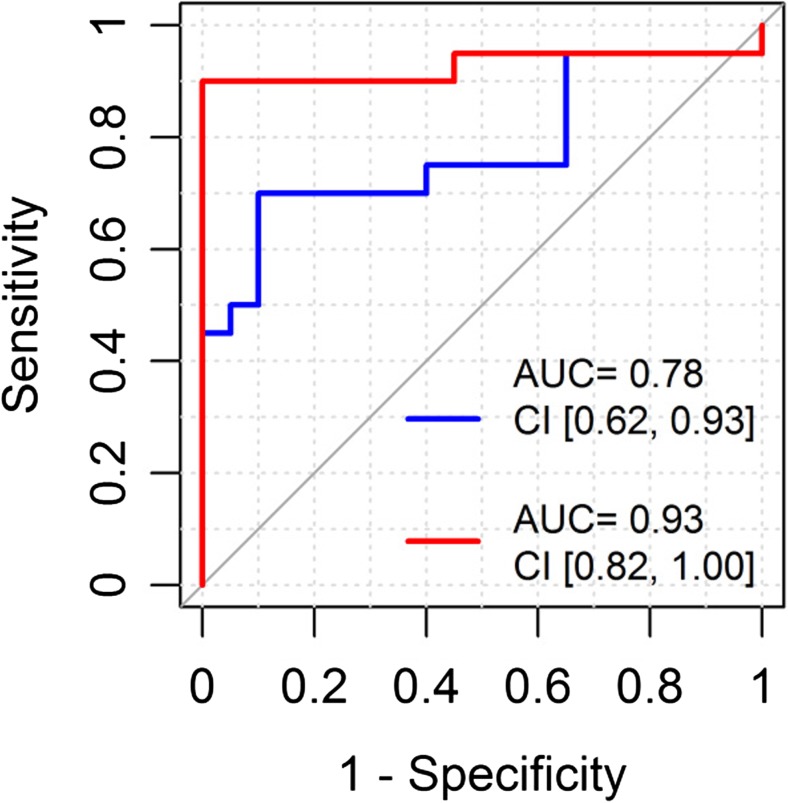
A diagnostic blood test for stroke is desirable but will likely require multiple proteins rather than a single "troponin." Validating large protein panels requires large patient numbers. Mass spectrometry (MS) is a cost-effective tool for this task. We compared differences in the abundance of 147 protein markers to distinguish 20 acute cerebrovascular syndrome (ACVS) patients who presented to the Emergency Department of one urban hospital within < 24 h from onset) and from 20 control patients who were enrolled via an outpatient neurology clinic. We targeted proteins from the stroke literature plus cardiovascular markers previously studied in our lab. One hundred forty-one proteins were quantified using MS, 8 were quantified using antibody protein enrichment with MS, and 32 were measured using ELISA, with some proteins measured by multiple techniques. Thirty proteins (4 by ELISA and 26 by the MS techniques) were differentially abundant between mimic and stroke after adjusting for age in robust regression analyses (FDR < 0.20). A logistic regression model using the first two principal components of the proteins significantly improved discrimination between strokes and controls compared to a model based on age alone (p < 0.001, cross-validated AUC 0.93 vs. 0.78). Significant proteins included markers of inflammation (47%), coagulation (40%), atrial fibrillation (7%), neurovascular unit injury (3%), and other (3%). These results suggest the potential value of plasma proteins as biomarkers for ACVS diagnosis and the role of plasma-based MS in this area.
一种用于中风的诊断性血液检测是可取的,但可能需要多种蛋白质,而不是单一的“肌钙蛋白”。验证大型蛋白质面板需要大量的患者数量。质谱(MS)是完成此任务的一种具有成本效益的工具。我们比较了 147 种蛋白质标志物丰度的差异,以区分 20 名急性脑血管综合征(ACVS)患者和 20 名通过我们的门诊神经内科诊所招募的对照患者。我们针对来自中风文献中的蛋白质以及我们实验室之前研究过的心血管标志物。使用 MS 定量了 141 种蛋白质,使用 MS 进行抗体蛋白质富集定量了 8 种蛋白质,使用 ELISA 测量了 32 种蛋白质,其中一些蛋白质使用多种技术进行测量。在稳健回归分析中,调整年龄后,30 种蛋白质(ELISA 测定的 4 种和 MS 技术测定的 26 种)在模拟和中风之间存在差异(FDR < 0.20)。使用蛋白质的前两个主成分的逻辑回归模型与仅基于年龄的模型相比,显著提高了中风和对照组之间的区分能力(p < 0.001,交叉验证 AUC 为 0.93 与 0.78)。显著的蛋白质包括炎症标志物(47%)、凝血标志物(40%)、心房颤动标志物(7%)、神经血管单元损伤标志物(3%)和其他标志物(3%)。这些结果表明,血浆蛋白质作为 ACVS 诊断生物标志物的潜在价值,以及基于血浆的 MS 在这一领域的作用。