Department of Ophthalmology, Emory University, Atlanta, Georgia, United States of America.
Department of Ophthalmology, Tianjin Medical University General Hospital, Tianjin, China.
PLoS Genet. 2018 Jan 25;14(1):e1007145. doi: 10.1371/journal.pgen.1007145. eCollection 2018 Jan.
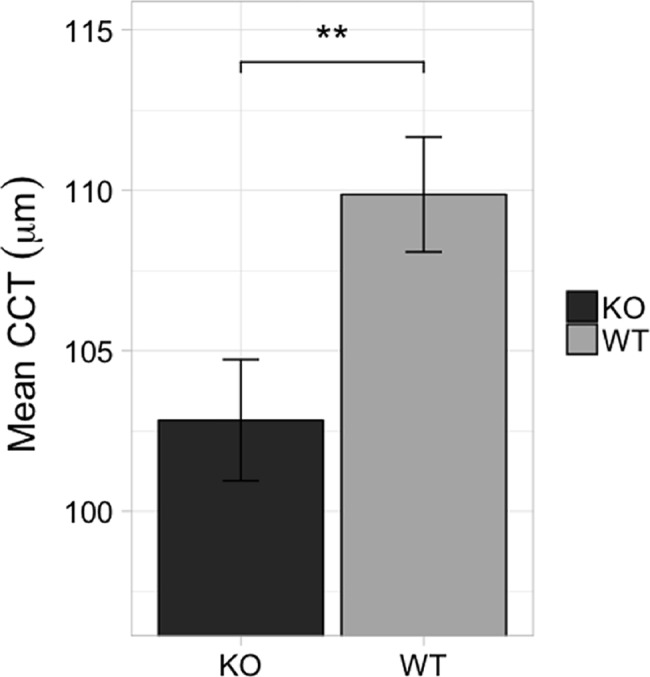
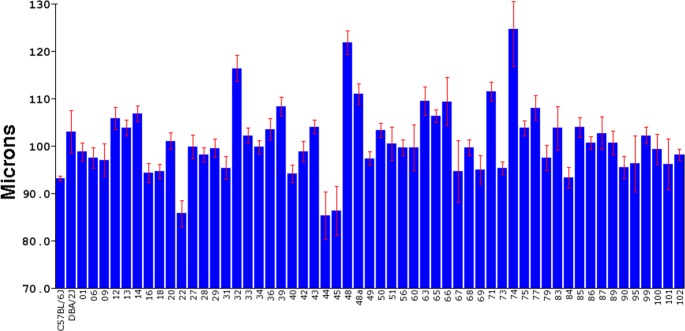
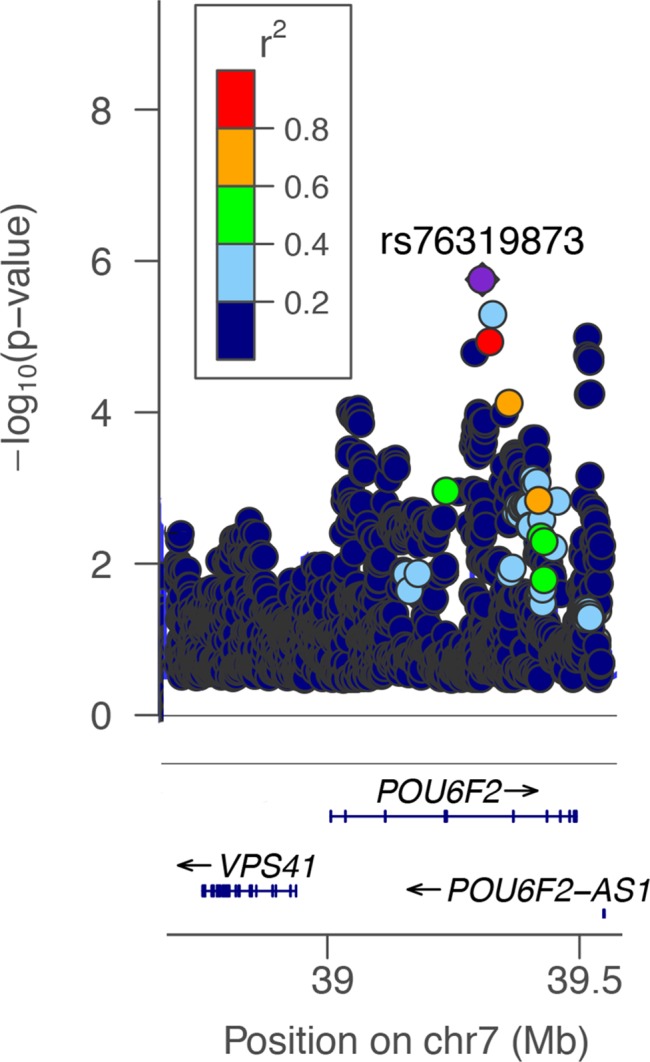
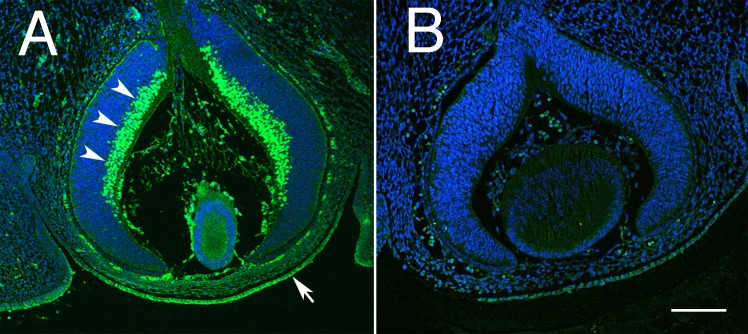
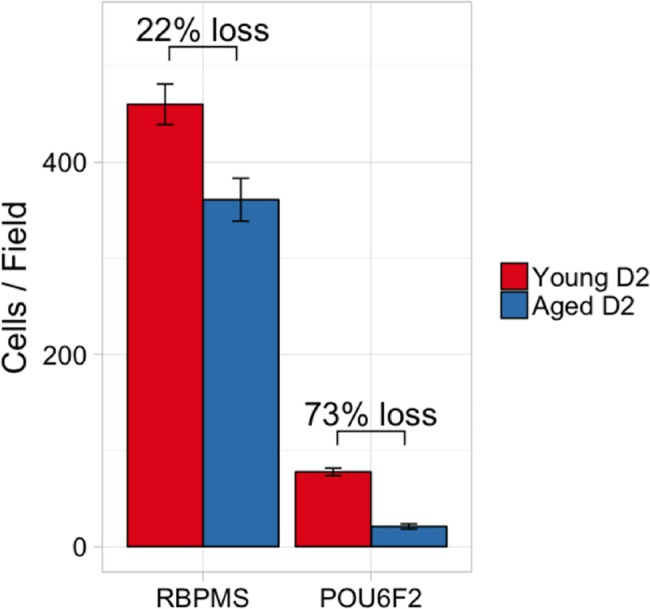
Central corneal thickness (CCT) is one of the most heritable ocular traits and it is also a phenotypic risk factor for primary open angle glaucoma (POAG). The present study uses the BXD Recombinant Inbred (RI) strains to identify novel quantitative trait loci (QTLs) modulating CCT in the mouse with the potential of identifying a molecular link between CCT and risk of developing POAG. The BXD RI strain set was used to define mammalian genomic loci modulating CCT, with a total of 818 corneas measured from 61 BXD RI strains (between 60-100 days of age). The mice were anesthetized and the eyes were positioned in front of the lens of the Phoenix Micron IV Image-Guided OCT system or the Bioptigen OCT system. CCT data for each strain was averaged and used to QTLs modulating this phenotype using the bioinformatics tools on GeneNetwork (www.genenetwork.org). The candidate genes and genomic loci identified in the mouse were then directly compared with the summary data from a human POAG genome wide association study (NEIGHBORHOOD) to determine if any genomic elements modulating mouse CCT are also risk factors for POAG.This analysis revealed one significant QTL on Chr 13 and a suggestive QTL on Chr 7. The significant locus on Chr 13 (13 to 19 Mb) was examined further to define candidate genes modulating this eye phenotype. For the Chr 13 QTL in the mouse, only one gene in the region (Pou6f2) contained nonsynonymous SNPs. Of these five nonsynonymous SNPs in Pou6f2, two resulted in changes in the amino acid proline which could result in altered secondary structure affecting protein function. The 7 Mb region under the mouse Chr 13 peak distributes over 2 chromosomes in the human: Chr 1 and Chr 7. These genomic loci were examined in the NEIGHBORHOOD database to determine if they are potential risk factors for human glaucoma identified using meta-data from human GWAS. The top 50 hits all resided within one gene (POU6F2), with the highest significance level of p = 10-6 for SNP rs76319873. POU6F2 is found in retinal ganglion cells and in corneal limbal stem cells. To test the effect of POU6F2 on CCT we examined the corneas of a Pou6f2-null mice and the corneas were thinner than those of wild-type littermates. In addition, these POU6F2 RGCs die early in the DBA/2J model of glaucoma than most RGCs. Using a mouse genetic reference panel, we identified a transcription factor, Pou6f2, that modulates CCT in the mouse. POU6F2 is also found in a subset of retinal ganglion cells and these RGCs are sensitive to injury.
中央角膜厚度(CCT)是最具遗传性的眼部特征之一,也是原发性开角型青光眼(POAG)的表型风险因素。本研究使用 BXD 重组近交系(RI)品系来鉴定调节小鼠 CCT 的新的数量性状基因座(QTL),并有可能确定 CCT 与 POAG 发病风险之间的分子联系。使用 BXD RI 品系集来定义调节 CCT 的哺乳动物基因组基因座,总共从 61 个 BXD RI 品系(60-100 天龄)中测量了 818 个角膜。将小鼠麻醉并将眼睛置于凤凰 Micron IV 图像引导 OCT 系统或 Bioptigen OCT 系统的透镜前。对每个品系的 CCT 数据进行平均,并使用 GeneNetwork(www.genenetwork.org)上的生物信息学工具来鉴定调节该表型的 QTL。然后,将在小鼠中鉴定的候选基因和基因组基因座与 POAG 全基因组关联研究(NEIGHBORHOOD)的汇总数据直接进行比较,以确定调节小鼠 CCT 的任何基因组元件是否也是 POAG 的风险因素。
该分析在 Chr 13 上揭示了一个显著的 QTL,在 Chr 7 上揭示了一个提示性的 QTL。Chr 13 上的显著位点(13 至 19 Mb)进一步检查以确定调节该眼表型的候选基因。对于小鼠 Chr 13 上的 QTL,该区域(Pou6f2)中只有一个基因包含非同义 SNPs。在 Pou6f2 中的这五个非同义 SNPs 中,有两个导致氨基酸脯氨酸发生变化,这可能导致二级结构发生改变,从而影响蛋白质功能。小鼠 Chr 13 峰下的 7 Mb 区域分布在人类的两个染色体上:Chr 1 和 Chr 7。在 NEIGHBORHOOD 数据库中检查这些基因组基因座,以确定它们是否是使用人类 GWAS 的元数据确定的人类青光眼的潜在风险因素。前 50 个命中全部位于一个基因(POU6F2)内,最高显著性水平为 SNP rs76319873 的 p = 10-6。POU6F2 存在于视网膜神经节细胞和角膜缘干细胞中。为了测试 POU6F2 对 CCT 的影响,我们检查了 Pou6f2 缺失型小鼠的角膜,发现其比野生型同窝仔鼠的角膜更薄。此外,与大多数 RGC 相比,这些 POU6F2 RGC 更早地死于 DBA/2J 型青光眼。使用小鼠遗传参考面板,我们鉴定出一个转录因子 Pou6f2,它调节小鼠的 CCT。POU6F2 也存在于一小部分视网膜神经节细胞中,这些 RGC 对损伤敏感。