Borg Stephanie A, Buckley Harriet, Owen Robert, Marin Ana Campos, Lu Yongtau, Eyles Darryl, Lacroix Damien, Reilly Gwendolen C, Skerry Tim M, Bishop Nick J
Academic Unit of Child Health Department of Oncology & Metabolism, University of Sheffield, Sheffield, United Kingdom.
INSIGNEO Institute of in silico medicine, Department of Materials Science and Engineering, University of Sheffield, Sheffield, United Kingdom.
PLoS One. 2018 Jan 25;13(1):e0190675. doi: 10.1371/journal.pone.0190675. eCollection 2018.
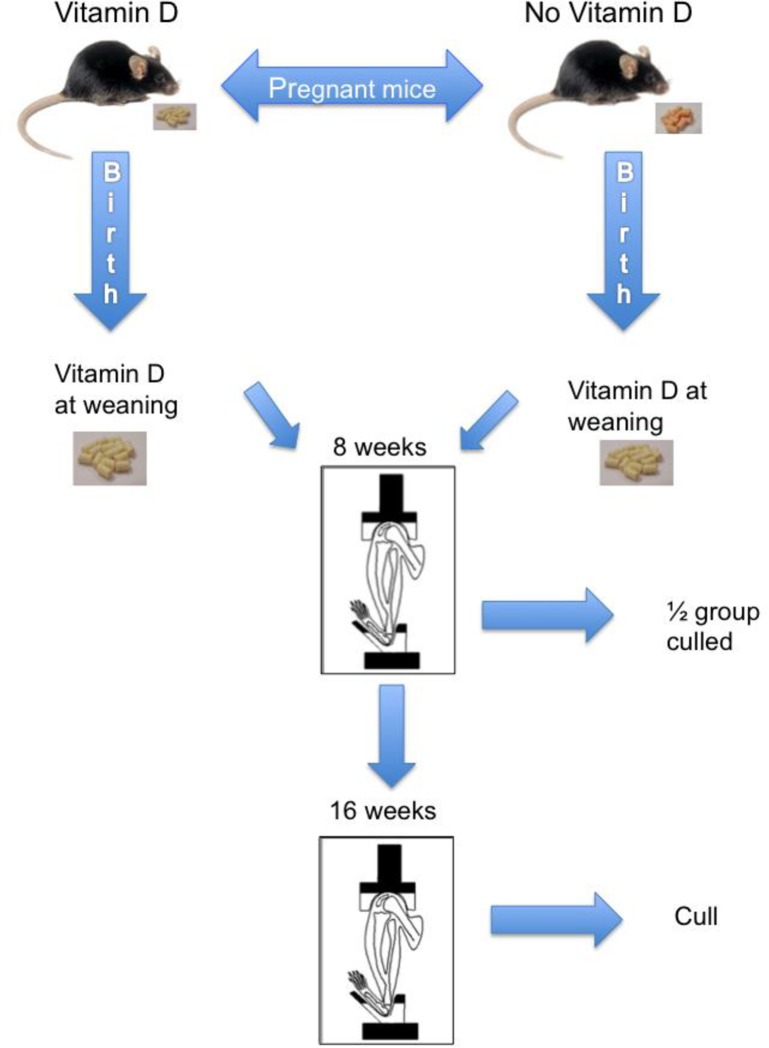
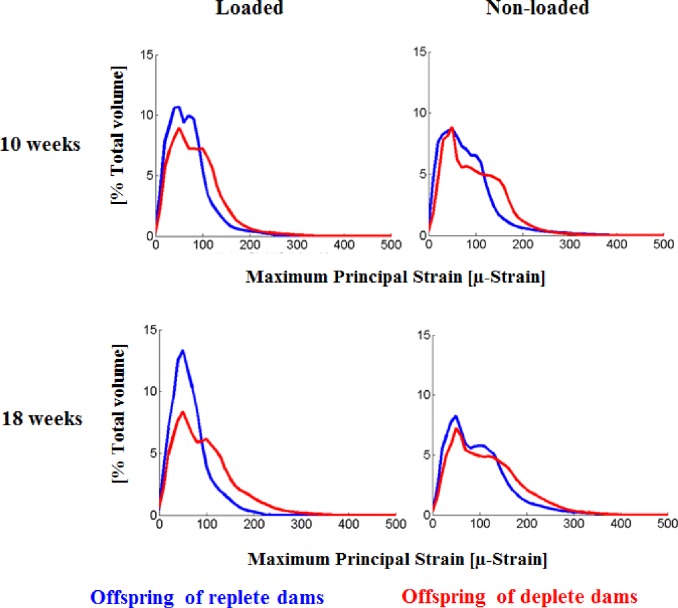
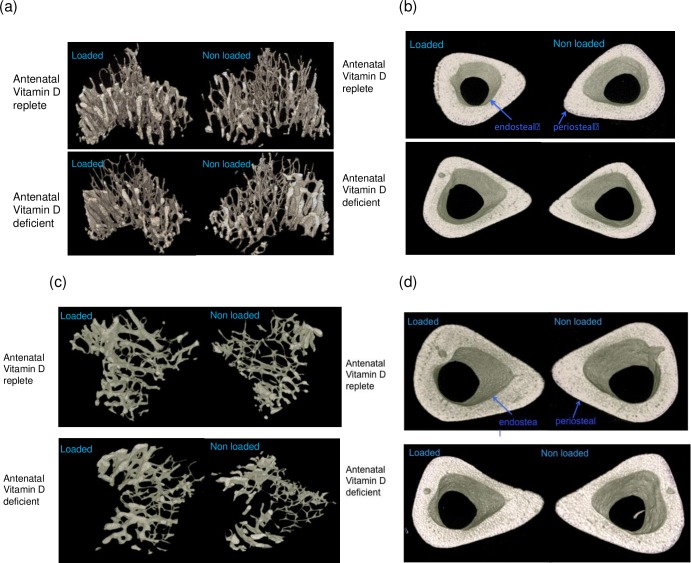
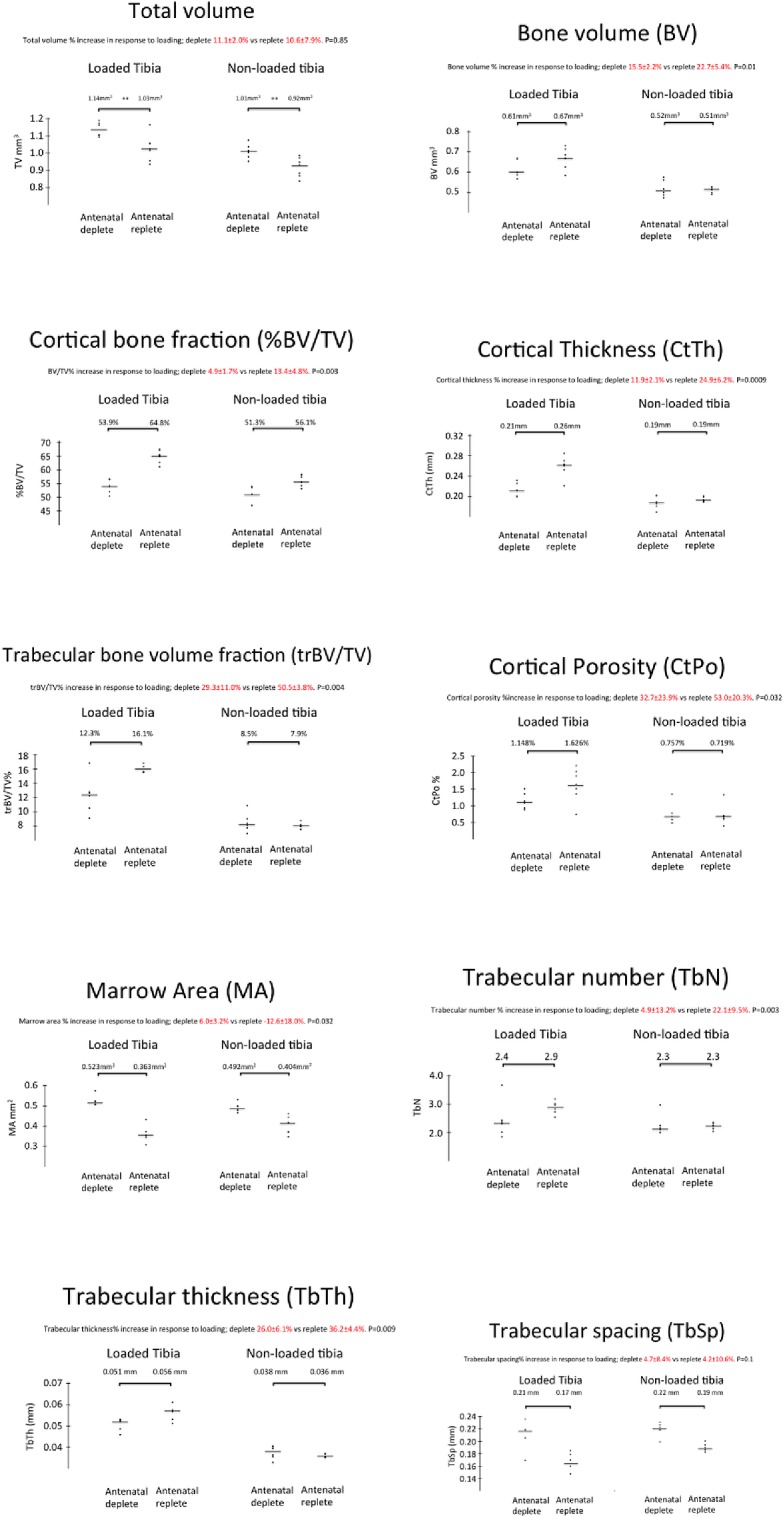
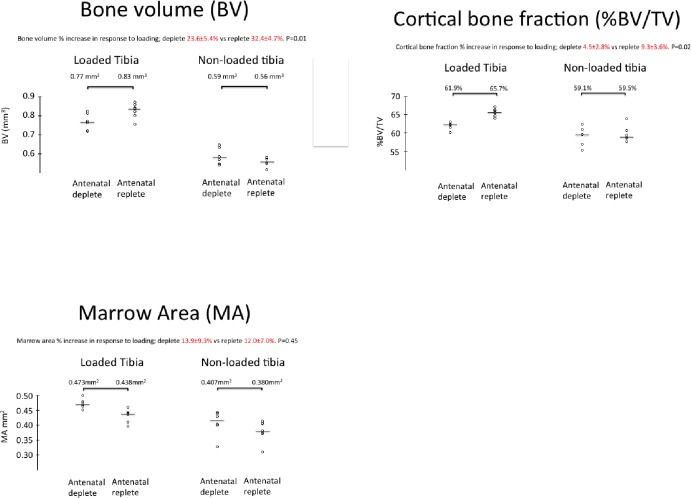
There is increasing evidence of persistent effects of early life vitamin D exposure on later skeletal health; linking low levels in early life to smaller bone size in childhood as well as increased fracture risk later in adulthood, independently of later vitamin D status. A major determinant of bone mass acquisition across all ages is mechanical loading. We tested the hypothesis in an animal model system that early life vitamin D depletion results in abrogation of the response to mechanical loading, with consequent reduction in bone size, mass and strength during both childhood and adulthood. A murine model was created in which pregnant dams were either vitamin D deficient or replete, and their offspring moved to a vitamin D replete diet at weaning. Tibias of the offspring were mechanically loaded and bone structure, extrinsic strength and growth measured both during growth and after skeletal maturity. Offspring of vitamin D deplete mice demonstrated lower bone mass in the non loaded limb and reduced bone mass accrual in response to loading in both the growing skeleton and after skeletal maturity. Early life vitamin D depletion led to reduced bone strength and altered bone biomechanical properties. These findings suggest early life vitamin D status may, in part, determine the propensity to osteoporosis and fracture that blights later life in many individuals.
越来越多的证据表明,生命早期维生素D暴露对后期骨骼健康具有持续影响;生命早期维生素D水平低与儿童期骨尺寸较小以及成年后期骨折风险增加有关,且与后期维生素D状态无关。各个年龄段骨量获取的一个主要决定因素是机械负荷。我们在一个动物模型系统中检验了这一假设,即生命早期维生素D缺乏会导致对机械负荷的反应消失,从而在儿童期和成年期导致骨尺寸、骨量和骨强度降低。构建了一个小鼠模型,其中怀孕的母鼠要么维生素D缺乏,要么维生素D充足,其后代在断奶时改为维生素D充足的饮食。对后代的胫骨进行机械负荷,并在生长期间和骨骼成熟后测量骨结构、外在强度和生长情况。维生素D缺乏小鼠的后代在未负荷的肢体中表现出较低的骨量,并且在生长中的骨骼和骨骼成熟后,对负荷的骨量增加减少。生命早期维生素D缺乏导致骨强度降低和骨生物力学特性改变。这些发现表明,生命早期维生素D状态可能在一定程度上决定了许多人晚年患骨质疏松症和骨折的倾向。