Department of Clinical Neurosciences, University of Cambridge, Herchel Smith Building, Robinson Way, Cambridge, CB2 0SZ, UK.
MRC Cognition and Brain Sciences Unit, University of Cambridge, 15 Chaucer Road, Cambridge, CB2 7EF, UK.
Brain. 2018 May 1;141(5):1263-1285. doi: 10.1093/brain/awx327.
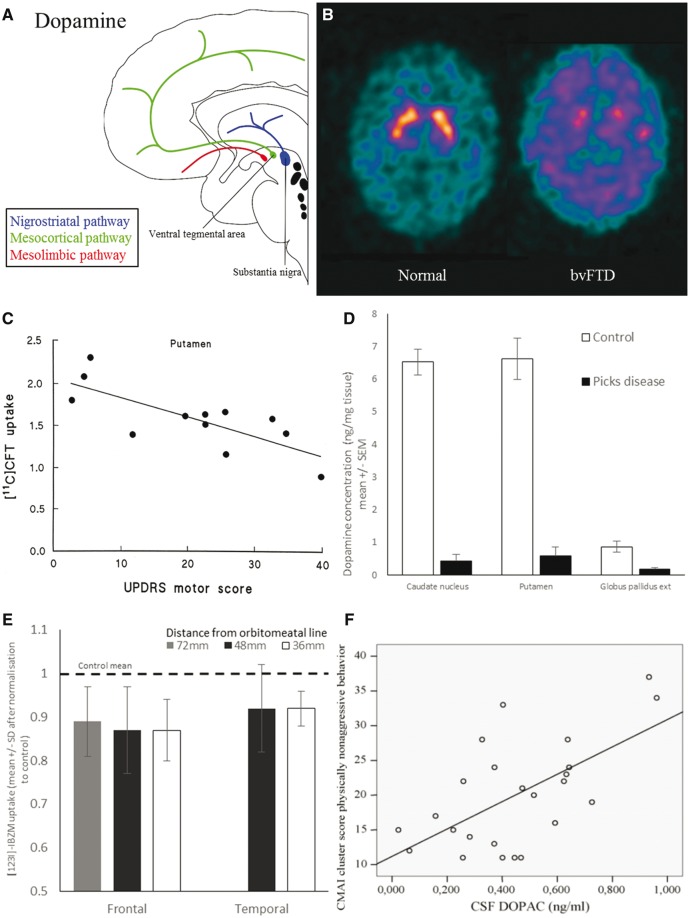
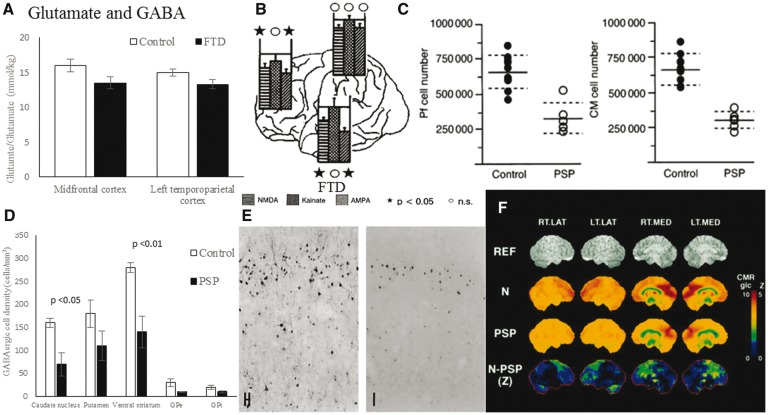
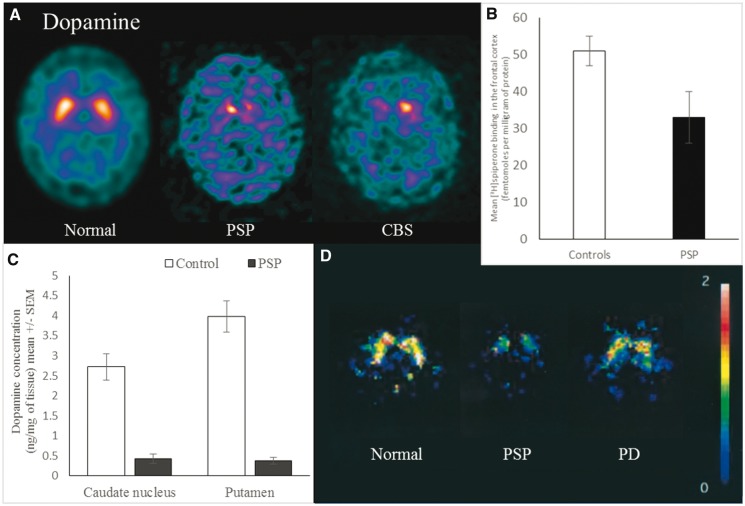
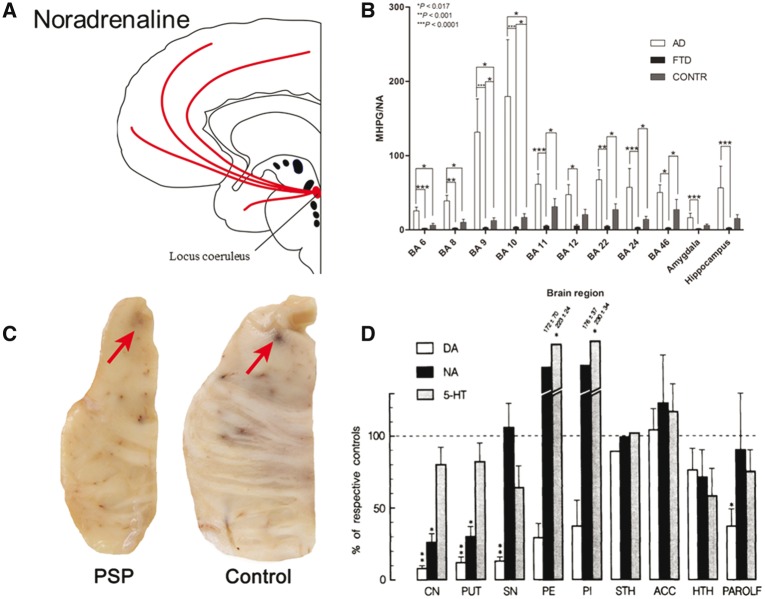
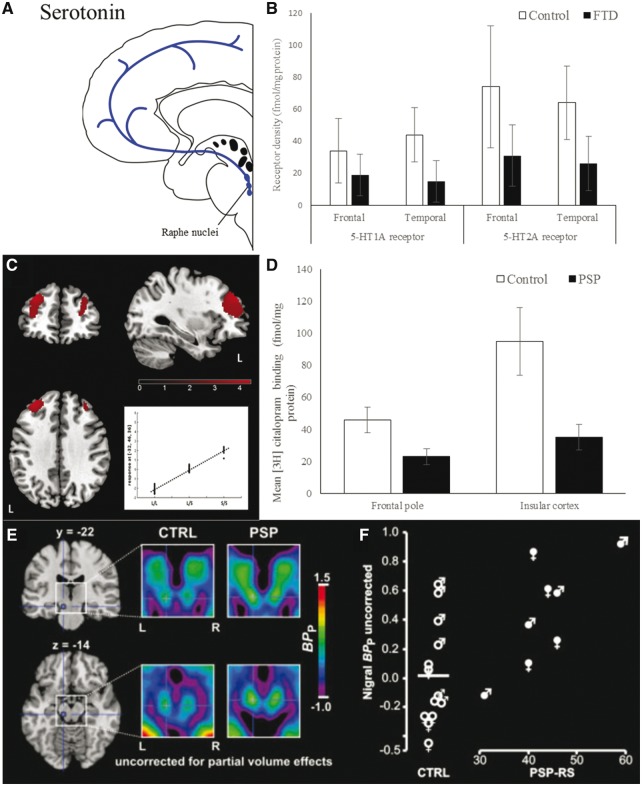
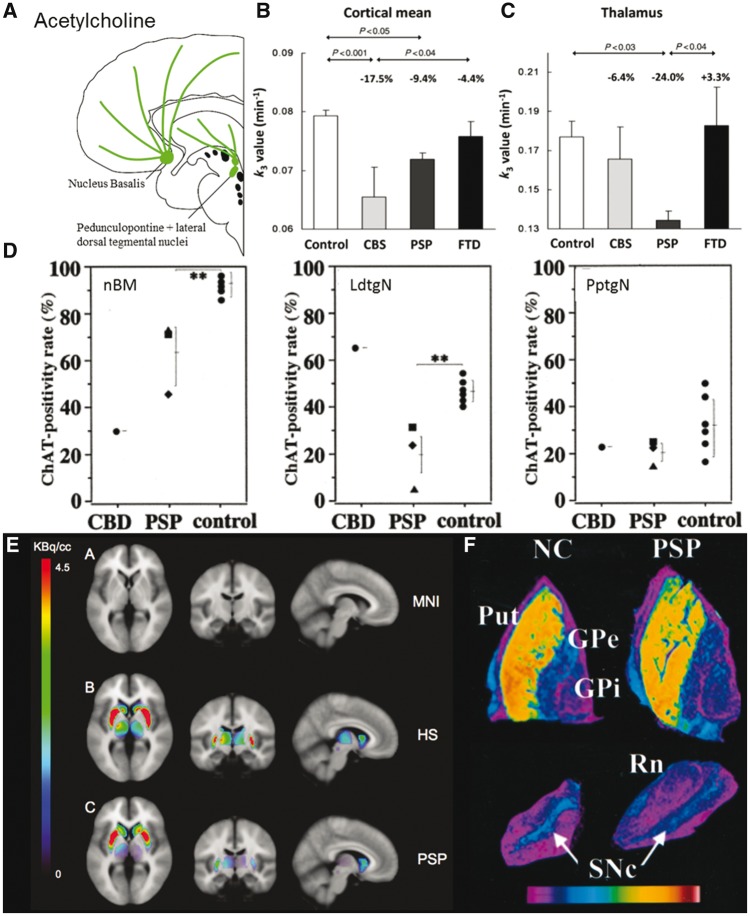
Frontotemporal lobar degeneration causes a spectrum of complex degenerative disorders including frontotemporal dementia, progressive supranuclear palsy and corticobasal syndrome, each of which is associated with changes in the principal neurotransmitter systems. We review the evidence for these neurochemical changes and propose that they contribute to symptomatology of frontotemporal lobar degeneration, over and above neuronal loss and atrophy. Despite the development of disease-modifying therapies, aiming to slow neuropathological progression, it remains important to advance symptomatic treatments to reduce the disease burden and improve patients' and carers' quality of life. We propose that targeting the selective deficiencies in neurotransmitter systems, including dopamine, noradrenaline, serotonin, acetylcholine, glutamate and gamma-aminobutyric acid is an important strategy towards this goal. We summarize the current evidence-base for pharmacological treatments and suggest strategies to improve the development of new, effective pharmacological treatments.
额颞叶变性导致一系列复杂的退行性疾病,包括额颞叶痴呆、进行性核上性麻痹和皮质基底节综合征,每种疾病都与主要神经递质系统的变化有关。我们回顾了这些神经化学变化的证据,并提出它们有助于额颞叶变性的症状表现,超出了神经元丢失和萎缩的影响。尽管已经开发出旨在减缓神经病理学进展的疾病修饰疗法,但推进对症治疗以减轻疾病负担并改善患者和护理人员的生活质量仍然很重要。我们提出,针对包括多巴胺、去甲肾上腺素、血清素、乙酰胆碱、谷氨酸和γ-氨基丁酸在内的神经递质系统的选择性缺陷,是实现这一目标的重要策略。我们总结了目前针对药物治疗的循证医学证据,并提出了改善新的有效药物治疗开发的策略。