Division of Surgical Research, Department of Surgery, Brown University, Rhode Island Hospital, Providence, RI 02903.
Division of Surgical Research, Department of Surgery, Brown University, Rhode Island Hospital, Providence, RI 02903
J Immunol. 2018 Mar 1;200(5):1817-1828. doi: 10.4049/jimmunol.1700639. Epub 2018 Jan 26.
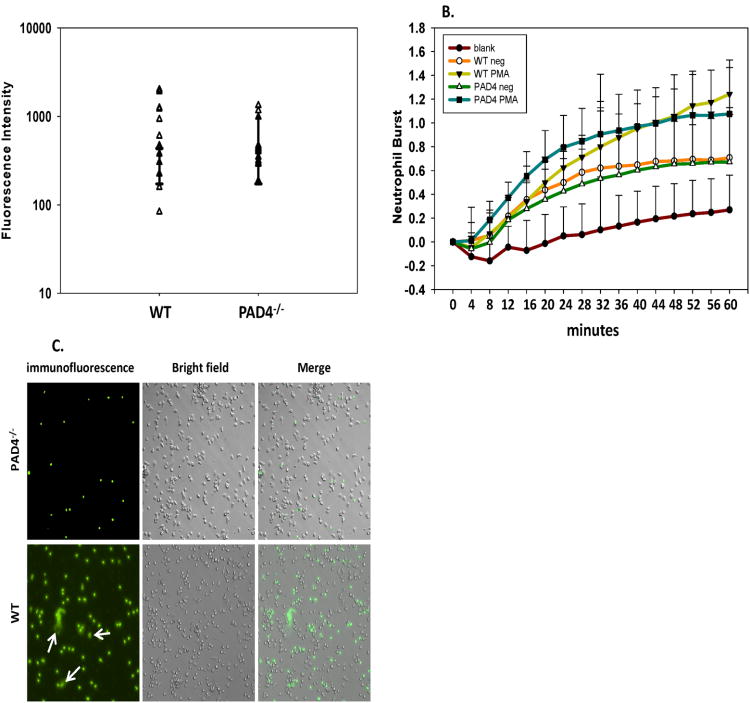
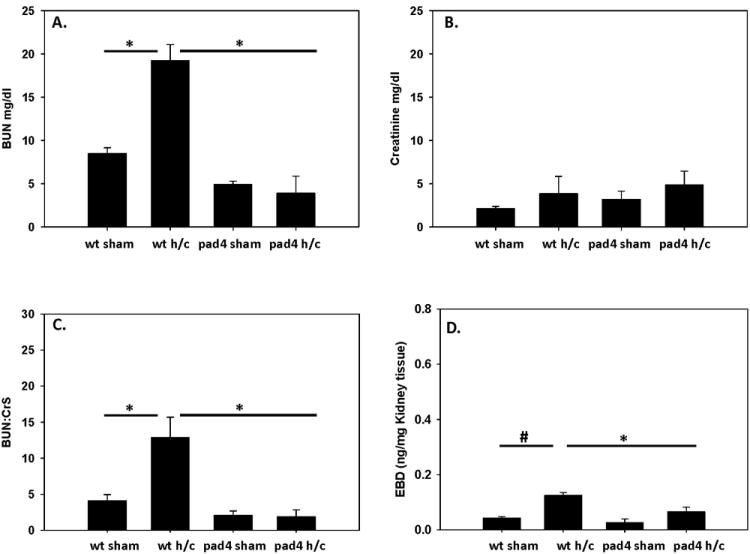
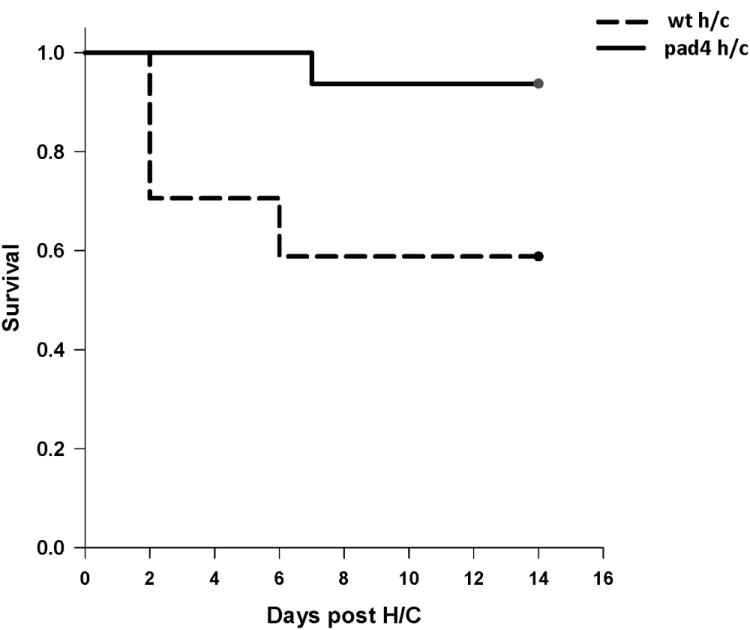
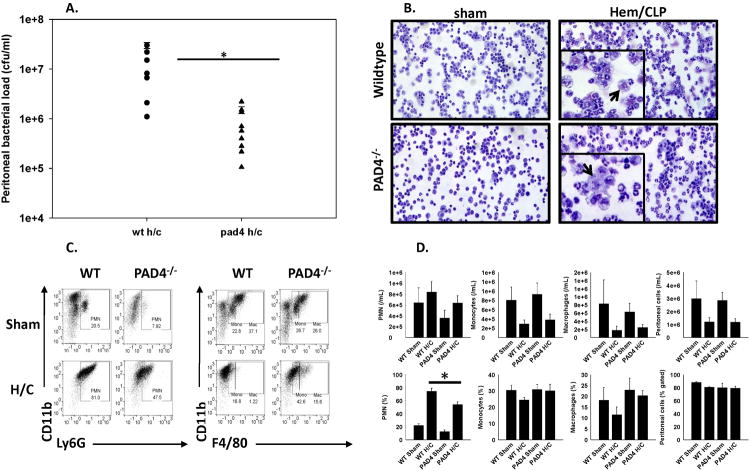
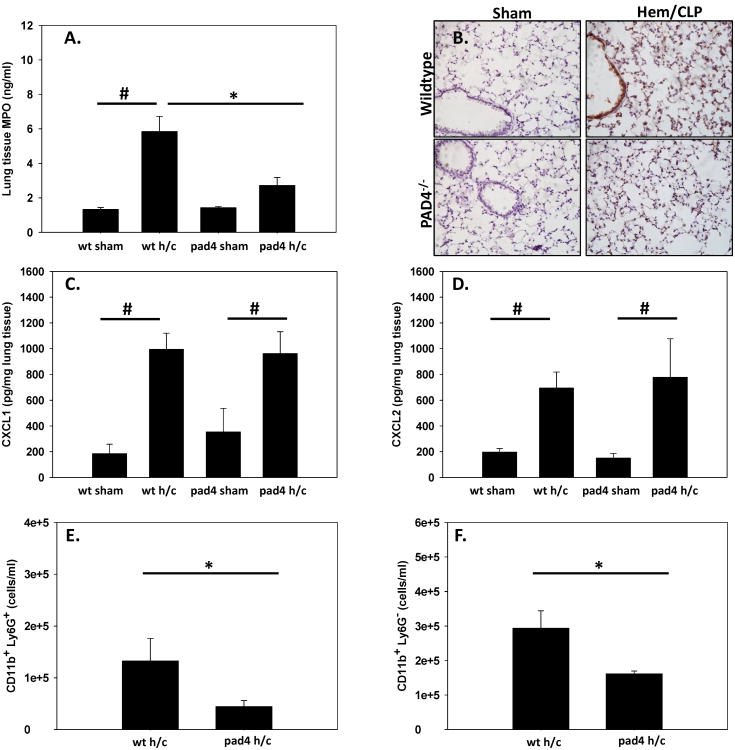
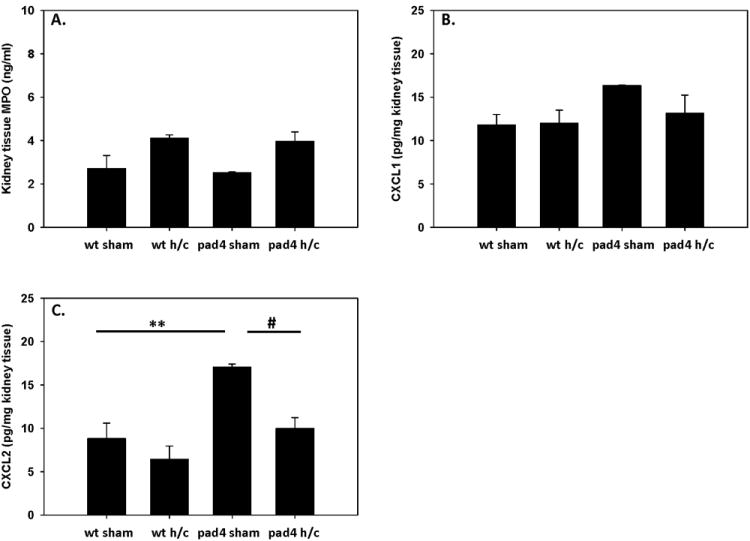
Indirect acute respiratory distress syndrome (iARDS) is caused by a nonpulmonary inflammatory process resulting from insults such as nonpulmonary sepsis. Neutrophils are thought to play a significant role in mediating ARDS, with the development of iARDS being characterized by dysregulation and recruitment of activated neutrophils into the lung. Recently, a novel mechanism of microbial killing by neutrophils was identified through the formation of neutrophil extracellular traps (NETs). NETs are composed of large webs of decondensed chromatin released from activated neutrophils into the extracellular space; they are regulated by the enzyme peptidylarginine deiminase 4 (PAD4) through mediation of chromatin decondensation via citrullination of target histones. Components of NETs have been implicated in ARDS. However, it is unknown whether there is any pathological significance of NET formation in ARDS caused indirectly by nonpulmonary insult. We subjected mice and wild-type mice to a "two-hit" model of hypovolemic shock (fixed-pressure hemorrhage [Hem]) followed by septic cecal ligation and puncture (CLP) insult (Hem/CLP). Mice were hemorrhaged and resuscitated; 24 h after Hem, mice were then subjected to CLP. Overall, PAD4 deletion led to an improved survival as compared with wild-type mice. mice displayed a marked decrease in neutrophil influx into the lung, as well decreased presence of proinflammatory mediators. mice were also able to maintain baseline kidney function after Hem/CLP. These data taken together suggest PAD4-mediated NET formation contributes to the mortality associated with shock/sepsis and may play a role in the pathobiology of end organ injury in response to combined hemorrhage plus sepsis.
间接性急性呼吸窘迫综合征(iARDS)是由非肺部炎症过程引起的,这些炎症反应源于非肺部败血症等损伤。中性粒细胞被认为在介导 ARDS 中起重要作用,iARDS 的发展特点是调节失衡和激活的中性粒细胞募集到肺部。最近,通过形成中性粒细胞细胞外陷阱(NETs),发现了中性粒细胞杀灭微生物的一种新机制。NETs 由从激活的中性粒细胞释放到细胞外空间的解聚染色质组成的大网;它们受酶肽基精氨酸脱亚氨酶 4(PAD4)的调节,通过精氨酸脱亚氨化为靶组蛋白的翻译后修饰,调节染色质的解聚。NETs 的成分与 ARDS 有关。然而,目前尚不清楚在非肺部损伤间接引起的 ARDS 中,NET 形成是否具有任何病理意义。我们将 PAD4 缺失型和野生型小鼠置于低血容量性休克(固定压力出血[Hem])后再接受败血症盲肠结扎和穿刺(CLP)损伤(Hem/CLP)的“双重打击”模型中。对小鼠进行出血和复苏;Hem 后 24 h,对小鼠进行 CLP。总的来说,与野生型小鼠相比,PAD4 缺失导致存活率提高。PAD4 缺失型小鼠肺部中性粒细胞浸润明显减少,促炎介质的存在减少。PAD4 缺失型小鼠在 Hem/CLP 后也能够维持基础肾功能。这些数据表明,PAD4 介导的 NET 形成有助于与休克/败血症相关的死亡率,并且可能在针对出血加败血症的终末器官损伤的病理生物学中起作用。