Lu Xin-Yuan, Chen Di, Gu Xiao-Yuan, Ding Jie, Zhao Ying-Jun, Zhao Qian, Yao Ming, Chen Zhiao, He Xiang-Huo, Cong Wen-Ming
Department of Pathology, Shanghai Eastern Hepatobiliary Surgery Hospital, Second Military Medical University, Shanghai, China.
Key Laboratory of Signaling Regulation and Targeting Therapy of Liver Cancer of Ministry of Education, Second Military Medical University, Shanghai, China.
Front Pharmacol. 2018 Jan 12;8:973. doi: 10.3389/fphar.2017.00973. eCollection 2017.
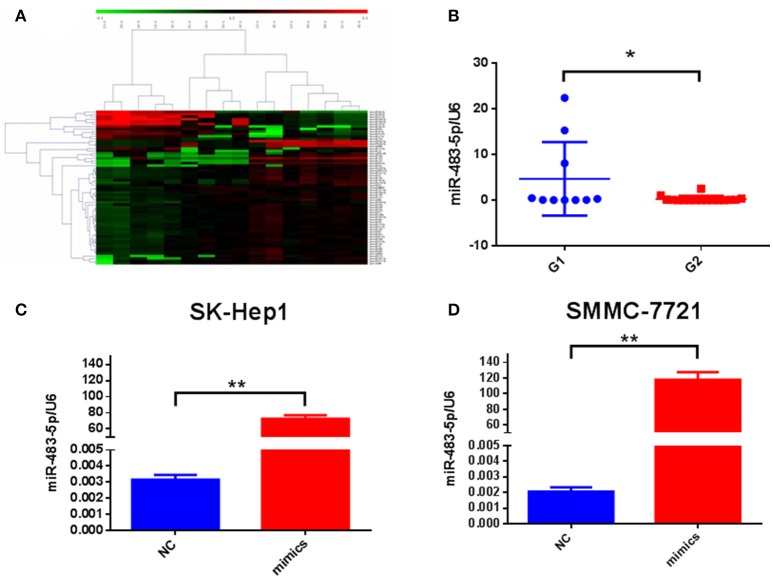
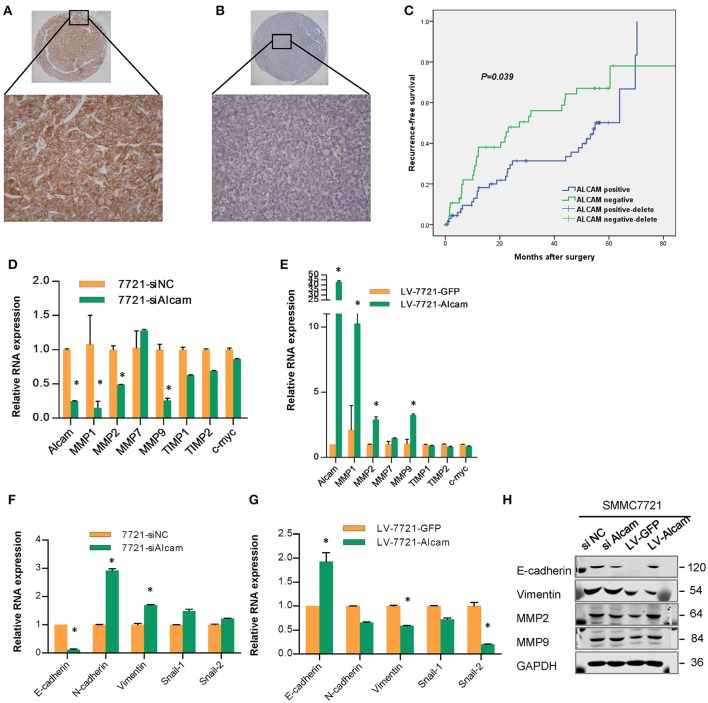
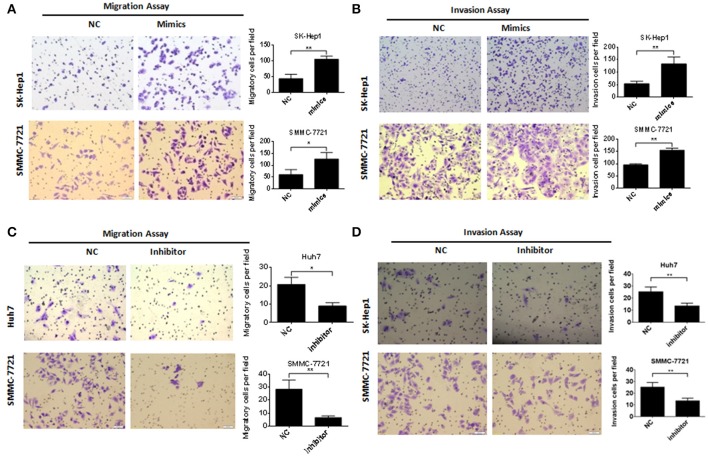
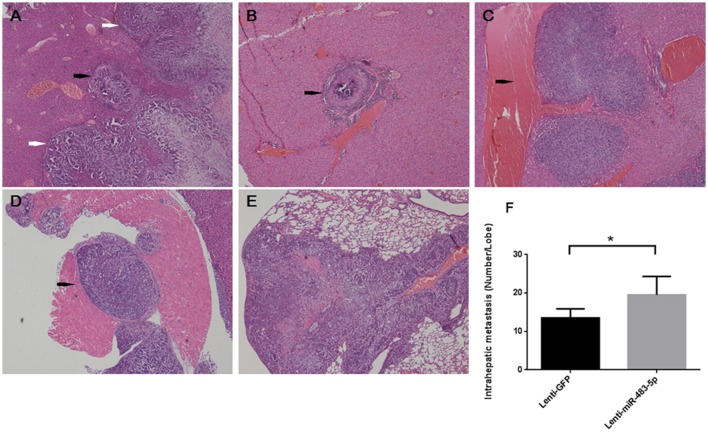
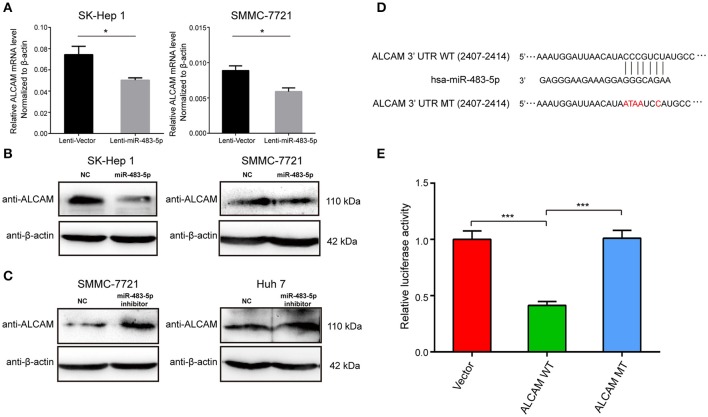
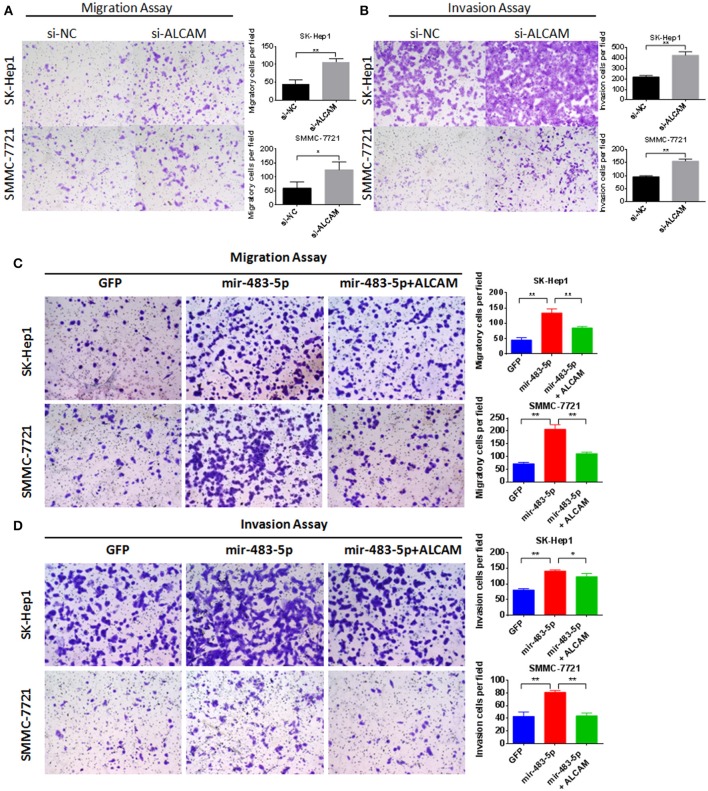
The long-term survival rate of hepatocellular carcinoma (HCC) is poor. One of the reasons for the poor rate of survival is the high rate of recurrence caused by intrahepatic metastas is that adversely affects long-term outcome. Many studies have indicated that microRNAs play an important role in HCC, but there has been no research of clonal origins on recurrent HCC (RHCC) by analzing microRNAs. In the present study, we found that miR-483-5p was significantly upregulated in RHCC tissues of short-term recurrence (≤ 2 years) by miRNA microarray screening, and can significantly promote migration and invasion of HCC cells and increase intrahepatic metastasis in nude mice . Furthermore, we demonstrated that activated leukocyte cell adhesion molecule (ALCAM), which significantly suppressed migration and invasion of HCC cells, was a direct target of miR-483-5p, and the re-introduction of ALCAM expression could antagonize the promoting effects of miR-483-5p on the capacity of HCC cells for migration and invasion. In addition, expression level of ALCAM was negatively correlated with microvascular invasion and tumor size recognized as prognostic factors. The cases which were negative for ALCAM expression had shorter time to recurrence than positive cases, and univariate and multivariate survival analyses showed that ALCAM was an independent risk factor of HCC recurrence. qRT-PCR and Western blotting showed that the expression of EMT related genes (MMP-2, MMP-9, E-caherin and vimentin) significantly changed as a result of interfering or overexpression of ALCAM, and ALCAM was significantly associated with EMT in HCC. These results suggest that the miR-483-5p/ALCAM axis is an important regulator in invasion and metastasis and biomarker for recurrence risk assessment of HCC.
肝细胞癌(HCC)的长期生存率较低。生存率低的原因之一是肝内转移导致的高复发率,这对长期预后产生不利影响。许多研究表明,微小RNA在HCC中发挥重要作用,但尚未有通过分析微小RNA对复发性肝癌(RHCC)的克隆起源进行研究。在本研究中,我们通过miRNA芯片筛选发现,miR-483-5p在短期复发(≤2年)的RHCC组织中显著上调,并且能够显著促进HCC细胞的迁移和侵袭,并增加裸鼠肝内转移。此外,我们证明,显著抑制HCC细胞迁移和侵袭的活化白细胞细胞黏附分子(ALCAM)是miR-483-5p的直接靶点,重新引入ALCAM表达可拮抗miR-483-5p对HCC细胞迁移和侵袭能力的促进作用。此外,ALCAM的表达水平与被视为预后因素的微血管侵犯和肿瘤大小呈负相关。ALCAM表达阴性的病例比阳性病例的复发时间短,单因素和多因素生存分析表明,ALCAM是HCC复发的独立危险因素。qRT-PCR和蛋白质免疫印迹法显示,干扰或过表达ALCAM会导致EMT相关基因(MMP-2、MMP-9、E-钙黏蛋白和波形蛋白)的表达发生显著变化,并且ALCAM与HCC中的EMT显著相关。这些结果表明,miR-483-5p/ALCAM轴是HCC侵袭和转移的重要调节因子,也是复发风险评估的生物标志物。