Tutykhina Irina, Esmagambetov Ilias, Bagaev Alexander, Pichugin Alexey, Lysenko Andrey, Shcherbinin Dmitry, Sedova Elena, Logunov Denis, Shmarov Maxim, Ataullakhanov Ravshan, Naroditsky Boris, Gintsburg Alexander
Federal Research Centre of Epidemiology and Microbiology named after Honorary Academician N. F. Gamaleya, Ministry of Health, Moscow, Russia.
The Institute of Immunology, Federal Medical-Biological Agency, Moscow, Russia.
PLoS One. 2018 Jan 29;13(1):e0191574. doi: 10.1371/journal.pone.0191574. eCollection 2018.
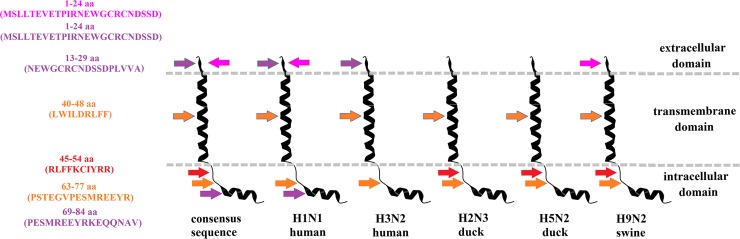
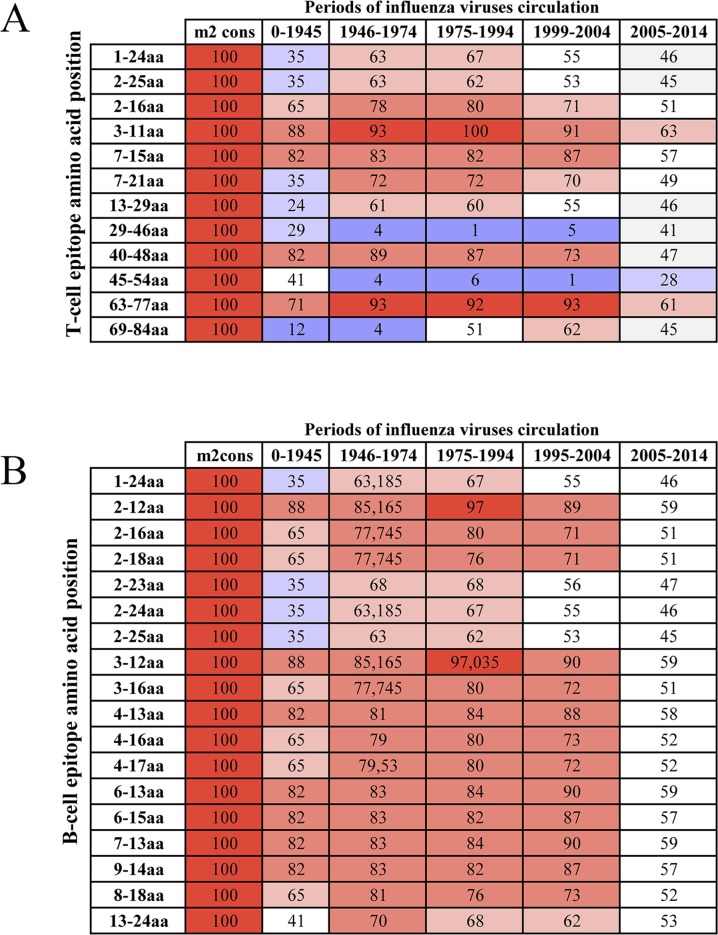
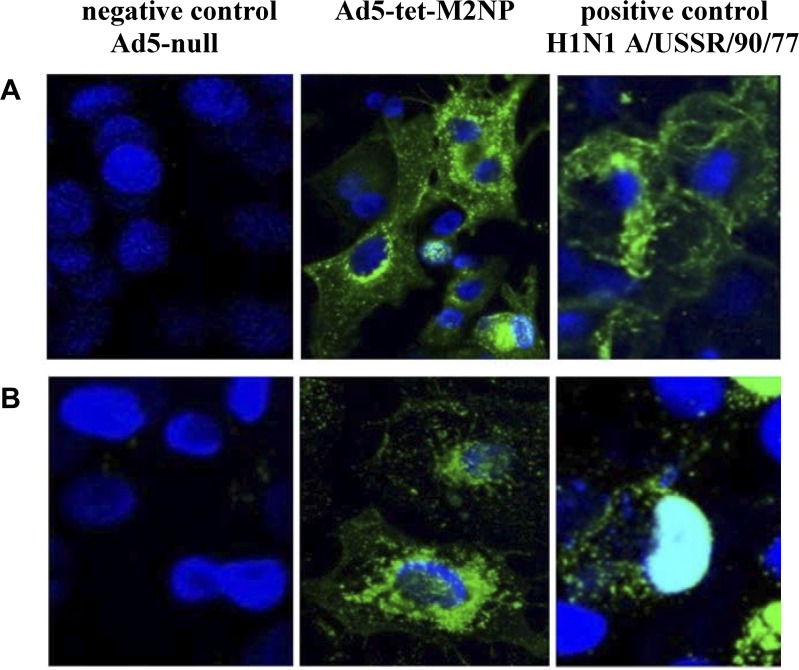
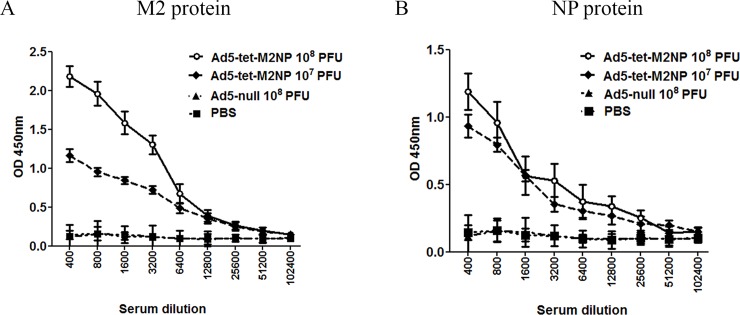
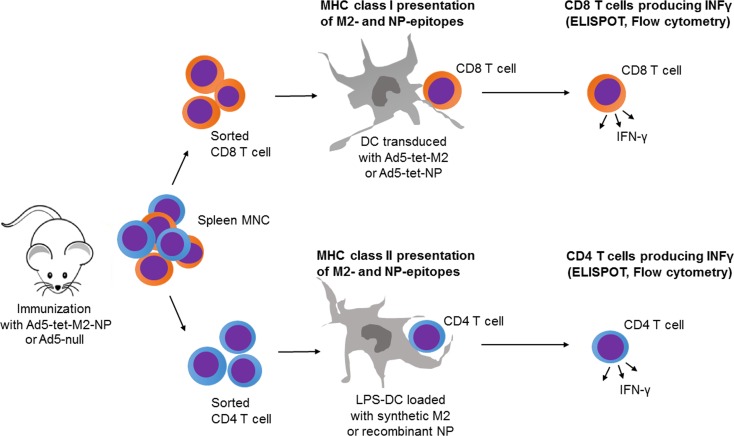
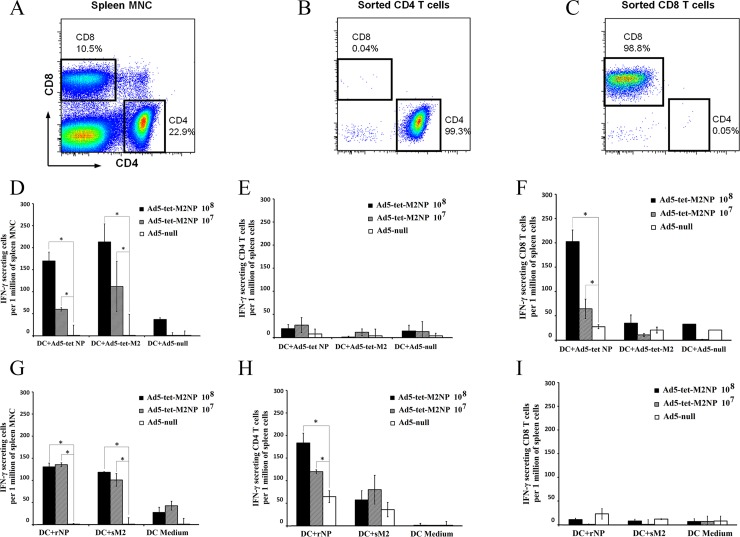
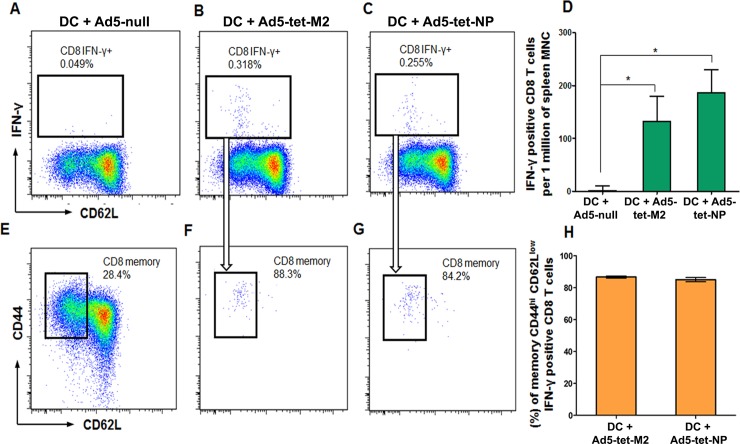
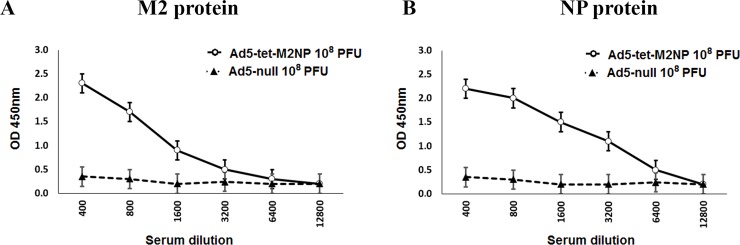
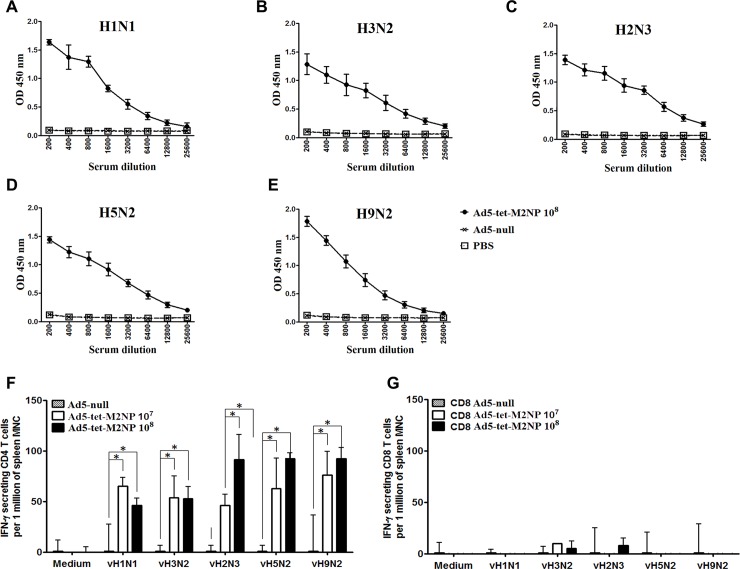
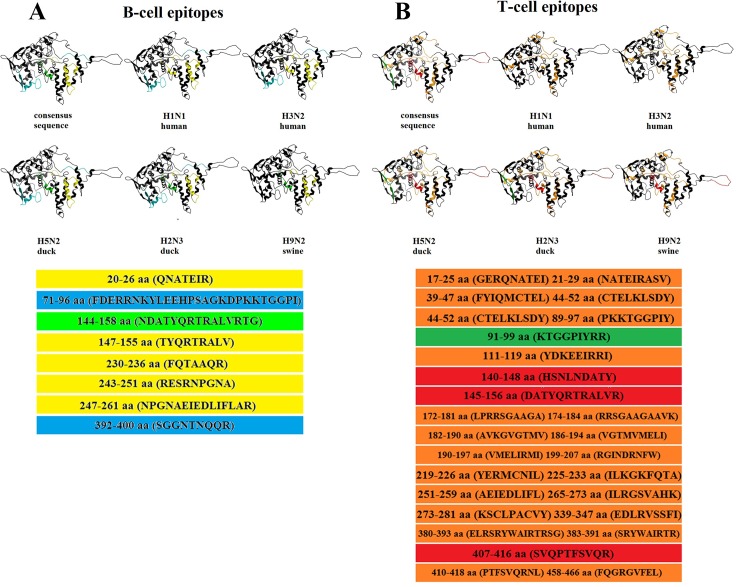
To avoid outbreaks of influenza virus epidemics and pandemics among human populations, modern medicine requires the development of new universal vaccines that are able to provide protection from a wide range of influenza A virus strains. In the course of development of a universal vaccine, it is necessary to consider that immunity must be generated even against viruses from different hosts because new human epidemic virus strains have their origins in viruses of birds and other animals. We have enriched conserved viral proteins-nucleoprotein (NP) and matrix protein 2 (M2)-by B and T-cell epitopes not only human origin but also swine and avian origin. For this purpose, we analyzed M2 and NP sequences with respect to changes in the sequences of known T and B-cell epitopes and chose conserved and evolutionarily significant epitopes. Eventually, we found consensus sequences of M2 and NP that have the maximum quantity of epitopes that are 100% coincident with them. Consensus epitope-enriched amino acid sequences of M2 and NP proteins were included in a recombinant adenoviral vector. Immunization with Ad5-tet-M2NP induced strong CD8 and CD4 T cells responses, specific to each of the encoded antigens, i.e. M2 and NP. Eight months after immunization with Ad5-tet-M2NP, high numbers of M2- and NP-responding "effector memory" CD44posCD62neg T cells were found in the mouse spleens, which revealed a long-term T cell immune memory conferred by the immunization. In all, the challenge experiments showed an extraordinarily wide-ranging efficacy of protection by the Ad5-tet-M2NP vaccine, covering 5 different heterosubtypes of influenza A virus (2 human, 2 avian and 1 swine).
为避免人群中流感病毒的流行和大流行,现代医学需要研发新型通用疫苗,以提供针对多种甲型流感病毒株的保护。在通用疫苗的研发过程中,必须考虑到即使针对来自不同宿主的病毒也能产生免疫力,因为新的人类流行病毒株起源于鸟类和其他动物的病毒。我们通过B细胞和T细胞表位富集了保守的病毒蛋白——核蛋白(NP)和基质蛋白2(M2),这些表位不仅来自人类,还来自猪和禽类。为此,我们分析了M2和NP序列中已知T细胞和B细胞表位序列的变化,并选择了保守且具有进化意义的表位。最终,我们发现了M2和NP的共有序列,其具有与它们100%一致的最大数量的表位。M2和NP蛋白的富含共有表位的氨基酸序列被包含在重组腺病毒载体中。用Ad5 - tet - M2NP进行免疫诱导了针对每种编码抗原(即M2和NP)的强烈CD8和CD4 T细胞反应。用Ad5 - tet - M2NP免疫八个月后,在小鼠脾脏中发现了大量对M2和NP有反应的“效应记忆”CD44posCD62neg T细胞,这揭示了免疫赋予的长期T细胞免疫记忆。总之,攻毒实验表明Ad5 - tet - M2NP疫苗具有极其广泛的保护效力,涵盖了5种不同的甲型流感病毒异源亚型(2种人类、2种禽类和1种猪源)。