Laboratory of Physiology and Pharmacology, School of Advanced Science and Engineering, Waseda University, Tokyo, Japan.
Laboratory of Physiology and Pharmacology, School of Advanced Science and Engineering, Waseda University, Tokyo, Japan.
EBioMedicine. 2018 Feb;28:210-224. doi: 10.1016/j.ebiom.2018.01.012. Epub 2018 Jan 31.
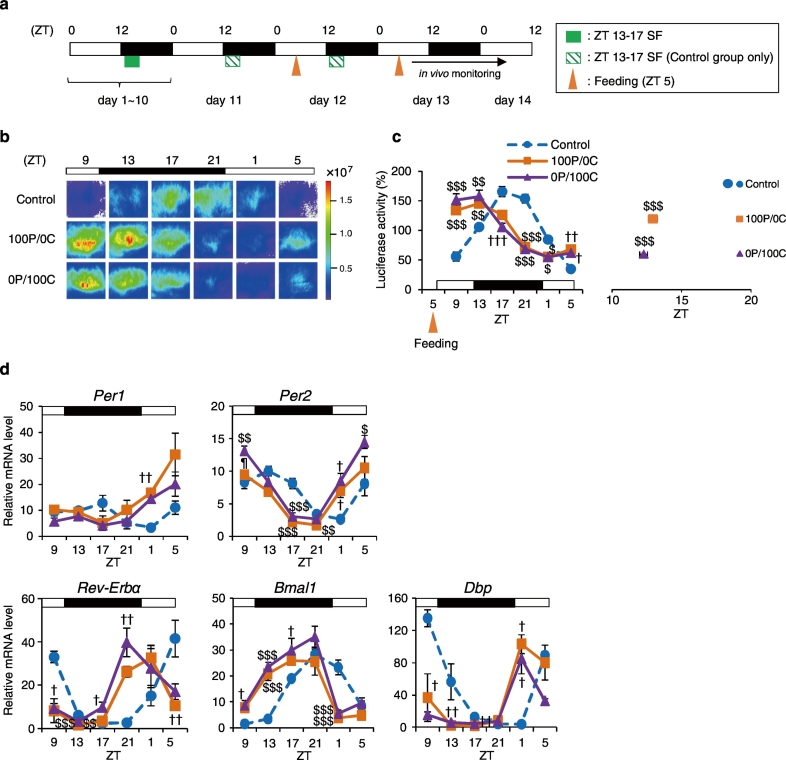
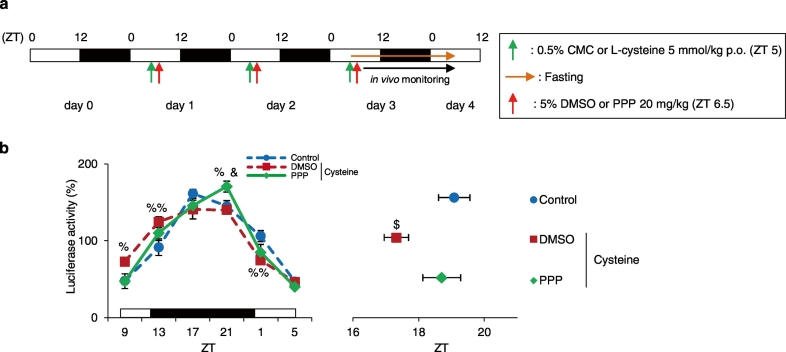
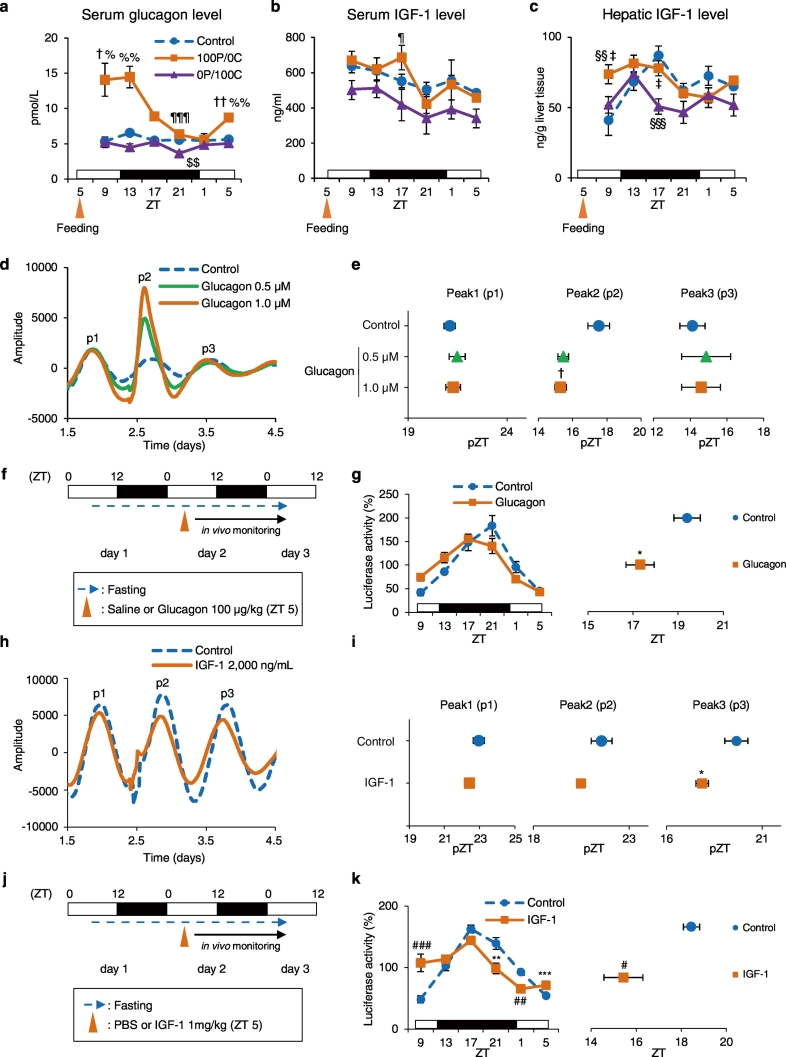
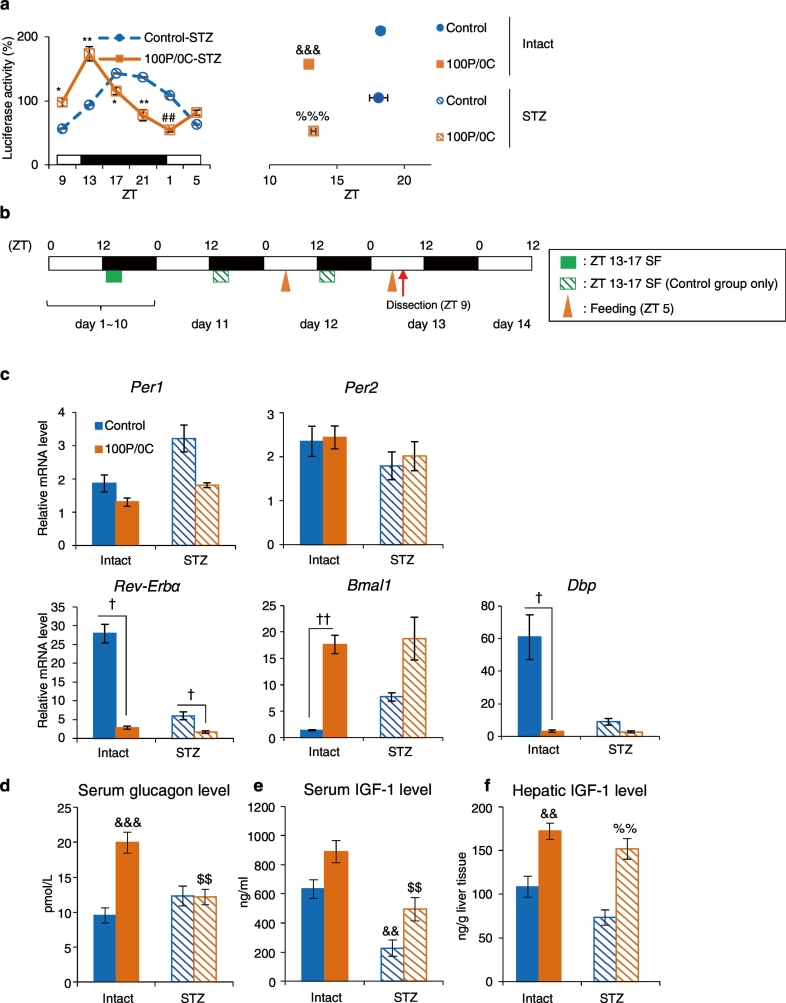
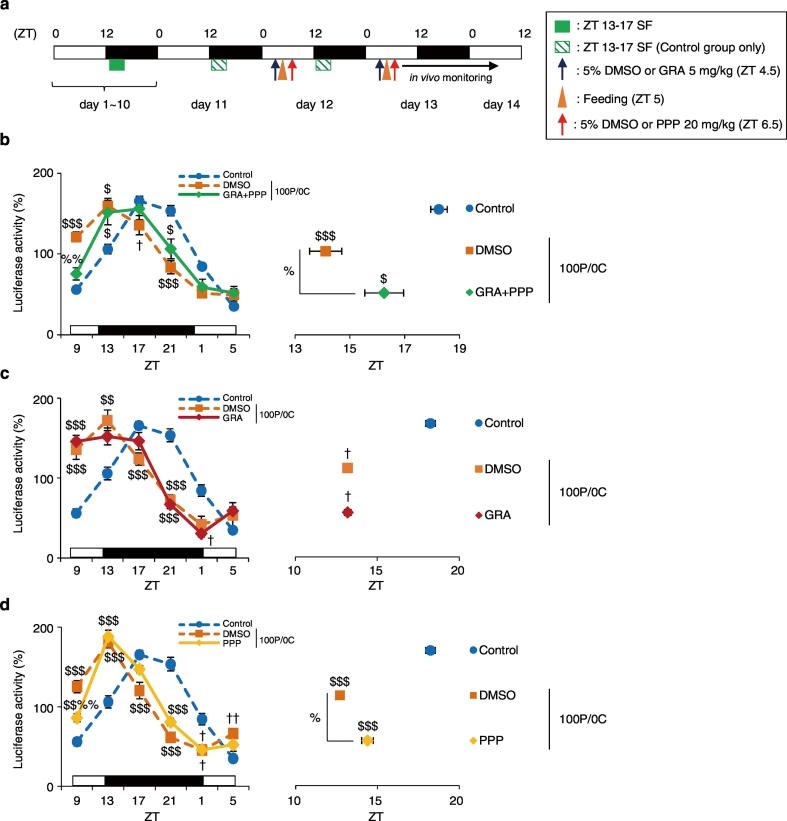
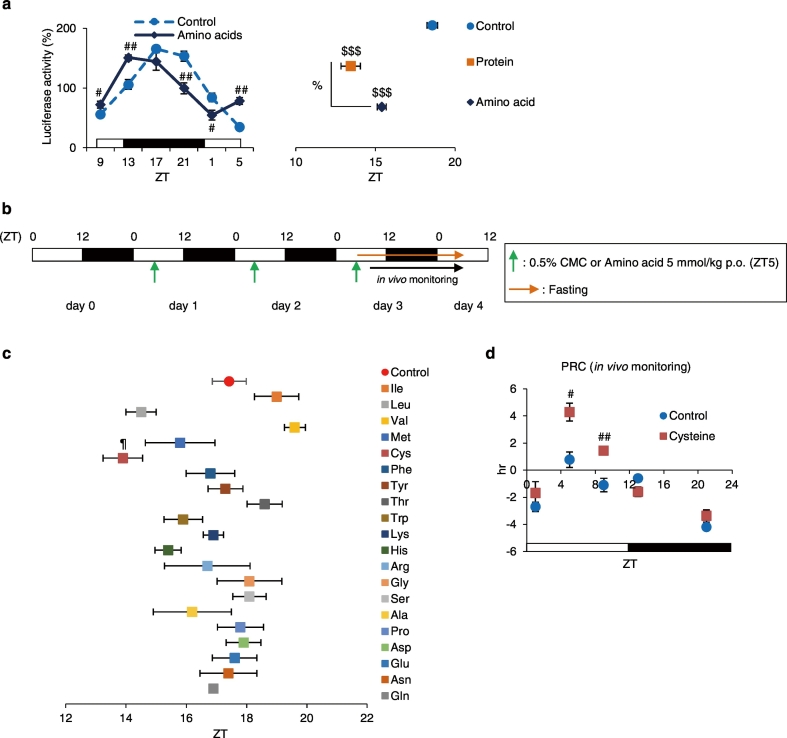
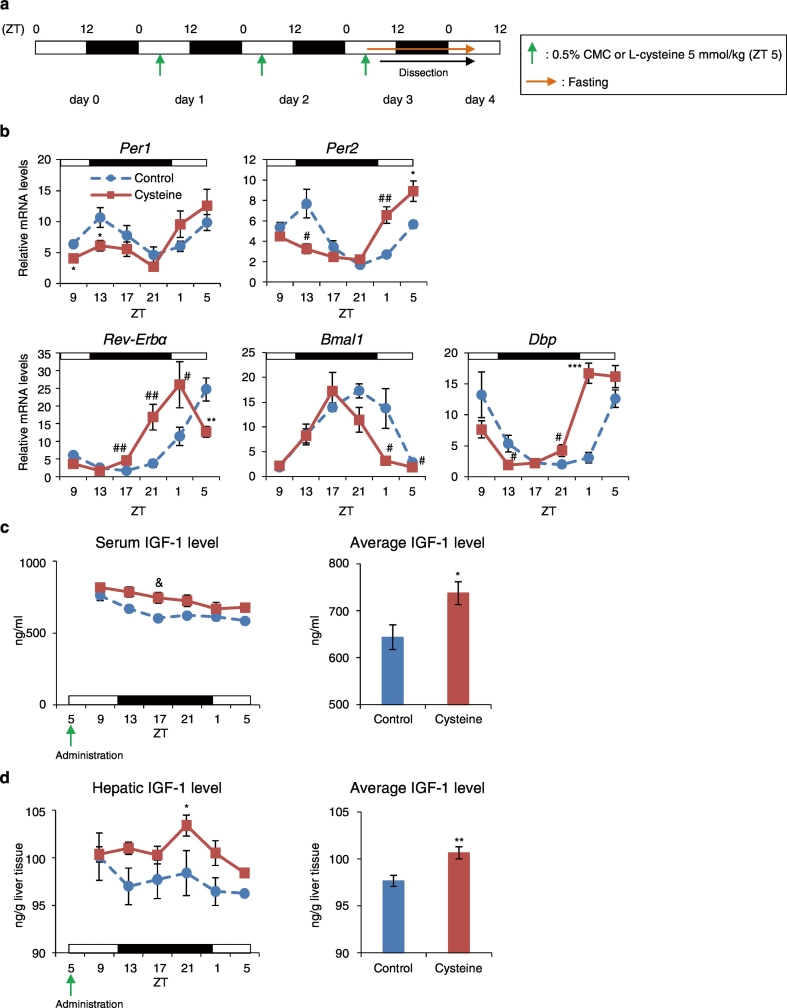
The circadian system controls the behavior and multiple physiological functions. In mammals, the suprachiasmatic nucleus (SCN) acts as the master pacemaker and regulates the circadian clocks of peripheral tissues. The SCN receives information regarding the light-dark cycle and is thus synchronized to the external 24-hour environment. In contrast, peripheral clocks, such as the liver clock, receive information from the SCN and other factors; in particular, food intake which leads to insulin secretion induces strong entrainment of the liver clock. On the other hand, the liver clock of insulin-depleted mice treated with streptozotocin (STZ) has been shown to be entrained by scheduled feeding, suggesting that insulin is not necessary for entrainment of the liver clock by feeding. In this study, we aimed to elucidate additional mechanism on entraining liver clock by feeding a protein-only diet and/or amino-acid administration which does not increase insulin levels. We demonstrated that protein-only diet and cysteine administration elicit entrainment of the liver clock via glucagon secretion and/or insulin-like growth factors (IGF-1) production. Our findings suggest that glucagon and/or IGF-1 production are additional key factors in food-induced entrainment.
昼夜节律系统控制着行为和多种生理功能。在哺乳动物中,视交叉上核(SCN)作为主生物钟,调节外周组织的生物钟。SCN 接收关于光-暗周期的信息,因此与外部 24 小时环境同步。相比之下,外周时钟,如肝脏时钟,接收来自 SCN 和其他因素的信息;特别是,进食导致胰岛素分泌,从而强烈诱导肝脏时钟的同步。另一方面,用链脲佐菌素(STZ)处理的胰岛素缺乏小鼠的肝脏时钟已被证明可以通过定时喂养来同步,这表明胰岛素不是通过喂养来同步肝脏时钟所必需的。在这项研究中,我们旨在阐明通过仅提供蛋白质饮食和/或氨基酸给药来使肝脏时钟同步的其他机制,这种方法不会增加胰岛素水平。我们证明,仅提供蛋白质饮食和半胱氨酸给药会通过胰高血糖素分泌和/或胰岛素样生长因子(IGF-1)的产生来引发肝脏时钟的同步。我们的发现表明,胰高血糖素和/或 IGF-1 的产生是食物诱导同步的其他关键因素。