Suzuki Yoshimi, Uchida Keisuke, Takemura Tamiko, Sekine Masaki, Tamura Tomoki, Furukawa Asuka, Hebisawa Akira, Sakakibara Yumi, Awano Nobuyasu, Amano Tomonari, Kobayashi Daisuke, Negi Mariko, Kakegawa Tomoya, Wada Yuriko, Ito Takashi, Suzuki Takashige, Akashi Takumi, Eishi Yoshinobu
Department of Human Pathology, Graduate School and Faculty of Medicine, Tokyo Medical and Dental University, Bunkyo-ku, Tokyo, Japan.
Division of Surgical Pathology, Tokyo Medical and Dental University Hospital, Bunkyo-ku, Tokyo, Japan.
PLoS One. 2018 Feb 5;13(2):e0192408. doi: 10.1371/journal.pone.0192408. eCollection 2018.
Propionibacterium acnes is thought to be a causative agent of sarcoidosis. Patients with sarcoidosis have circulating immune complexes. We attempted to detect P. acnes-derived immune complexes in sarcoid lesions.
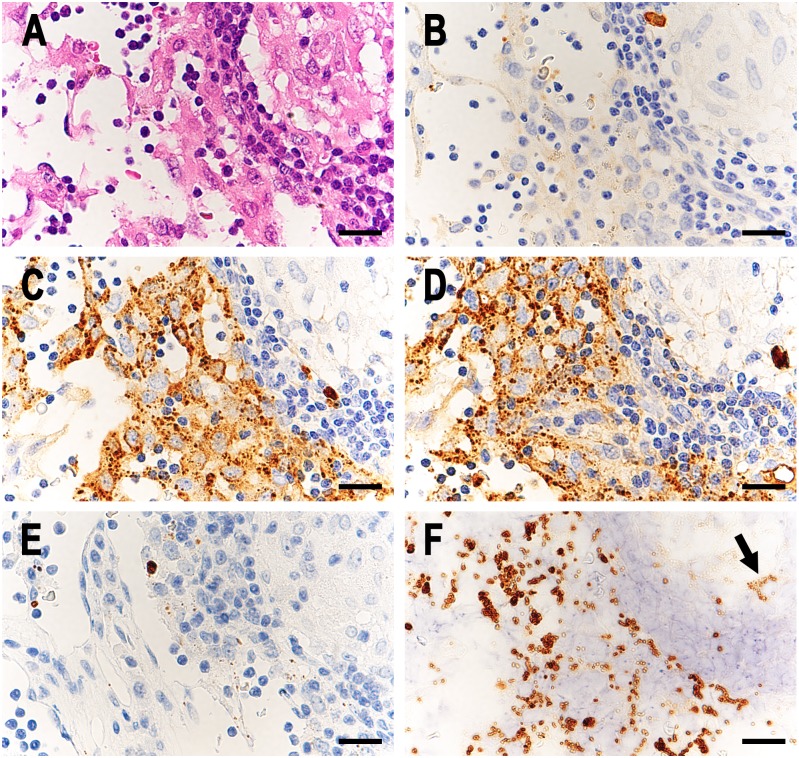
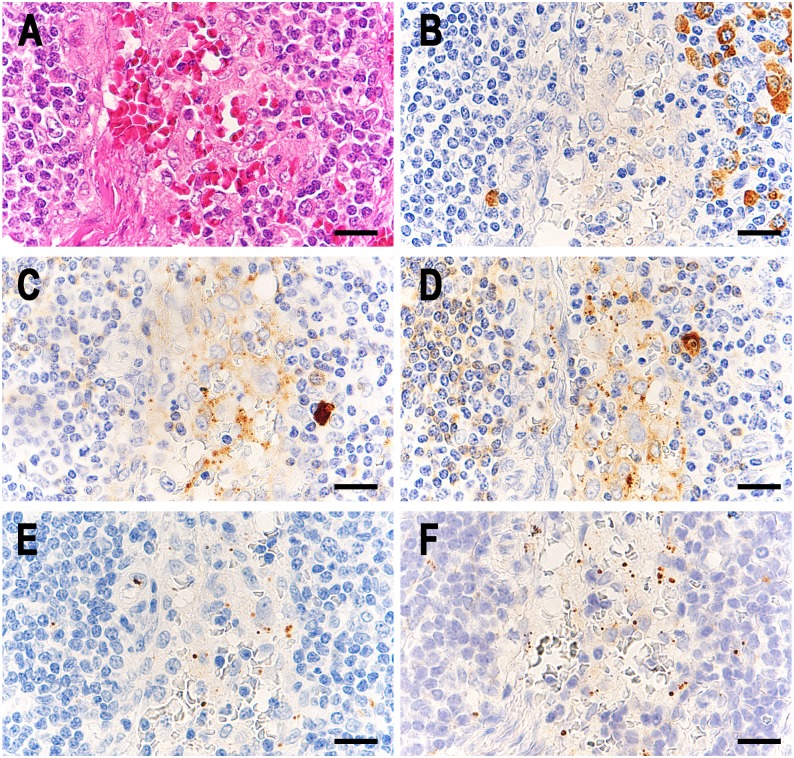
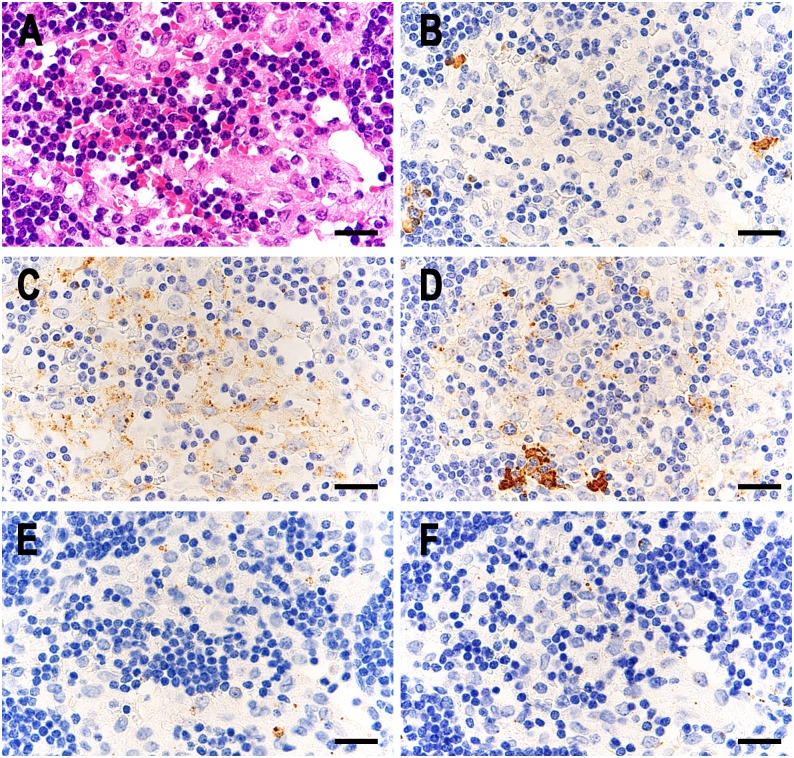
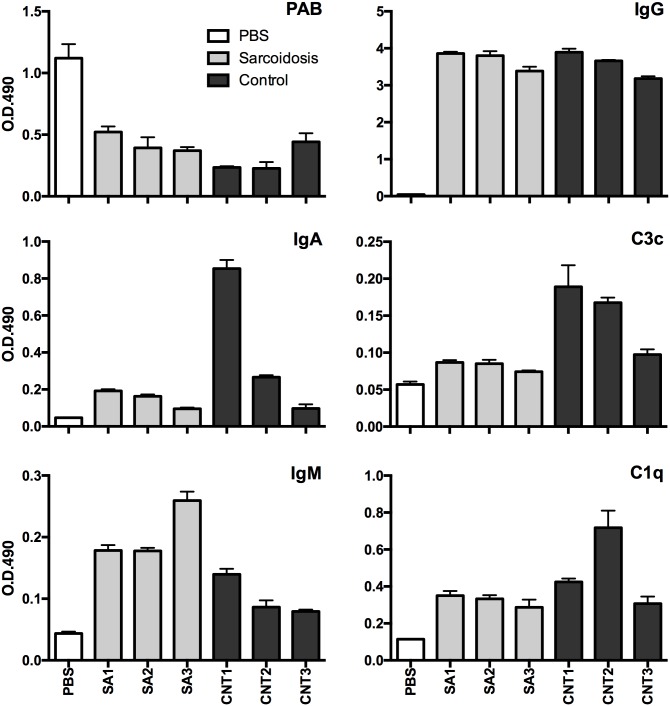
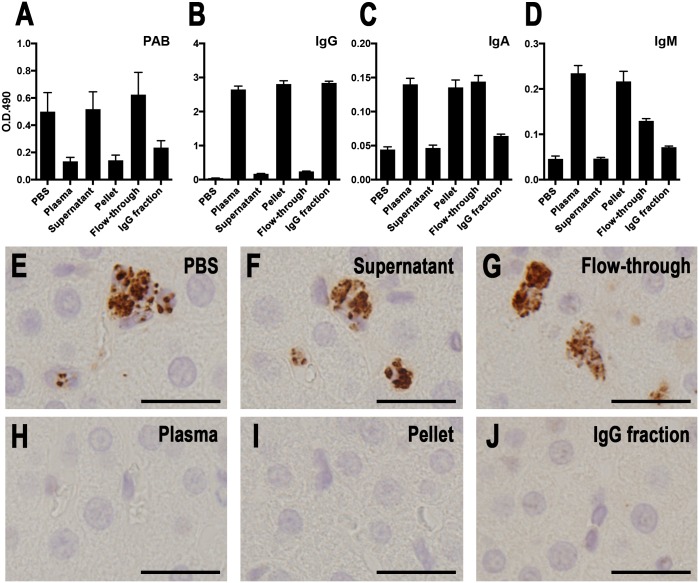
We evaluated formalin-fixed and paraffin-embedded lymph node samples from 38 sarcoidosis patients and 90 non-sarcoidosis patients (27 patients with necrotizing lymphadenitis, 28 patients with reactive lymphadenitis, 16 patients with colon cancer, 19 patients with gastric cancer) by immunohistochemistry using anti-human immunoglobulins (IgG, IgA, and IgM) and complement (C1q and C3c) antibodies, and a P. acnes-specific monoclonal antibody (PAB antibody) that reacts with the membrane-bound lipoteichoic acid of P. acnes.
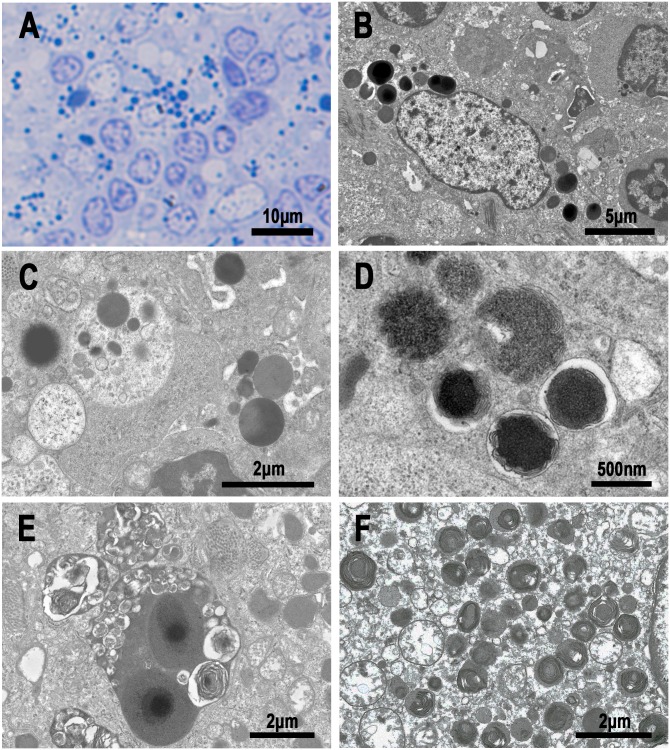
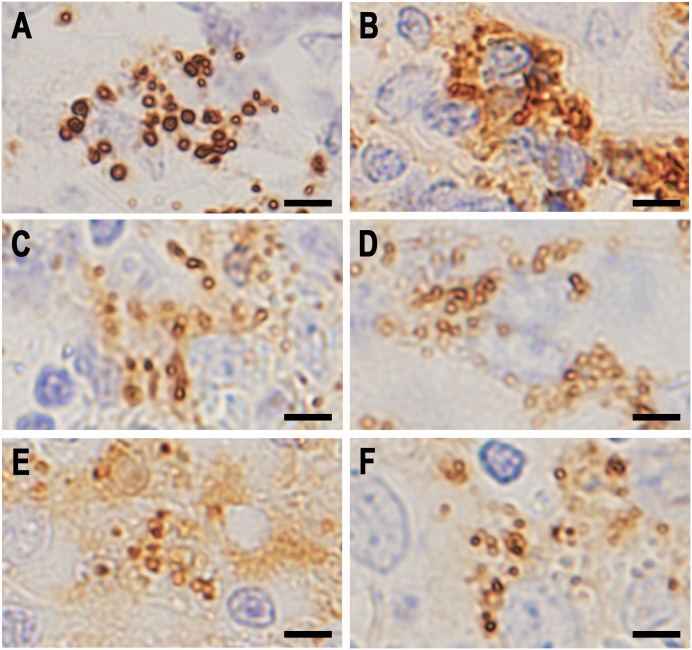
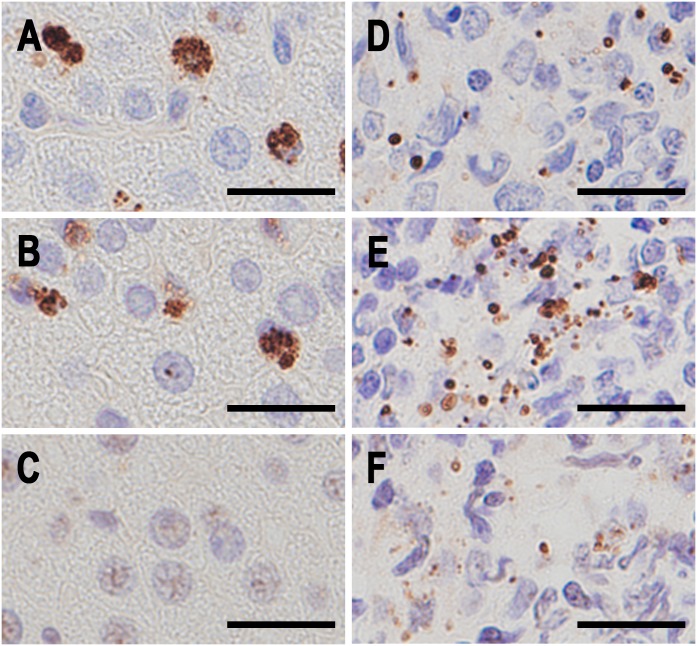
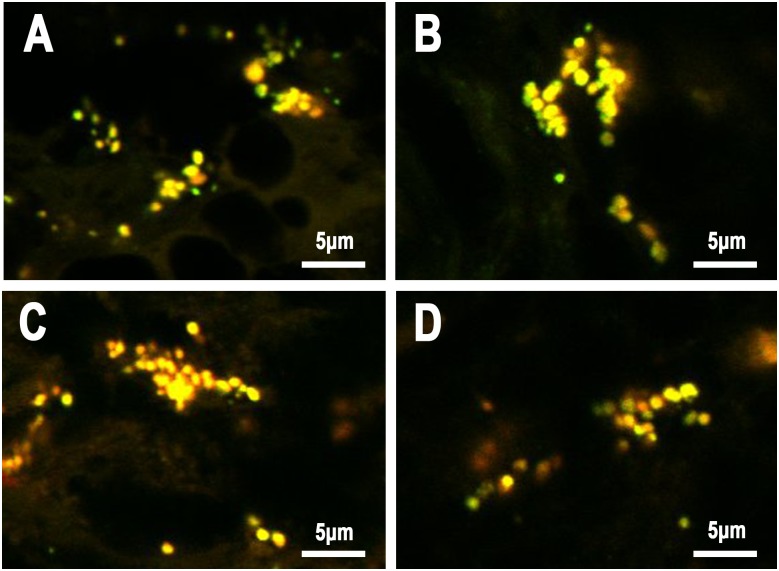
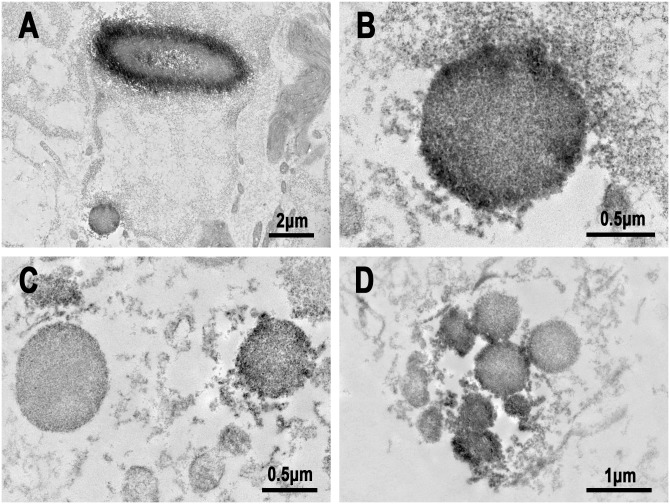
Small round bodies (SRBs) bound to IgA, IgM, or IgG were detected in sinus macrophages, in 32 (84%), 32 (84%), or 11 (29%) sarcoid samples, respectively, and in 19 (21%), 26 (29%), or no (0%) control samples, respectively. Some of these insoluble immune complexes (IICs) also bound to C1q and C3c. We developed a microwave treatment followed by brief trypsin digestion (MT treatment) to detect PAB-reactive SRBs bound to immunoglobulins (IIC-forming P. acnes). MT treatment revealed abundant IIC-forming P. acnes in most (89%) of the sarcoid samples and sparse distribution in some (20%) of the control samples with lymphadenitis, but no IIC-forming P. acnes was detected in control samples without inflammation. IIC-forming P. acnes were mostly bound to both IgA and IgM. The PAB-reactive antigen and immunoglobulins were both located at the peripheral rim of the IIC-forming P. acnes. Conventional electron microscopy identified many SRBs (0.5-2.0 μm diameter) in sinus macrophages of sarcoid lymph nodes with many IIC-forming P. acnes, some of which were in phagolysosomes with a degraded and lamellar appearance.
P. acnes-derived IICs in sinus macrophages were frequent and abundant in sarcoid lymph nodes, suggesting a potential etiologic link between sarcoidosis and this commensal bacterium.
痤疮丙酸杆菌被认为是结节病的致病因子。结节病患者体内存在循环免疫复合物。我们试图在结节病病变中检测痤疮丙酸杆菌衍生的免疫复合物。
我们使用抗人免疫球蛋白(IgG、IgA和IgM)和补体(C1q和C3c)抗体以及一种与痤疮丙酸杆菌膜结合脂磷壁酸反应的痤疮丙酸杆菌特异性单克隆抗体(PAB抗体),通过免疫组织化学对38例结节病患者和90例非结节病患者(27例坏死性淋巴结炎患者、28例反应性淋巴结炎患者、16例结肠癌患者、19例胃癌患者)的福尔马林固定石蜡包埋淋巴结样本进行评估。
在结节病样本中,分别有32例(84%)、3例(84%)或11例(29%)的窦巨噬细胞中检测到与IgA、IgM或IgG结合的小圆体(SRB),而在对照样本中,分别为19例(21%)、26例(29%)或无(0%)。其中一些不溶性免疫复合物(IIC)也与C1q和C3c结合。我们开发了一种微波处理后短暂胰蛋白酶消化(MT处理)的方法来检测与免疫球蛋白结合的PAB反应性SRB(形成IIC的痤疮丙酸杆菌)。MT处理显示,大多数(89%)结节病样本中有大量形成IIC的痤疮丙酸杆菌,在一些(20%)淋巴结炎对照样本中分布稀疏,但在无炎症的对照样本中未检测到形成IIC的痤疮丙酸杆菌。形成IIC的痤疮丙酸杆菌大多同时与IgA和IgM结合。PAB反应性抗原和免疫球蛋白都位于形成IIC的痤疮丙酸杆菌的外周边缘。传统电子显微镜在有许多形成IIC的痤疮丙酸杆菌的结节病淋巴结的窦巨噬细胞中发现了许多SRB(直径0.5 - 2.0μm),其中一些位于具有降解和层状外观的吞噬溶酶体中。
结节病淋巴结窦巨噬细胞中痤疮丙酸杆菌衍生的IIC频繁且丰富,提示结节病与这种共生菌之间可能存在病因学联系。