Teixeira Joana, Santos Maria João, Matos Luís Carlos, Machado Jorge Pereira
ICBAS- Institute of Biomedical Sciences Abel Salazar, University of Porto, 4050-313 Porto, Portugal.
Faculdade de Engenharia da Universidade do Porto, Rua Dr. Roberto Frias, s/n 4200-465 Porto, Portugal.
Medicines (Basel). 2018 Feb 5;5(1):18. doi: 10.3390/medicines5010018.
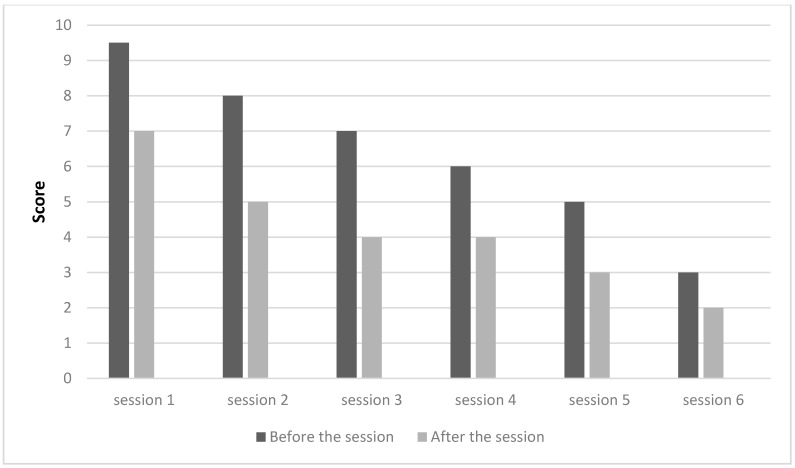
Osteoarthritis is a widespread chronic disease seen as a continuum of clinical occurrences within several phases, which go from synovial inflammation and microscopic changes of bone and cartilage to painful destructive changes of all the joint structures. Being the most common joint disease, it is the leading cause of disability in working individuals above 50 years of age. In some cases, conventional treatments produce just a mild and brief pain reduction and have considerable side-effects. Contemporary Traditional Chinese Medicine (TCM) is a model of systems biology based on a logically accessible theoretical background. It integrates several therapeutic approaches, among them acupuncture, which has shown effective results in the treatment of knee and hip osteoarthritis, minimizing pain, improving functionality and consequently leading to a better quality of life. The present case study included two patients with clinical signs of osteoarthritis and diagnosis of medial pain, as defined by the Heidelberg Model of TCM. Over 6 weeks, those patients were treated with acupuncture, with a frequency of one session a week. The sessions lasted for thirty minutes and were based on the needling of 4 local acupoints. Before and after each session, pain and mobility assessments were performed. The results were positive, with significant reduction of pain and increased knee joint flexion amplitude and mobility. Acupuncture was effective as an alternative or complementary treatment of knee osteoarthritis, with high levels of improvement within a modest intervention period.
骨关节炎是一种广泛存在的慢性疾病,表现为几个阶段的临床症状连续变化,从滑膜炎症以及骨骼和软骨的微观变化,到所有关节结构的疼痛性破坏变化。作为最常见的关节疾病,它是50岁以上在职人员残疾的主要原因。在某些情况下,传统治疗只能产生轻微且短暂的疼痛缓解,并且有相当多的副作用。当代中医是一种基于逻辑上易于理解的理论背景的系统生物学模式。它整合了多种治疗方法,其中包括针灸,针灸已显示出在治疗膝关节和髋关节骨关节炎方面有显著效果,可减轻疼痛、改善功能,从而提高生活质量。本案例研究纳入了两名有骨关节炎临床症状且诊断为内侧疼痛的患者,内侧疼痛由中医海德堡模型定义。在6周的时间里,这些患者接受了针灸治疗,每周一次。每次治疗持续30分钟,基于针刺4个局部穴位。在每次治疗前后,进行疼痛和活动度评估。结果是积极的,疼痛显著减轻,膝关节屈曲幅度和活动度增加。针灸作为膝关节骨关节炎的替代或辅助治疗是有效的,在适度的干预期内有高度的改善。