Kang In-Gu, Park Cheon-Il, Lee Hyun, Kim Hyoun-Ee, Lee Sung-Mi
Department of Materials Science and Engineering, Seoul National University, Seoul 08826, Korea.
Biomedical Implant Convergence Research Center, Advanced Institutes of Convergence Technology, Suwon-si 16229, Korea.
Materials (Basel). 2018 Feb 7;11(2):258. doi: 10.3390/ma11020258.
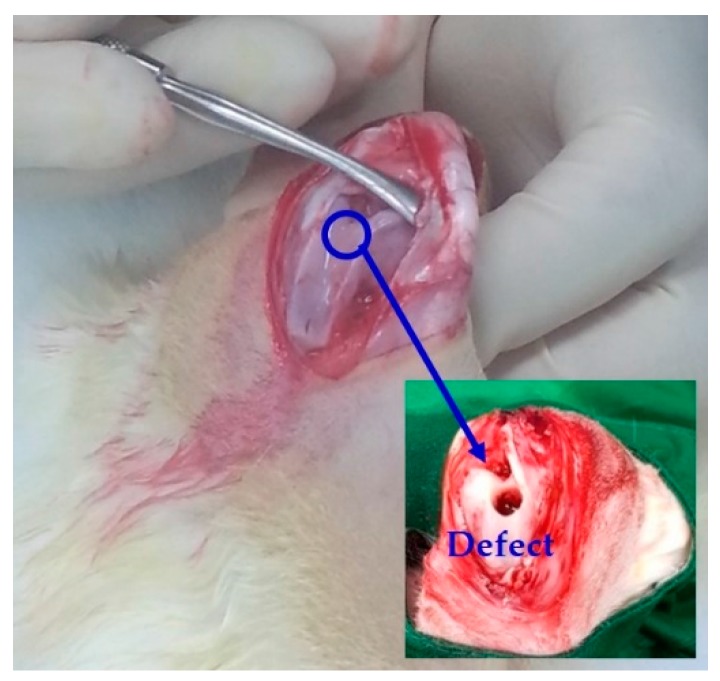
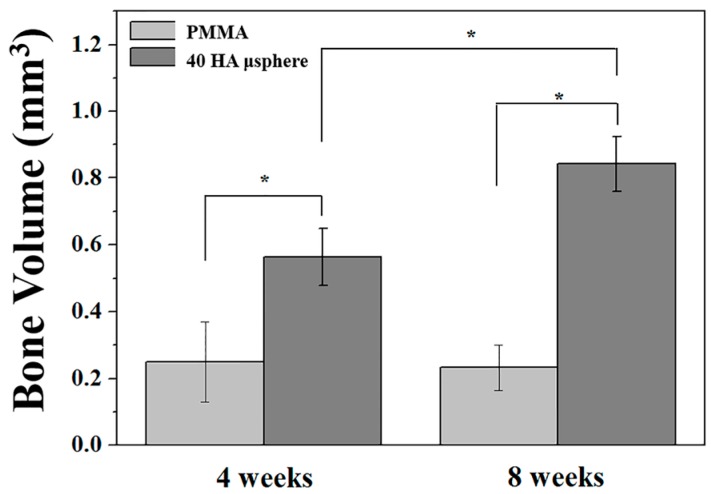
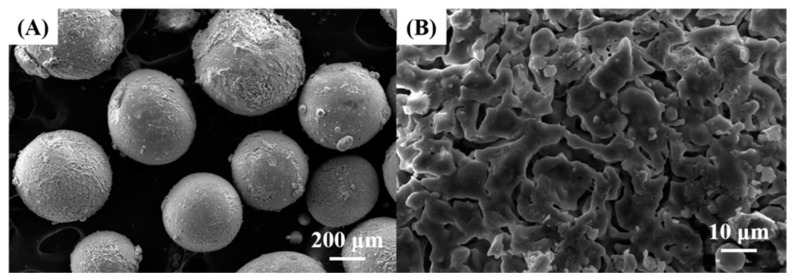
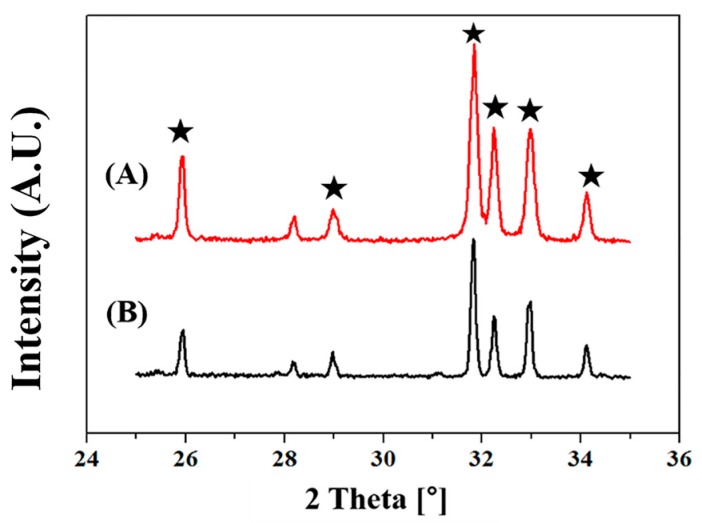
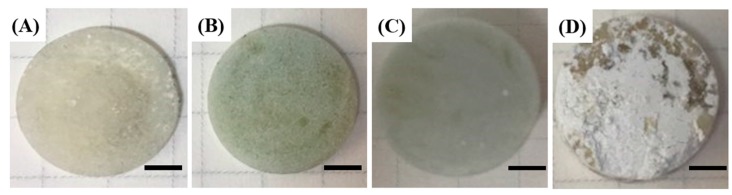
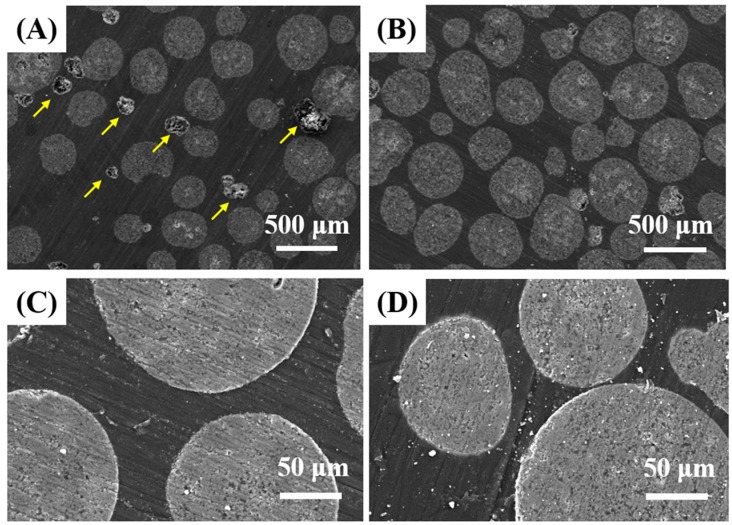
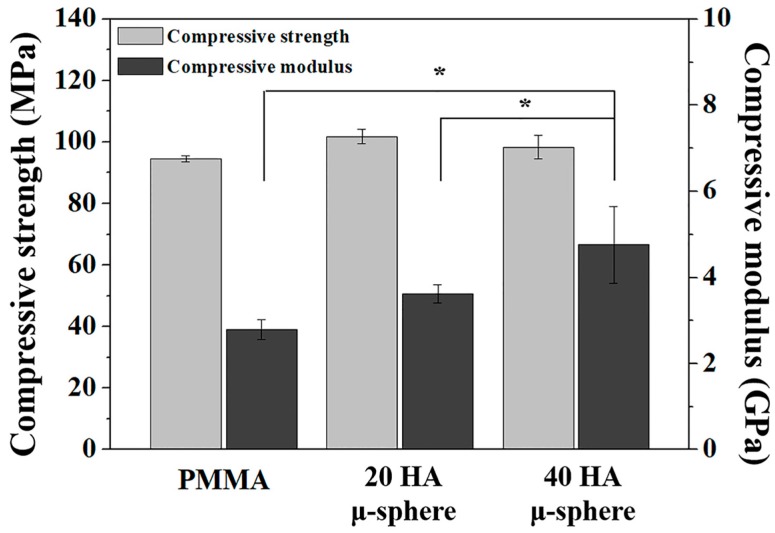
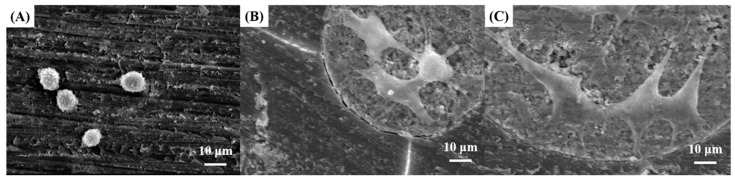
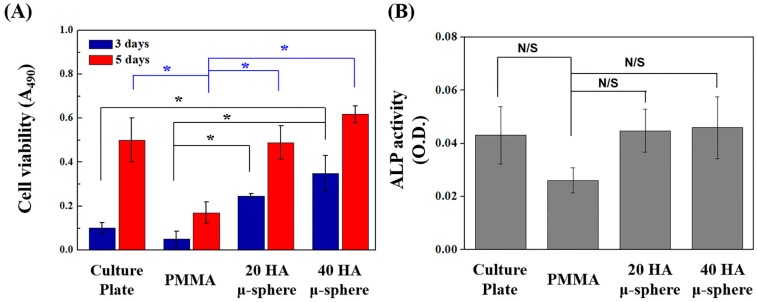
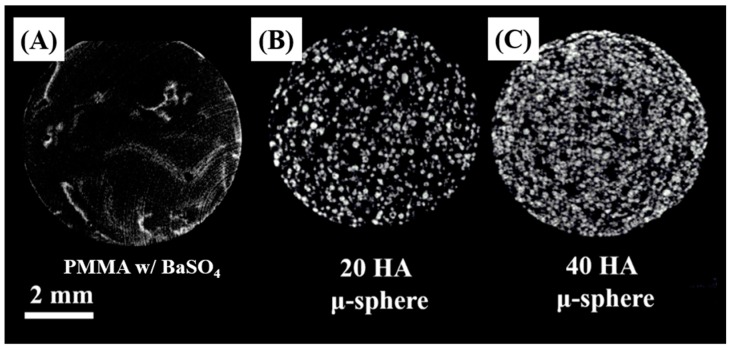
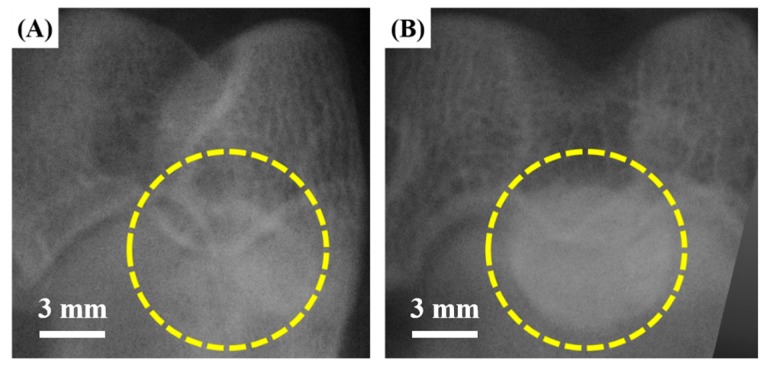
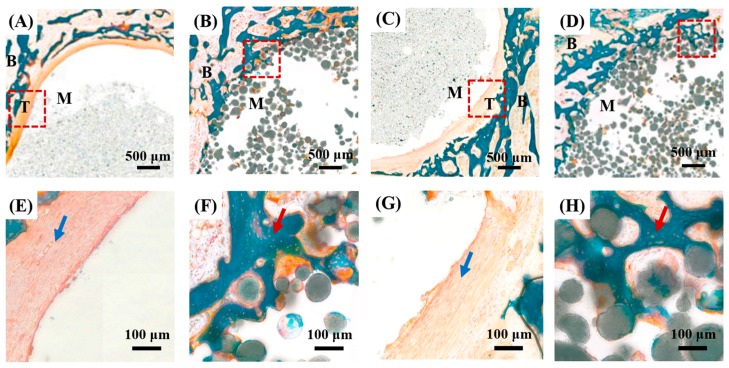
This study demonstrates the utility of hydroxyapatite (HA) microspheres as an additive to enhance the radiopaque properties, biocompatibility, and osteoconductivity of poly(methyl methacrylate) (PMMA)-based bone cements. HA microspheres were synthesized using spray drying. They had well-defined spherical shapes, thus allowing for the production of PMMA/HA composites with a very high HA content (20 vol % and 40 vol %). The uniform distribution of these HA microspheres in the PMMA matrix resulted in a remarkable increase in compressive modulus ( < 0.05), while preserving a reasonably high compressive strength. The PMMA/HA bone cements showed much higher radiopacity than PMMA containing BaSO₄ as the additive. This was attributed to the high HA content up to 40 vol %. In addition, the biocompatibility and osteoconductivity of PMMA/HA bone cements were significantly enhanced compared to those of PMMA bone cements containing BaSO₄, which were assessed using in vitro tests and in vivo animal experiments.
本研究证明了羟基磷灰石(HA)微球作为添加剂的效用,可增强聚甲基丙烯酸甲酯(PMMA)基骨水泥的射线不透性、生物相容性和骨传导性。HA微球通过喷雾干燥合成。它们具有明确的球形形状,因此能够制备具有非常高HA含量(20体积%和40体积%)的PMMA/HA复合材料。这些HA微球在PMMA基体中的均匀分布导致压缩模量显著增加(<0.05),同时保持相当高的压缩强度。与含有硫酸钡(BaSO₄)作为添加剂的PMMA相比,PMMA/HA骨水泥显示出更高的射线不透性。这归因于高达40体积%的高HA含量。此外,通过体外试验和体内动物实验评估,与含有BaSO₄的PMMA骨水泥相比,PMMA/HA骨水泥的生物相容性和骨传导性显著增强。