Skeie Marit S, Klock Kristin S
Department of Clinical Dentistry, Pediatric Dentistry, The Faculty of Medicine, University of Bergen, Aarstadveien 19, N-5009, Bergen, Norway.
Department of Clinical Dentistry, Community Dentistry, The Faculty of Medicine, University of Bergen, Aarstadveien 19, N-5009, Bergen, Norway.
BMC Oral Health. 2018 Feb 7;18(1):20. doi: 10.1186/s12903-018-0478-6.
This systematic review was designed to uncover the most reliable evidence about the effects of caries preventive strategies in children and adolescents of immigrant or low socioeconomic backgrounds.
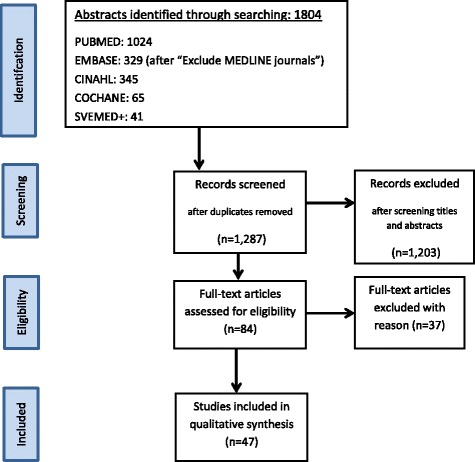
According to pre-determined inclusion and exclusion criteria, relevant articles focusing on underprivileged groups were electronically selected between January1995 and October 2015. The literature search was conducted in five databases; PubMed, Embase, CINAHL, SweMed+ and Cochrane Library. Accepted languages for included articles were English, German and Scandinavian languages. Abstracts and selected articles in full text were read and assessed independently by two review authors. Systematic reviews and meta-analyses were not included. Also articles with topics of water fluoridation and fluoride toothpaste were excluded, this due to all existing evidence of anti-caries effect for disadvantaged groups. The key data about the main characteristics of the study were compiled in tables and a quality grading was performed.
Thirty-seven articles were selected for further evaluation. Supervised toothbrushing for 5-year-old school children was found to be an effective prevention technique for use in underprivileged groups. Also a child/mother approach, targeting nutrition and broad oral health education of mothers showed effectiveness. For older children, a slow-release fluoride device and application of acidulated phosphate fluoride (APF) gel showed to be effective.
On the basis of this review, we maintain that in addition to studies of water fluoridation and fluoride toothpaste, there are other preventive intervention studies providing scientific evidence for caries reduction among children and adolescents with immigrant or low socioeconomic backgrounds.
本系统评价旨在揭示关于龋齿预防策略对移民或社会经济背景低下的儿童及青少年影响的最可靠证据。
根据预先确定的纳入和排除标准,于1995年1月至2015年10月间通过电子方式筛选聚焦于弱势群体的相关文章。文献检索在五个数据库中进行,即PubMed、Embase、CINAHL、SweMed+和Cochrane图书馆。纳入文章的可接受语言为英语、德语和斯堪的纳维亚语。两名综述作者独立阅读并评估摘要及全文选出的文章。不包括系统评价和荟萃分析。此外,由于已有关于弱势群体防龋效果的所有证据,涉及水氟化和含氟牙膏主题的文章也被排除。将研究主要特征的关键数据整理成表格并进行质量分级。
37篇文章被选作进一步评估。发现对5岁学童进行监督刷牙是一种适用于弱势群体的有效预防技术。针对母亲的营养和广泛口腔健康教育的儿童/母亲干预方法也显示出有效性。对于年龄较大的儿童,缓释氟装置和应用酸化磷酸氟(APF)凝胶显示有效。
基于本综述,我们认为除了水氟化和含氟牙膏的研究外,还有其他预防干预研究为降低移民或社会经济背景低下的儿童及青少年龋齿提供了科学证据。