Linnebank Floris E, Kindt Merel, de Wit Sanne
Department of Clinical Psychology, Amsterdam Brain and Cognition Center, University of Amsterdam, Nieuwe Achtergracht 129-B, 1087 AW, Amsterdam, Netherlands.
Learn Behav. 2018 Sep;46(3):306-319. doi: 10.3758/s13420-018-0313-6.
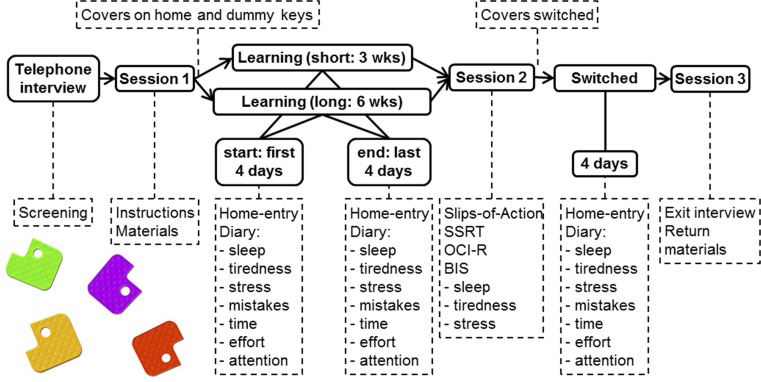
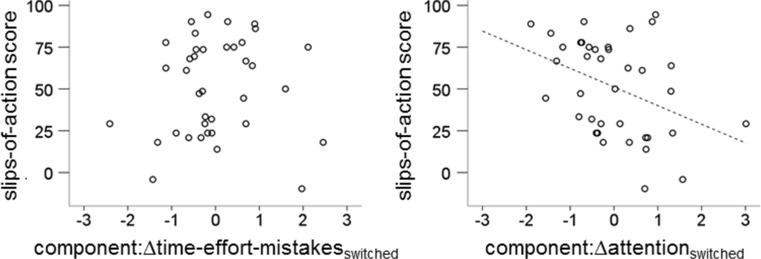
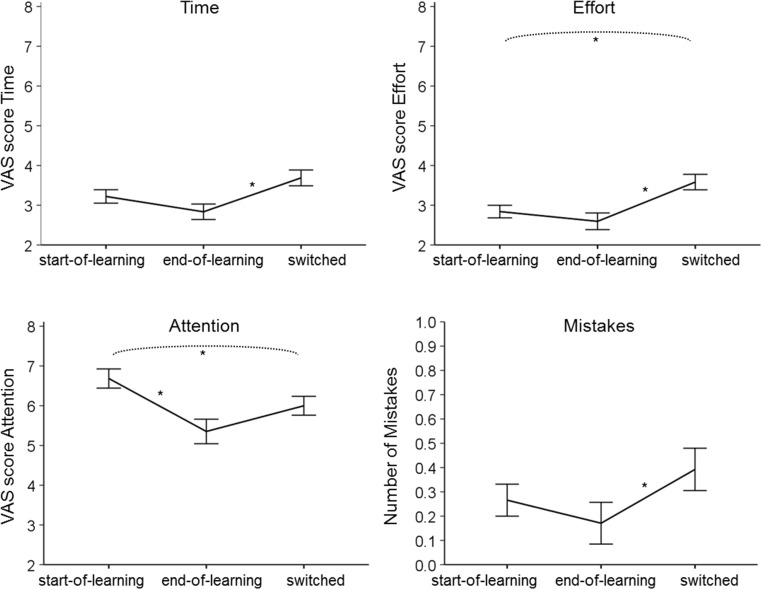
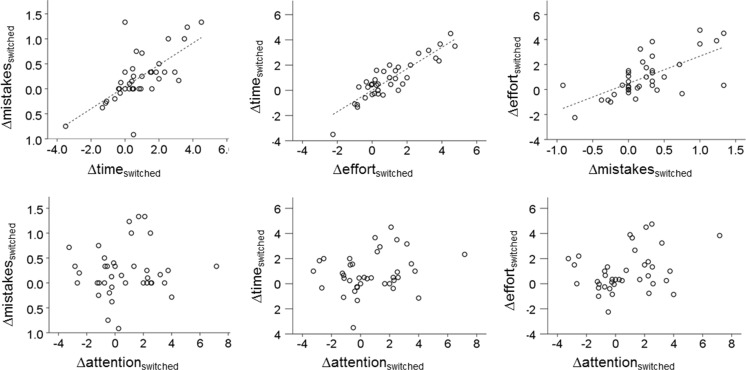
Do people differ in their propensity to form habits? The current study related individual differences in habitual performance on the slips-of-action task to habit formation in real life. To this end, we developed a novel key-cover procedure that controls for the amount of repetition and motivation within a naturalistic setting. Participants received a key cover for the key to their home, which after several weeks was switched with a key cover that was previously attached to a dummy key. Participants recorded effort, time, attention, and mistakes in the key-selection process. Results were in line with established properties of habits, as attention decreased in the learning phase, yet effort, time, and mistakes increased after the key-cover switch. Performance on the slips-of-action task correlated negatively with changes in attention in the real-life key-cover task. This negative correlation may reflect that flexible behavioral adjustment requires more attention in people with a relatively weak goal-directed system.
人们形成习惯的倾向是否存在差异?当前的研究将在行动失误任务中的习惯性表现的个体差异与现实生活中的习惯形成联系起来。为此,我们开发了一种新颖的钥匙套程序,该程序在自然主义环境中控制重复量和动机。参与者收到了他们家门钥匙的钥匙套,几周后,这个钥匙套被换成了之前附在假钥匙上的钥匙套。参与者记录了钥匙选择过程中的努力程度、时间、注意力和失误情况。结果与习惯的既定特性相符,因为在学习阶段注意力下降,但在钥匙套更换后,努力程度、时间和失误增加。行动失误任务的表现与现实生活中钥匙套任务的注意力变化呈负相关。这种负相关可能反映出,在目标导向系统相对较弱的人中,灵活的行为调整需要更多的注意力。