Novartis Pharma AG, Postfach CH-4002, Basel, Switzerland.
Curr Drug Targets. 2018;19(16):1882-1896. doi: 10.2174/1389450119666180212120012.
Asthma and COPD are complex, heterogeneous conditions comprising a wide range of phenotypes, some of which are refractory to currently available treatments. Elucidation of these phenotypes and identification of biomarkers with which to recognize them and guide appropriate treatment remain a priority.
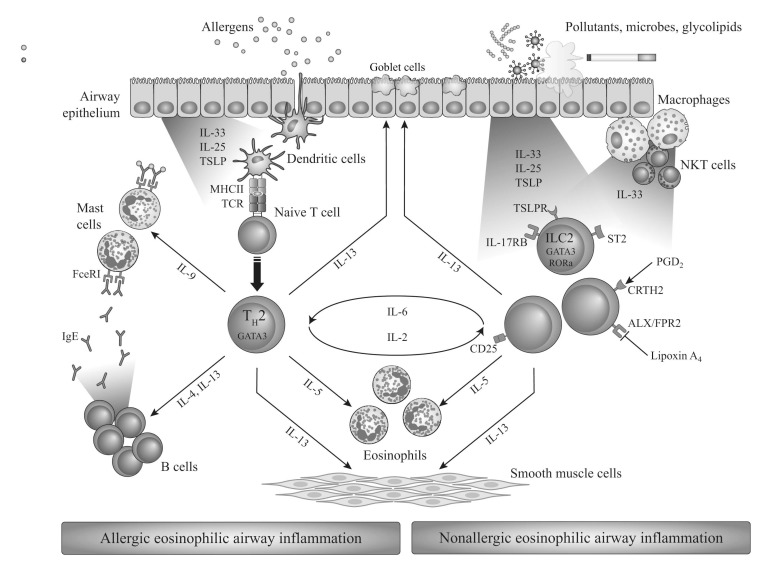
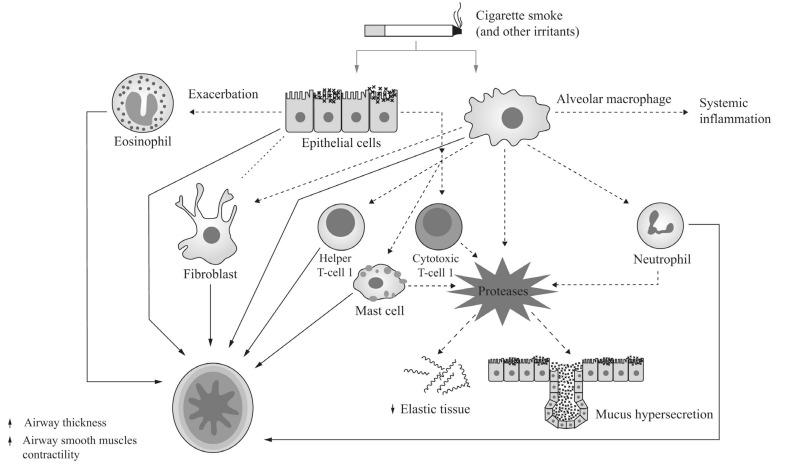
This review describes the utility of blood eosinophils as a surrogate biomarker of eosinophilic airway inflammation, a common feature of specific asthma and COPD phenotypes. The role of blood eosinophils in airway disease is described, as is their relevance in reflecting airway eosinophilia. Each disease is discussed separately as the manner in which blood eosinophils might be used as biomarkers differs. Focusing on patients with severe disease (persistent eosinophilic asthma and exacerbating COPD), we evaluate evidence examining eosinophils as biomarkers.
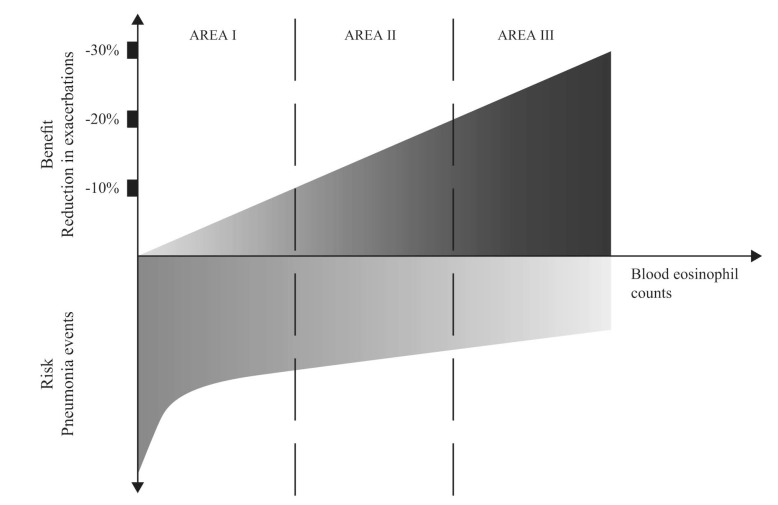
In asthma, the rationale for using blood eosinophils to guide treatment is clearly defined, backed by prospective, well-controlled studies. Higher eosinophil counts identify patients with more severe disease and poorer outcomes, patients for whom biologic therapies targeting allergic and/or eosinophilic pathways are recommended. In COPD, the evidence is less robust. High blood eosinophil counts are a modest predictor of future exacerbations, and may predict a favourable response to ICS on top of LABA/LAMA, especially in patients with a history of frequent exacerbations.
Before extensive application in clinical practice, further evaluation of these findings in prospective clinical studies, and standardization of the appropriate thresholds of clinically relevant eosinophilia are needed, together with establishing whether single or multiple measurements are required in different clinical settings.
哮喘和 COPD 是复杂的、异质的疾病,包含广泛的表型,其中一些对目前可用的治疗方法具有抗性。阐明这些表型并确定可识别它们并指导适当治疗的生物标志物仍然是当务之急。
本综述描述了血液嗜酸性粒细胞作为嗜酸性气道炎症替代生物标志物的效用,这是特定哮喘和 COPD 表型的共同特征。描述了血液嗜酸性粒细胞在气道疾病中的作用及其在反映气道嗜酸性粒细胞中的相关性。分别讨论每种疾病,因为血液嗜酸性粒细胞作为生物标志物的使用方式不同。重点关注严重疾病(持续性嗜酸性哮喘和恶化性 COPD)患者,我们评估了检查血液嗜酸性粒细胞作为生物标志物的证据。
在哮喘中,使用血液嗜酸性粒细胞指导治疗的原理已得到明确界定,并得到前瞻性、良好对照研究的支持。较高的嗜酸性粒细胞计数可识别出疾病更严重和预后更差的患者,这些患者推荐使用针对过敏和/或嗜酸性途径的生物疗法。在 COPD 中,证据不那么充分。高血液嗜酸性粒细胞计数是未来加重的适度预测指标,并且可能预测在 LABA/LAMA 基础上加用 ICS 的有利反应,尤其是在有频繁加重史的患者中。
在广泛应用于临床实践之前,需要在前瞻性临床研究中进一步评估这些发现,并标准化适当的临床相关嗜酸性粒细胞阈值,同时确定在不同临床环境中是否需要单次或多次测量。