Xie Yong, Ma Xinxin, Liu Xujie, Long Qingming, Wang Yu, Yao Youwei, Cai Qiang
Graduate School at Shenzhen, Tsinghua University, Shenzhen 518055, China.
State Key Laboratory of New Ceramics and Fine Processing, School of Materials Science and Engineering, Tsinghua University, Beijing 100084, China.
Materials (Basel). 2018 Feb 11;11(2):281. doi: 10.3390/ma11020281.
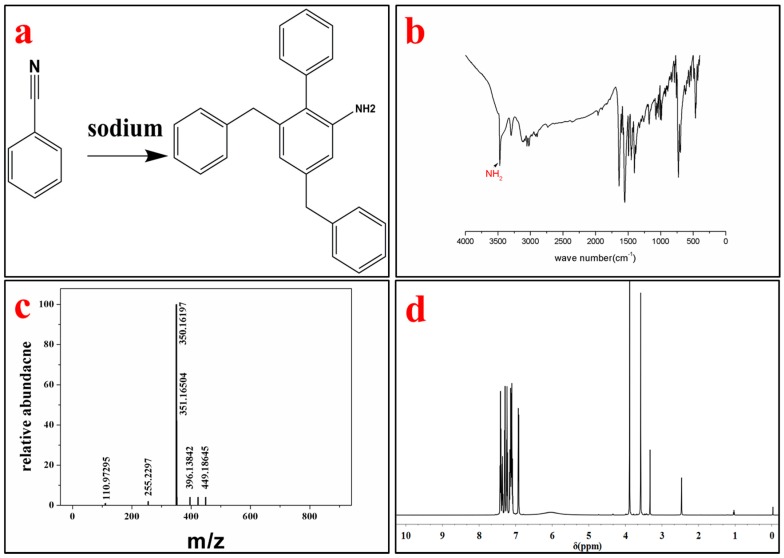
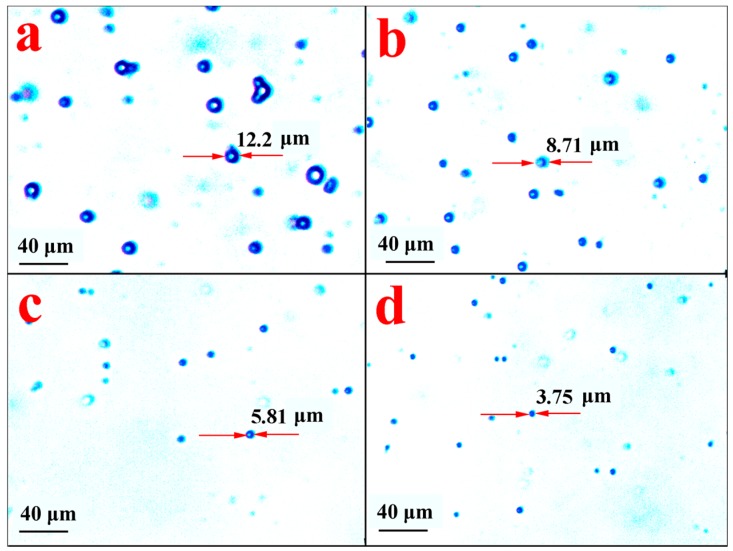
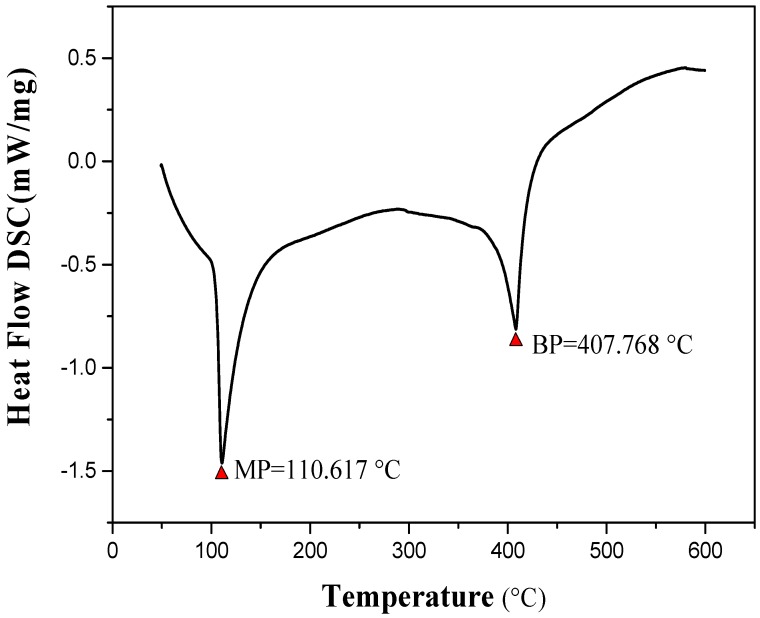
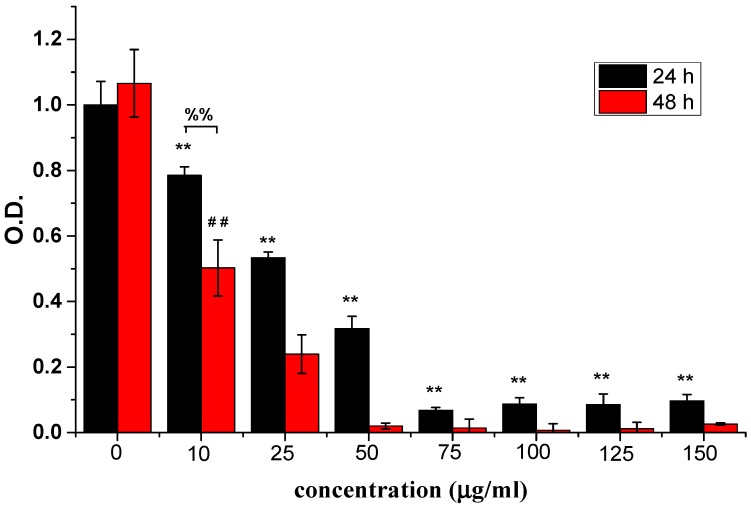
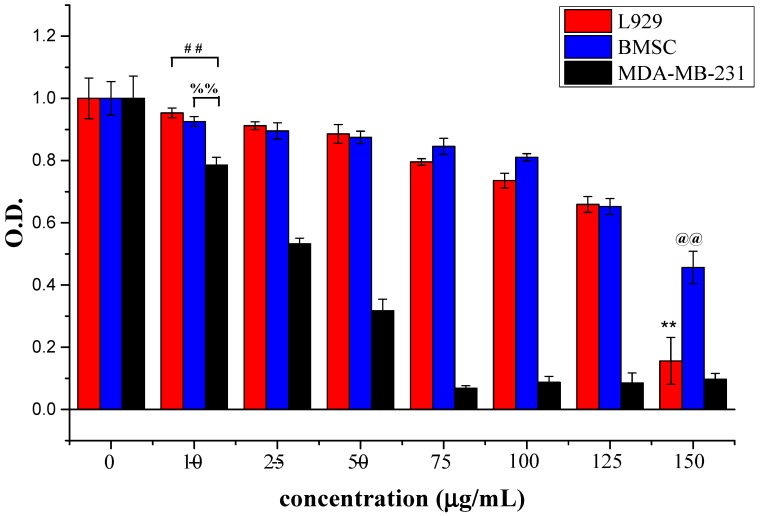
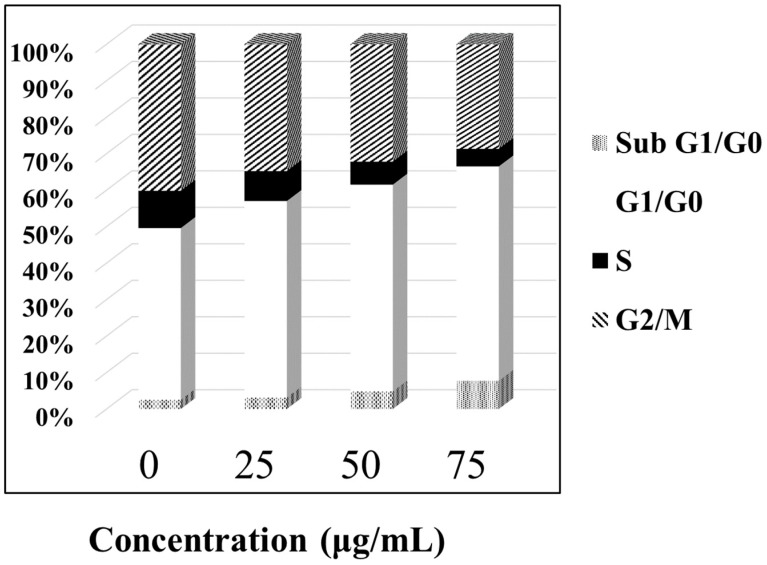
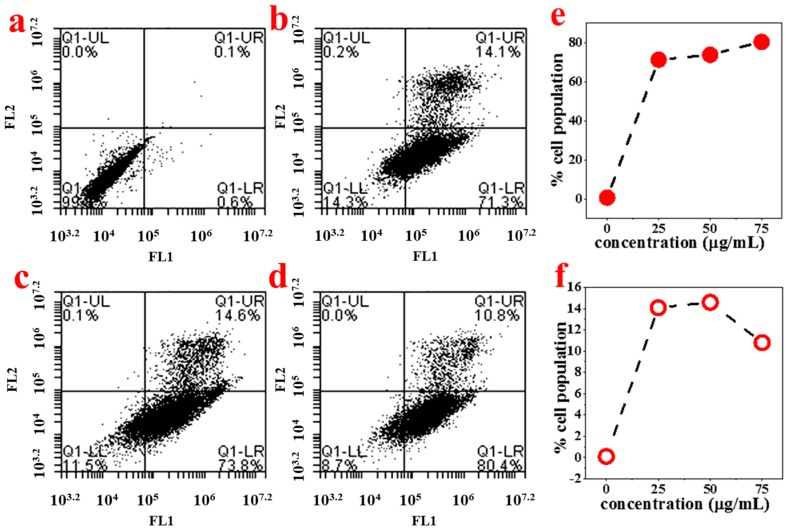
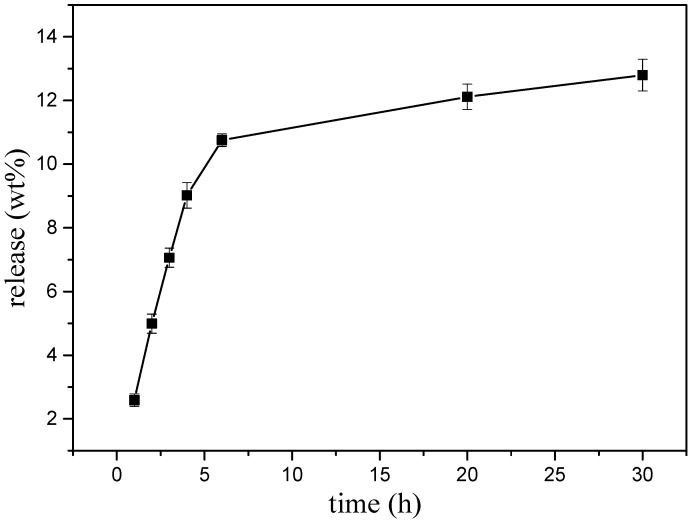
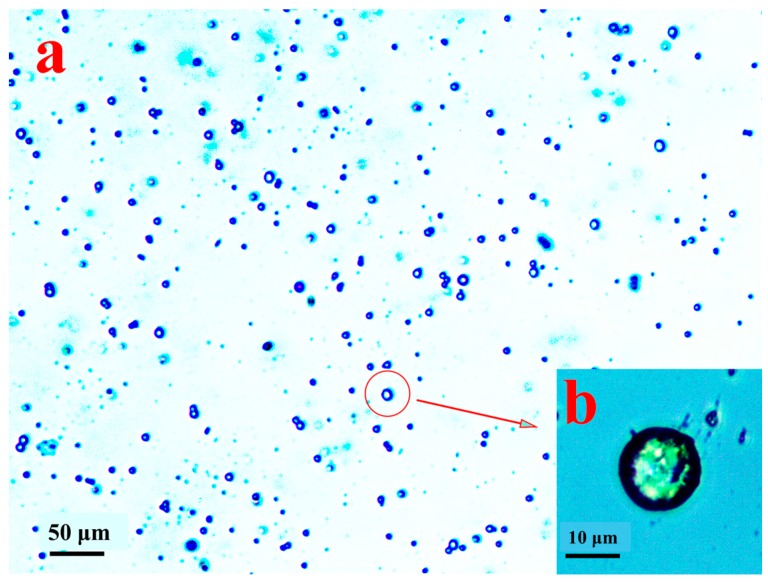
There are several challenges involved in the development of effective anti-cancer drugs, including accurate drug delivery without toxic side effects. Possible systemic toxicity and the rapid biodegradation of drug carriers are potential risks in the use of carriers for drug-delivery formulations. Therefore, the carrier-free drug delivery of an anti-cancer drug is desirable. Herein, 4-amino-2-benzyl-6-methylpyrimidine (ABMP) was synthesized via a new method using a sodium catalyst, and proved to be effective in inducing breast cancer cell (MDA-MB-231) apoptosis. Moreover, the transparent amorphous state solid of ABMP was demonstrated to have a slow-release property in phosphate buffer solution (PBS). Microspheres of ABMP were prepared with diameters in the range of 5-15 μm. The slow-release property of the ABMP microspheres indicated their potential use for controlled-release drug delivery. We believe that microspheres of ABMP have potential as a new kind of carrier-free anti-cancer drug delivery system.
开发有效的抗癌药物面临诸多挑战,包括无毒性副作用的精准药物递送。药物载体可能存在的全身毒性和快速生物降解是药物递送制剂使用载体时的潜在风险。因此,抗癌药物的无载体药物递送是理想的。在此,通过使用钠催化剂的新方法合成了4-氨基-2-苄基-6-甲基嘧啶(ABMP),并证明其在诱导乳腺癌细胞(MDA-MB-231)凋亡方面有效。此外,ABMP的透明无定形固体在磷酸盐缓冲溶液(PBS)中具有缓释特性。制备了直径在5-15μm范围内的ABMP微球。ABMP微球的缓释特性表明它们在控释药物递送方面具有潜在用途。我们认为ABMP微球有潜力成为一种新型的无载体抗癌药物递送系统。