School of Pharmacy, College of Pharmacy, Kaohsiung Medical University, Kaohsiung, Taiwan.
Chinese Medicine Department, Ditmanson Medical Foundation, Chiayi Christian Hospital, Chiayi City, Taiwan.
Int J Nanomedicine. 2018 Jan 31;13:669-680. doi: 10.2147/IJN.S154824. eCollection 2018.
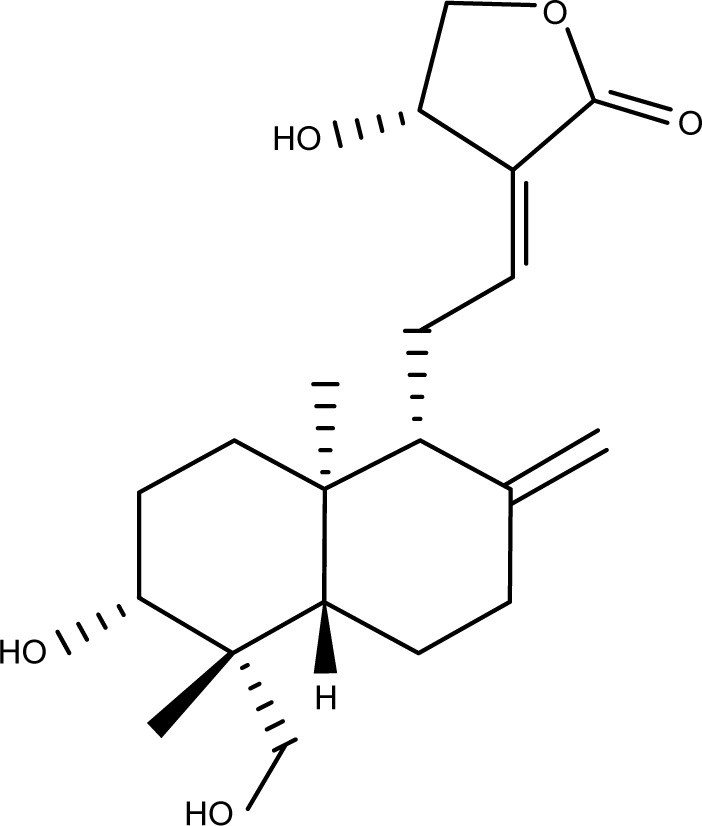
Andrographolide (AG), a compound with low water solubility, possesses various pharmacological activities, particularly anti-inflammatory activity. However, its low oral bioavailability is a major obstacle to its potential use. This study developed and optimized an AG-loaded nanoemulsion (AG-NE) formulation to improve AG oral bioavailability and its protective effects against inflammatory bowel disease.
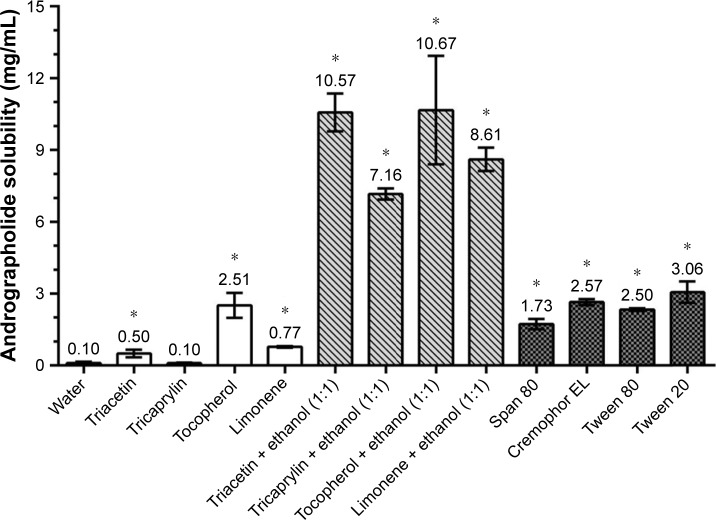
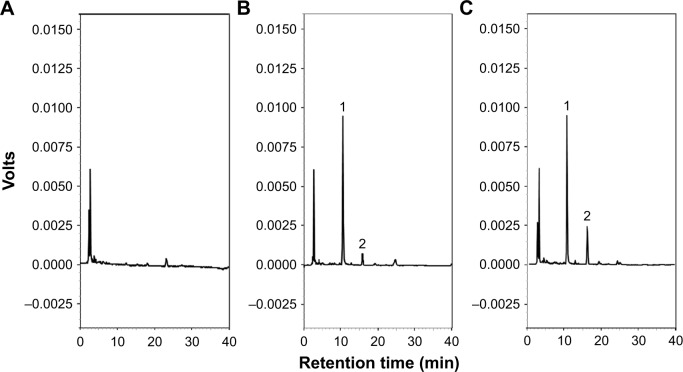
A high-pressure homogenization technique was used to prepare the AG-NE and solubility, viscosity, and droplet size tests were conducted to develop the optimized AG-NE composed of α-tocopherol, ethanol, Cremophor EL, and water. The permeability was assessed using everted rat gut sac method and in vivo absorption and anti-inflammatory effect in rats was also evaluated. The plasma concentration of AG was determined using our validated high performance liquid chromatography method, which was used to generate a linear calibration curve over the concentration range of 0.1-25 μg/mL in rat plasma (>0.999).
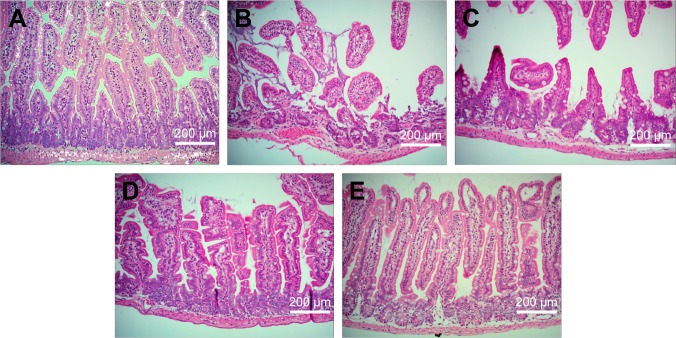
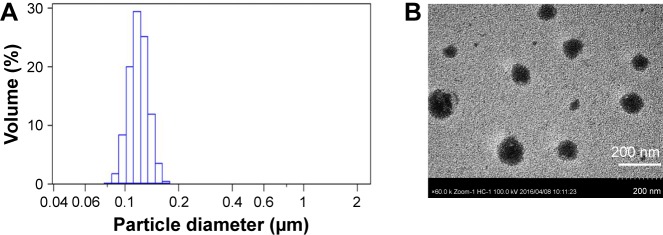
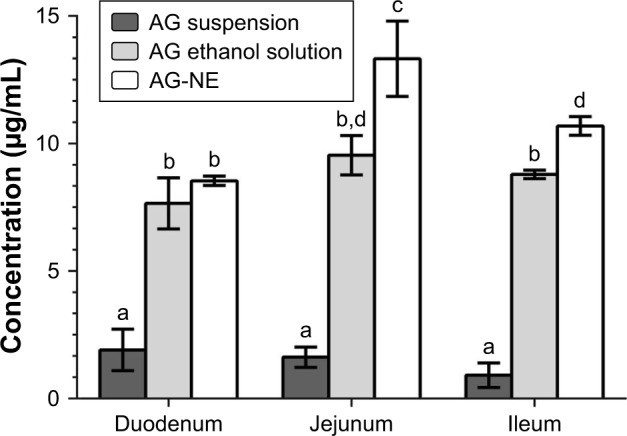
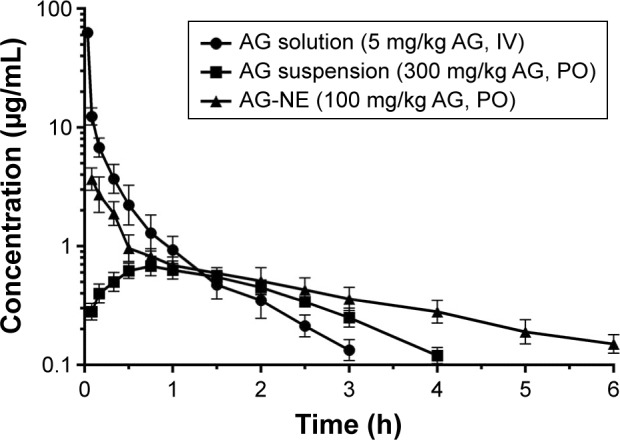
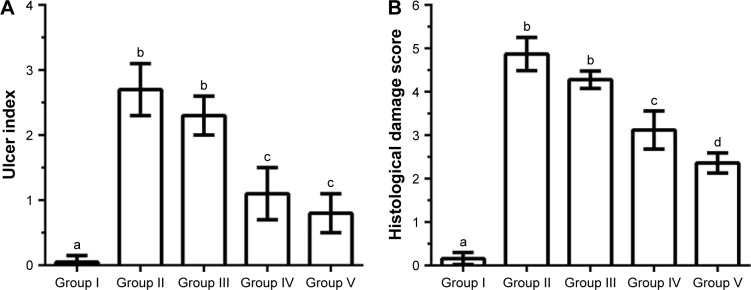
The optimized AG-NE had a droplet size of 122±11 nm confirmed using transmission electron microscopy and a viscosity of 28 centipoise (cps). It was stable at 4 and 25°C for 90 days. An ex vitro intestinal permeability study indicated that the jejunum was the optimal site for AG absorption from the optimized AG-NE, which was 8.21 and 1.40 times higher than that from an AG suspension and AG ethanol solution, respectively. The pharmacokinetic results indicate that the absorption of AG from AG-NE was significantly enhanced in comparison with that from the AG suspension, with a relative bioavailability of 594.3%. Moreover, the ulcer index and histological damage score of mice with indomethacin-induced intestinal lesions were significantly reduced by AG-NE pretreatment.
We conclude that the developed AG-NE not only enhanced the oral bioavailability of AG in this study but may also prove to be an effective formulation of AG for preventing gastrointestinal inflammatory disorders.
穿心莲内酯(AG)是一种水溶性低的化合物,具有多种药理活性,特别是抗炎活性。然而,其口服生物利用度低是其潜在应用的主要障碍。本研究开发并优化了载穿心莲内酯的纳米乳(AG-NE)制剂,以提高 AG 的口服生物利用度及其对炎症性肠病的保护作用。
采用高压匀质技术制备 AG-NE,并进行溶解度、粘度和粒径测试,开发由α-生育酚、乙醇、吐温 80 和水组成的优化 AG-NE。采用外翻肠囊法评价其渗透性,同时在大鼠体内评价其吸收和抗炎作用。采用我们验证的高效液相色谱法测定 AG 的血药浓度,该方法在大鼠血浆中(>0.999)AG 的浓度范围为 0.1-25μg/mL 时生成线性校准曲线。
优化的 AG-NE 的粒径为 122±11nm,透射电镜观察证实,粘度为 28 厘泊(cps)。在 4°C 和 25°C 下稳定 90 天。体外肠渗透研究表明,优化的 AG-NE 中 AG 从空肠吸收最佳,分别是 AG 混悬液和 AG 乙醇溶液的 8.21 和 1.40 倍。药代动力学结果表明,与 AG 混悬液相比,AG-NE 中 AG 的吸收明显增强,相对生物利用度为 594.3%。此外,AG-NE 预处理可显著降低吲哚美辛诱导的小鼠肠损伤的溃疡指数和组织学损伤评分。
我们得出结论,所开发的 AG-NE 不仅在本研究中增强了 AG 的口服生物利用度,而且可能成为预防胃肠道炎症性疾病的有效 AG 制剂。