Genç Erdinç, Beytemur Ozan, Yuksel Serdar, Eren Yılmaz, Çağlar Aysel, Küçükyıldırım Bedri Onur, Güleç Mehmet Akif
Mengucek Gazi Training and Research Hospital, Department of Orthopedics and Traumatology, Erzincan, Turkey.
Bağcılar Training and Research Hospital, Department of Orthopedics and Traumatology, İstanbul, Turkey.
Acta Orthop Traumatol Turc. 2018 May;52(3):226-231. doi: 10.1016/j.aott.2018.01.005. Epub 2018 Feb 15.
The aim of this study to evaluate the effects of autologous conditioned serum (ACS) on the healing of transected rat Achilles tendons via the assessment of biomechanical and histological parameters.
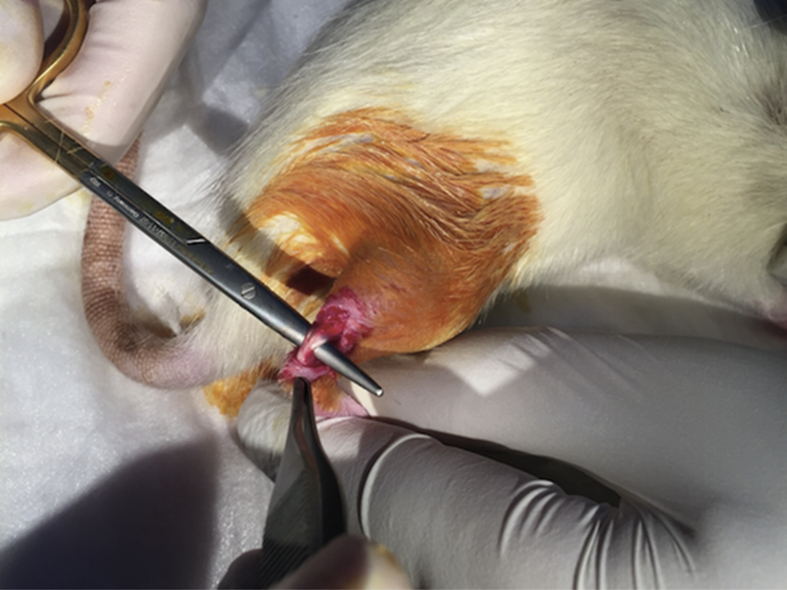
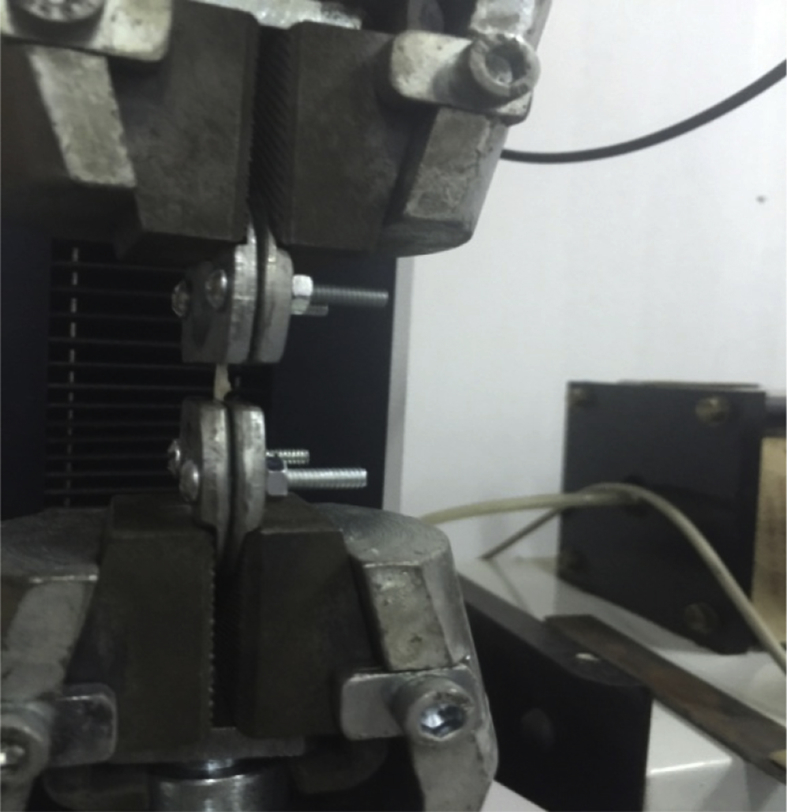
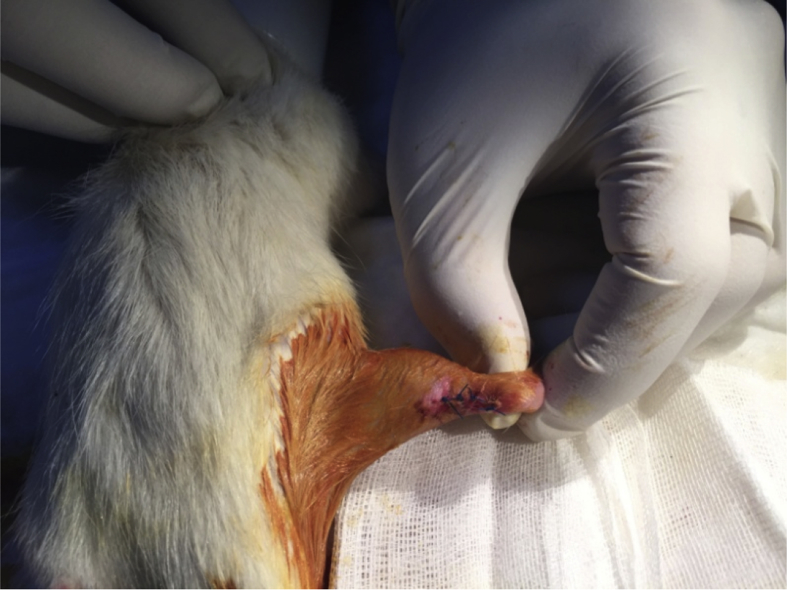
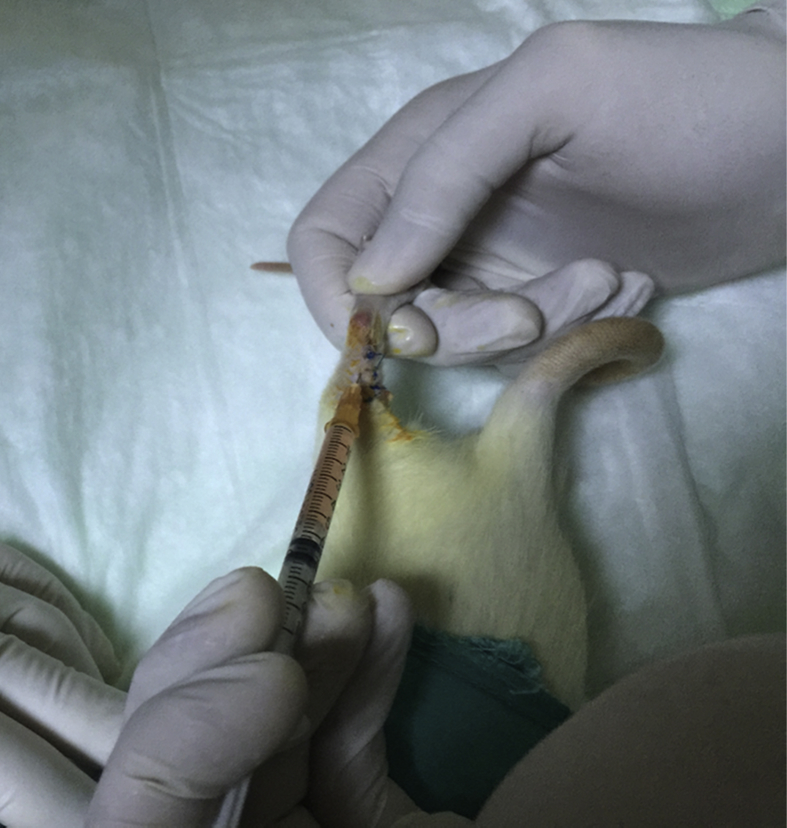
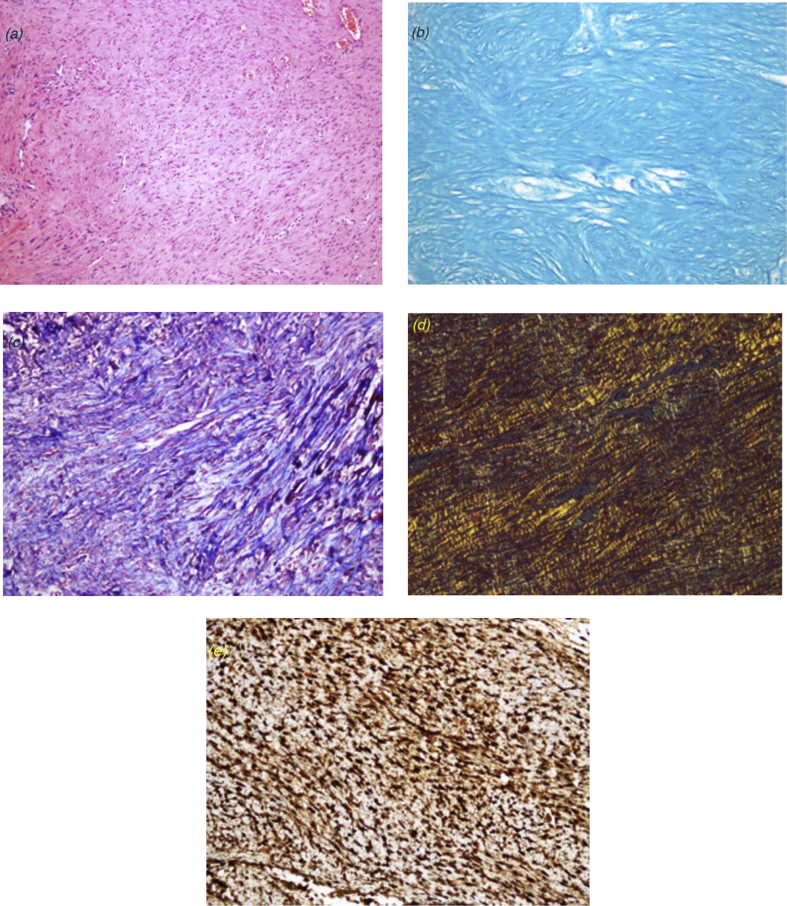
The study was conducted on 45 male Sprague-Dawley rats. Five rats were used as donors for ACS preparation. Animals were randomly assigned to the experimental or control group. In both groups, the Achilles tendon was cut transversally and then sutured. In the placebo control and ACS-treated groups, saline or ACS, respectively, was injected into the repair zone three times after surgery. Ten rats from each group (ACS group, n = 20; control group, n = 20) were euthanized at days 15 and 30 after surgery for histopathological (n = 5) and biomechanical (n = 5) testing. The histopathological findings were interpreted using the Bonar and Movin scales. Tendon remodelling was evaluated via the immunohistochemical staining of collagen type 3. Biomechanical effects were assessed by tensile testing.
The Bonar and Movin scale scores were significantly better in the ACS-treated group on both day 15 (p = 0.003 and p = 0.003, respectively) and day 30 (p = 0.005 and p = 0.004, respectively). The immunohistochemical density of collagen type 3 was significantly lower in the ACS-treated group on day 30 (p = 0.018). The type 1/3 collagen ratios of the groups were similar on days 15 and 30, as determined by Sirius Red staining (p = 0.910 and p = 0.133, respectively). In the biomechanical assessment results, the ACS-treated group's maximum load to failure values were significantly higher on day 15 (p = 0.049).
Injection of ACS had a positive effect on the histopathological healing of rat Achilles tendons on days 15 and 30 and on biomechanical healing on day 15. ACS treatment contributed to lowering the collagen type 3 density by day 30. According to our study, ACS may be favourable for the treatment of human Achilles tendon injuries and tendinopathies.
本研究旨在通过评估生物力学和组织学参数,来评价自体条件血清(ACS)对大鼠跟腱横断伤愈合的影响。
对45只雄性Sprague-Dawley大鼠进行研究。5只大鼠作为制备ACS的供体。将动物随机分为实验组或对照组。两组均横断跟腱然后缝合。在安慰剂对照组和ACS治疗组中,术后分别向修复区域注射生理盐水或ACS三次。每组10只大鼠(ACS组,n = 20;对照组,n = 20)在术后第15天和第30天安乐死,用于组织病理学(n = 5)和生物力学(n = 5)测试。组织病理学结果采用博纳尔(Bonar)和莫文(Movin)量表进行解读。通过对Ⅲ型胶原进行免疫组织化学染色来评估肌腱重塑。通过拉伸试验评估生物力学效应。
在第15天(分别为p = 0.003和p = 0.003)和第30天(分别为p = 0.005和p = 0.004),ACS治疗组的博纳尔和莫文量表评分均显著更好。在第30天,ACS治疗组Ⅲ型胶原的免疫组织化学密度显著更低(p = 0.018)。通过天狼星红染色测定,两组在第15天和第30天的Ⅰ/Ⅲ型胶原比率相似(分别为p = 0.910和p = 0.133)。在生物力学评估结果中,ACS治疗组在第15天的最大破坏负荷值显著更高(p = 0.049)。
注射ACS对大鼠跟腱在第15天和第30天的组织病理学愈合以及第15天的生物力学愈合有积极作用。到第30天,ACS治疗有助于降低Ⅲ型胶原密度。根据我们的研究,ACS可能有利于治疗人类跟腱损伤和肌腱病。