Zhou Shanglin, Yu Yuguo
State Key Laboratory of Medical Neurobiology, School of Life Science and the Collaborative Innovation Center for Brain Science, Institutes of Brain Science, Center for Computational Systems Biology, Fudan University, Shanghai, China.
Front Neurosci. 2018 Feb 2;12:46. doi: 10.3389/fnins.2018.00046. eCollection 2018.
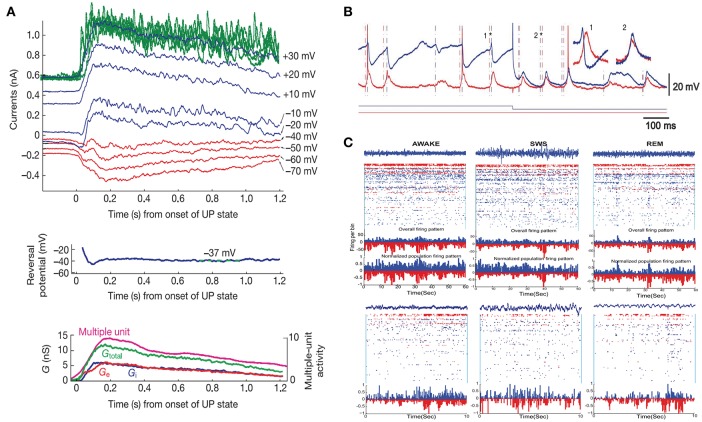
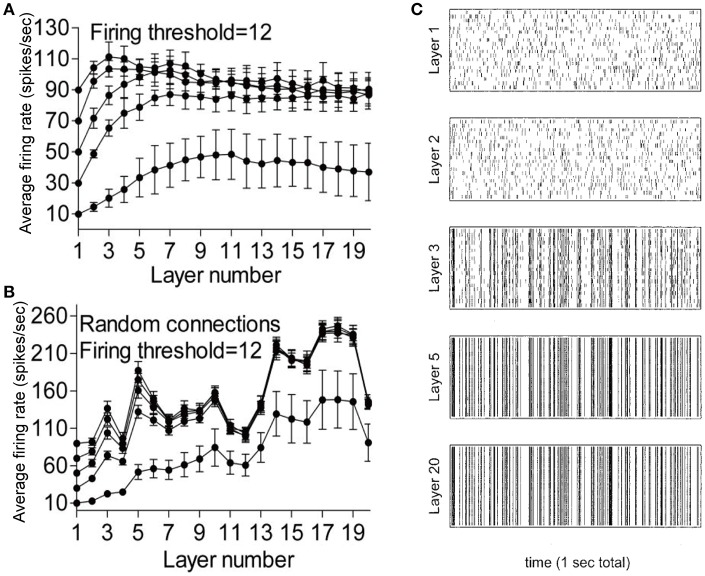
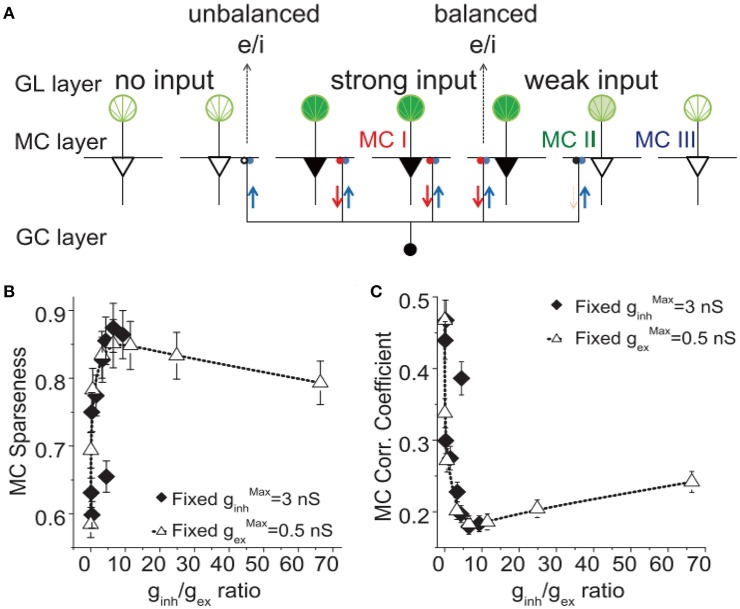
Both theoretical and experimental evidence indicate that synaptic excitation and inhibition in the cerebral cortex are well-balanced during the resting state and sensory processing. Here, we briefly summarize the evidence for how neural circuits are adjusted to achieve this balance. Then, we discuss how such excitatory and inhibitory balance shapes stimulus representation and information propagation, two basic functions of neural coding. We also point out the benefit of adopting such a balance during neural coding. We conclude that excitatory and inhibitory balance may be a fundamental mechanism underlying efficient coding.
理论和实验证据均表明,在静息状态和感觉处理过程中,大脑皮层中的突触兴奋和抑制处于良好平衡状态。在此,我们简要总结关于神经回路如何进行调节以实现这种平衡的证据。然后,我们讨论这种兴奋性和抑制性平衡如何塑造刺激表征和信息传播,这是神经编码的两个基本功能。我们还指出在神经编码过程中采用这种平衡的益处。我们得出结论,兴奋性和抑制性平衡可能是高效编码背后的一种基本机制。