Department of Biology, University of Iowa, Iowa City, IA 52242.
eNeuro. 2018 Feb 19;5(1). doi: 10.1523/ENEURO.0362-17.2018. eCollection 2018 Jan-Feb.
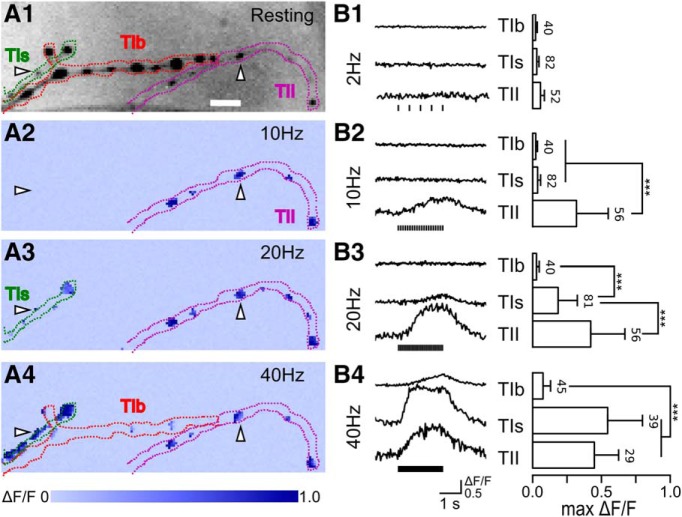
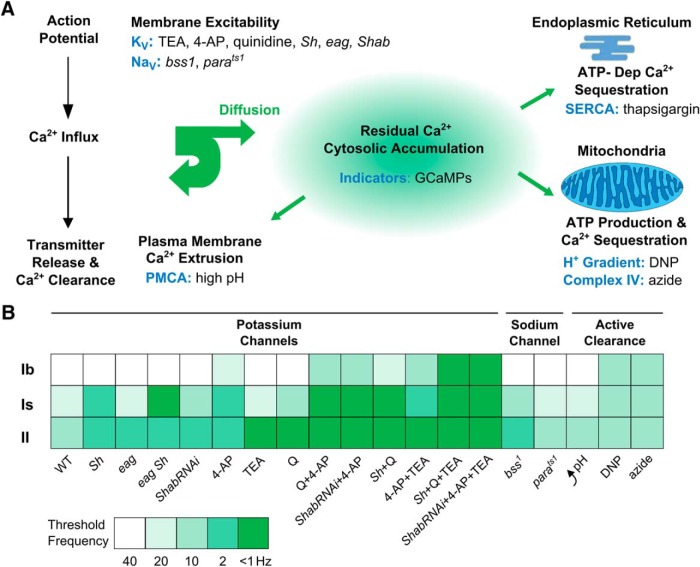
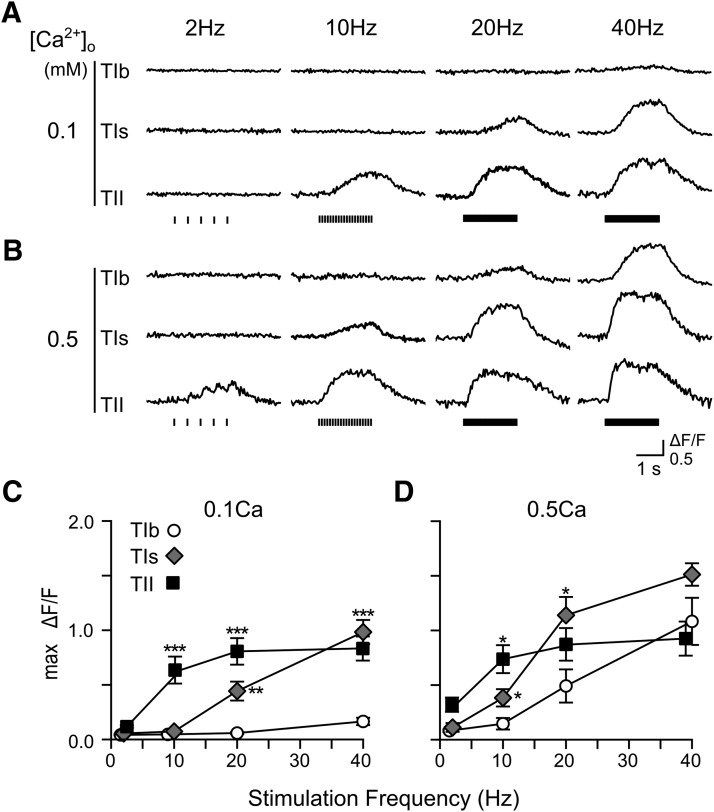
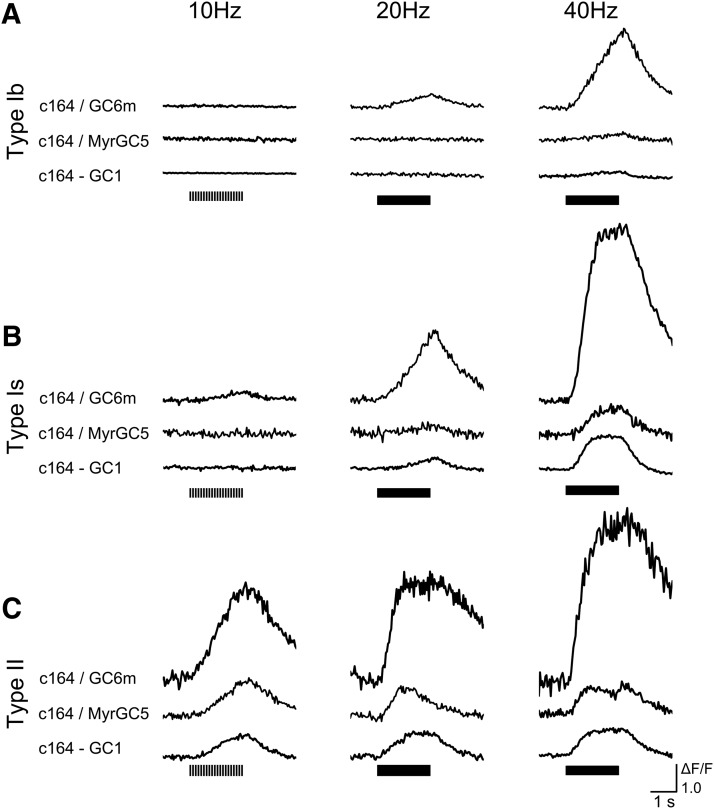
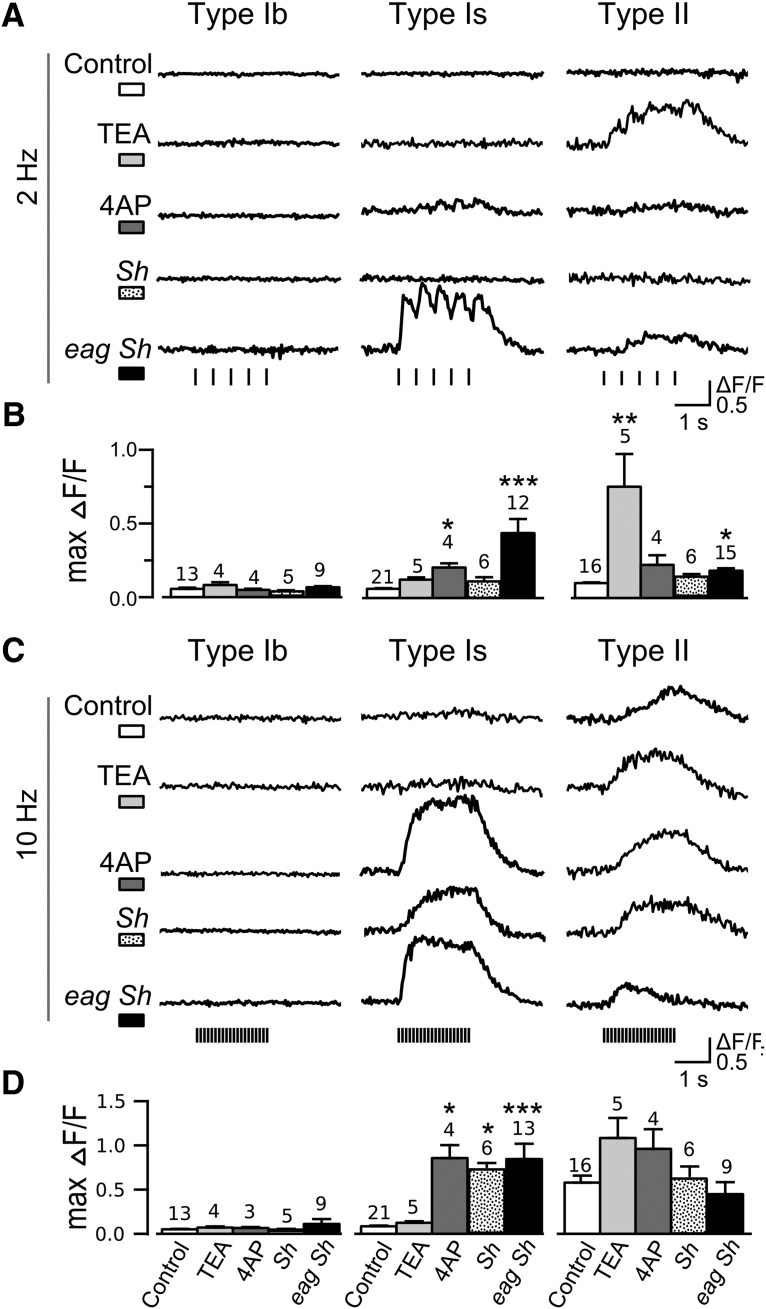
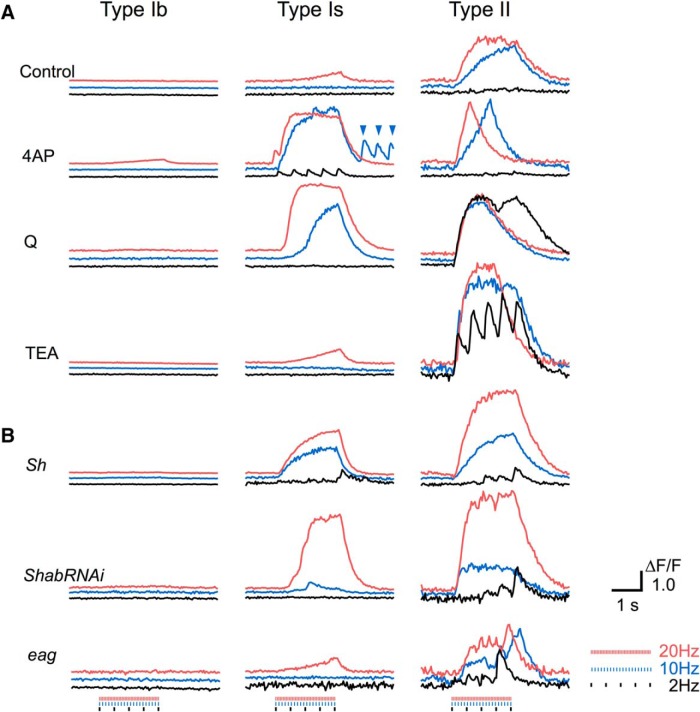
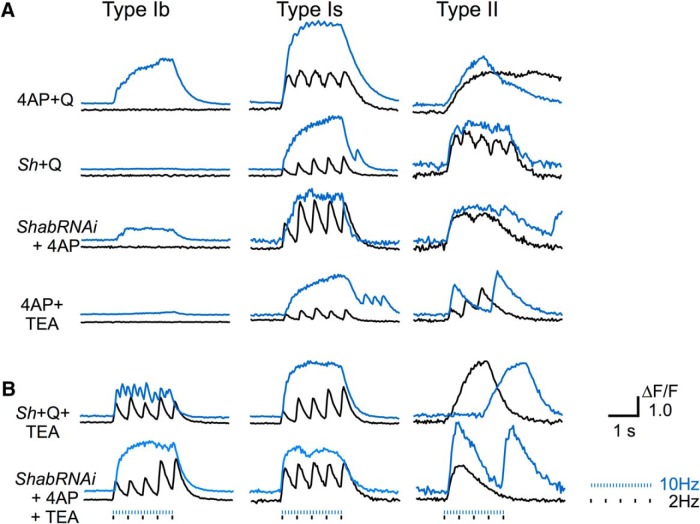
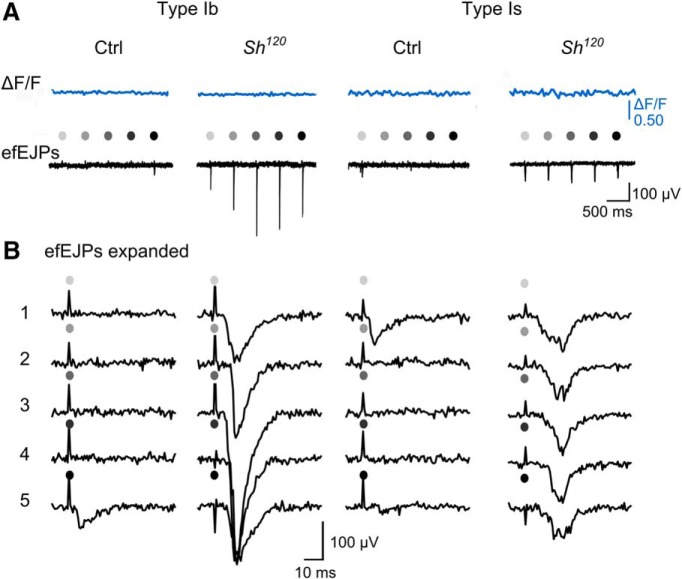
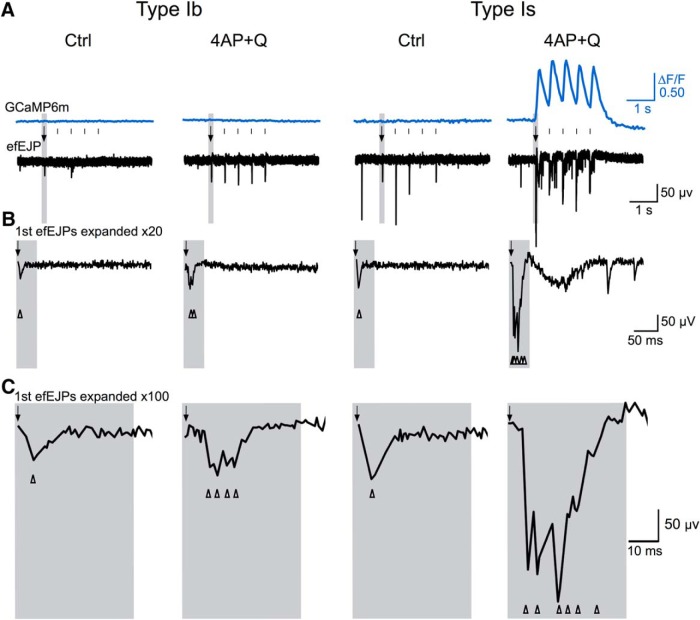
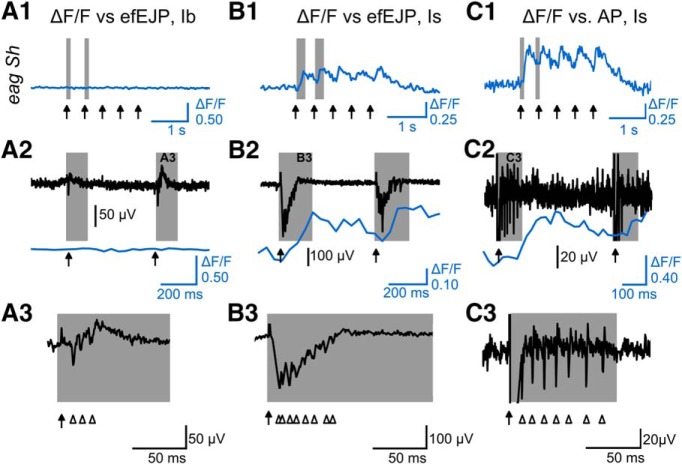
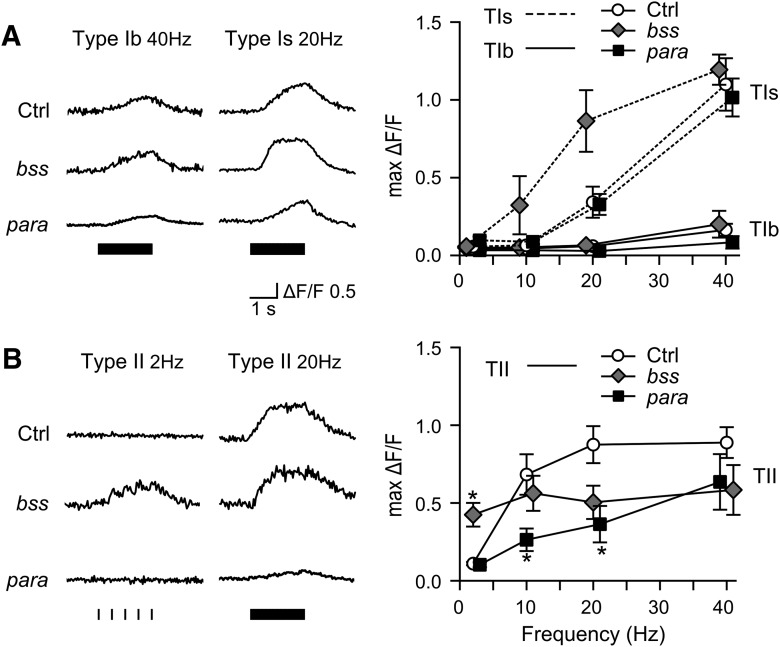
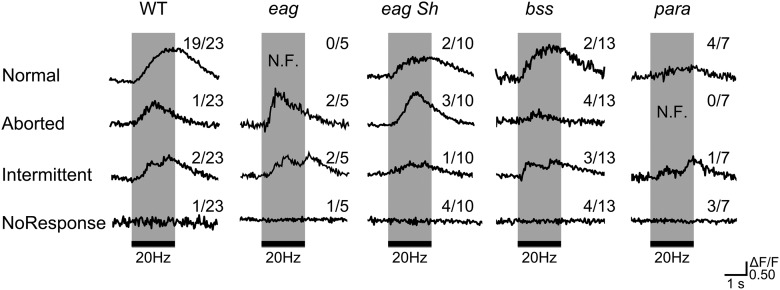
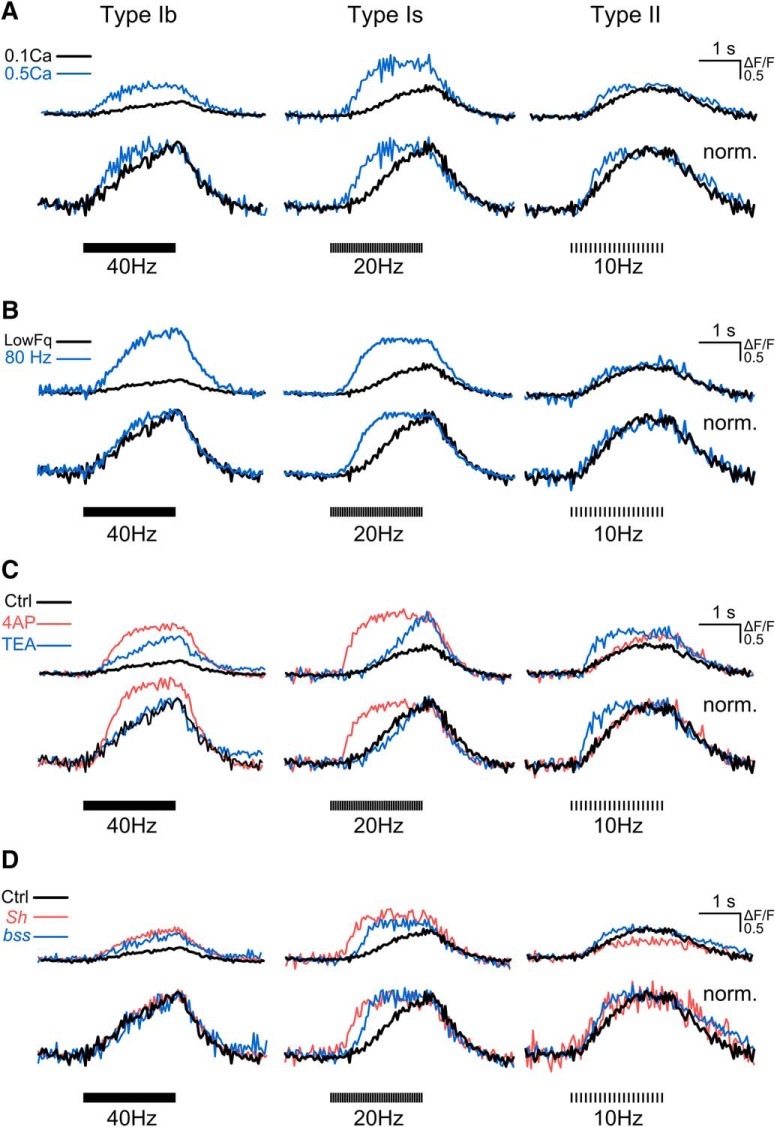
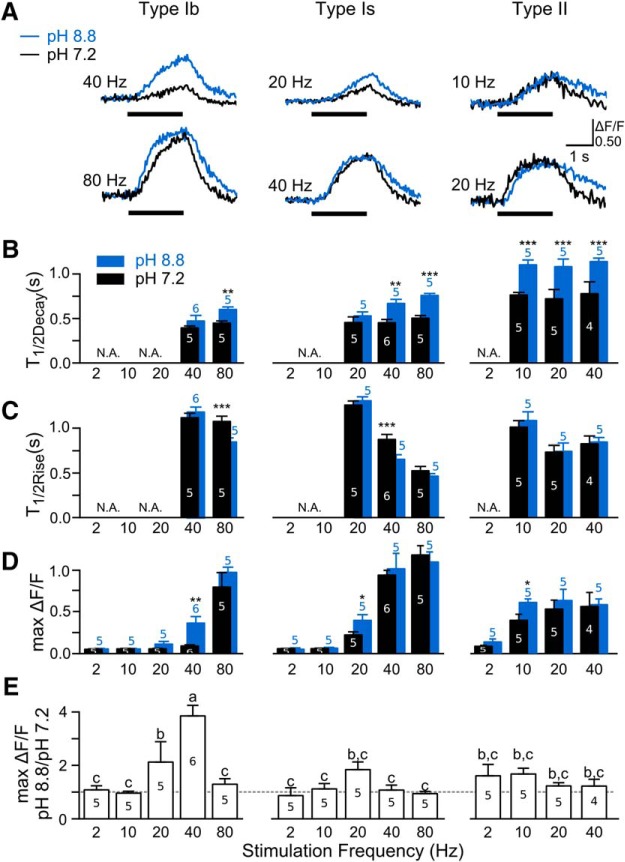
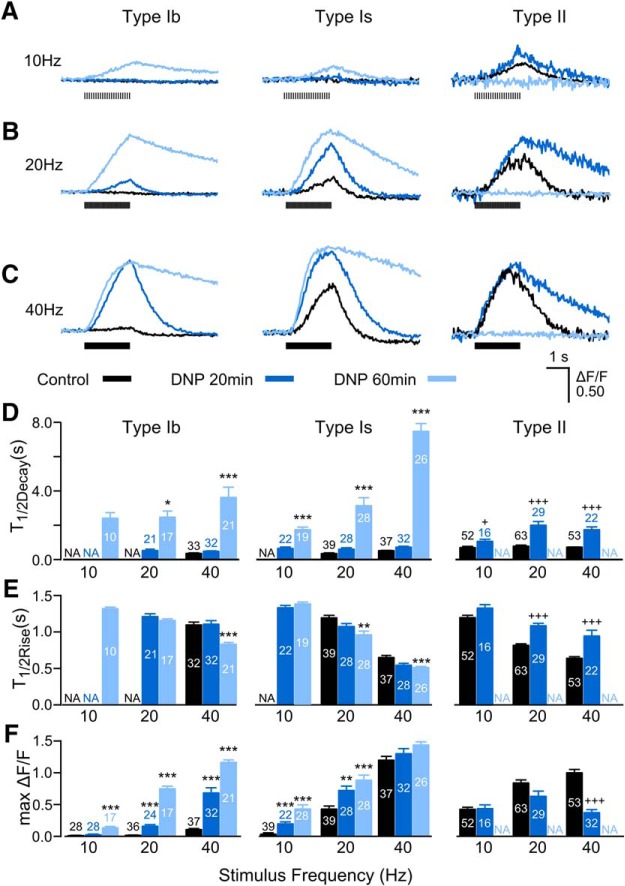
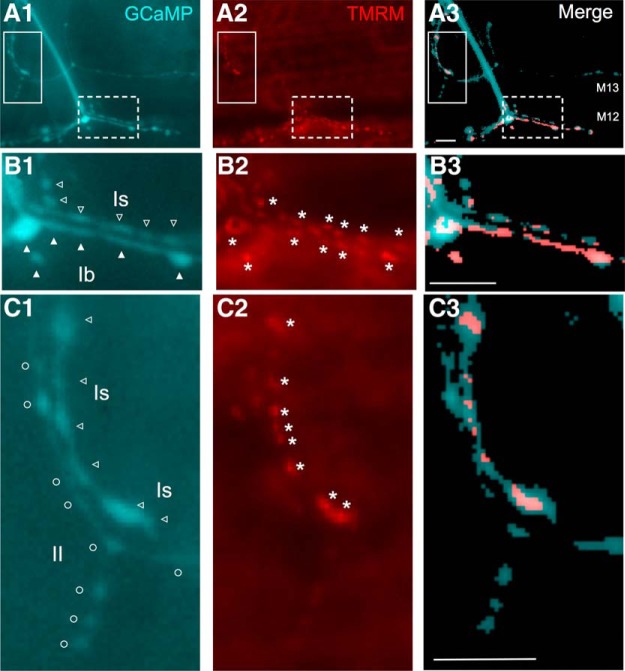
GCaMP is an optogenetic Ca sensor widely used for monitoring neuronal activities but the precise physiological implications of GCaMP signals remain to be further delineated among functionally distinct synapses. The neuromuscular junction (NMJ), a powerful genetic system for studying synaptic function and plasticity, consists of tonic and phasic glutamatergic and modulatory aminergic motor terminals of distinct properties. We report a first simultaneous imaging and electric recording study to directly contrast the frequency characteristics of GCaMP signals of the three synapses for physiological implications. Different GCaMP variants were applied in genetic and pharmacological perturbation experiments to examine the Ca influx and clearance processes underlying the GCaMP signal. Distinct mutational and drug effects on GCaMP signals indicate differential roles of Na and K channels, encoded by genes including (), (), , and (), in excitability control of different motor terminals. Moreover, the Ca handling properties reflected by the characteristic frequency dependence of the synaptic GCaMP signals were determined to a large extent by differential capacity of mitochondria-powered Ca clearance mechanisms. Simultaneous focal recordings of synaptic activities further revealed that GCaMPs were ineffective in tracking the rapid dynamics of Ca influx that triggers transmitter release, especially during low-frequency activities, but more adequately reflected cytosolic residual Ca accumulation, a major factor governing activity-dependent synaptic plasticity. These results highlight the vast range of GCaMP response patterns in functionally distinct synaptic types and provide relevant information for establishing basic guidelines for the physiological interpretations of presynaptic GCaMP signals from in situ imaging studies.
GCaMP 是一种光遗传学 Ca 传感器,广泛用于监测神经元活动,但 GCaMP 信号在功能不同的突触中的精确生理意义仍有待进一步阐明。神经肌肉接头 (NMJ) 是研究突触功能和可塑性的强大遗传系统,由具有不同特性的持续谷氨酸能和调节性单胺能运动终板组成。我们报告了一项首次的同时成像和电记录研究,以直接对比三种突触的 GCaMP 信号的频率特征及其生理意义。在遗传和药理学扰动实验中应用了不同的 GCaMP 变体,以检查 GCaMP 信号背后的 Ca 流入和清除过程。不同的突变和药物对 GCaMP 信号的影响表明,编码基因包括 ()、()、() 和 () 的 Na 和 K 通道在不同运动终板的兴奋性控制中发挥着不同的作用。此外,突触 GCaMP 信号的特征频率依赖性所反映的 Ca 处理特性在很大程度上取决于由线粒体驱动的 Ca 清除机制的不同能力。同时进行的突触活动焦点记录进一步表明,GCaMP 在跟踪触发递质释放的 Ca 流入的快速动力学方面效果不佳,特别是在低频活动期间,但更充分地反映了细胞溶质残余 Ca 积累,这是决定活动依赖性突触可塑性的主要因素。这些结果突出了功能不同的突触类型中 GCaMP 响应模式的广泛范围,并为建立基于原位成像研究的突触前 GCaMP 信号的生理解释的基本指南提供了相关信息。