Sun Haolin, Qi Longtao, Wang Shijun, Li Xuwen, Li Chunde
Department of Orthopedic, Peking University First Hospital, Beijing, China.
PLoS One. 2018 Feb 21;13(2):e0192556. doi: 10.1371/journal.pone.0192556. eCollection 2018.
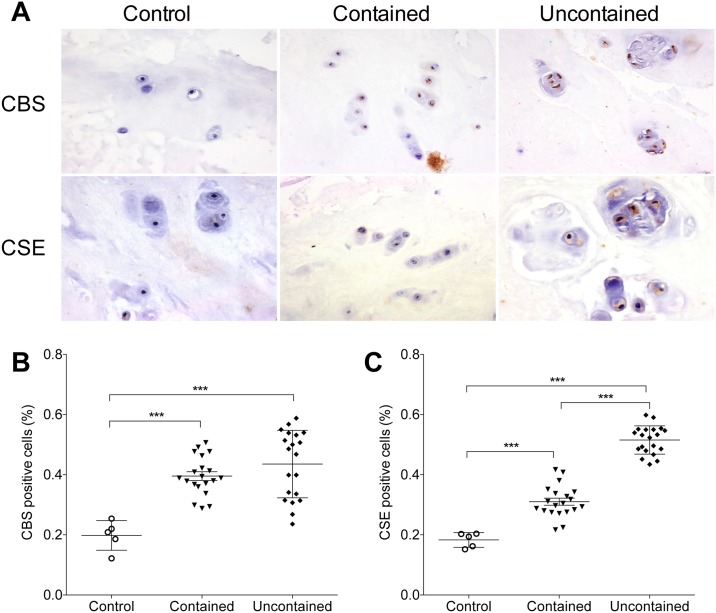
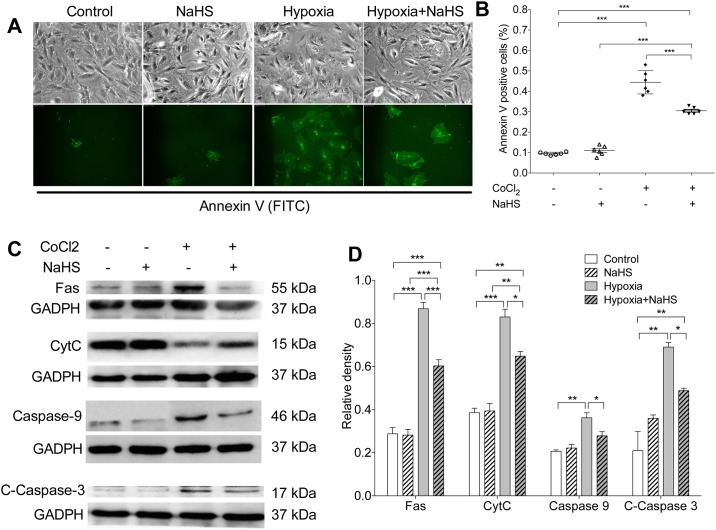
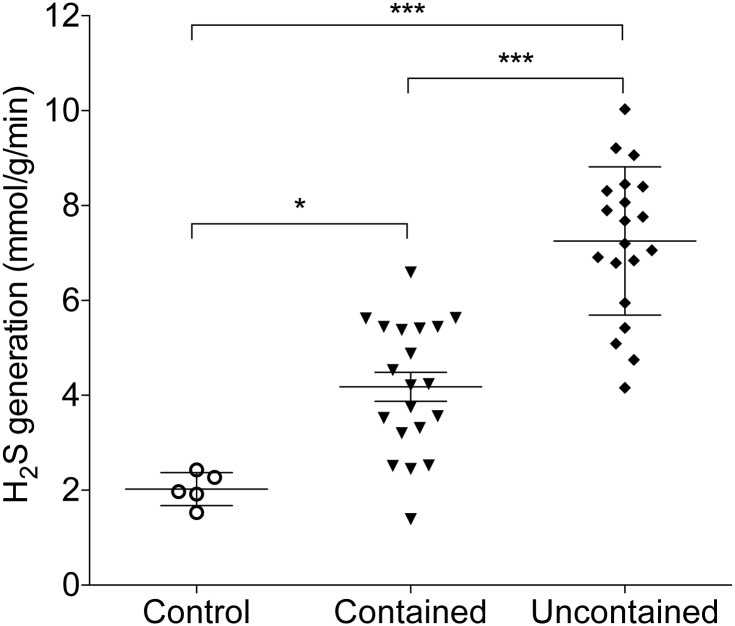
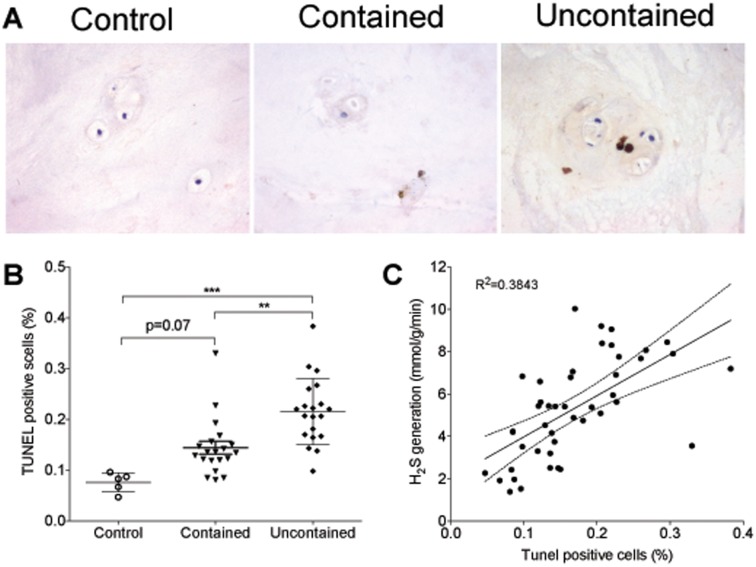
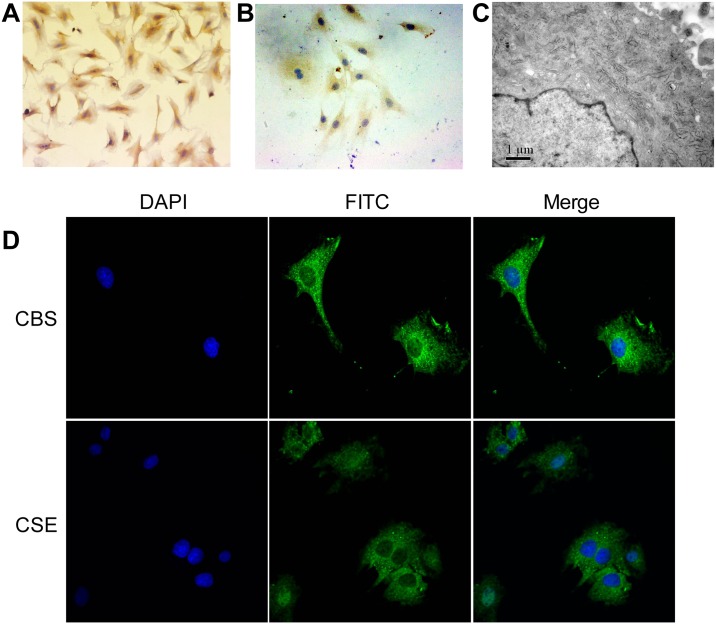
Apoptosis plays pivotal role in the pathogenesis of degenerative disc diseases, which is the primary contributor to low back pain. Although the role of hydrogen sulfide (H2S) in cell apoptosis is well appreciated, the effects and mechanism that H2S regulates the program death of intervertebral disc cell are not yet elucidated. In this study, we utilized the nucleus pulposus (NP) from patients with lumbar disc herniation to investigate the relationship between endogenous H2S and NP cells apoptosis in human. Furthermore, we analyzed primary rat NP cells to study the effects of exogenous H2S on hypoxia induced cell apoptosis. Human NP samples were obtained from patients with lumbar disc herniation and were divided into uncontained and contained herniation groups. Using immunohistochemistry staining and sulphur-sensitive electrode, we detected the expression of cystathionine-β-synthase (CBS) and cystathionine γ-lyase (CSE), as well as the production of endogenous H2S in human NP. Tunel staining showed increased apoptosis in NP from herniated disc; and there was significant correlation between H2S generation and apoptosis in human NP. CoCl2 was then used to induce hypoxia in cultured primary rat NP cells. Annexin V staining indicated that exogenous NaHS attenuated hypoxia induced apoptosis in rat NP cells. Furthermore, hypoxia significantly increased the levels of multiple apoptosis associated proteins (Fas, Cytochromes C, Caspase 9 and cleaved-Caspase-3) in cells, which were eliminated by NaHS. Our study demonstrates the presence of endogenous H2S in human intervertebral disc; and the endogenous H2S generation rate is associated with NP apoptosis in herniated disc. In vitro study showes exogenous H2S donor attenuates hypoxia induced apoptosis in primary rat NP cells. Thus, our work provides insights that H2S may have beneficial effects in treating degenerative disc diseases.
细胞凋亡在退行性椎间盘疾病的发病机制中起关键作用,而退行性椎间盘疾病是导致腰痛的主要原因。尽管硫化氢(H₂S)在细胞凋亡中的作用已得到充分认识,但H₂S调节椎间盘细胞程序性死亡的作用及机制尚未阐明。在本研究中,我们利用腰椎间盘突出症患者的髓核来研究内源性H₂S与人类髓核细胞凋亡之间的关系。此外,我们分析了原代大鼠髓核细胞,以研究外源性H₂S对缺氧诱导的细胞凋亡的影响。从腰椎间盘突出症患者获取人类髓核样本,并将其分为未包含型和包含型突出组。使用免疫组织化学染色和硫敏感电极,我们检测了胱硫醚-β-合酶(CBS)和胱硫醚γ-裂解酶(CSE)的表达以及人类髓核中内源性H₂S的产生。Tunel染色显示突出椎间盘的髓核中细胞凋亡增加;并且人类髓核中H₂S的产生与细胞凋亡之间存在显著相关性。然后使用CoCl₂诱导培养的原代大鼠髓核细胞缺氧。膜联蛋白V染色表明外源性NaHS减轻了缺氧诱导的大鼠髓核细胞凋亡。此外,缺氧显著增加了细胞中多种凋亡相关蛋白(Fas、细胞色素C、半胱天冬酶9和裂解的半胱天冬酶-3)的水平,而NaHS消除了这些蛋白。我们的研究表明人类椎间盘中存在内源性H₂S;并且内源性H₂S的产生率与突出椎间盘中的髓核细胞凋亡相关。体外研究表明外源性H₂S供体减轻了原代大鼠髓核细胞中缺氧诱导的细胞凋亡。因此,我们的工作为H₂S可能对治疗退行性椎间盘疾病具有有益作用提供了见解。