Westhorpe Clare L V, Norman M Ursula, Hall Pam, Snelgrove Sarah L, Finsterbusch Michaela, Li Anqi, Lo Camden, Tan Zhe Hao, Li Songhui, Nilsson Susan K, Kitching A Richard, Hickey Michael J
Centre for Inflammatory Diseases, Monash University Department of Medicine, Monash Medical Centre, 246 Clayton Rd., Clayton, VIC, 3168, Australia.
Department of Vascular Biology and Thrombosis Research, Medical University of Vienna, Schwarzspanierstr. 17, 1090, Vienna, Austria.
Nat Commun. 2018 Feb 21;9(1):747. doi: 10.1038/s41467-018-03181-4.
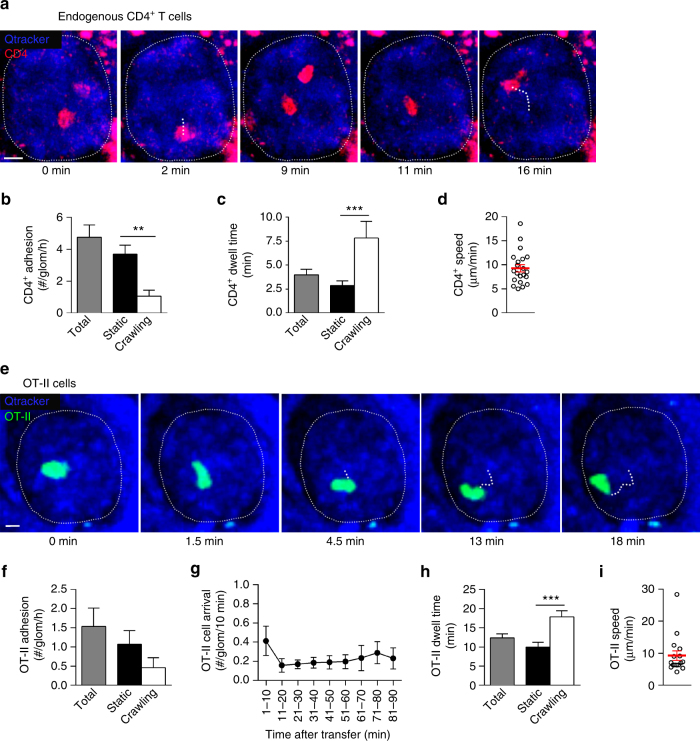
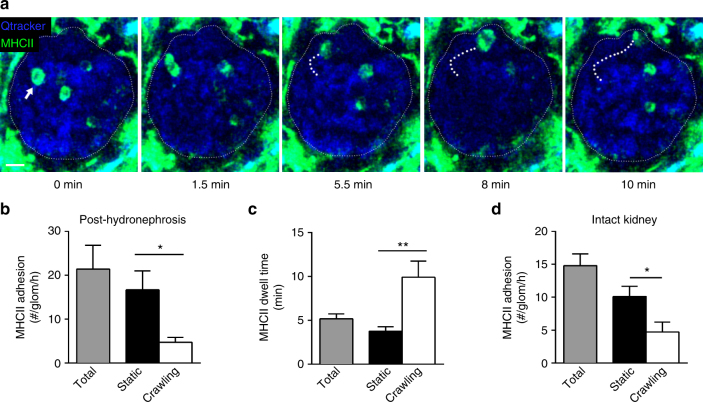
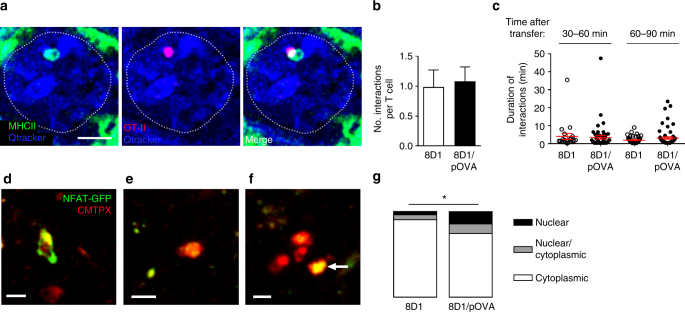
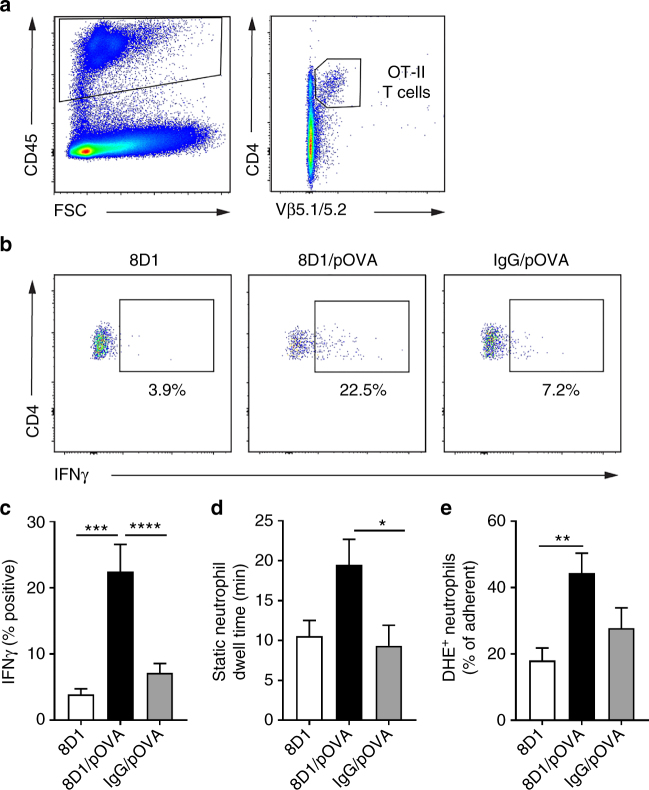
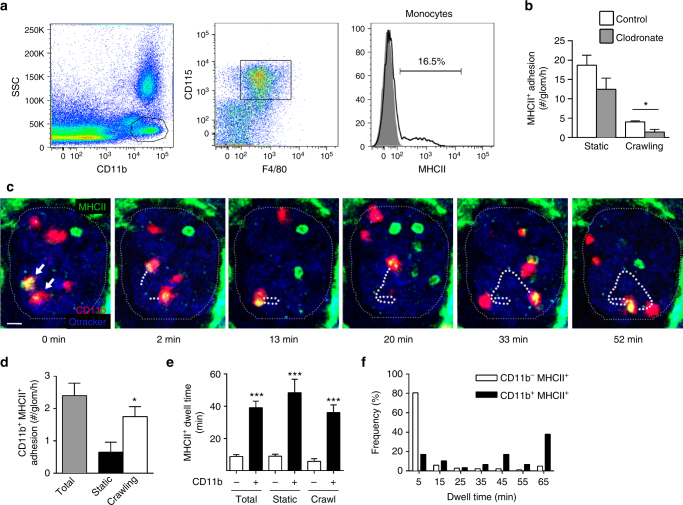
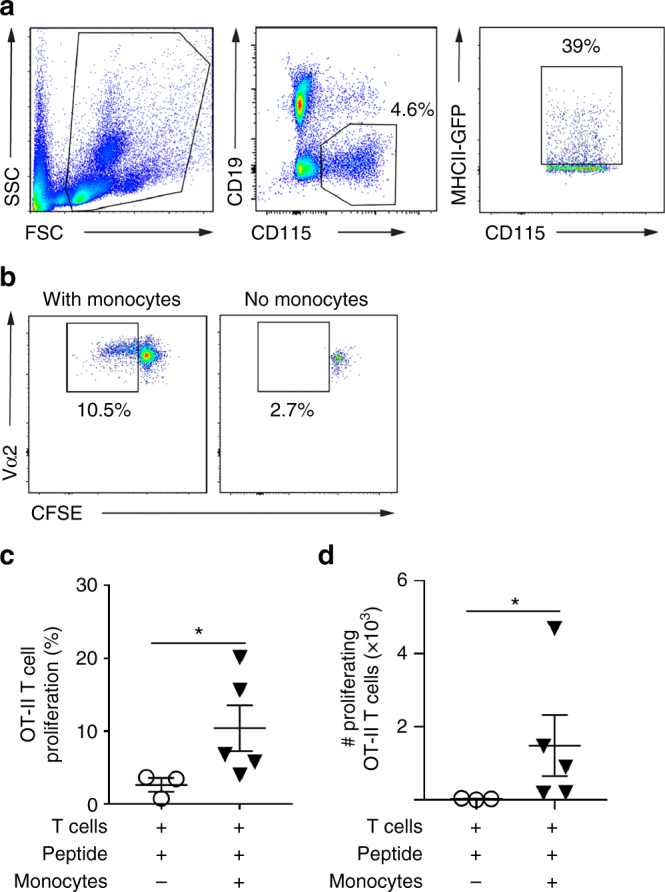
Although effector CD4 T cells readily respond to antigen outside the vasculature, how they respond to intravascular antigens is unknown. Here we show the process of intravascular antigen recognition using intravital multiphoton microscopy of glomeruli. CD4 T cells undergo intravascular migration within uninflamed glomeruli. Similarly, while MHCII is not expressed by intrinsic glomerular cells, intravascular MHCII-expressing immune cells patrol glomerular capillaries, interacting with CD4 T cells. Following intravascular deposition of antigen in glomeruli, effector CD4 T-cell responses, including NFAT1 nuclear translocation and decreased migration, are consistent with antigen recognition. Of the MHCII immune cells adherent in glomerular capillaries, only monocytes are retained for prolonged durations. These cells can also induce T-cell proliferation in vitro. Moreover, monocyte depletion reduces CD4 T-cell-dependent glomerular inflammation. These findings indicate that MHCII monocytes patrolling the glomerular microvasculature can present intravascular antigen to CD4 T cells within glomerular capillaries, leading to antigen-dependent inflammation.
尽管效应性CD4 T细胞很容易对血管外的抗原作出反应,但它们如何对血管内抗原作出反应尚不清楚。在这里,我们利用肾小球的活体多光子显微镜观察,展示了血管内抗原识别的过程。CD4 T细胞在未发炎的肾小球内进行血管内迁移。同样,虽然肾小球固有细胞不表达MHCII,但表达MHCII的血管内免疫细胞会巡逻肾小球毛细血管,并与CD4 T细胞相互作用。在肾小球内血管内沉积抗原后,效应性CD4 T细胞的反应,包括NFAT1核转位和迁移减少,与抗原识别一致。在肾小球毛细血管中黏附的MHCII免疫细胞中,只有单核细胞会长时间停留。这些细胞在体外也能诱导T细胞增殖。此外,单核细胞耗竭可减轻CD4 T细胞依赖性肾小球炎症。这些发现表明,巡逻肾小球微血管的MHCII单核细胞可将血管内抗原呈递给肾小球毛细血管内的CD4 T细胞,从而导致抗原依赖性炎症。