Department of Neuroscience and INSPE, San Raffaele Scientific Institute, Milano, Italy.
CNR Institute of Neuroscience, Milan, Italy.
Front Immunol. 2018 Feb 7;9:204. doi: 10.3389/fimmu.2018.00204. eCollection 2018.
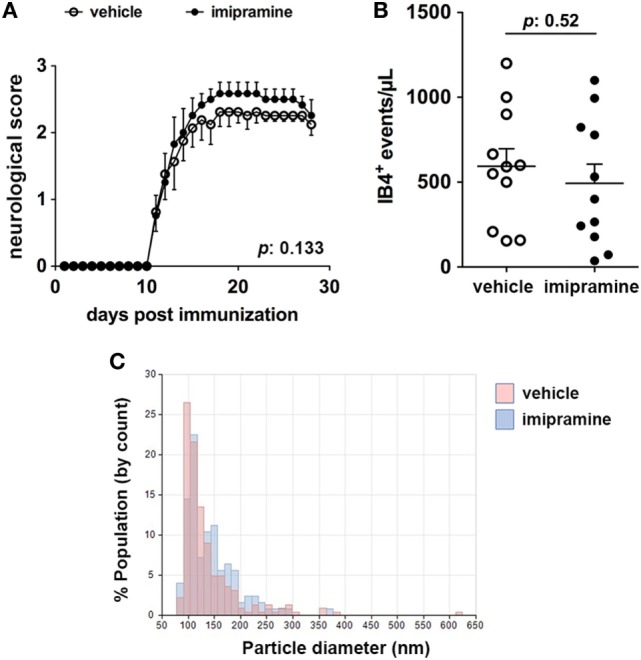
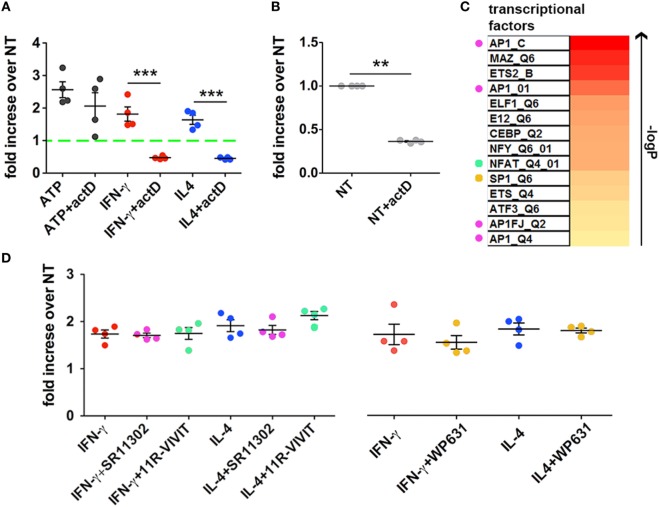
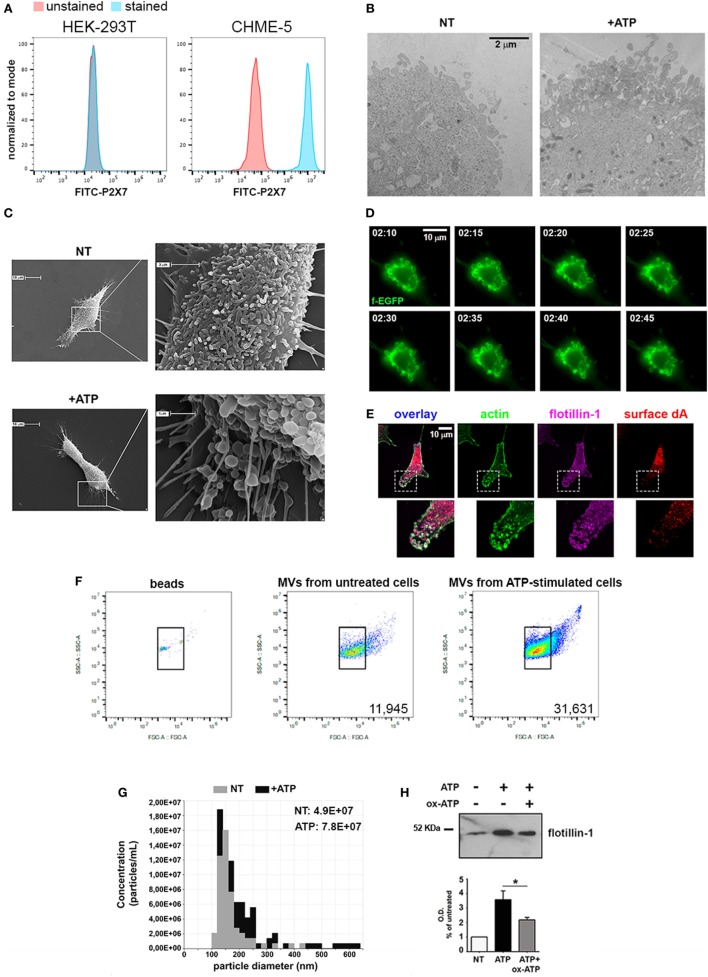
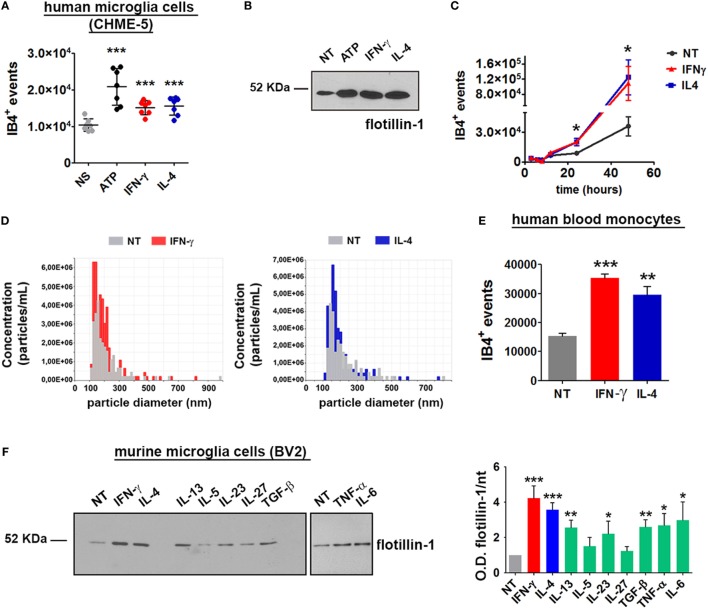
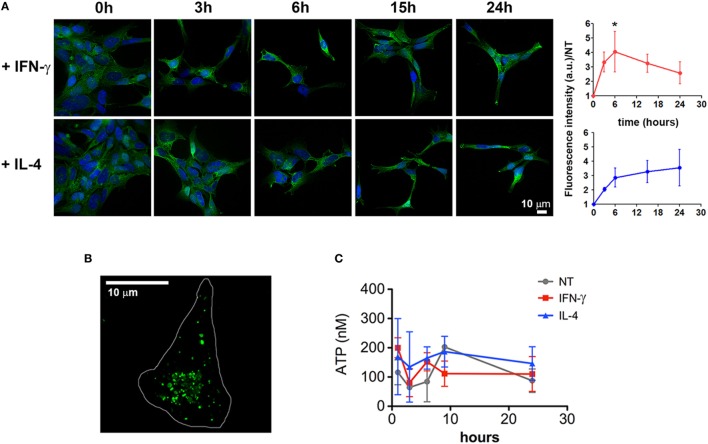
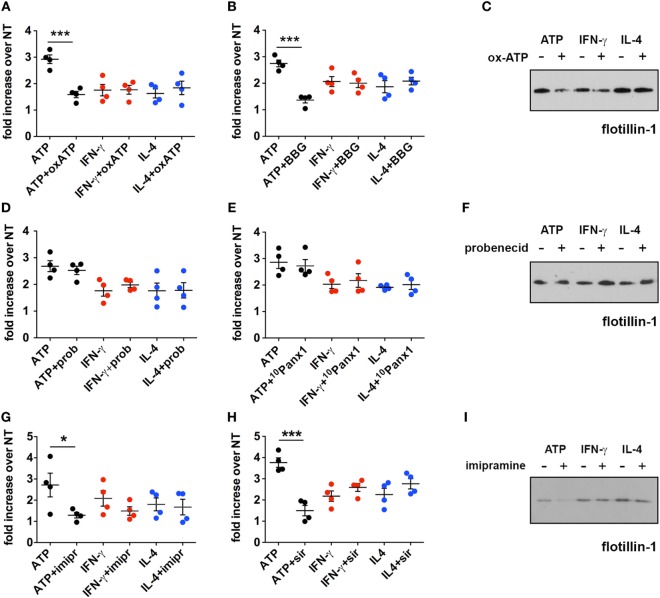
Microvesicles (MVs) are membrane particles of 200-500 nm released by all cell types constitutively. MVs of myeloid origin are found increased in the cerebrospinal fluid (CSF) of patients suffering from neuroinflammatory disorders, although the factors triggering their production have never been defined. Here, we report that both pro- and anti-inflammatory cytokines, specifically interferon-γ and interleukin-4, are equally able to stimulate the production of MVs from microglia cells and monocytes. Additionally, we found this process to be independent from the best characterized molecular pathway so far described for membrane shedding, which is centered on the purinergic receptor P2X7, whose activation by high concentrations of extracellular ATP (exATP) results in membrane blebbing operated by the secreted enzyme acid sphingomyelinase (ASMase). Moreover, a potent inhibitor of ASMase, injected in a mouse model of multiple sclerosis, failed to reduce the number of MVs in their CSF. This suggests that cytokines, rather than exATP, may exert a long-term control of MV production in the context of chronic inflammation, where both pro- and anti-inflammatory factors play coordinated roles.
微泡(MVs)是所有细胞类型持续释放的 200-500nm 大小的膜颗粒。在患有神经炎症性疾病的患者的脑脊液(CSF)中发现源自髓样来源的 MVs 增加,尽管触发其产生的因素从未被定义。在这里,我们报告促炎和抗炎细胞因子(特别是干扰素-γ和白细胞介素-4)同样能够刺激小胶质细胞和单核细胞产生 MV。此外,我们发现这个过程与迄今为止描述的最特征化的膜脱落分子途径无关,该途径集中在嘌呤能受体 P2X7 上,其通过高浓度细胞外 ATP(exATP)的激活导致由分泌酶酸性鞘磷脂酶(ASMase)介导的膜起泡。此外,在多发性硬化症的小鼠模型中注射一种有效的 ASMase 抑制剂未能减少其 CSF 中的 MV 数量。这表明细胞因子而不是 exATP 可能在慢性炎症的背景下对 MV 的产生进行长期控制,其中促炎和抗炎因子发挥协调作用。