Department of Neurobiology and Behavior, University of California Irvine, Irvine, CA 92697, USA.
Yale/NIDA Neuroproteomics Center, Yale University, New Haven, CT 06511, USA.
Biomolecules. 2024 Sep 10;14(9):1143. doi: 10.3390/biom14091143.
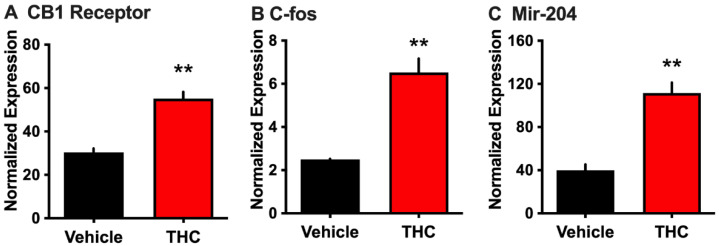
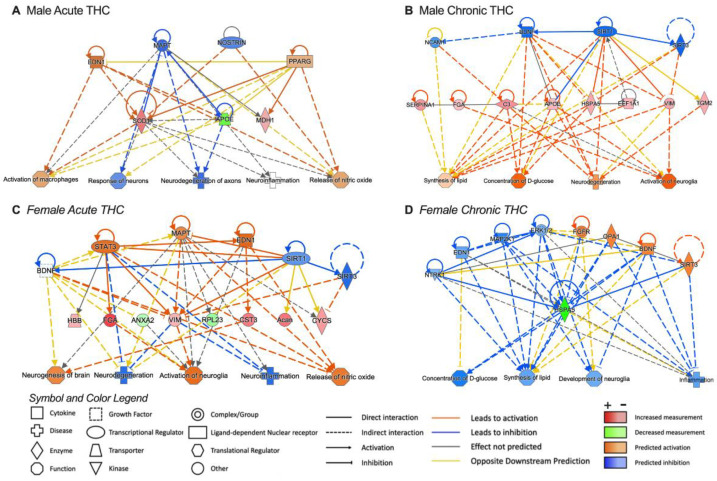
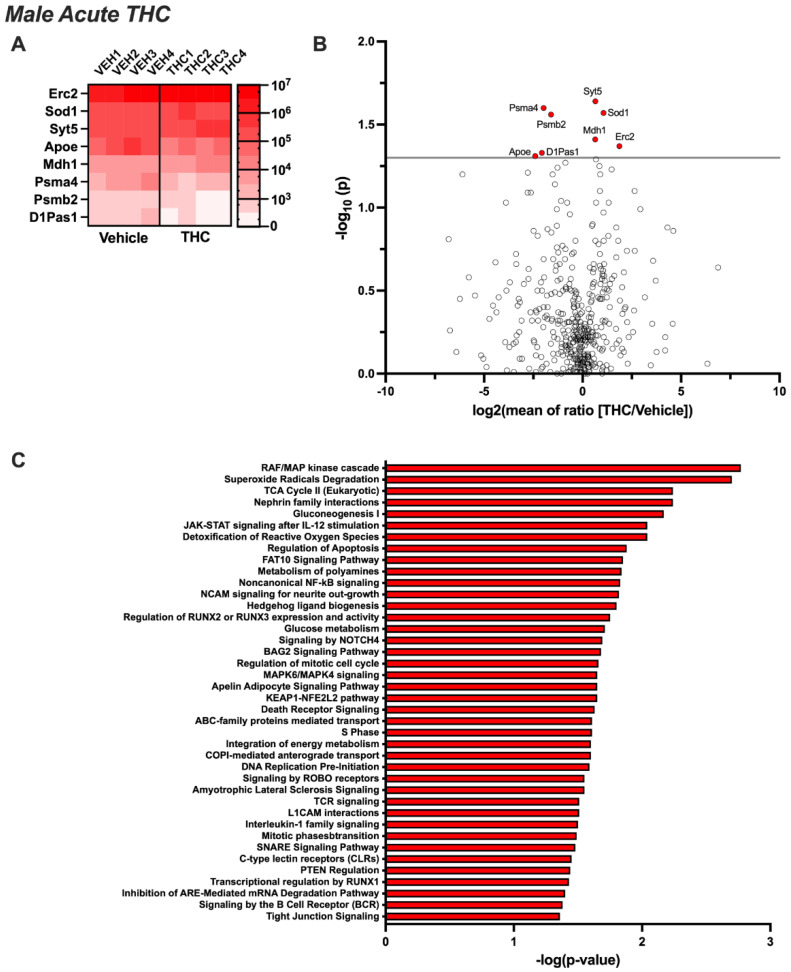
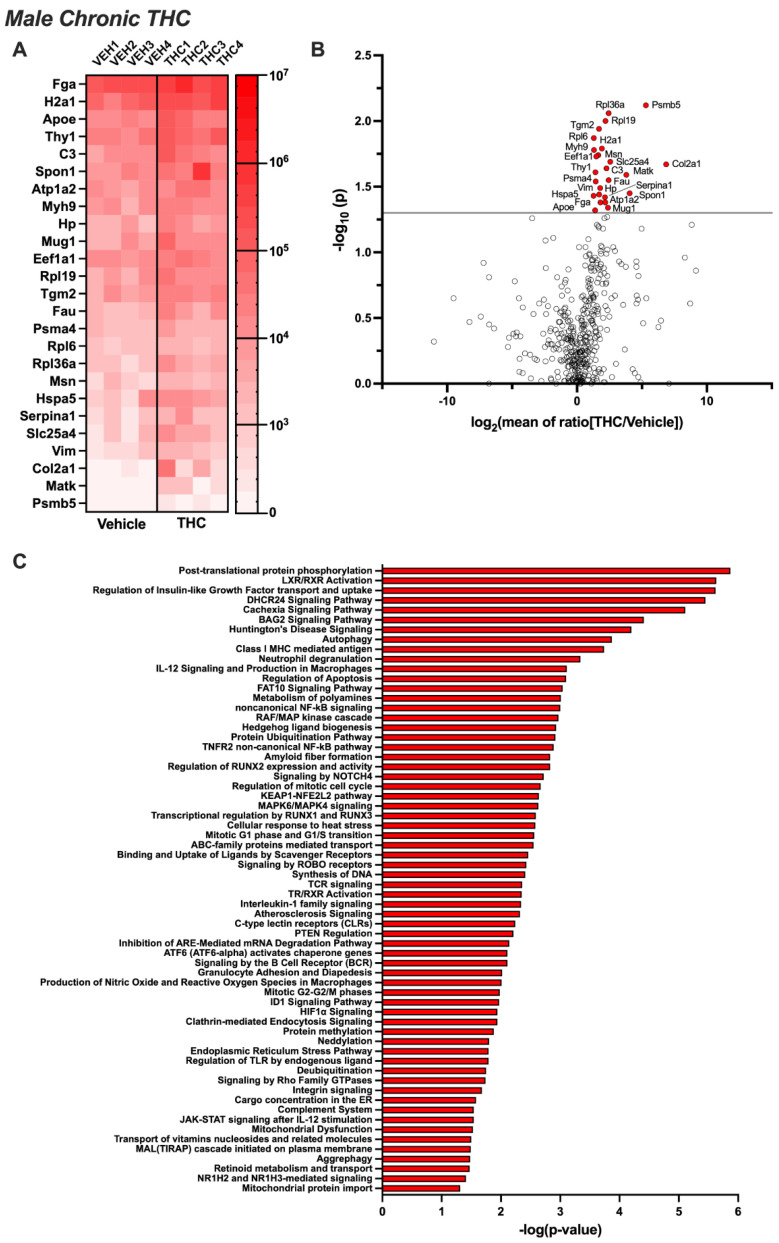
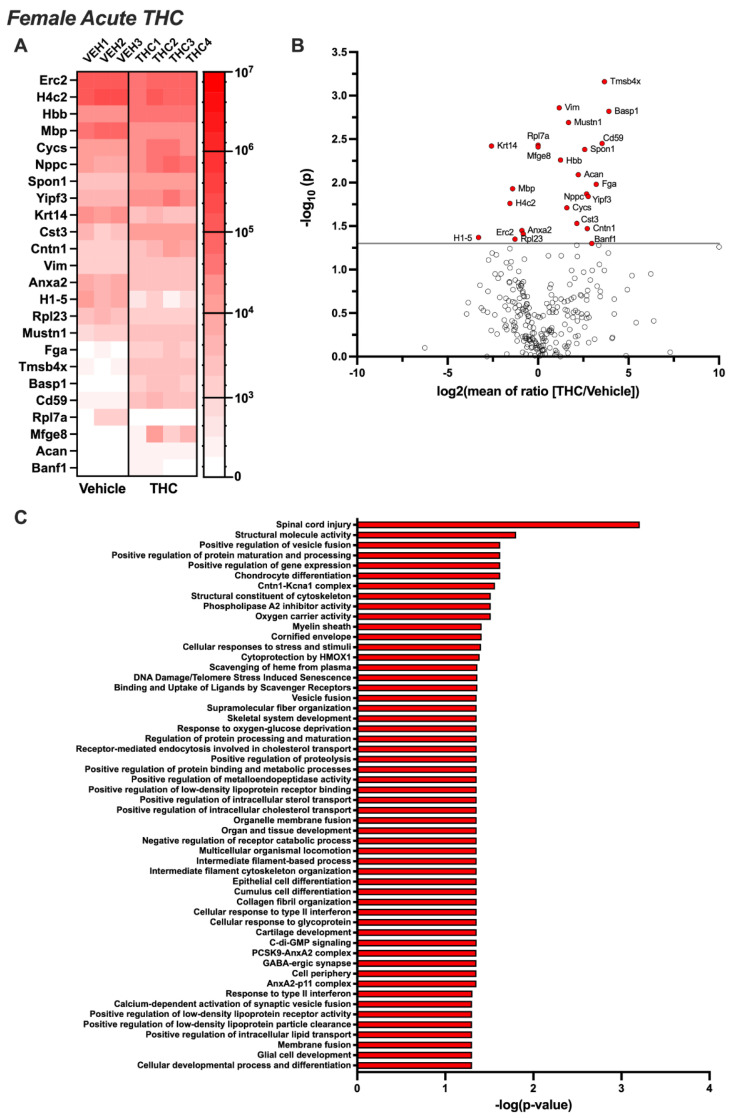
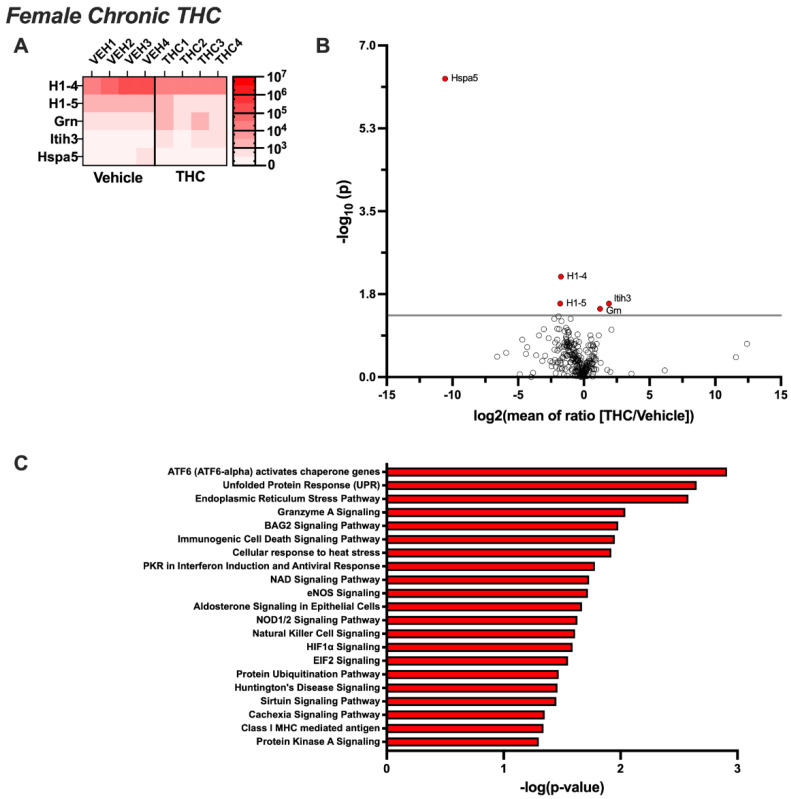
Given the increasing use of cannabis in the US, there is an urgent need to better understand the drug's effects on central signaling mechanisms. Extracellular vesicles (EVs) have been identified as intercellular signaling mediators that contain a variety of cargo, including proteins. Here, we examined whether the main psychoactive component in cannabis, Δ9-tetrahydrocannabinol (THC), alters EV protein signaling dynamics in the brain. We first conducted studies, which found that THC activates signaling in choroid plexus epithelial cells, resulting in transcriptional upregulation of the cannabinoid 1 receptor and immediate early gene c-fos, in addition to the release of EVs containing RNA cargo. Next, male and female rats were examined for the effects of either acute or chronic exposure to aerosolized ('vaped') THC on circulating brain EVs. Cerebrospinal fluid was extracted from the brain, and EVs were isolated and processed with label-free quantitative proteomic analyses via high-resolution tandem mass spectrometry. Interestingly, circulating EV-localized proteins were differentially expressed based on acute or chronic THC exposure in a sex-specific manner. Taken together, these findings reveal that THC acts in the brain to modulate circulating EV signaling, thereby providing a novel understanding of how exogenous factors can regulate intercellular communication in the brain.
鉴于大麻在美国的使用日益增加,迫切需要更好地了解这种药物对中枢信号机制的影响。细胞外囊泡(EVs)已被确定为细胞间信号转导介质,其中包含多种货物,包括蛋白质。在这里,我们研究了大麻中的主要精神活性成分 Δ9-四氢大麻酚(THC)是否会改变大脑中 EV 蛋白信号转导的动态。我们首先进行了研究,发现 THC 激活脉络丛上皮细胞中的信号转导,导致大麻素 1 受体和即刻早期基因 c-fos 的转录上调,以及含有 RNA 货物的 EV 的释放。接下来,检查了雄性和雌性大鼠在急性或慢性暴露于雾化('蒸气')THC 对循环脑 EV 的影响。从大脑中提取脑脊液,并通过高分辨率串联质谱的无标记定量蛋白质组学分析分离和处理 EV。有趣的是,循环 EV 定位蛋白根据急性或慢性 THC 暴露以性别特异性的方式表现出不同的表达。总之,这些发现表明 THC 在大脑中起作用以调节循环 EV 信号转导,从而提供了对外源性因素如何调节大脑细胞间通讯的新认识。