Department of Environmental Technologies, Biological and Pharmaceutical Sciences, University of Campania, "Luigi Vanvitelli", Naples, Italy.
Epigenetics Institute, Department of Cell & Developmental Biology, Perelman School of Medicine at the University of Pennsylvania, Philadelphia, Pennsylvania, United States of America.
PLoS Genet. 2018 Feb 22;14(2):e1007243. doi: 10.1371/journal.pgen.1007243. eCollection 2018 Feb.
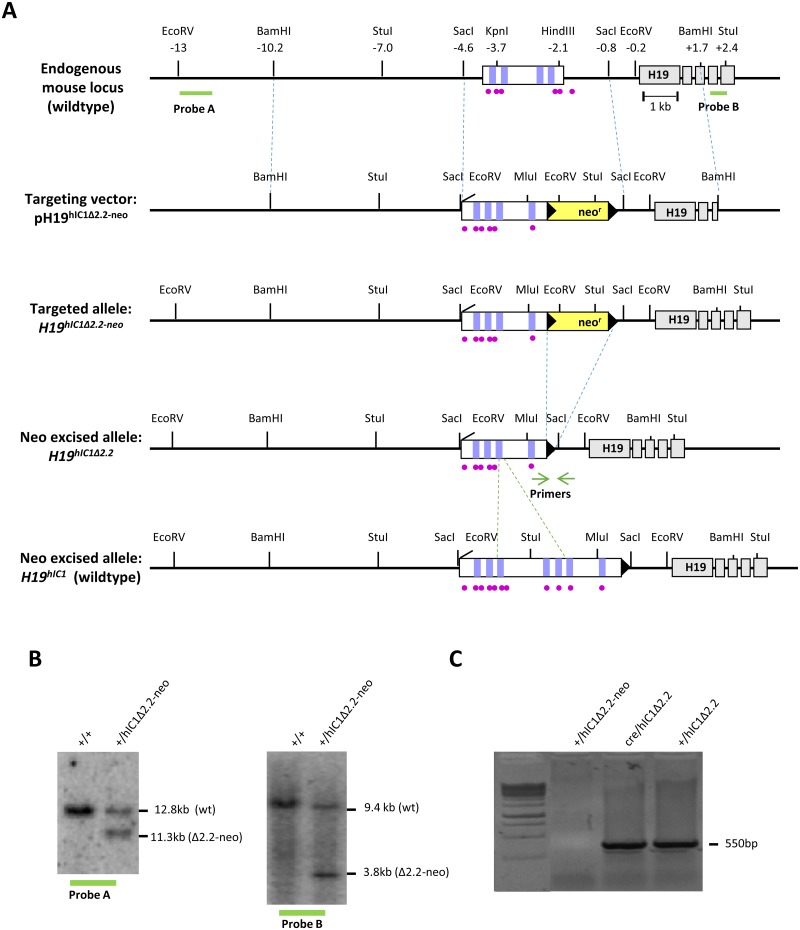
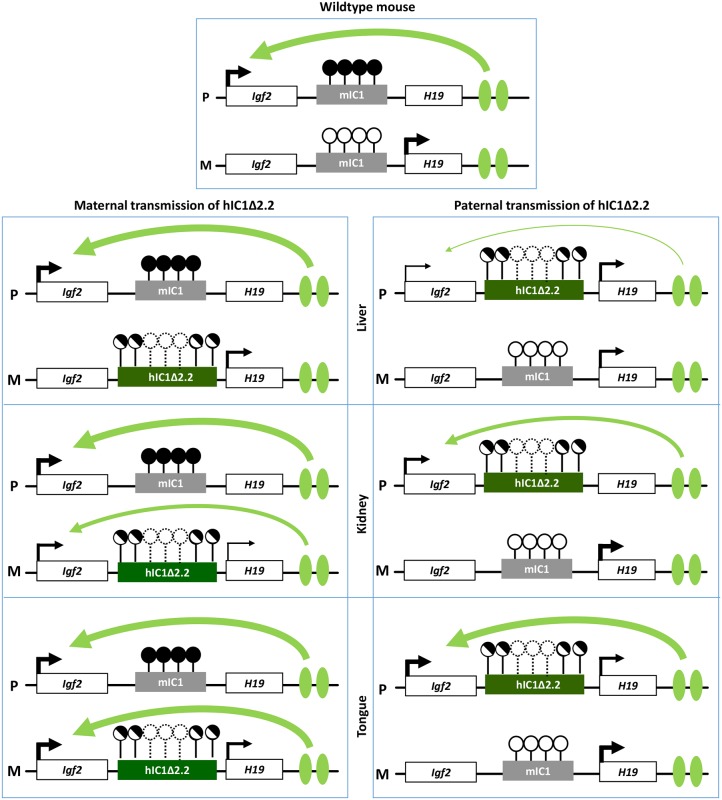
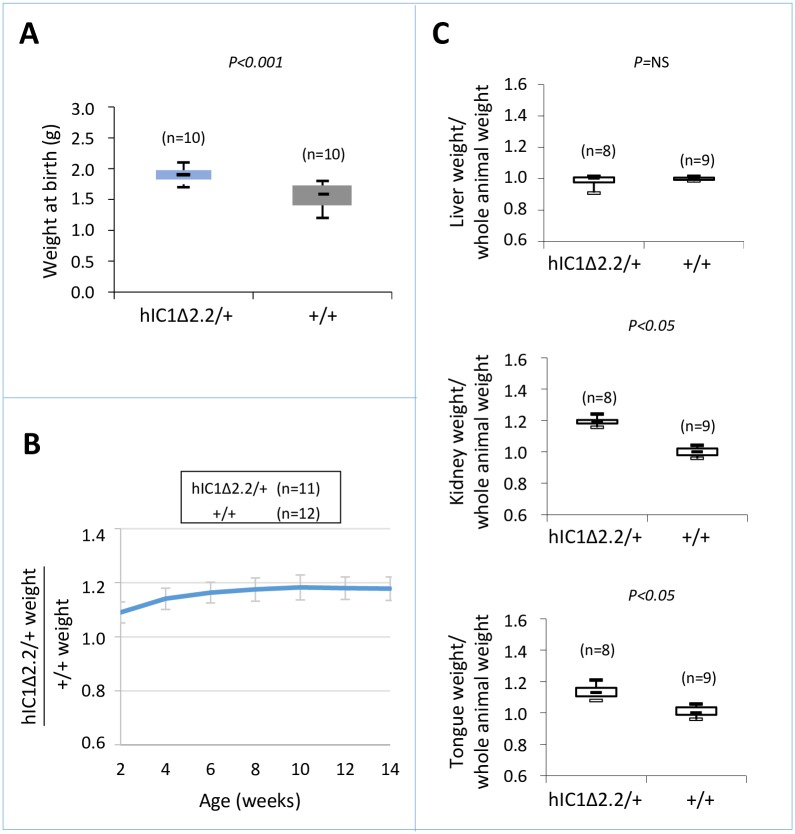
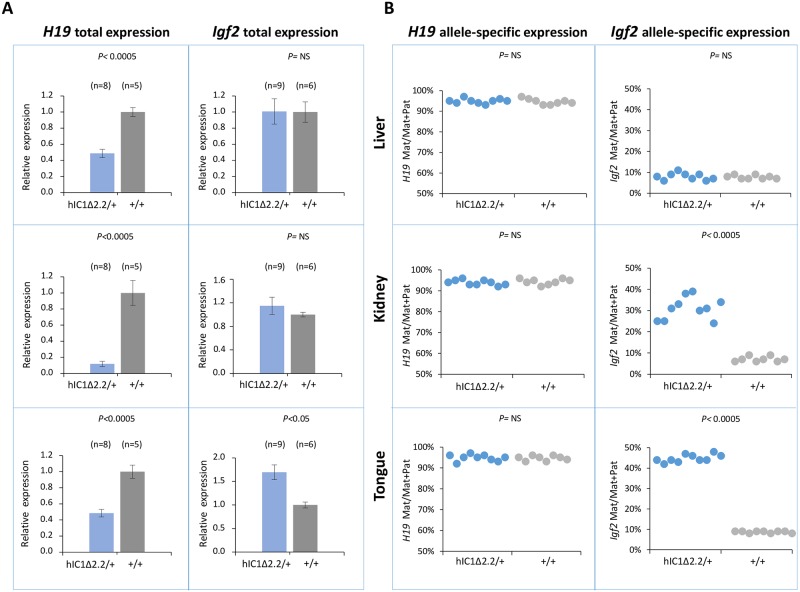
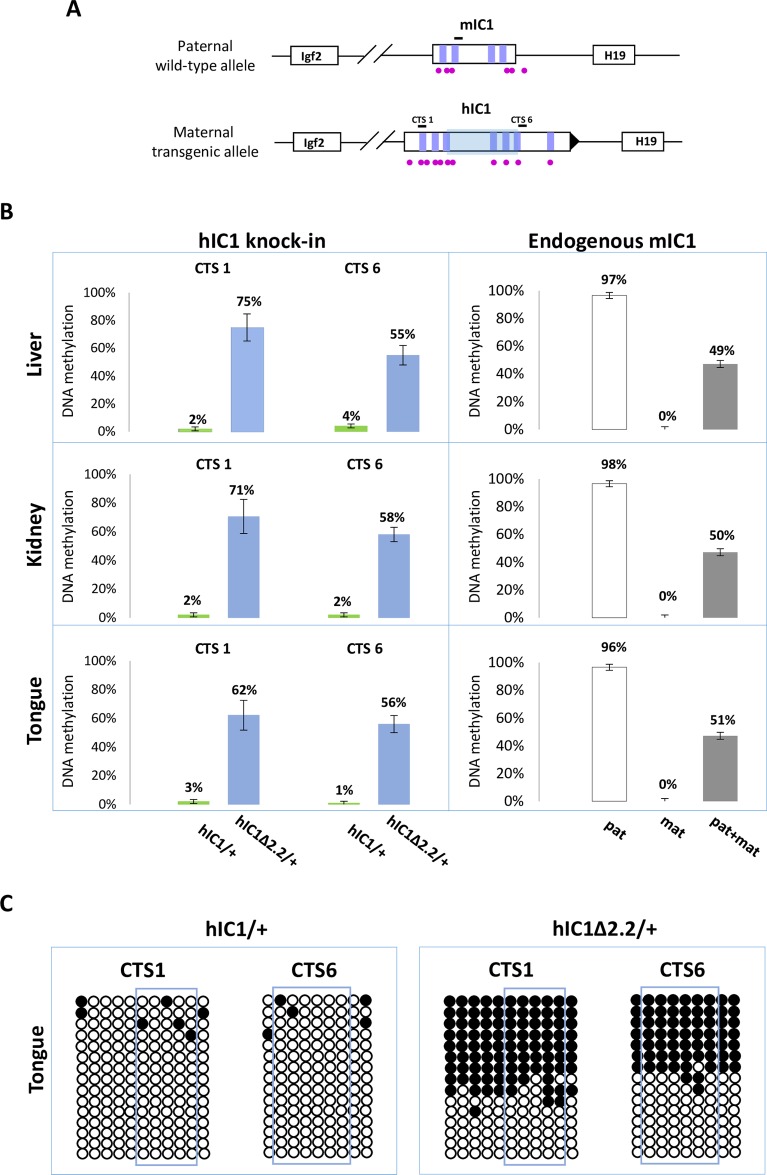
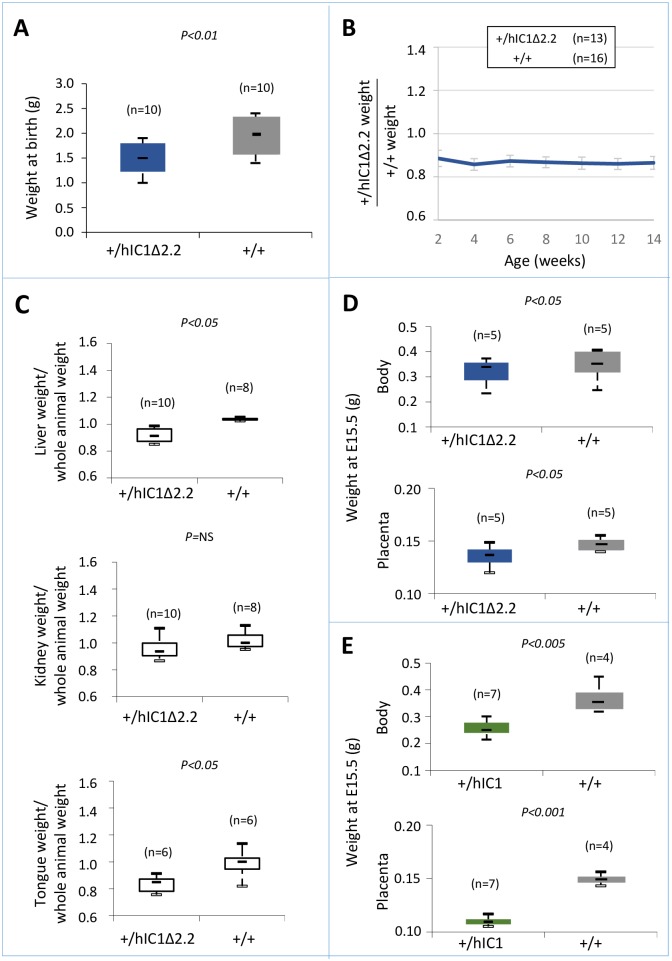
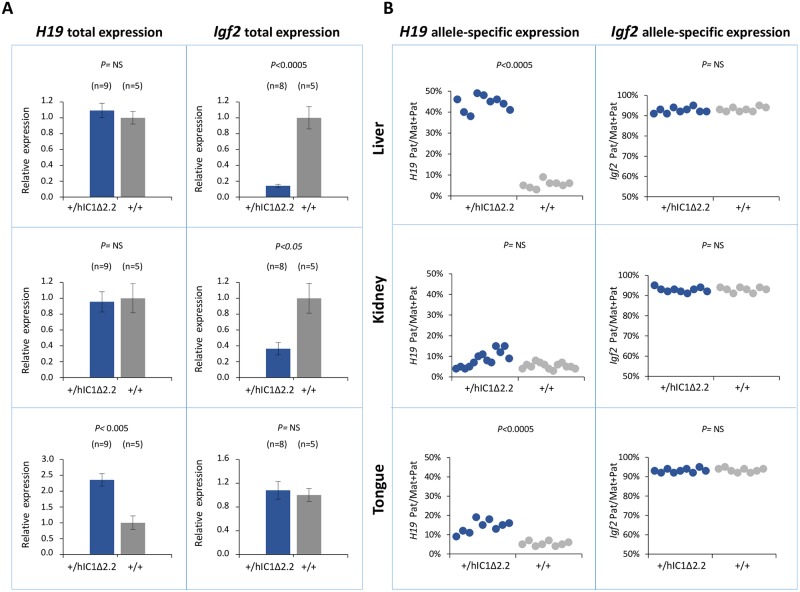
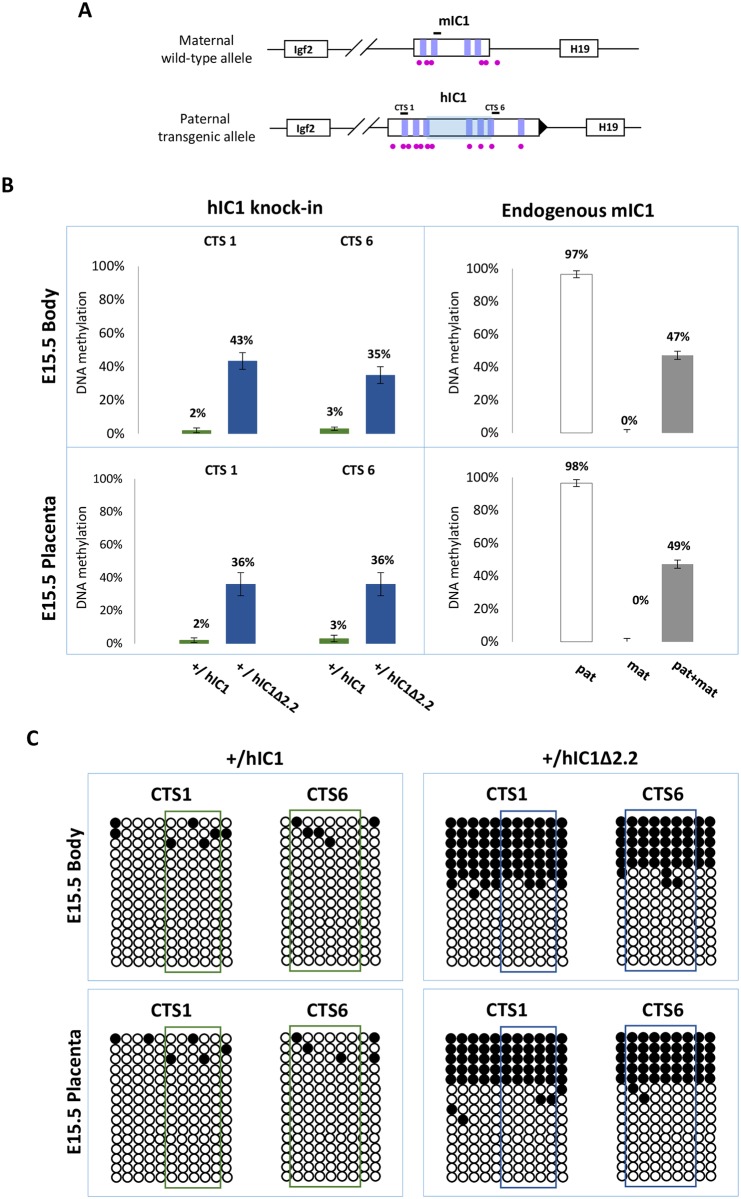
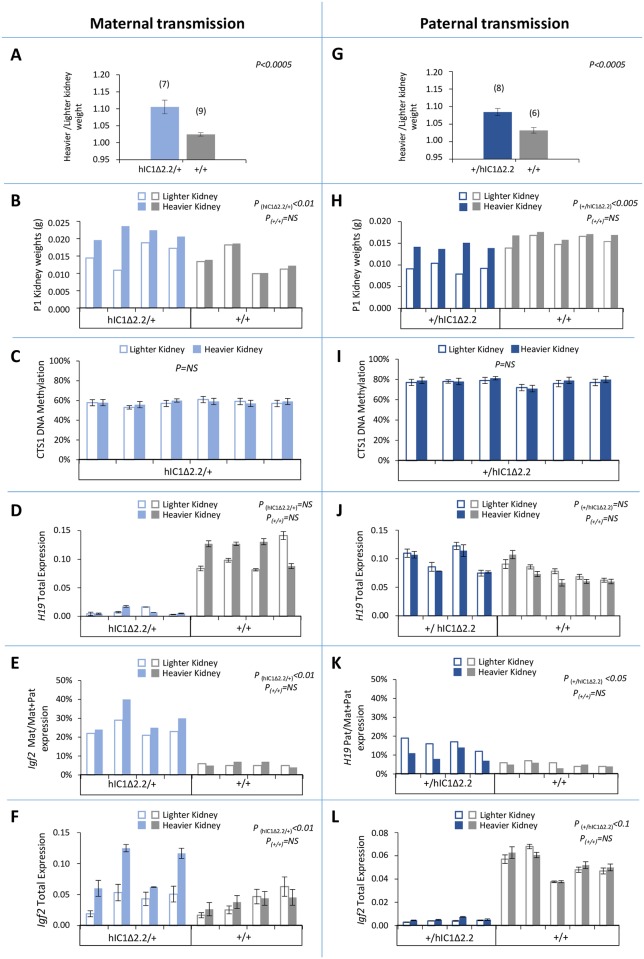
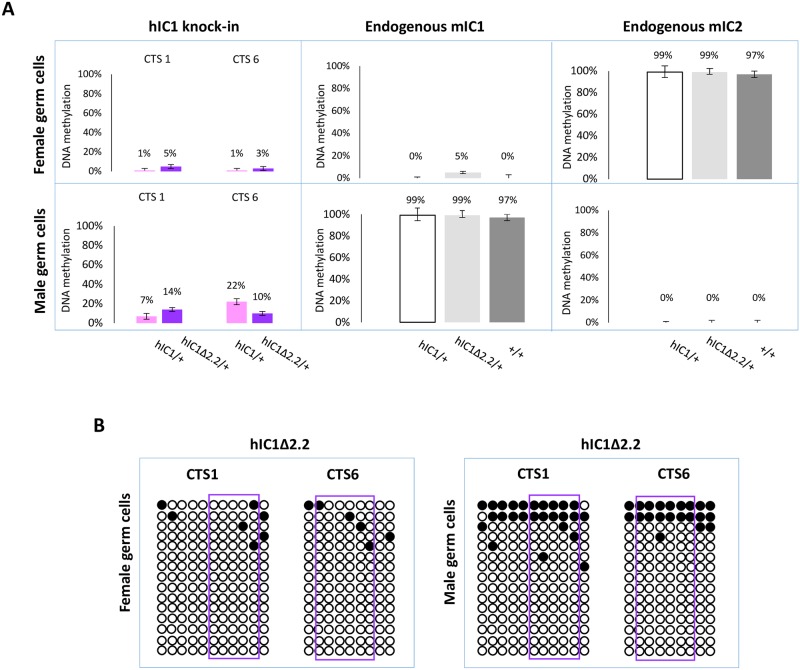
Differential DNA methylation defects of H19/IGF2 are associated with congenital growth disorders characterized by opposite clinical pictures. Due to structural differences between human and mouse, the mechanisms by which mutations of the H19/IGF2 Imprinting Control region (IC1) result in these diseases are undefined. To address this issue, we previously generated a mouse line carrying a humanized IC1 (hIC1) and now replaced the wildtype with a mutant IC1 identified in the overgrowth-associated Beckwith-Wiedemann syndrome. The new humanized mouse line shows pre/post-natal overgrowth on maternal transmission and pre/post-natal undergrowth on paternal transmission of the mutation. The mutant hIC1 acquires abnormal methylation during development causing opposite H19/Igf2 imprinting defects on maternal and paternal chromosomes. Differential and possibly mosaic Igf2 expression and imprinting is associated with asymmetric growth of bilateral organs. Furthermore, tissue-specific imprinting defects result in deficient liver- and placenta-derived Igf2 on paternal transmission and excessive Igf2 in peripheral tissues on maternal transmission, providing a possible molecular explanation for imprinting-associated and phenotypically contrasting growth disorders.
H19/IGF2 的差异 DNA 甲基化缺陷与以相反临床表现为特征的先天性生长障碍有关。由于人类和小鼠之间的结构差异,导致 H19/IGF2 印迹控制区(IC1)突变导致这些疾病的机制尚不清楚。为了解决这个问题,我们之前生成了携带人源化 IC1(hIC1)的小鼠品系,现在用在与过度生长相关的 Beckwith-Wiedemann 综合征中发现的突变 IC1 替换了野生型。新的人源化小鼠品系在母系传递时表现出产前和产后过度生长,在父系传递时表现出产前和产后生长不足。突变的 hIC1 在发育过程中获得异常甲基化,导致母系和父系染色体上 H19/Igf2 印记缺陷相反。差异和可能的镶嵌 Igf2 表达和印记与双侧器官的不对称生长有关。此外,组织特异性印记缺陷导致父系传递时肝脏和胎盘来源的 Igf2 缺乏,以及母系传递时外周组织中 Igf2 过多,为印记相关和表型对比生长障碍提供了可能的分子解释。