Singapore Immunology Network, Agency for Science, Technology and Research, Singapore, Singapore.
National University of Singapore Graduate School for Integrative Sciences and Engineering, National University of Singapore, Singapore, Singapore.
Front Immunol. 2018 Feb 8;9:210. doi: 10.3389/fimmu.2018.00210. eCollection 2018.
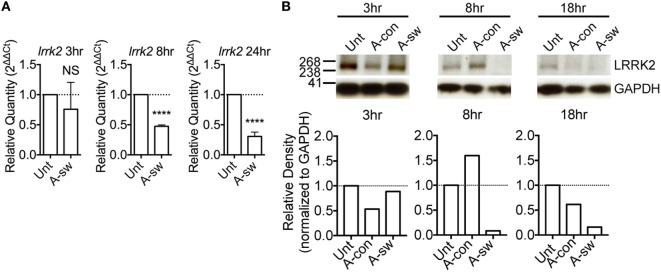
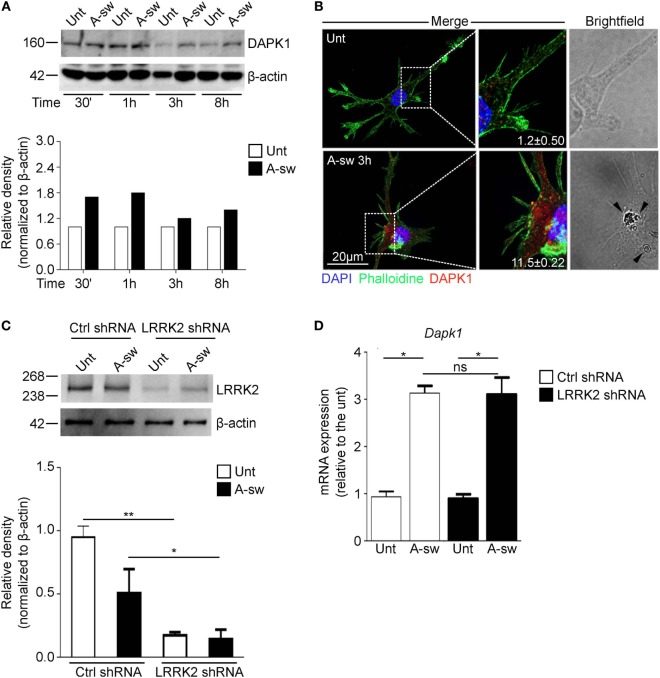
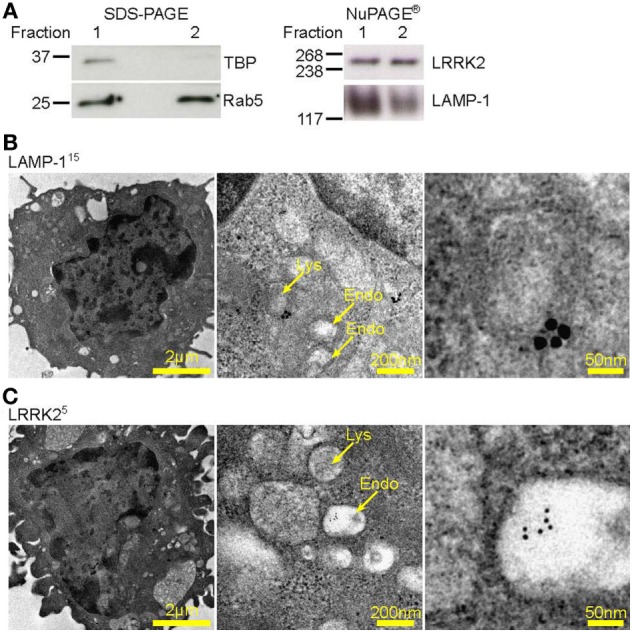
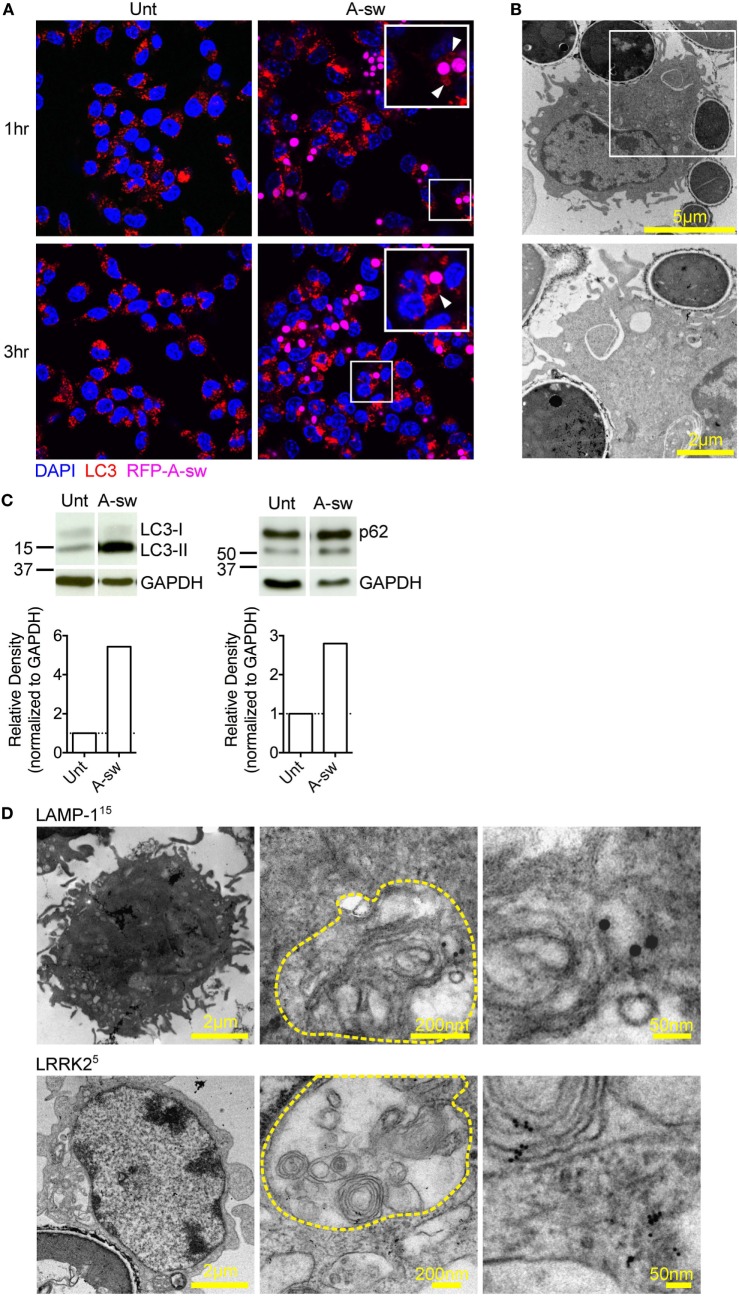
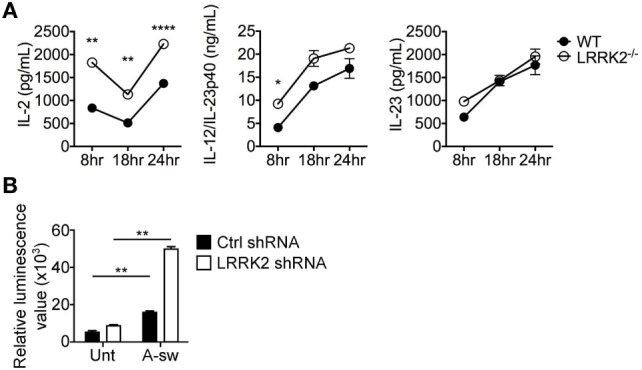
The Parkinson's disease-associated protein, Leucine-rich repeat kinase 2 (LRRK2), a known negative regulator of nuclear factor of activated T cells (NFAT), is expressed in myeloid cells such as macrophages and dendritic cells (DCs) and is involved in the host immune response against pathogens. Since, the Ca/NFAT/IL-2 axis has been previously found to regulate DC response to the fungus , we have investigated the role played by the kinase LRRK2 during fungal infection. Mechanistically, we found that in the early stages of the non-canonical autophagic response of DCs to the germinated spores of , LRRK2 undergoes progressive degradation and regulates NFAT translocation from the cytoplasm to the nucleus. Our results shed new light on the complexity of the Ca/NFAT/IL-2 pathway, where LRRK2 plays a role in controlling the immune response of DCs to .
帕金森病相关蛋白,富亮氨酸重复激酶 2(LRRK2),一种已知的 T 细胞激活核因子(NFAT)的负调节剂,在髓样细胞如巨噬细胞和树突状细胞(DC)中表达,并参与宿主对病原体的免疫反应。由于钙/NFAT/IL-2 轴已被发现可调节 DC 对真菌的反应,我们研究了激酶 LRRK2 在真菌感染过程中的作用。从机制上讲,我们发现,在 DC 对发芽孢子的非经典自噬反应的早期阶段,LRRK2 经历渐进性降解,并调节 NFAT 从细胞质向细胞核易位。我们的结果揭示了 Ca/NFAT/IL-2 途径的复杂性,其中 LRRK2 在控制 DC 对 的免疫反应中发挥作用。