IRCCS SDN , Naples, Italy .
Antioxid Redox Signal. 2019 Jan 20;30(3):443-486. doi: 10.1089/ars.2017.7268. Epub 2018 Nov 22.
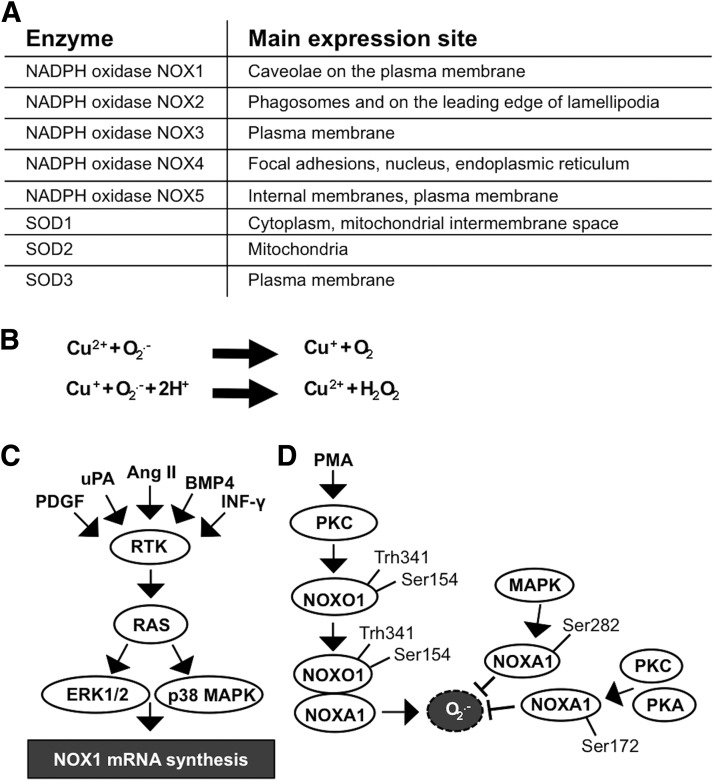
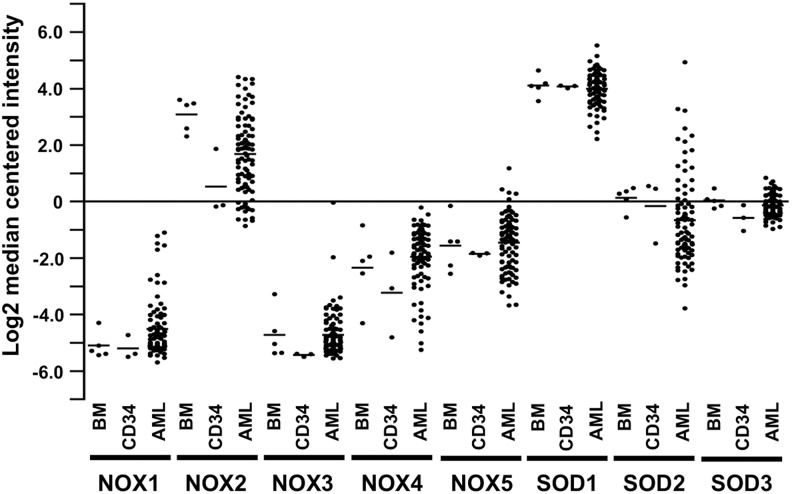
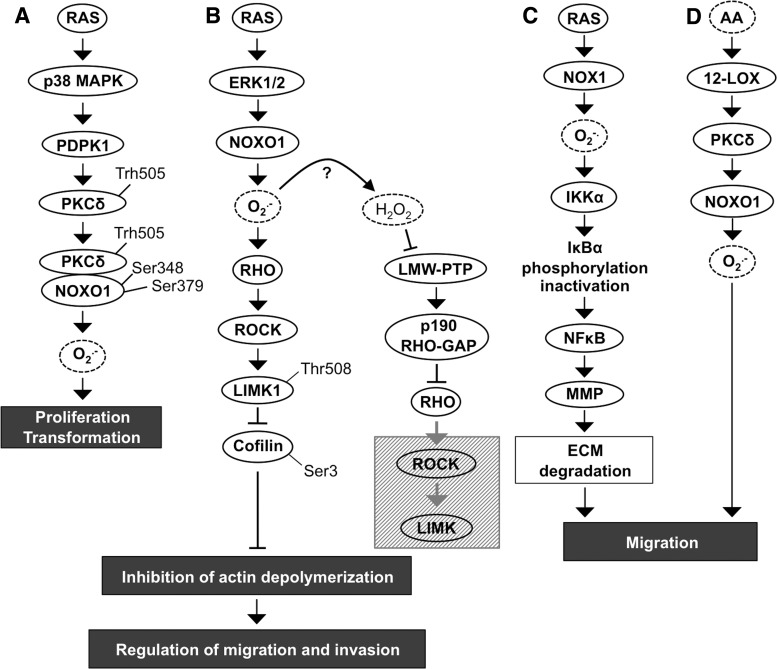
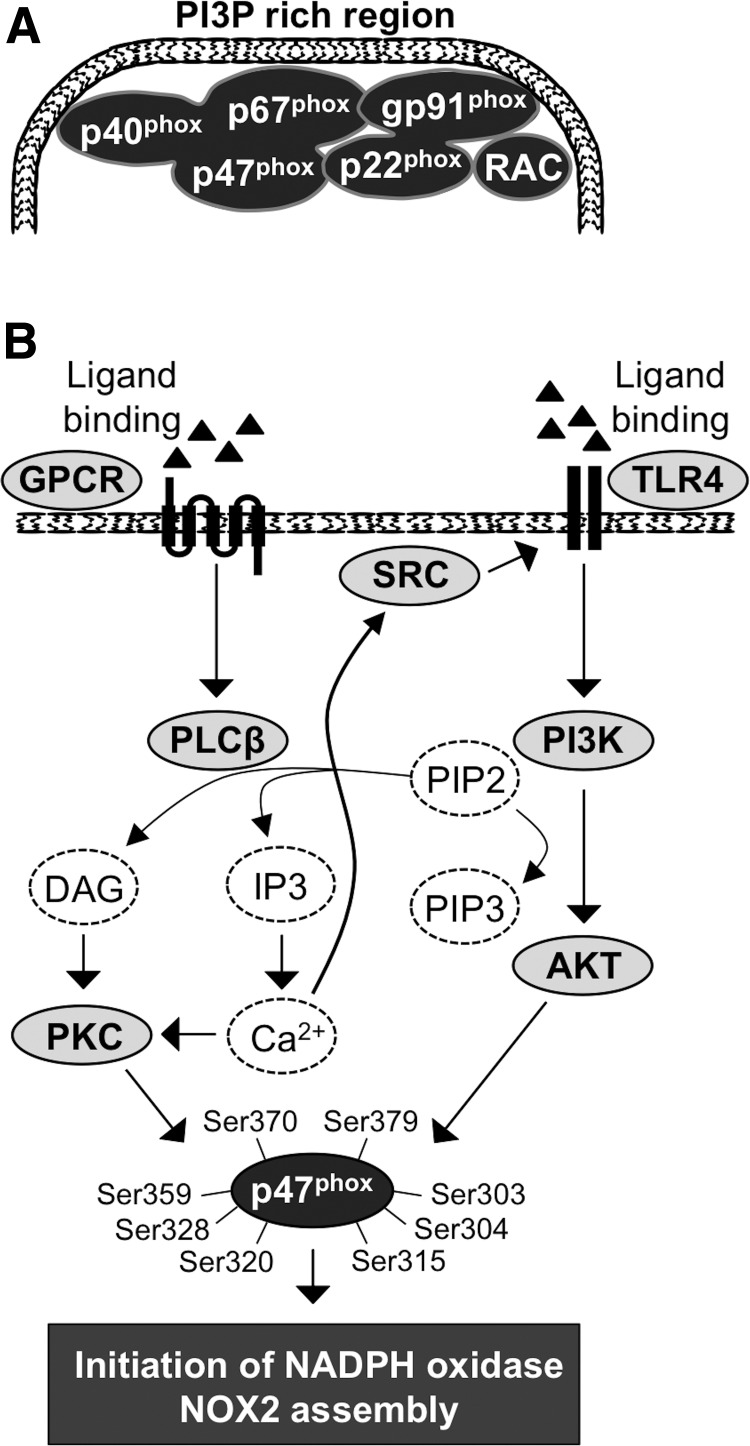
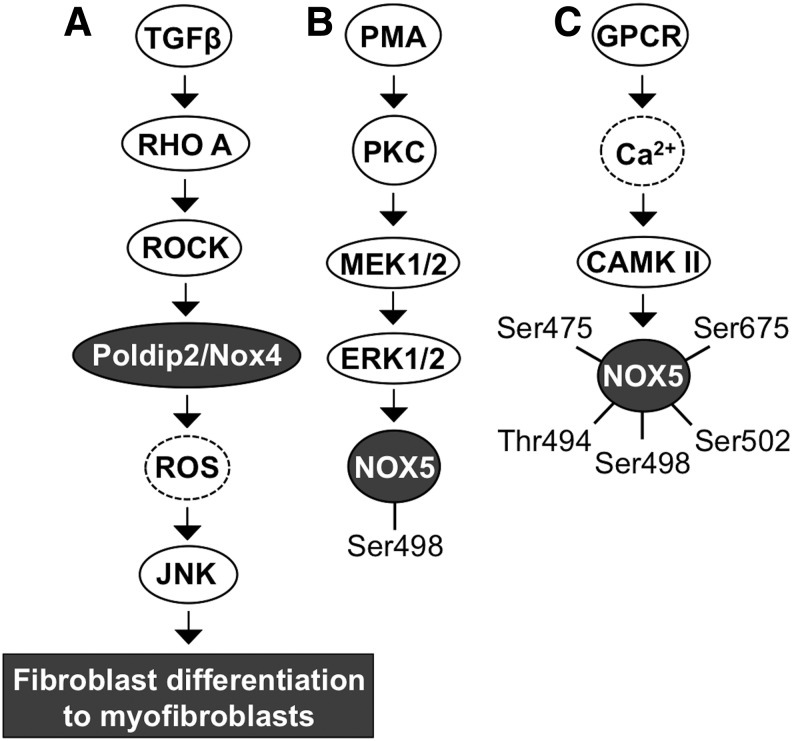
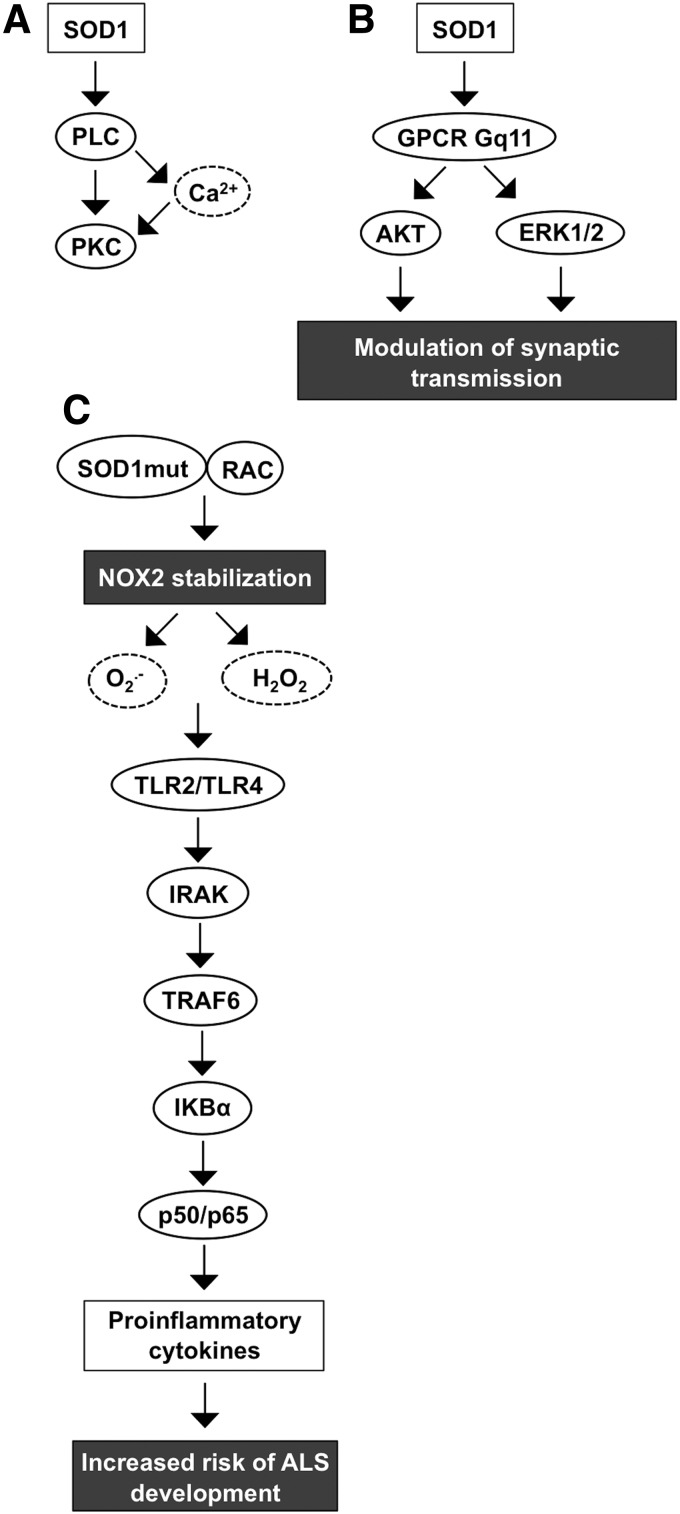
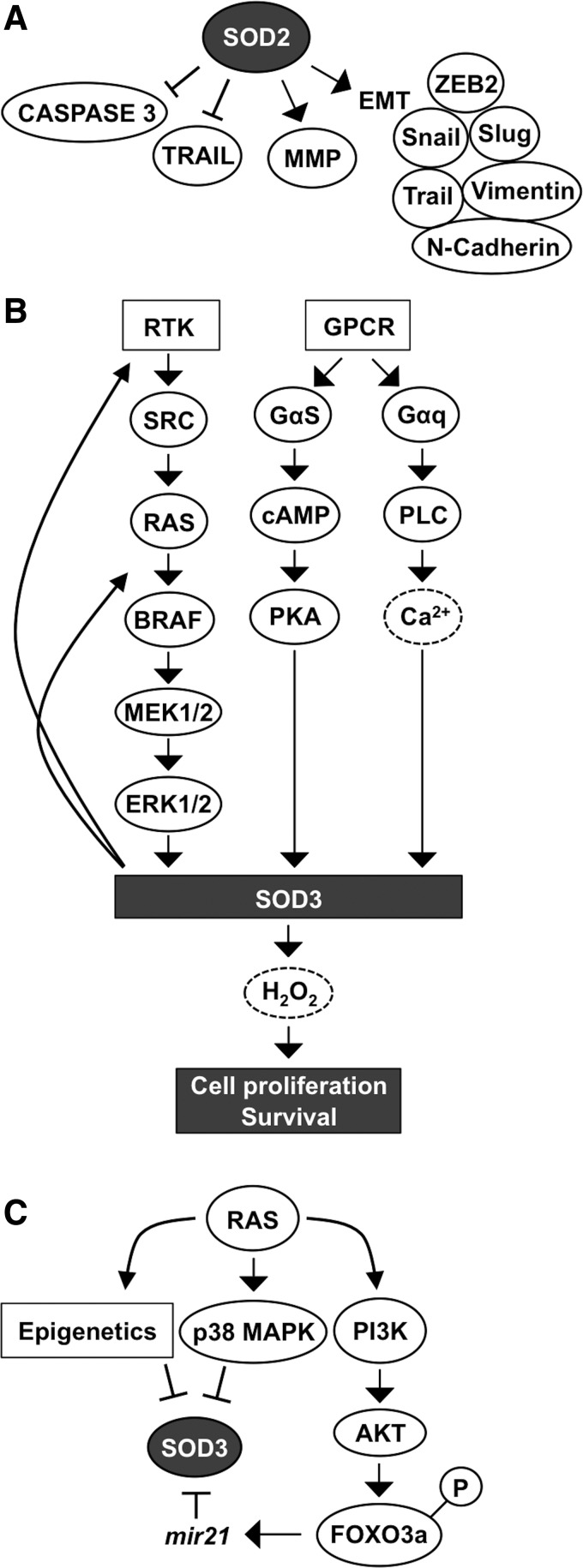
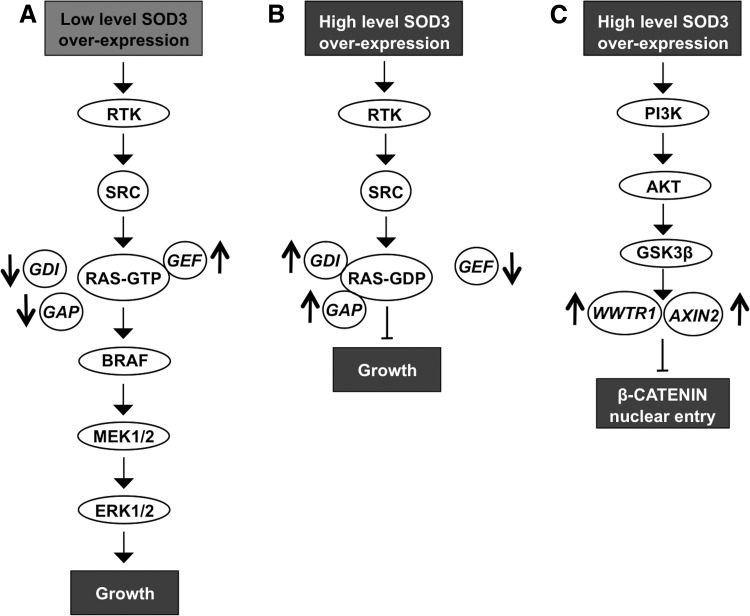
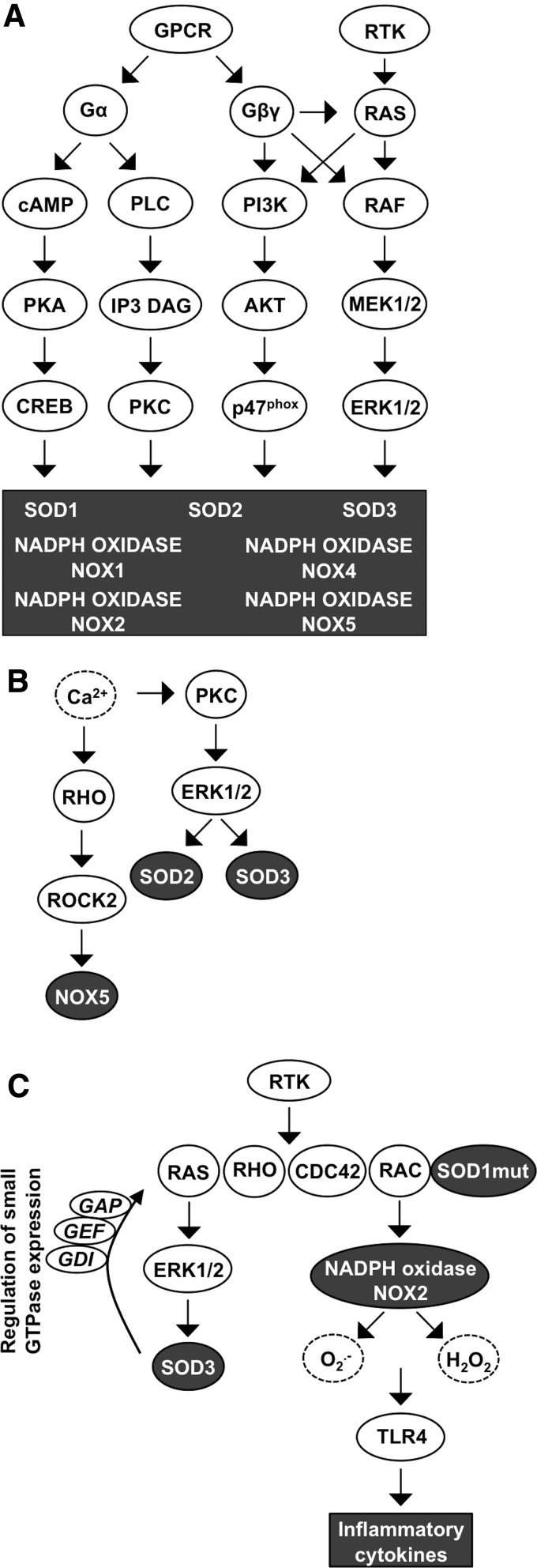
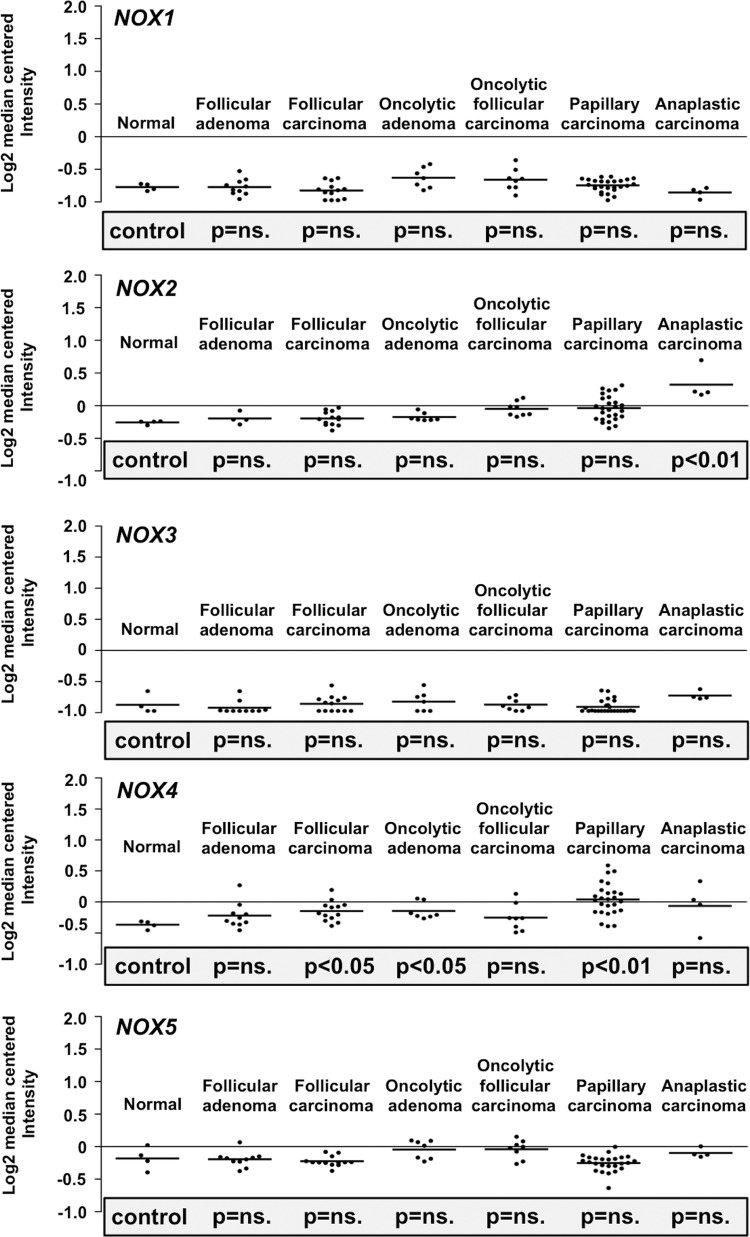
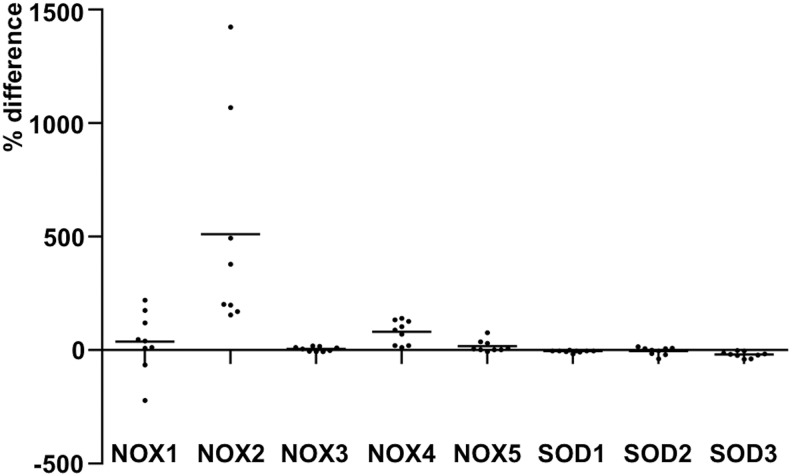
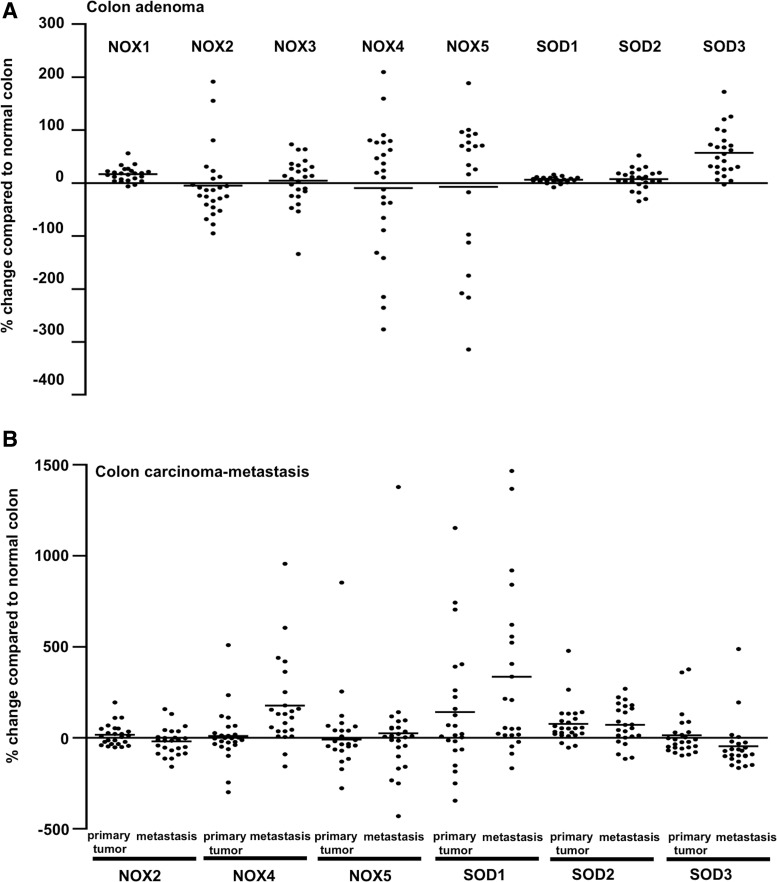
Reduction/oxidation (redox) balance could be defined as an even distribution of reduction and oxidation complementary processes and their reaction end products. There is a consensus that aberrant levels of reactive oxygen species (ROS), commonly observed in cancer, stimulate primary cell immortalization and progression of carcinogenesis. However, the mechanism how different ROS regulate redox balance is not completely understood. Recent Advances: In the current review, we have summarized the main signaling cascades inducing NADPH oxidase NOX1-5 and superoxide dismutase (SOD) 1-3 expression and their connection to cell proliferation, immortalization, transformation, and CD34 cell differentiation in thyroid, colon, lung, breast, and hematological cancers.
Interestingly, many of the signaling pathways activating redox enzymes or mediating the effect of ROS are common, such as pathways initiated from G protein-coupled receptors and tyrosine kinase receptors involving protein kinase A, phospholipase C, calcium, and small GTPase signaling molecules.
The clarification of interaction of signal transduction pathways could explain how cells regulate redox balance and may even provide means to inhibit the accumulation of harmful levels of ROS in human pathologies.
氧化还原(redox)平衡可以定义为还原和氧化互补过程及其反应终产物的均匀分布。人们普遍认为,活性氧(ROS)水平异常,常见于癌症中,会刺激原代细胞永生化和致癌作用的进展。然而,不同 ROS 如何调节氧化还原平衡的机制尚不完全清楚。
在本综述中,我们总结了诱导 NADPH 氧化酶 NOX1-5 和超氧化物歧化酶(SOD)1-3 表达的主要信号级联及其与甲状腺、结肠、肺、乳腺和血液癌症中细胞增殖、永生化、转化和 CD34 细胞分化的关系。
有趣的是,许多激活氧化还原酶或介导 ROS 作用的信号通路是共同的,例如从 G 蛋白偶联受体和酪氨酸激酶受体起始的途径,涉及蛋白激酶 A、磷脂酶 C、钙和小 GTPase 信号分子。
阐明信号转导途径的相互作用可以解释细胞如何调节氧化还原平衡,甚至可能为抑制人类疾病中有害 ROS 水平的积累提供手段。