Department of Chemistry and Biochemistry, University of Texas at Arlington, Arlington, Texas, United States of America.
Immunity, Inflammation and Disease Laboratory, National Institute of Environmental Health Sciences, National Institutes of Health, Research Triangle Park, North Carolina, United States of America.
PLoS One. 2018 Feb 26;13(2):e0193104. doi: 10.1371/journal.pone.0193104. eCollection 2018.
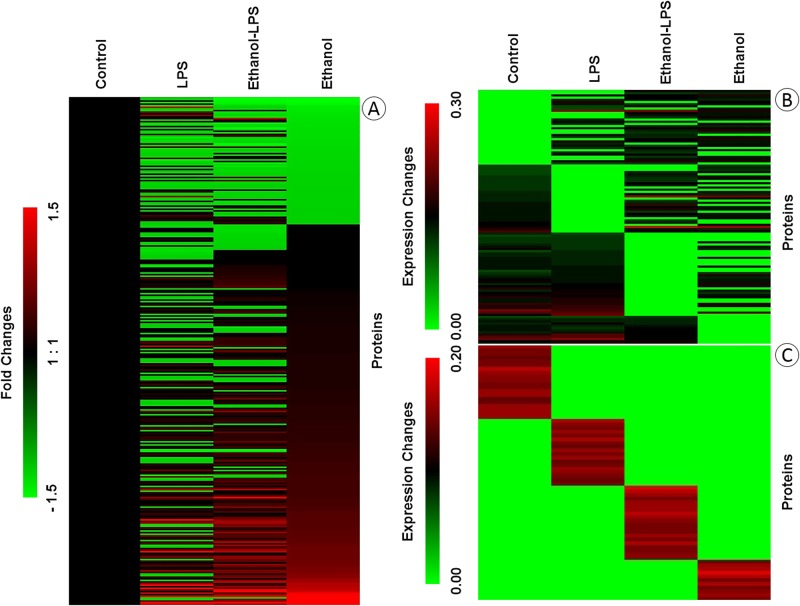
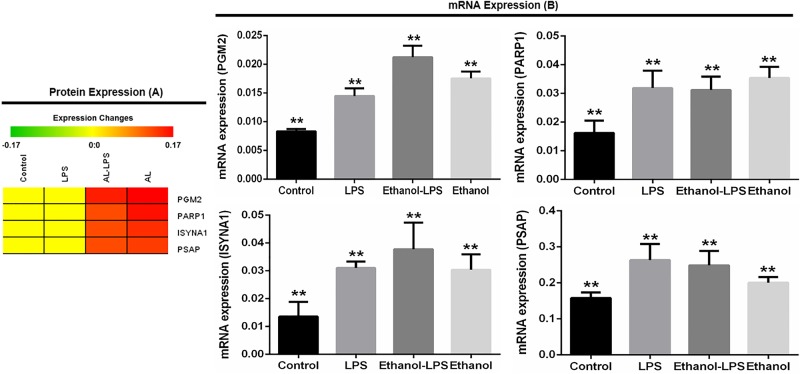
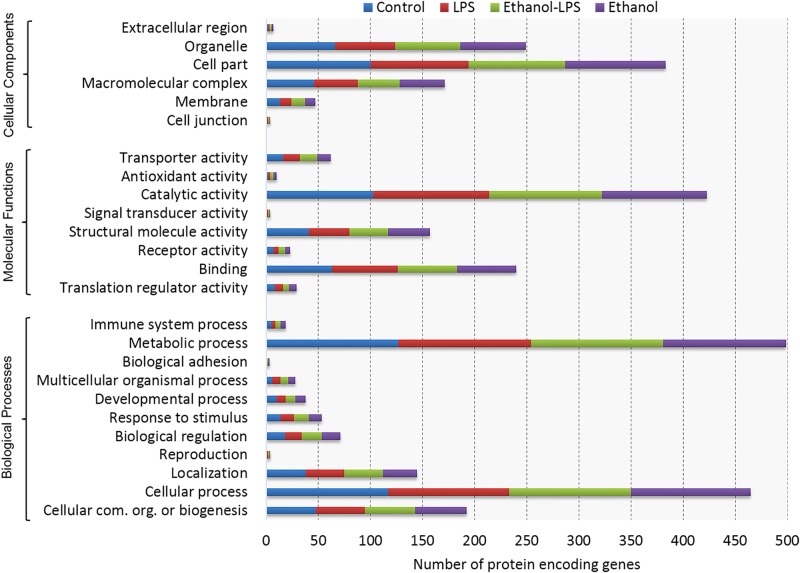
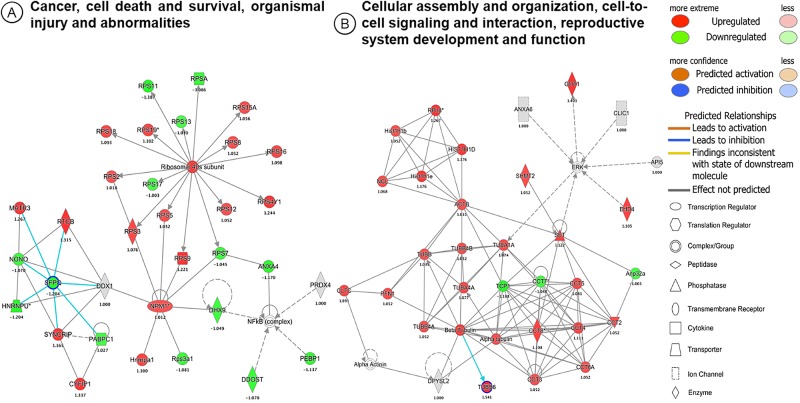
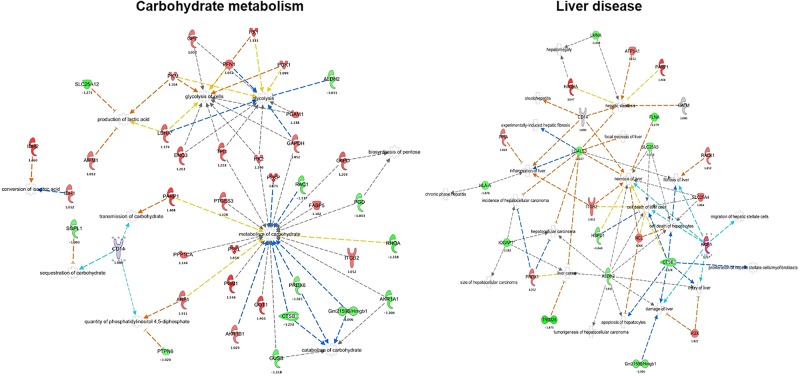
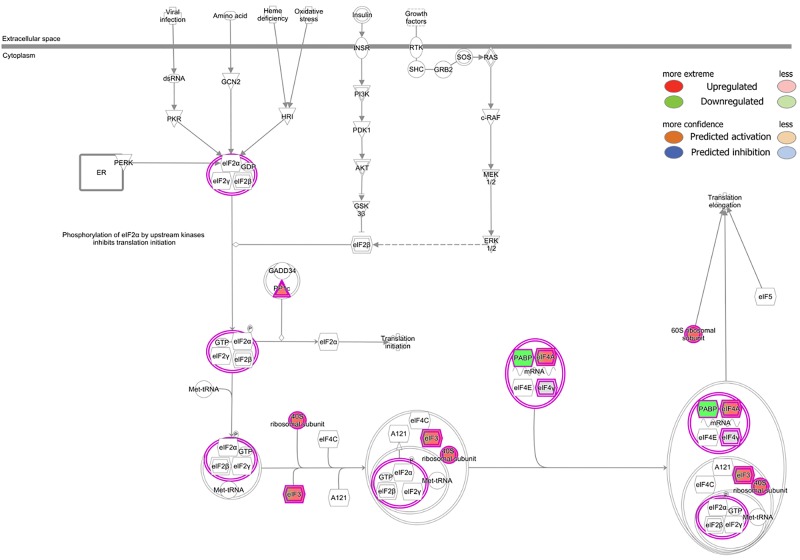
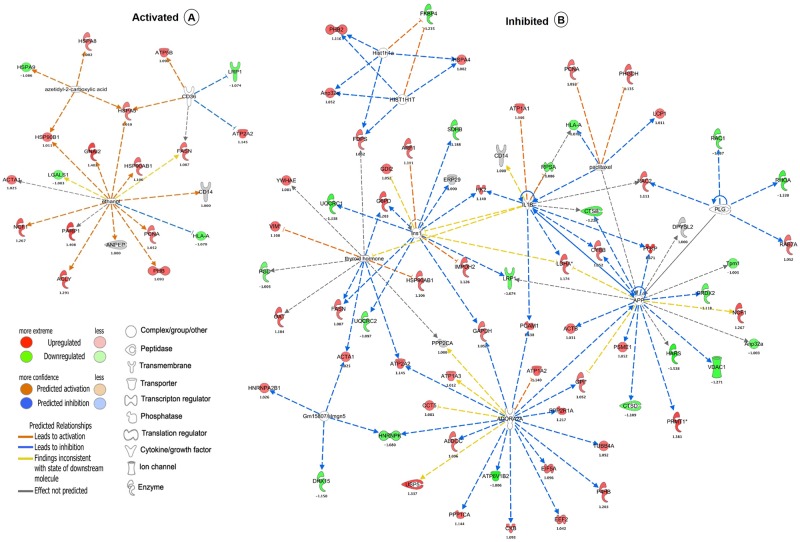
Macrophages are specialized phagocytes that play an essential role in inflammation, immunity, and tissue repair. Profiling the global proteomic response of macrophages to microbial molecules such as bacterial lipopolysaccharide is key to understanding fundamental mechanisms of inflammatory disease. Ethanol is a widely abused substance that has complex effects on inflammation. Reports have indicated that ethanol can activate or inhibit the lipopolysaccharide receptor, Toll-like Receptor 4, in different settings, with important consequences for liver and neurologic inflammation, but the underlying mechanisms are poorly understood. To profile the sequential effect of low dose ethanol and lipopolysaccharide on macrophages, a gel-free proteomic technique was applied to RAW 264.7 macrophages. Five hundred four differentially expressed proteins were identified and quantified with high confidence using ≥ 5 peptide spectral matches. Among these, 319 proteins were shared across all treatment conditions, and 69 proteins were exclusively identified in ethanol-treated or lipopolysaccharide-stimulated cells. The interactive impact of ethanol and lipopolysaccharide on the macrophage proteome was evaluated using bioinformatics tools, enabling identification of differentially responsive proteins, protein interaction networks, disease- and function-based networks, canonical pathways, and upstream regulators. Five candidate protein coding genes (PGM2, ISYNA1, PARP1, and PSAP) were further validated by qRT-PCR that mostly related to glucose metabolism and fatty acid synthesis pathways. Taken together, this study describes for the first time at a systems level the interaction between ethanol and lipopolysaccharide in the proteomic programming of macrophages, and offers new mechanistic insights into the biology that may underlie the impact of ethanol on infectious and inflammatory disease in humans.
巨噬细胞是一种专门的吞噬细胞,在炎症、免疫和组织修复中起着至关重要的作用。分析巨噬细胞对微生物分子(如细菌脂多糖)的全球蛋白质组反应,是理解炎症性疾病基本机制的关键。乙醇是一种广泛滥用的物质,对炎症有复杂的影响。有报道称,乙醇在不同环境下可以激活或抑制脂多糖受体,Toll 样受体 4,这对肝脏和神经炎症有重要影响,但潜在机制尚不清楚。为了分析低剂量乙醇和脂多糖对巨噬细胞的顺序影响,采用无凝胶蛋白质组学技术对 RAW 264.7 巨噬细胞进行分析。使用≥5 个肽谱匹配,以高置信度鉴定和定量了 504 个差异表达蛋白。其中,319 个蛋白在所有处理条件下均有共享,69 个蛋白仅在乙醇处理或脂多糖刺激的细胞中被鉴定。使用生物信息学工具评估乙醇和脂多糖对巨噬细胞蛋白质组的交互影响,从而能够鉴定差异反应蛋白、蛋白质相互作用网络、基于疾病和功能的网络、经典途径和上游调节剂。通过 qRT-PCR 进一步验证了 5 个候选蛋白编码基因(PGM2、ISYNA1、PARP1 和 PSAP),这些基因主要与葡萄糖代谢和脂肪酸合成途径有关。综上所述,本研究首次在系统水平上描述了乙醇和脂多糖在巨噬细胞蛋白质组编程中的相互作用,并为乙醇对人类感染性和炎症性疾病的影响提供了新的机制见解。