West Michael D, Labat Ivan, Sternberg Hal, Larocca Dana, Nasonkin Igor, Chapman Karen B, Singh Ratnesh, Makarev Eugene, Aliper Alex, Kazennov Andrey, Alekseenko Andrey, Shuvalov Nikolai, Cheskidova Evgenia, Alekseev Aleksandr, Artemov Artem, Putin Evgeny, Mamoshina Polina, Pryanichnikov Nikita, Larocca Jacob, Copeland Karen, Izumchenko Evgeny, Korzinkin Mikhail, Zhavoronkov Alex
AgeX Therapeutics, Inc., Alameda, CA, USA.
BioTime, Inc., Alameda, CA, USA.
Oncotarget. 2017 Dec 28;9(8):7796-7811. doi: 10.18632/oncotarget.23748. eCollection 2018 Jan 30.
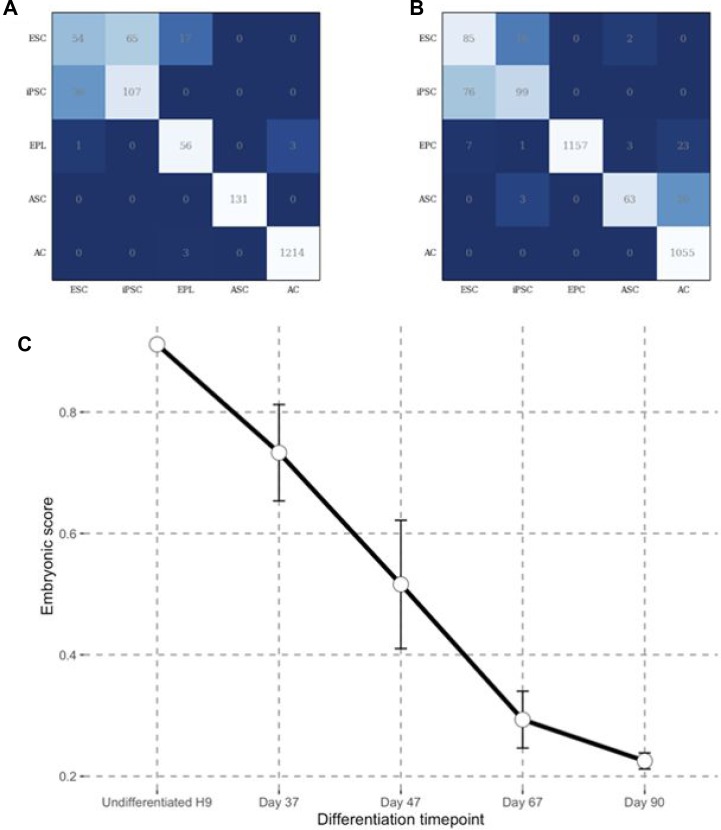
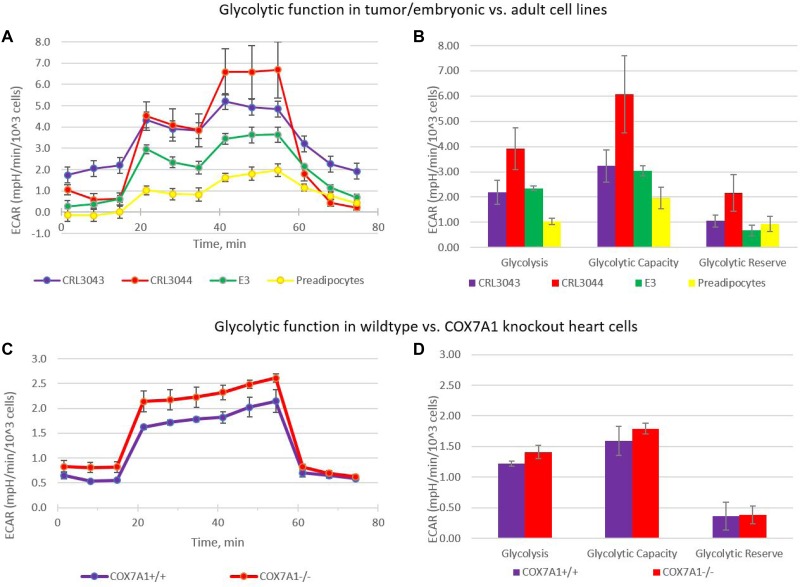
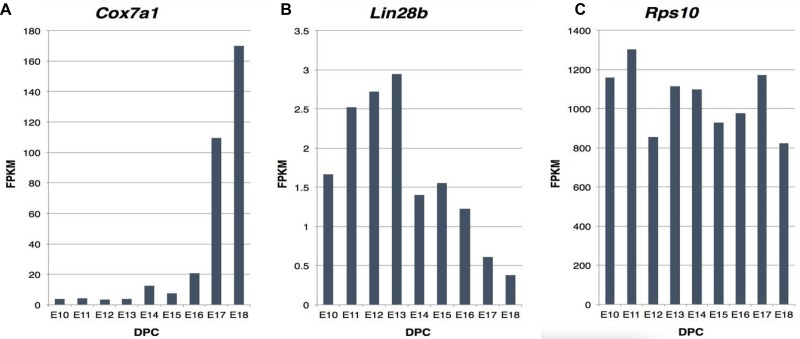
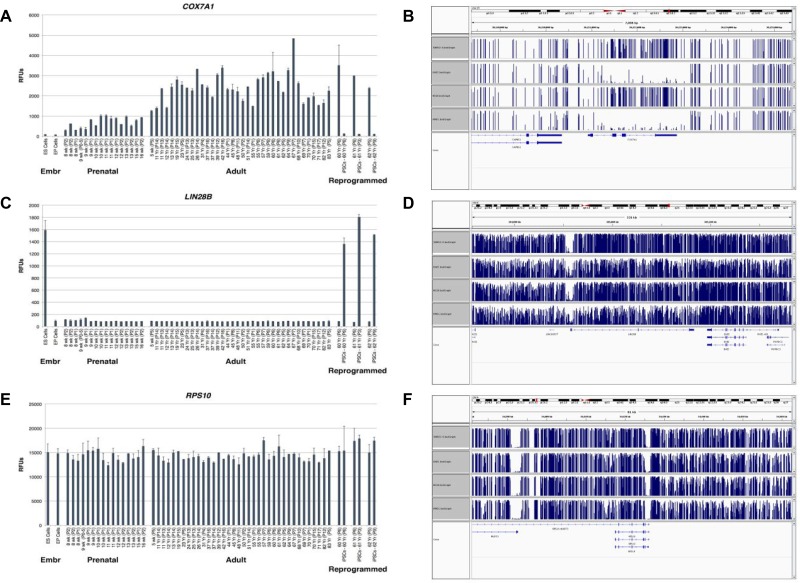
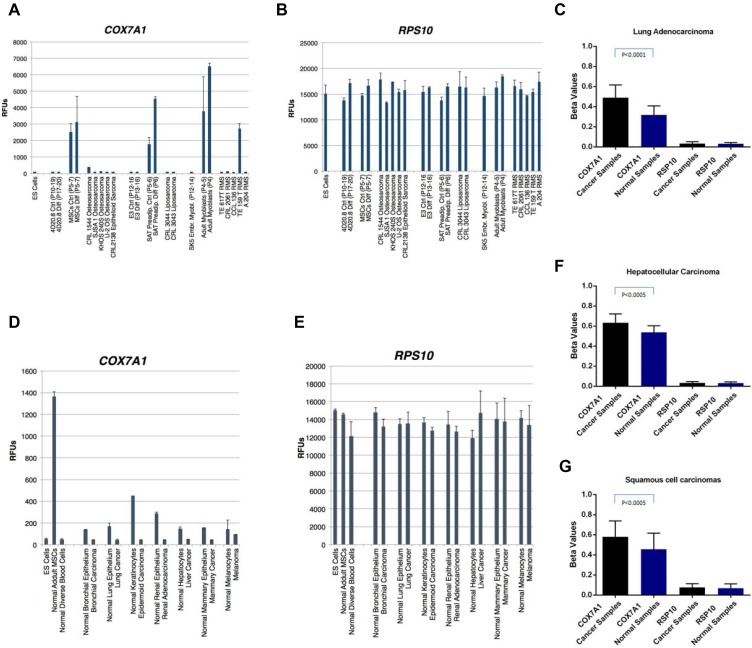
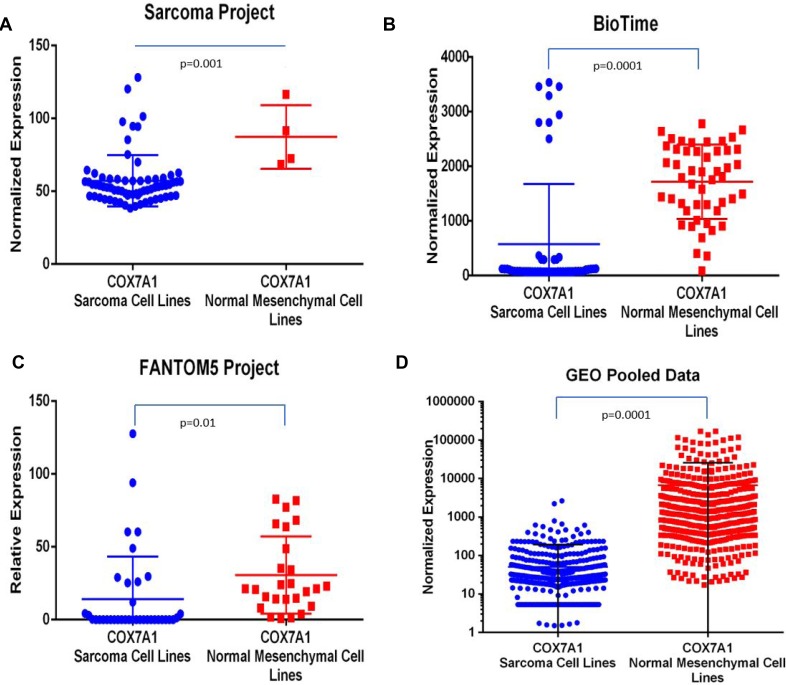
Here we present the application of deep neural network (DNN) ensembles trained on transcriptomic data to identify the novel markers associated with the mammalian embryonic-fetal transition (EFT). Molecular markers of this process could provide important insights into regulatory mechanisms of normal development, epimorphic tissue regeneration and cancer. Subsequent analysis of the most significant genes behind the DNNs classifier on an independent dataset of adult-derived and human embryonic stem cell (hESC)-derived progenitor cell lines led to the identification of gene as a potential EFT marker. , encoding a cytochrome C oxidase subunit, was up-regulated in post-EFT murine and human cells including adult stem cells, but was not expressed in pre-EFT pluripotent embryonic stem cells or their -derived progeny. expression level was observed to be undetectable or low in multiple sarcoma and carcinoma cell lines as compared to normal controls. The knockout of the gene in mice led to a marked glycolytic shift reminiscent of the Warburg effect that occurs in cancer cells. The DNN approach facilitated the elucidation of a potentially new biomarker of cancer and pre-EFT cells, the embryo-onco phenotype, which may potentially be used as a target for controlling the embryonic-fetal transition.
在此,我们展示了在转录组数据上训练的深度神经网络(DNN)集成的应用,以识别与哺乳动物胚胎 - 胎儿转变(EFT)相关的新标记物。这一过程的分子标记物可为正常发育、再生组织修复和癌症的调控机制提供重要见解。随后,在一个独立的成年来源和人胚胎干细胞(hESC)来源的祖细胞系数据集上,对DNN分类器背后最重要的基因进行分析,从而鉴定出一个基因作为潜在的EFT标记物。该基因编码细胞色素C氧化酶亚基,在EFT后的小鼠和人类细胞(包括成体干细胞)中上调,但在EFT前的多能胚胎干细胞或其衍生的后代中不表达。与正常对照相比,在多种肉瘤和癌细胞系中观察到该基因的表达水平不可检测或很低。在小鼠中敲除该基因会导致明显的糖酵解转变,类似于癌细胞中发生的瓦伯格效应。DNN方法有助于阐明一种潜在的癌症和EFT前细胞的新生物标志物,即胚胎 - 肿瘤表型,它可能被用作控制胚胎 - 胎儿转变的靶点。