Alkahtani Saad Ahmed, Kunwar Pramod S, Jalilifar Mostafa, Rashidi Samaneh, Yadollahpour Ali
Department of Clinical Pharmacy, College of Pharmacy, Najran University, Najran, Kingdom of Saudi Arabia.
Department of Pharmaceutics, Modern Institute of Pharmaceutical Sciences, Indore, Madhya Pradesh 453111, India.
Cureus. 2017 Dec 15;9(12):e1952. doi: 10.7759/cureus.1952.
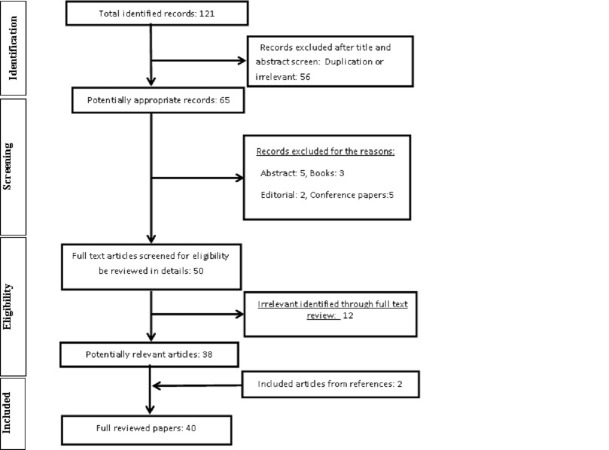
Ultrasound (US) waves have been recently developed for the treatment of different chronic wounds with promising therapeutic outcomes. However, the clinical efficacy of these techniques is still not fully understood and standard guidelines on dose ranges and possible side effects should be determined. This paper aims to comprehensively review the recent advances in US techniques for chronic wound treatment, their therapeutic efficacies, and clinical considerations and challenges. The databases of PubMed (1985-2017), EMBASE (1985-2017), Web of Sciences (1985-2017), Cochrane central library (1990-2017), and Google Scholar (1980-2017) were searched using the set terms. The obtained results were screened for the title and abstract by two authors and the relevant papers were reviewed for further details. Preclinical and clinical studies have shown strong evidence on the therapeutic efficiency of US in chronic wounds. The main limitation on developing clinical standard protocols of US for treatment of wounds is the lack of definite dose-response for each wound. However, spatial average temporal average is the main parameter for defining US dosage in wound treatment. The range of 0.5 to 3 W/cm is a range of dose exerting significant therapeutic outcomes and minimum adverse effects. Low-frequency US waves can accelerate the healing speed of open wounds as well as deep-tissue injuries. In addition, US waves show promising therapeutic efficacy for chronic wounds. To develop clinical US protocol for each wound type, further in vitro and in vivo preclinical and clinical trials are needed to reach an exact dose-response for each wound type.
最近,超声波(US)已被用于治疗各种慢性伤口,并取得了有前景的治疗效果。然而,这些技术的临床疗效仍未被完全了解,应确定剂量范围和可能的副作用的标准指南。本文旨在全面综述超声技术在慢性伤口治疗方面的最新进展、其治疗效果以及临床考量和挑战。使用设定的术语检索了PubMed(1985 - 2017年)、EMBASE(1985 - 2017年)、Web of Sciences(1985 - 2017年)、Cochrane中心图书馆(1990 - 2017年)和谷歌学术(1980 - 2017年)的数据库。由两位作者对获得的结果进行标题和摘要筛选,并对相关论文进行进一步详细审查。临床前和临床研究已有力证明超声在慢性伤口治疗中的治疗效果。开发超声治疗伤口的临床标准方案的主要限制在于缺乏针对每种伤口的明确剂量反应。然而,空间平均时间平均是定义伤口治疗中超声剂量的主要参数。0.5至3 W/cm的范围是能产生显著治疗效果且副作用最小的剂量范围。低频超声波可以加快开放性伤口以及深部组织损伤的愈合速度。此外,超声波对慢性伤口显示出有前景的治疗效果。为针对每种伤口类型制定临床超声方案,需要进一步进行体外和体内临床前及临床试验,以确定每种伤口类型的确切剂量反应。