Wellcome Trust-MRC Cambridge Stem Cell Institute, Anne McLaren Laboratory and Department of Surgery, University of Cambridge, Cambridge CB2 0SZ, UK.
Wellcome Trust Sanger Institute, Hinxton CB10 1SA, UK.
Nature. 2018 Mar 8;555(7695):256-259. doi: 10.1038/nature25784. Epub 2018 Feb 28.
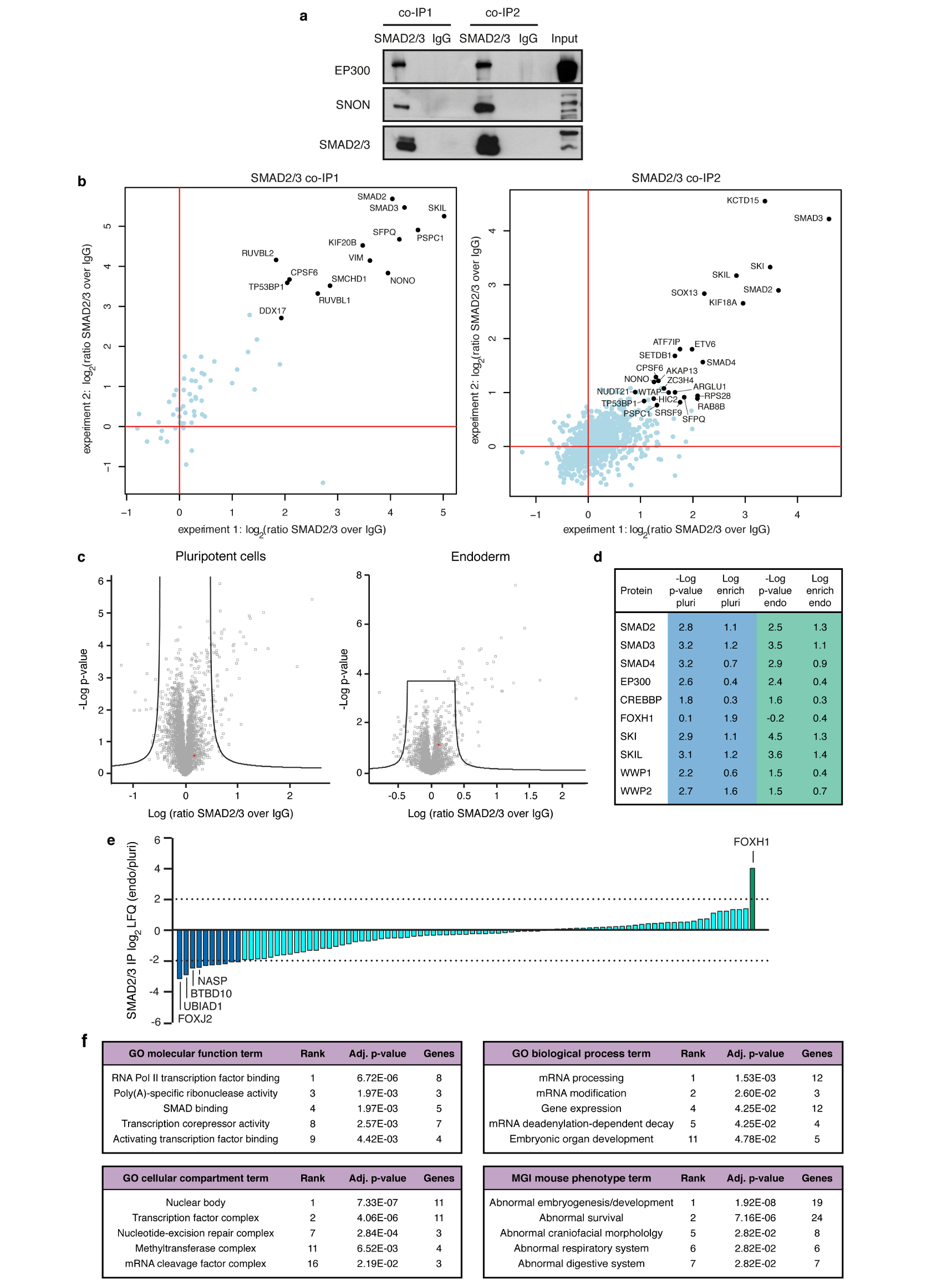
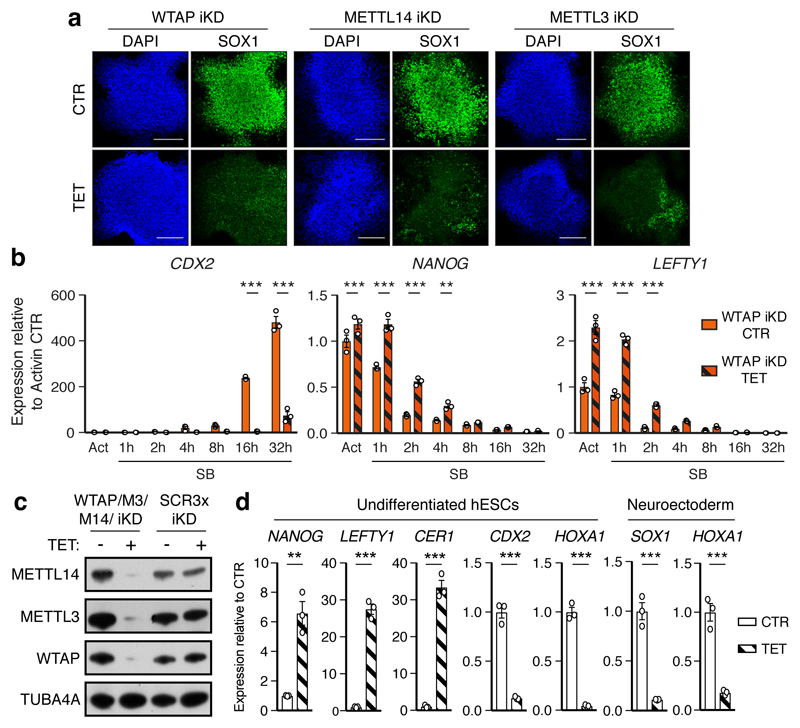
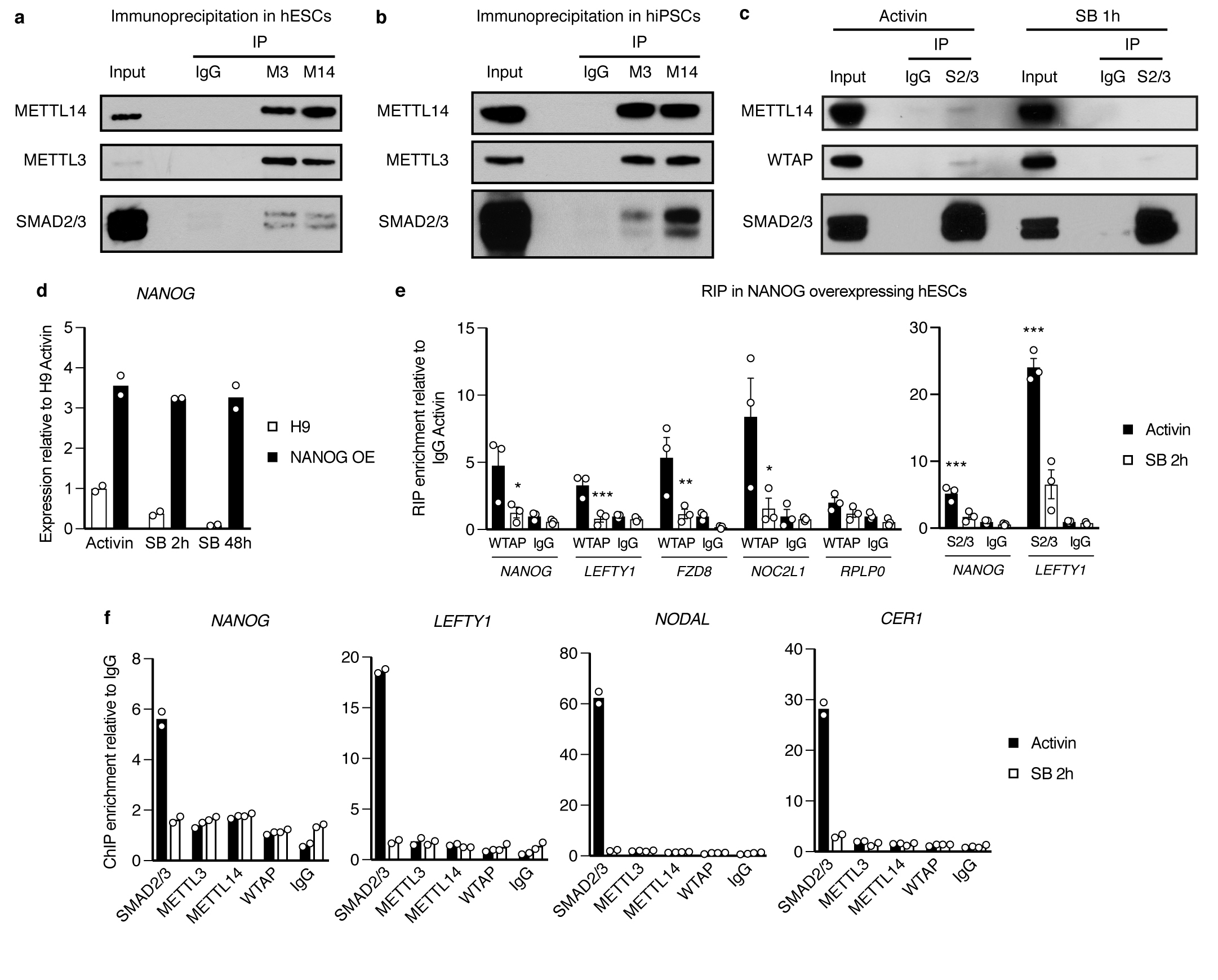
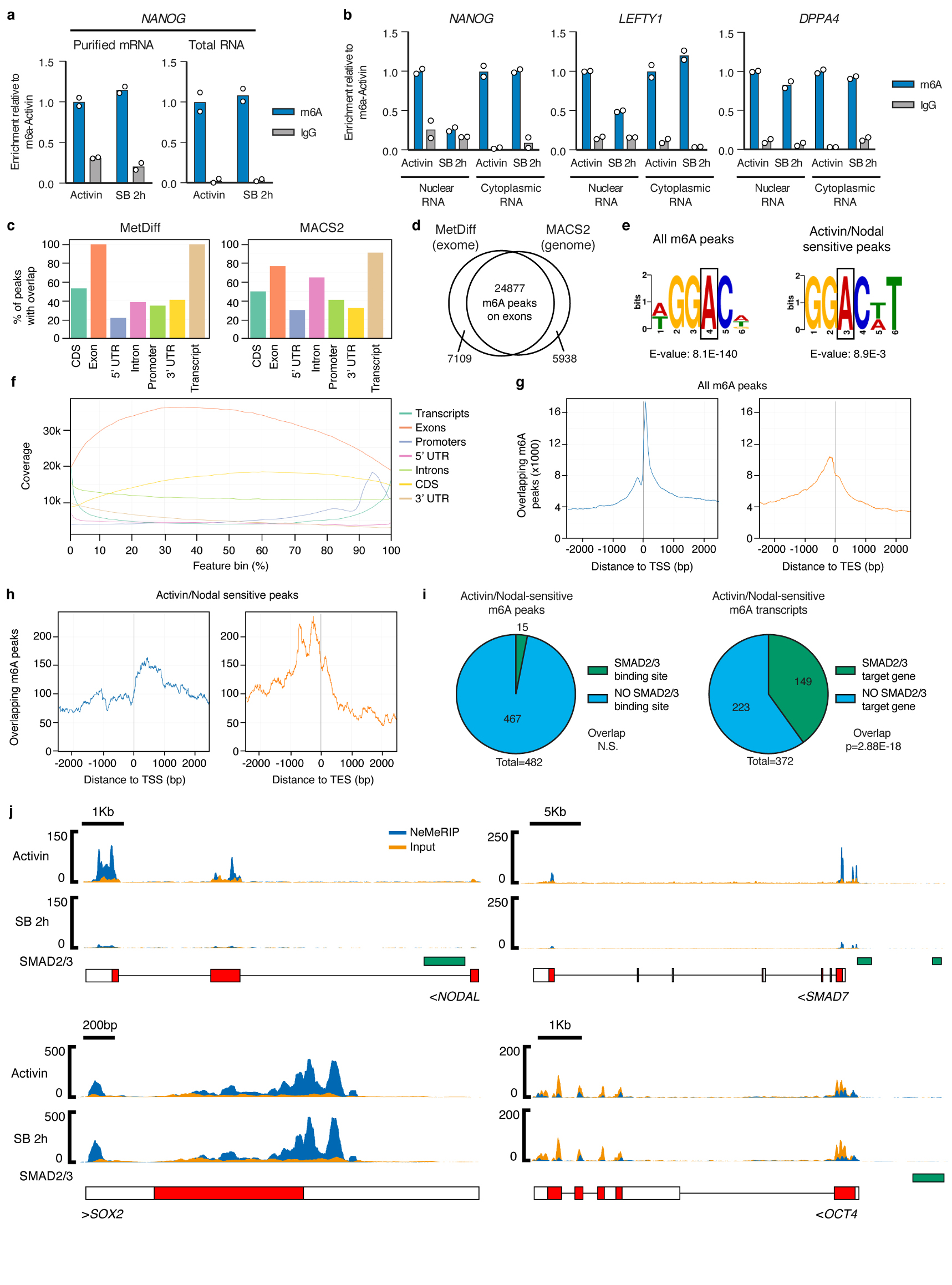
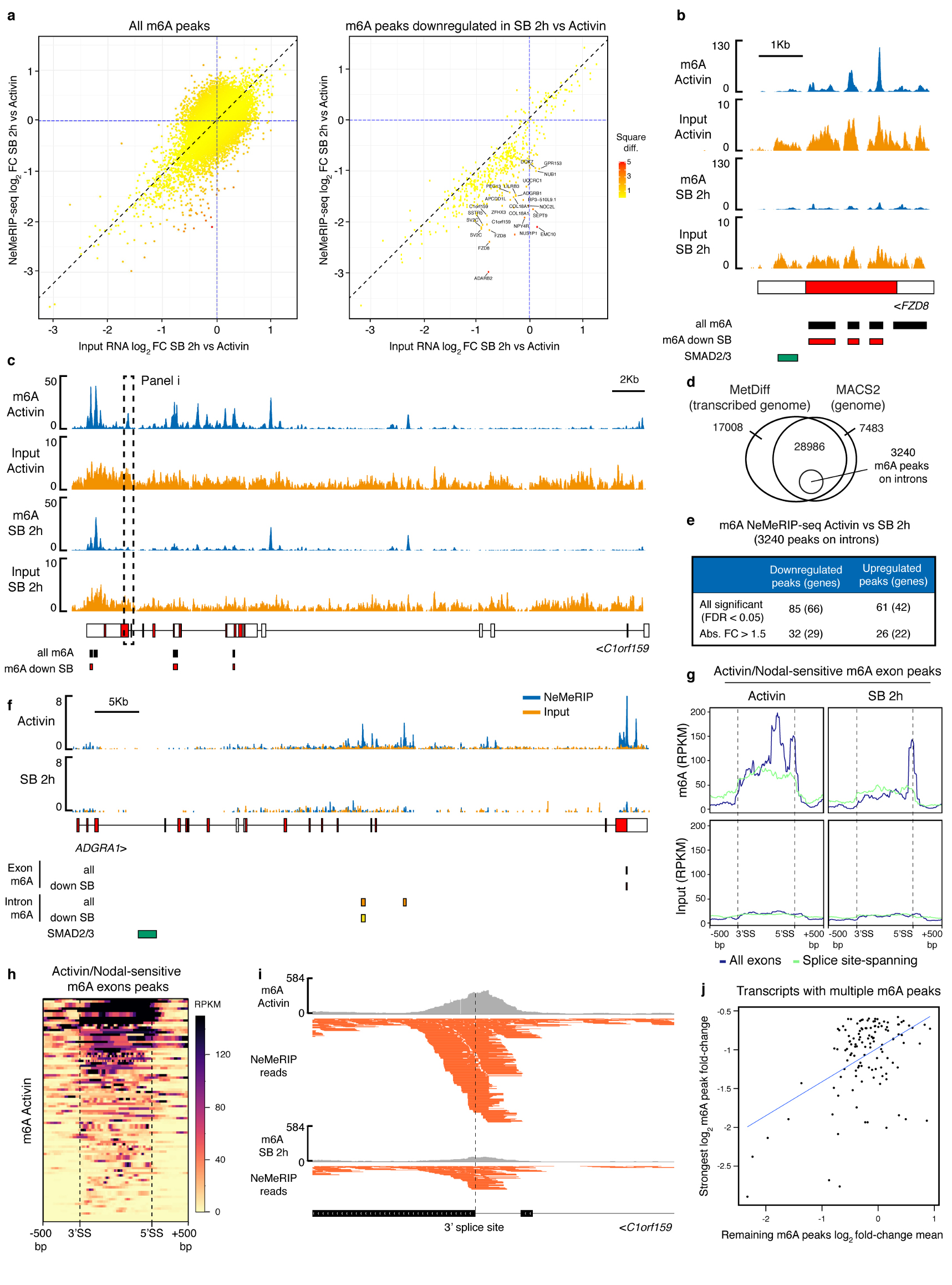
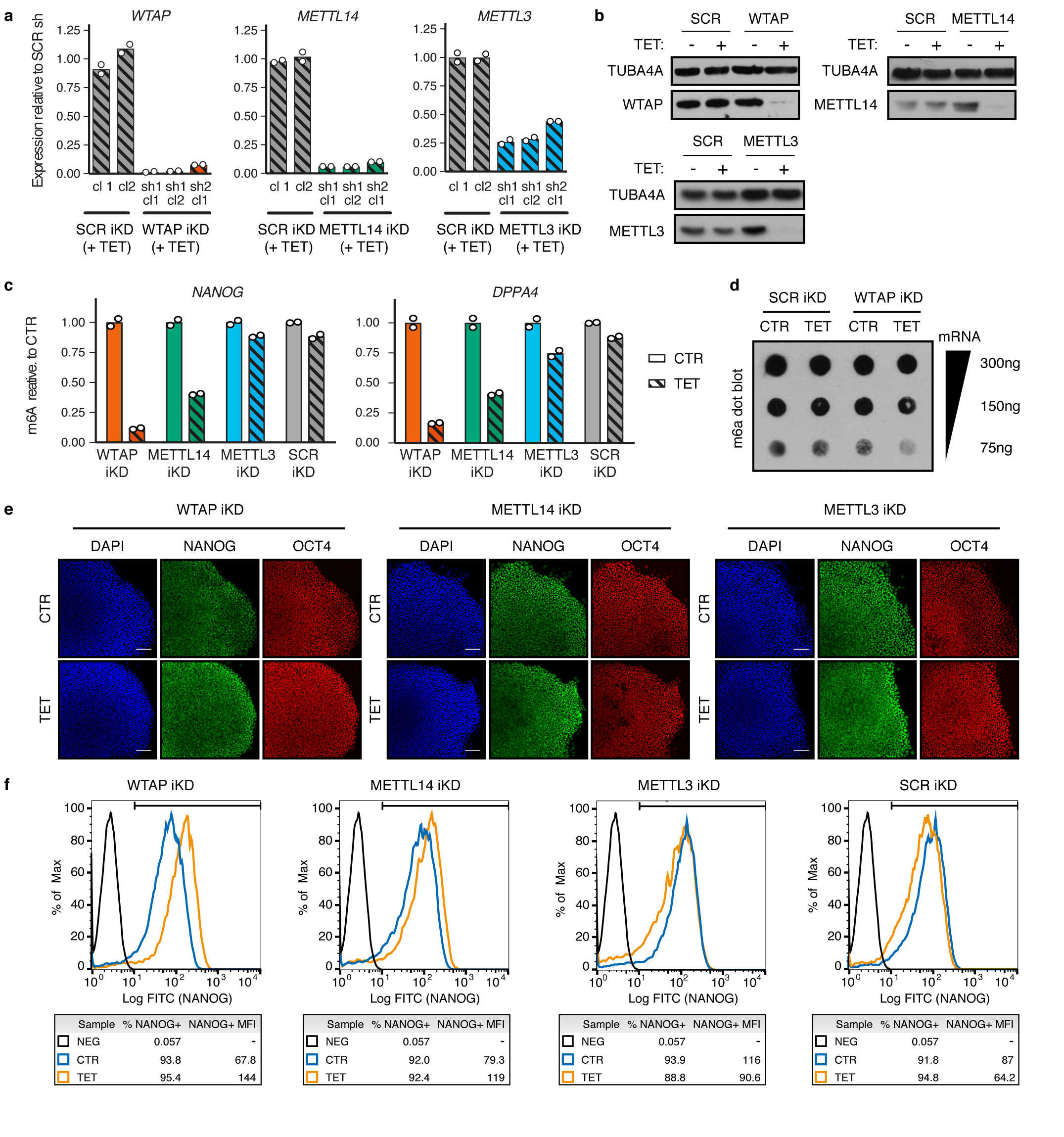
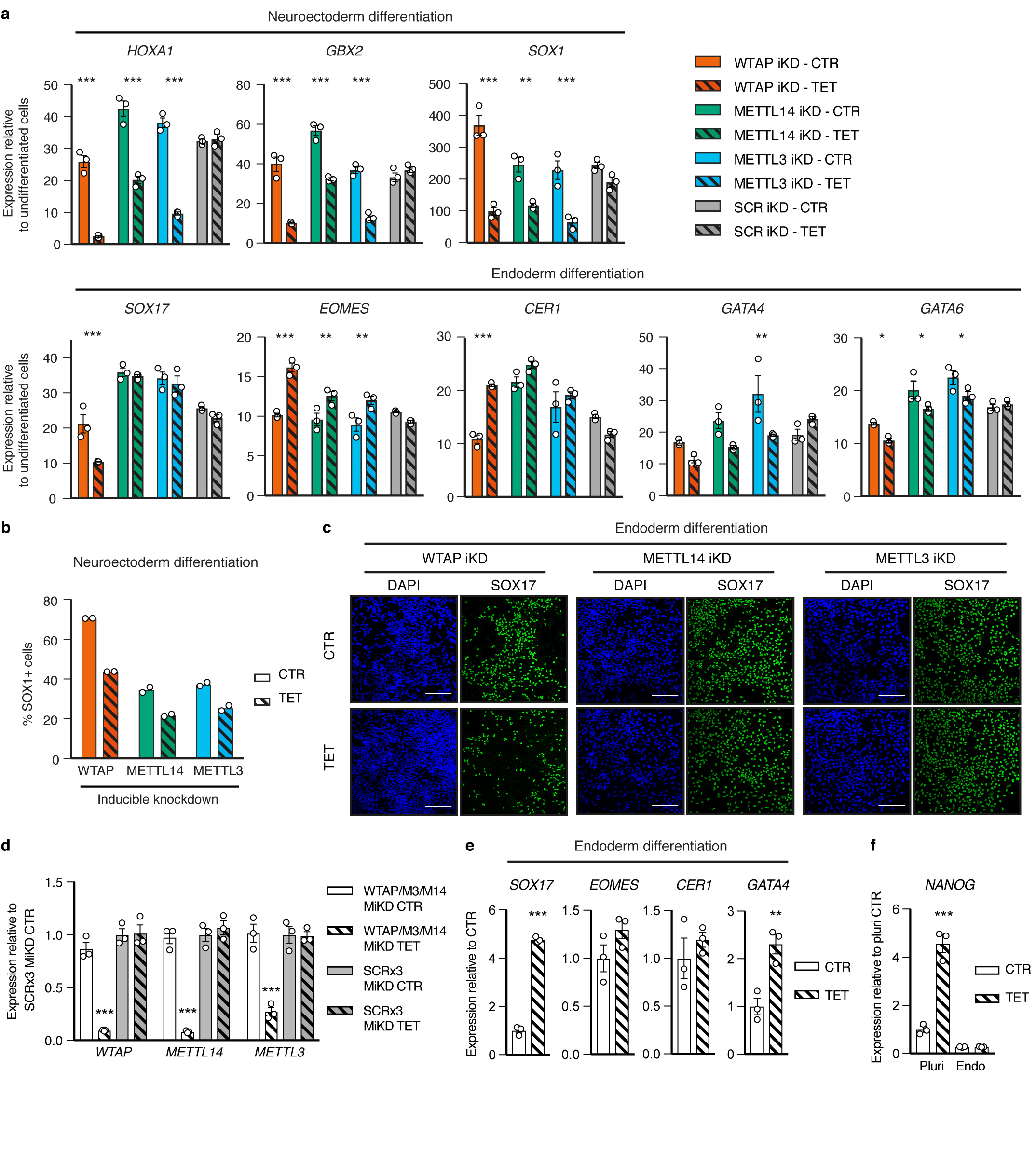
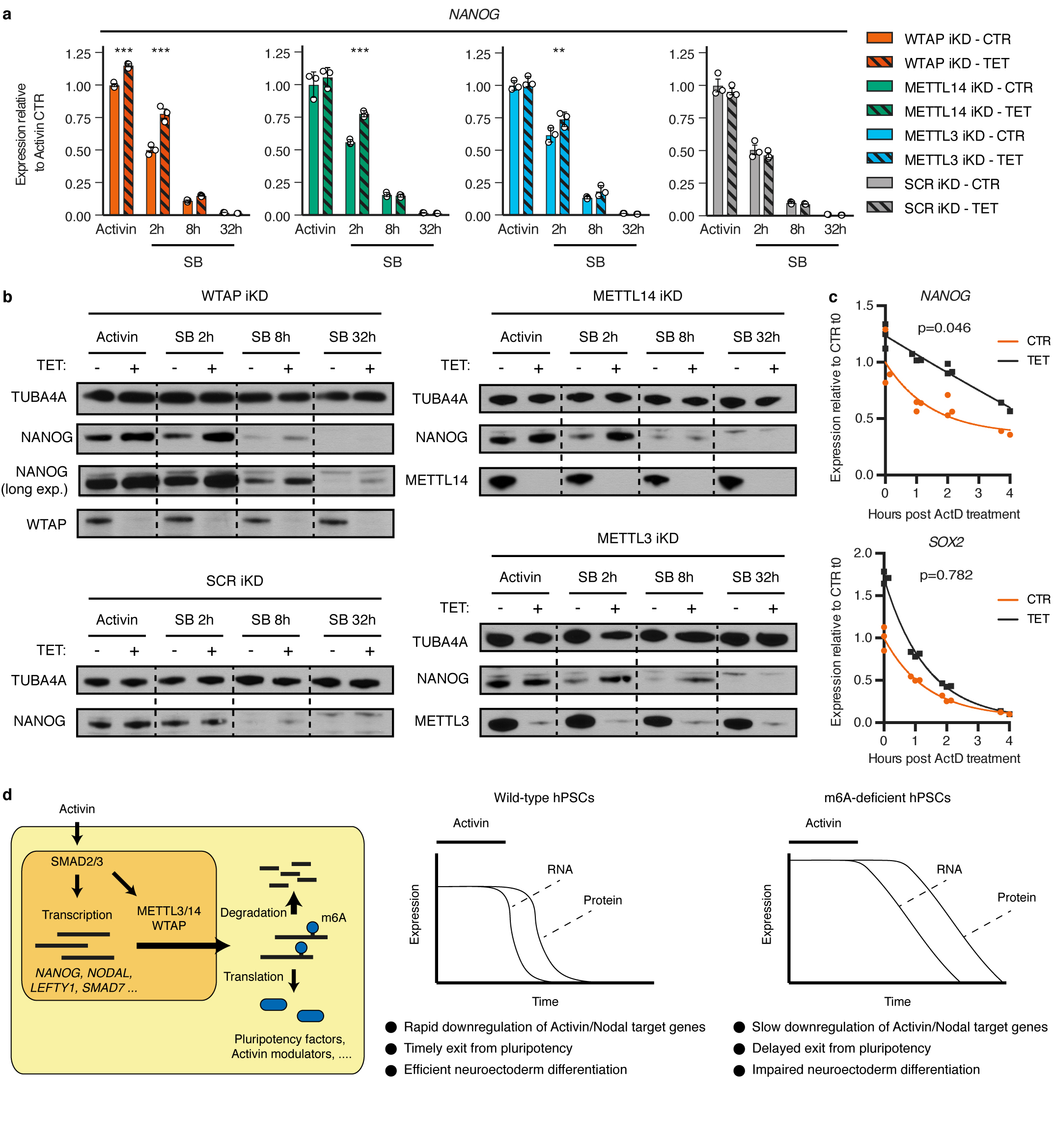
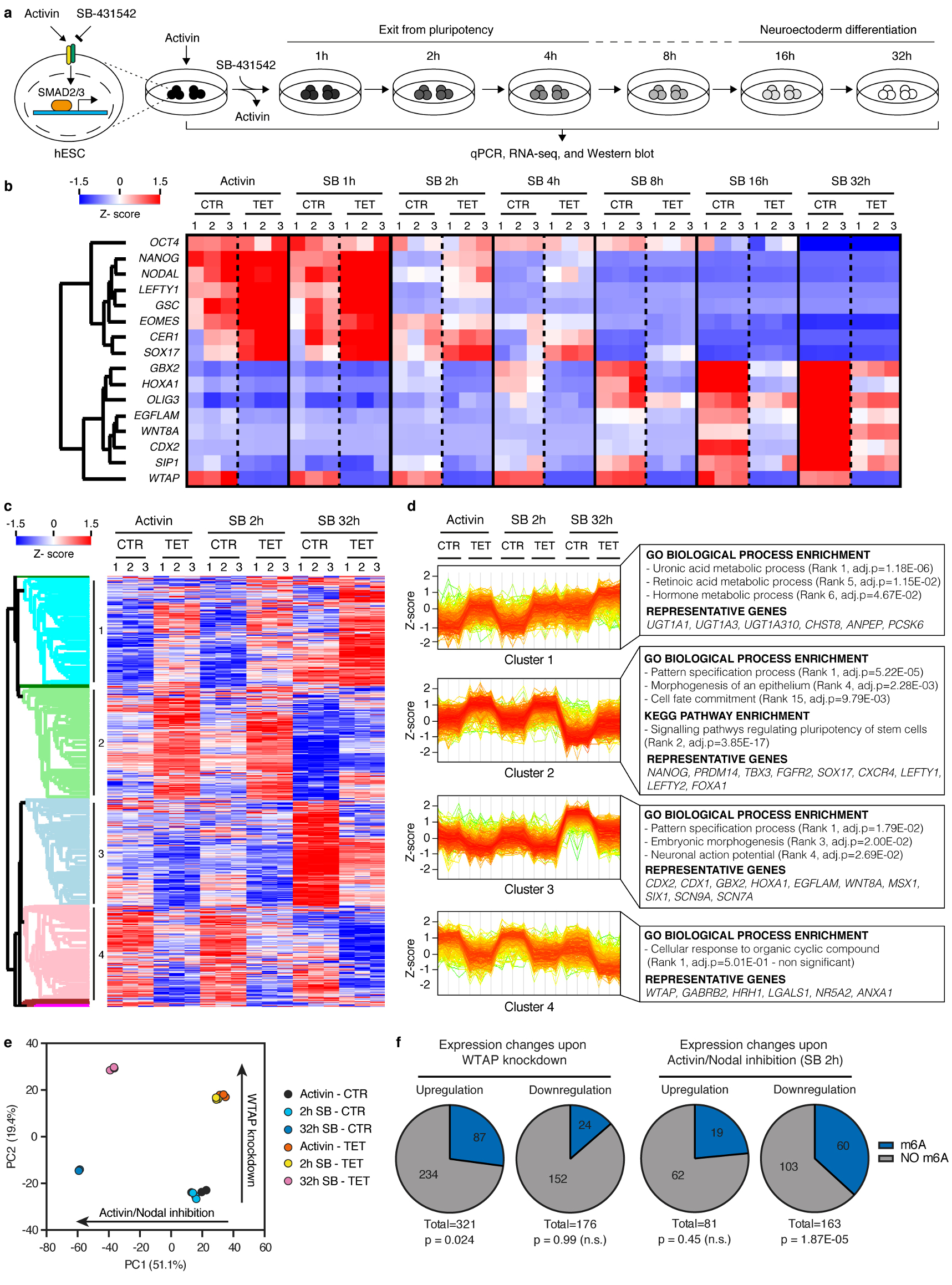
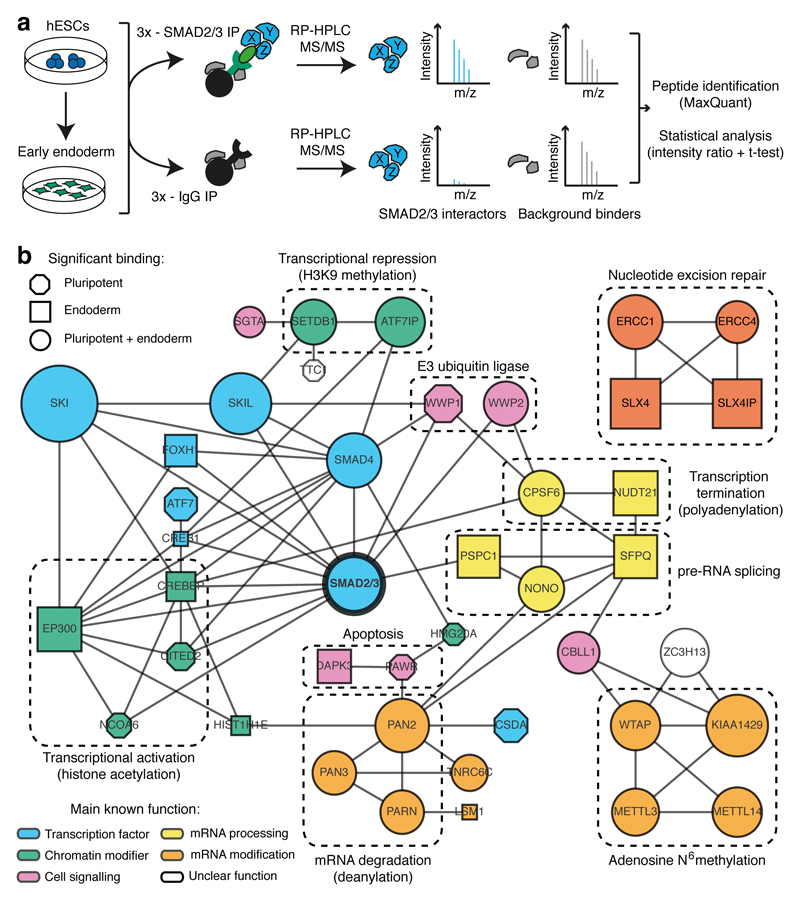
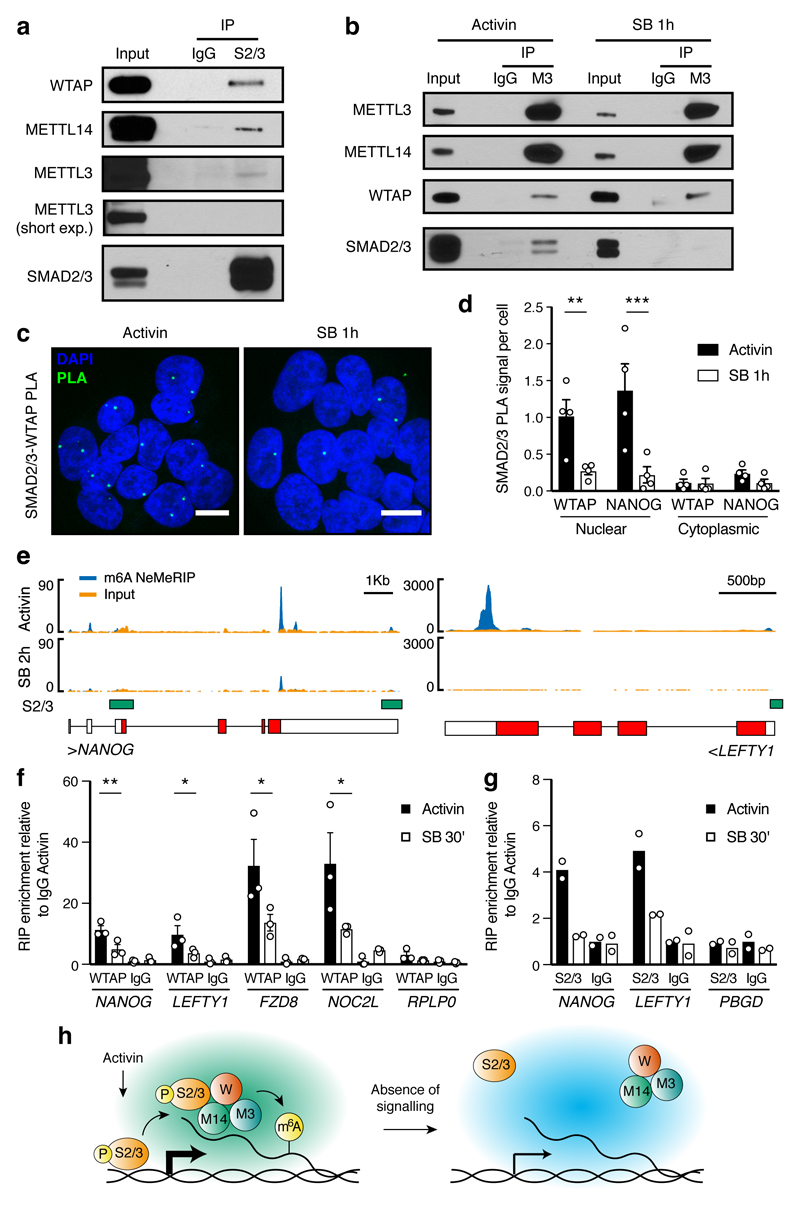
The TGFβ pathway has essential roles in embryonic development, organ homeostasis, tissue repair and disease. These diverse effects are mediated through the intracellular effectors SMAD2 and SMAD3 (hereafter SMAD2/3), whose canonical function is to control the activity of target genes by interacting with transcriptional regulators. Therefore, a complete description of the factors that interact with SMAD2/3 in a given cell type would have broad implications for many areas of cell biology. Here we describe the interactome of SMAD2/3 in human pluripotent stem cells. This analysis reveals that SMAD2/3 is involved in multiple molecular processes in addition to its role in transcription. In particular, we identify a functional interaction with the METTL3-METTL14-WTAP complex, which mediates the conversion of adenosine to N-methyladenosine (mA) on RNA. We show that SMAD2/3 promotes binding of the mA methyltransferase complex to a subset of transcripts involved in early cell fate decisions. This mechanism destabilizes specific SMAD2/3 transcriptional targets, including the pluripotency factor gene NANOG, priming them for rapid downregulation upon differentiation to enable timely exit from pluripotency. Collectively, these findings reveal the mechanism by which extracellular signalling can induce rapid cellular responses through regulation of the epitranscriptome. These aspects of TGFβ signalling could have far-reaching implications in many other cell types and in diseases such as cancer.
TGFβ 通路在胚胎发育、器官稳态、组织修复和疾病中具有重要作用。这些不同的作用是通过细胞内效应物 SMAD2 和 SMAD3(以下简称 SMAD2/3)介导的,其典型功能是通过与转录调节剂相互作用来控制靶基因的活性。因此,全面描述在特定细胞类型中与 SMAD2/3 相互作用的因素将对细胞生物学的许多领域具有广泛的意义。在这里,我们描述了人多能干细胞中 SMAD2/3 的互作组。这项分析表明,SMAD2/3 除了在转录中起作用外,还参与了多个分子过程。特别是,我们确定了与 METTL3-METTL14-WTAP 复合物的功能相互作用,该复合物介导了 RNA 上腺苷向 N6-甲基腺苷(m6A)的转化。我们表明,SMAD2/3 促进了 m6A 甲基转移酶复合物与一组参与早期细胞命运决定的转录物的结合。这种机制使特定的 SMAD2/3 转录靶标不稳定,包括多能性因子基因 NANOG,使其在分化为多能性时迅速下调,从而及时退出多能性。总的来说,这些发现揭示了细胞外信号如何通过调节表观转录组来诱导快速的细胞反应的机制。TGFβ 信号的这些方面可能在许多其他细胞类型和癌症等疾病中具有深远的意义。