Song Zhonghua, Zhao Wenhua, Cao Danfeng, Zhang Jinqing, Chen Shouhua
Department of Oncology, Shandong University, Jinan, Shandong Province, China.
Shandong Provincial Qianfoshan Hospital, Department of Oncology, Shandong University, Jinan, Shandong Province, China.
Braz J Med Biol Res. 2018;51(4):e6685. doi: 10.1590/1414-431x20176685. Epub 2018 Feb 26.
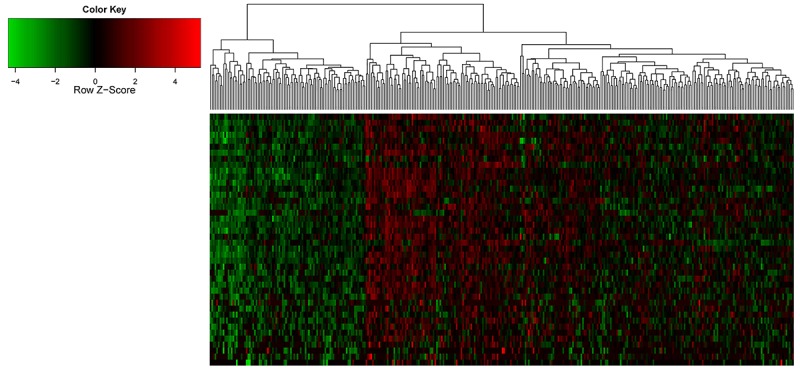
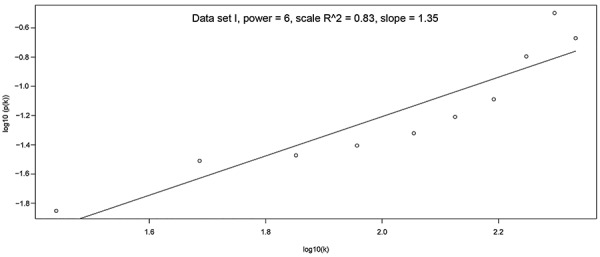
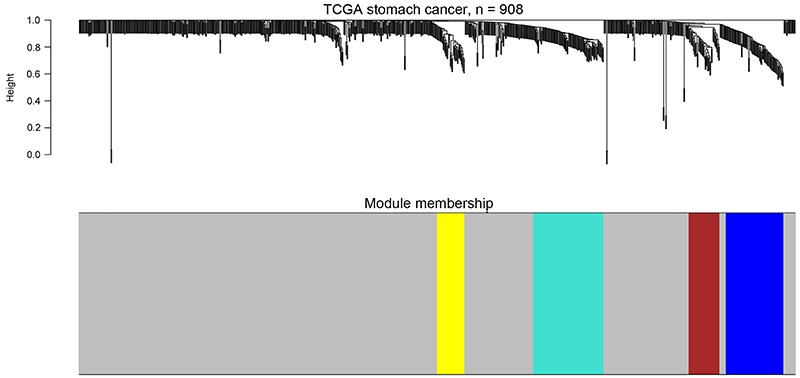
Gastric cancer (GC) is the fifth most common cancer and the third leading cause of cancer-related deaths worldwide. The high mortality might be attributed to delay in detection and is closely related to lymph node metastasis. Therefore, it is of great importance to explore the mechanism of lymph node metastasis and find strategies to block GC metastasis. Messenger RNA (mRNA), microRNA (miRNA) and long non-coding RNA (lncRNA) expression data and clinical data were downloaded from The Cancer Genome Atlas (TCGA) database. A total of 908 differentially expressed factors with variance >0.5 including 542 genes, 42 miRNA, and 324 lncRNA were screened using significant analysis microarray algorithm, and interaction networks were constructed using these differentially expressed factors. Furthermore, we conducted functional modules analysis in the network, and found that yellow and turquoise modules could separate samples efficiently. The groups classified in the yellow and turquoise modules had a significant difference in survival time, which was verified in another independent GC mRNA dataset (GSE62254). The results suggested that differentially expressed factors in the yellow and turquoise modules may participate in lymph node metastasis of GC and could be applied as potential biomarkers or therapeutic targets for GC.
胃癌(GC)是全球第五大常见癌症,也是癌症相关死亡的第三大主要原因。高死亡率可能归因于检测延迟,且与淋巴结转移密切相关。因此,探索淋巴结转移机制并找到阻断胃癌转移的策略至关重要。信使核糖核酸(mRNA)、微小核糖核酸(miRNA)和长链非编码核糖核酸(lncRNA)表达数据以及临床数据从癌症基因组图谱(TCGA)数据库下载。使用微阵列显著性分析算法筛选出共908个差异表达因子,方差>0.5,其中包括542个基因、42个miRNA和324个lncRNA,并使用这些差异表达因子构建相互作用网络。此外,我们在网络中进行了功能模块分析,发现黄色和蓝绿色模块能够有效区分样本。在黄色和蓝绿色模块中分类的组在生存时间上有显著差异,这在另一个独立的胃癌mRNA数据集(GSE62254)中得到了验证。结果表明,黄色和蓝绿色模块中的差异表达因子可能参与胃癌的淋巴结转移,并可作为胃癌潜在的生物标志物或治疗靶点。