Department of Biological and Physical Sciences, Montana State University Billings, Billings, MT, 59101, USA.
Department of Cell Biology and Neuroscience, Montana State University, Bozeman, MT, 59717, USA.
Nat Commun. 2018 Mar 1;9(1):889. doi: 10.1038/s41467-018-03221-z.
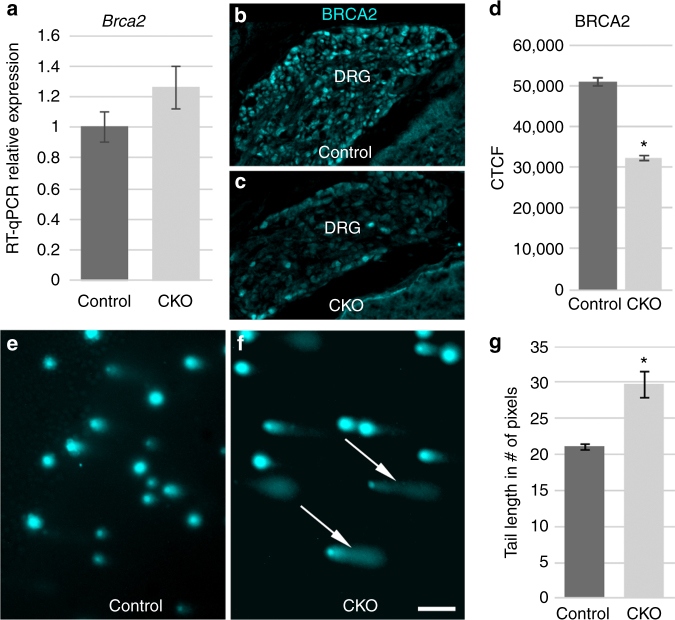
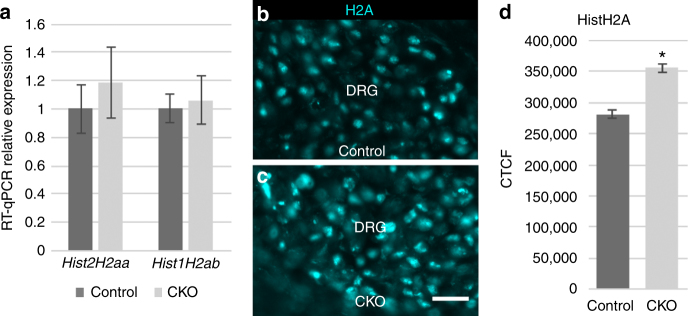
Familial dysautonomia (FD) results from mutation in IKBKAP/ELP1, a gene encoding the scaffolding protein for the Elongator complex. This highly conserved complex is required for the translation of codon-biased genes in lower organisms. Here we investigate whether Elongator serves a similar function in mammalian peripheral neurons, the population devastated in FD. Using codon-biased eGFP sensors, and multiplexing of codon usage with transcriptome and proteome analyses of over 6,000 genes, we identify two categories of genes, as well as specific gene identities that depend on Elongator for normal expression. Moreover, we show that multiple genes in the DNA damage repair pathway are codon-biased, and that with Elongator loss, their misregulation is correlated with elevated levels of DNA damage. These findings link Elongator's function in the translation of codon-biased genes with both the developmental and neurodegenerative phenotypes of FD, and also clarify the increased risk of cancer associated with the disease.
家族性自主神经异常症(FD)是由 IKBKAP/ELP1 基因突变引起的,该基因编码延伸因子复合物的支架蛋白。这个高度保守的复合物是生物体中密码子偏倚基因翻译所必需的。在这里,我们研究了延伸因子复合物是否在 FD 中大量破坏的哺乳动物外周神经元中发挥类似的功能。我们使用密码子偏倚的 eGFP 传感器,以及超过 6000 个基因的转录组和蛋白质组分析的密码子使用的多重分析,确定了两类基因,以及特定的基因身份,这些基因的正常表达依赖于延伸因子复合物。此外,我们还表明,DNA 损伤修复途径中的多个基因是密码子偏倚的,并且随着延伸因子复合物的缺失,它们的失调与 DNA 损伤水平的升高有关。这些发现将延伸因子复合物在密码子偏倚基因翻译中的功能与 FD 的发育和神经退行性表型联系起来,并阐明了该疾病与癌症风险增加的关系。