Neuroscience Graduate Group, Perelman School of Medicine, University of Pennsylvania, Philadelphia, PA, 19104, USA.
Department of Psychiatry, Perelman School of Medicine, University of Pennsylvania, Philadelphia, PA, 19104, USA.
Neuropsychopharmacology. 2018 Sep;43(10):2000-2008. doi: 10.1038/s41386-018-0010-3. Epub 2018 Feb 14.
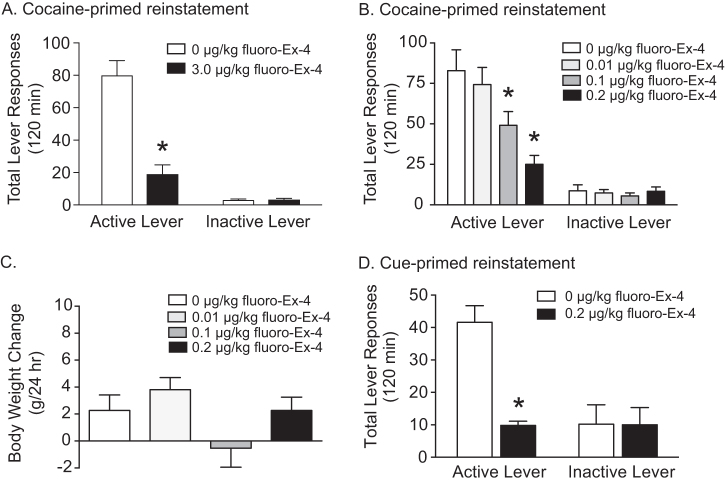
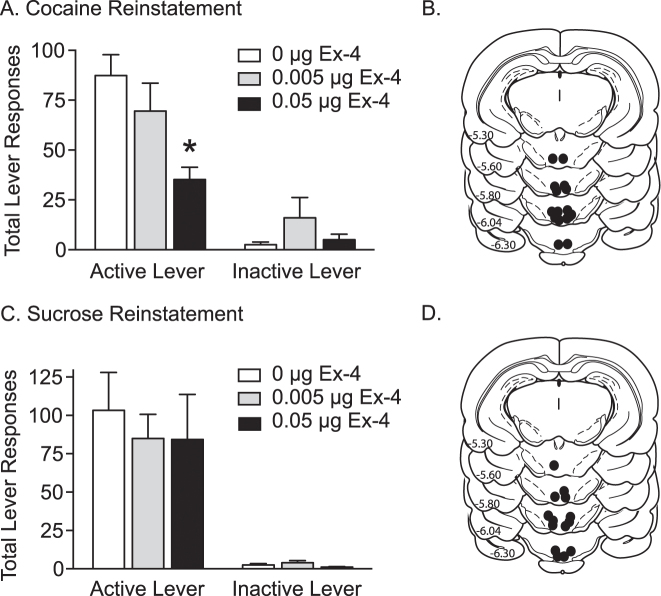
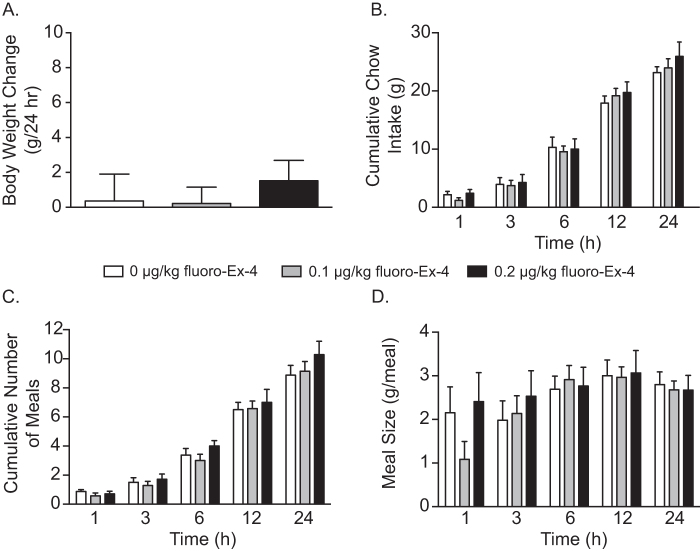
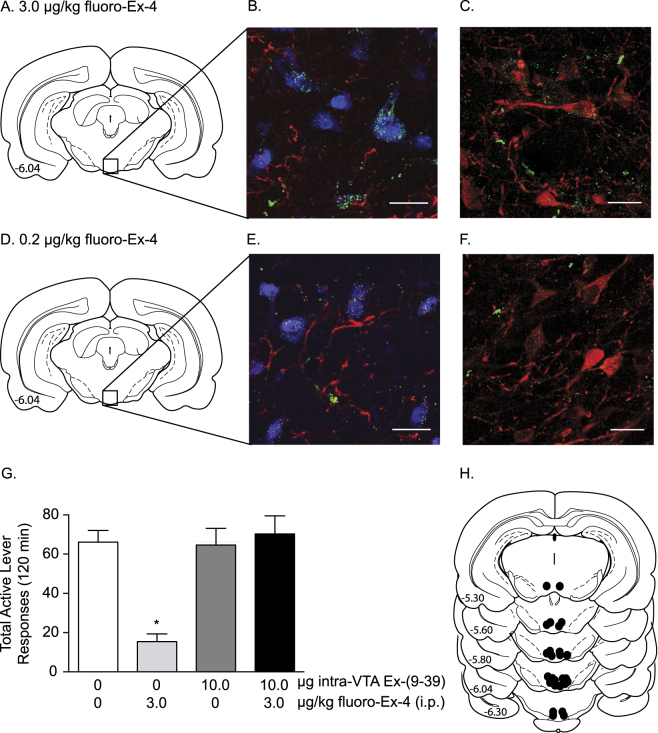
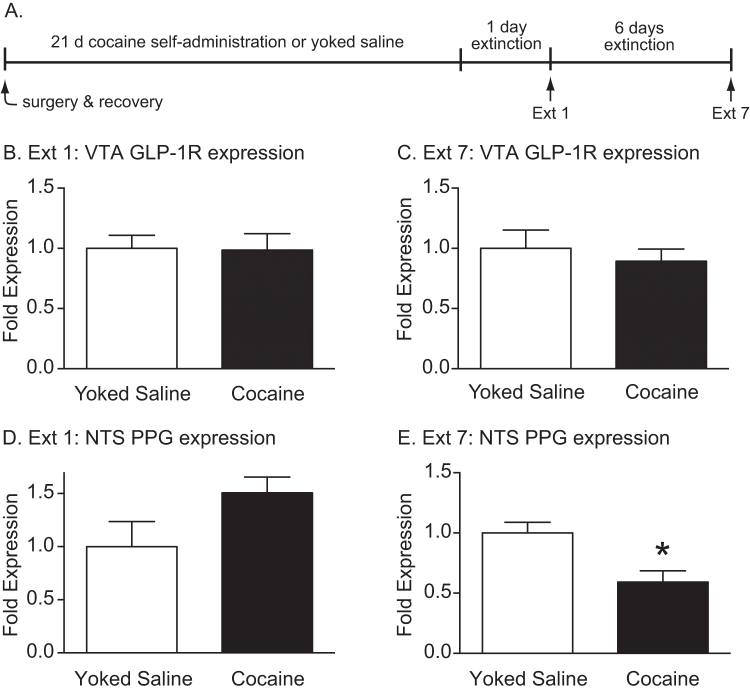
Novel molecular targets are needed to develop new medications for the treatment of cocaine addiction. Here we investigated a role for glucagon-like peptide-1 (GLP-1) receptors in the reinstatement of cocaine-seeking behavior, an animal model of relapse. We showed that peripheral administration of the GLP-1 receptor agonist exendin-4 dose dependently reduced cocaine seeking in rats at doses that did not affect ad libitum food intake, meal patterns or body weight. We also demonstrated that systemic exendin-4 penetrated the brain where it putatively bound receptors on both neurons and astrocytes in the ventral tegmental area (VTA). The effects of systemic exendin-4 on cocaine reinstatement were attenuated in rats pretreated with intra-VTA infusions of the GLP-1 receptor antagonist exendin-(9-39), indicating that the suppressive effects of systemic exendin-4 on cocaine seeking were due, in part, to activation of GLP-1 receptors in the VTA. Consistent with these effects, infusions of exendin-4 directly into the VTA reduced cocaine seeking. Finally, extinction following cocaine self-administration was associated with decreased preproglucagon mRNA expression in the caudal brainstem. Thus, our study demonstrated a novel role for GLP-1 receptors in the reinstatement of cocaine-seeking behavior and identified behaviorally relevant doses of a GLP-1 receptor agonist that selectively reduced cocaine seeking and did not produce adverse effects.
需要新型分子靶标来开发治疗可卡因成瘾的新药。在这里,我们研究了胰高血糖素样肽-1(GLP-1)受体在可卡因寻求行为(一种复发的动物模型)中的作用。我们表明,GLP-1 受体激动剂 exendin-4 的外周给药剂量依赖性地降低了大鼠的可卡因寻求,而不会影响自由摄取食物、进食模式或体重。我们还证明,系统给予的 exendin-4 穿透了大脑,其中它假定结合了腹侧被盖区(VTA)神经元和星形胶质细胞上的受体。在 VTA 内给予 GLP-1 受体拮抗剂 exendin-(9-39)预处理的大鼠中,系统给予 exendin-4 对可卡因复吸的作用减弱,表明系统给予 exendin-4 对可卡因寻求的抑制作用部分归因于 VTA 中 GLP-1 受体的激活。与这些作用一致,将 exendin-4 直接注入 VTA 会减少可卡因的寻求。最后,可卡因自我给药后的消退与尾状脑干中前胰高血糖素 mRNA 表达的减少有关。因此,我们的研究表明 GLP-1 受体在可卡因寻求行为的复吸中发挥了新的作用,并确定了行为相关剂量的 GLP-1 受体激动剂,该激动剂选择性地减少了可卡因的寻求,并且没有产生不良反应。