Institute of Basic Medical Sciences, College of Medicine, College of Bioscience and Biotechnology, National Cheng Kung University, Tainan 701, Taiwan; Center for Neurotrauma and Neuroregeneration, College of Medical Science and Technology, Taipei Medical University, Taipei 110, Taiwan; The Ph.D. Program for Neural Regenerative Medicine, College of Medical Science and Technology, Taipei Medical University, Taipei 110, Taiwan.
Institute of Biomedical Sciences, National Sun Yat-sen University, Kaohsiung 804, Taiwan; Departments of Neurosurgery, Chi-Mei Medical Center, Tainan 722, Taiwan; Department of Nursing, Min-Hwei College of Health Care Management, Tainan 736, Taiwan.
Redox Biol. 2018 Jun;16:104-112. doi: 10.1016/j.redox.2018.02.011. Epub 2018 Feb 16.
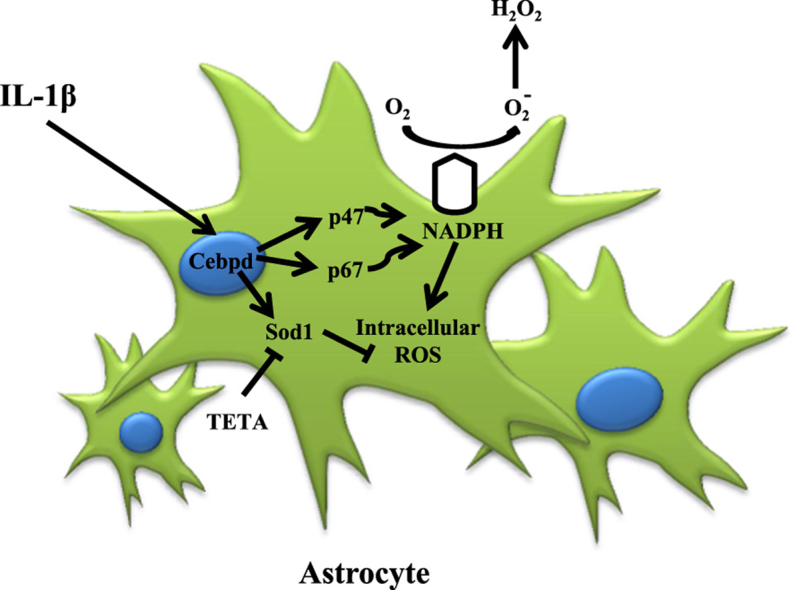
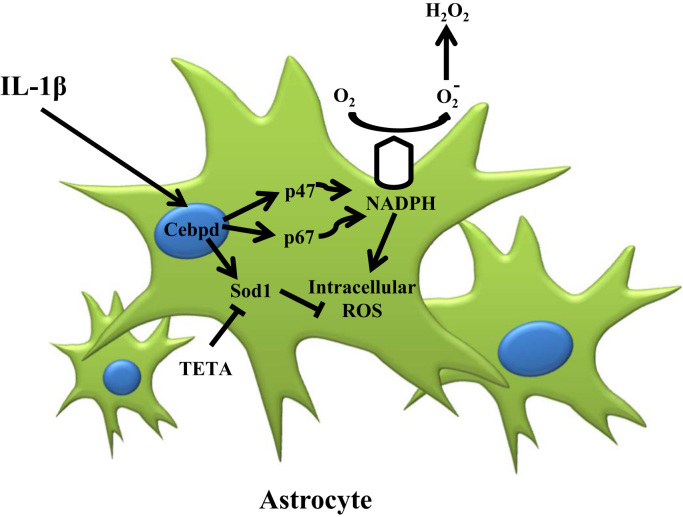
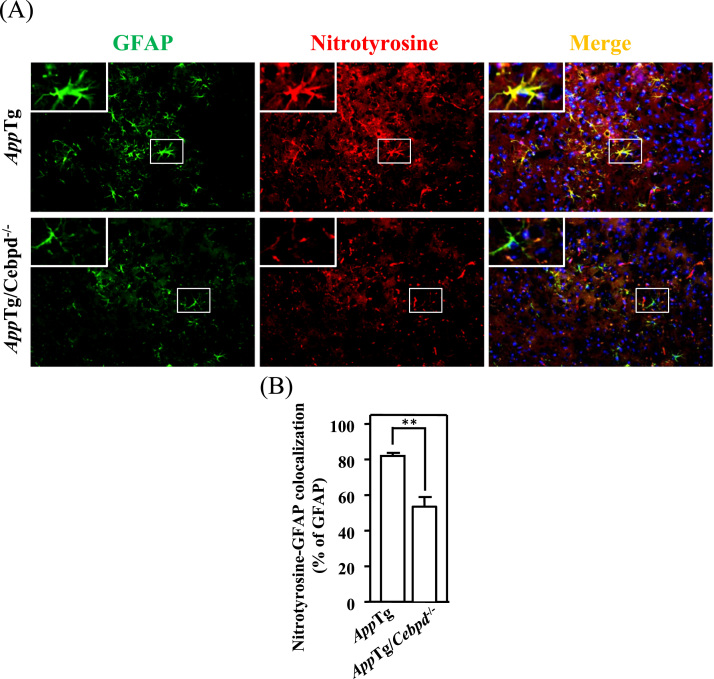
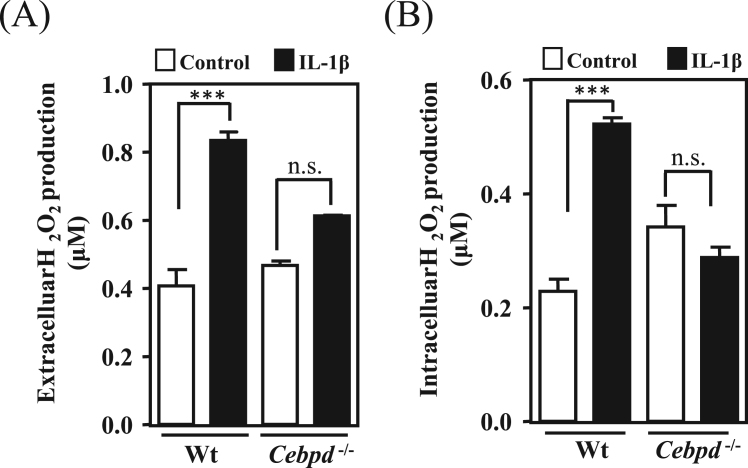
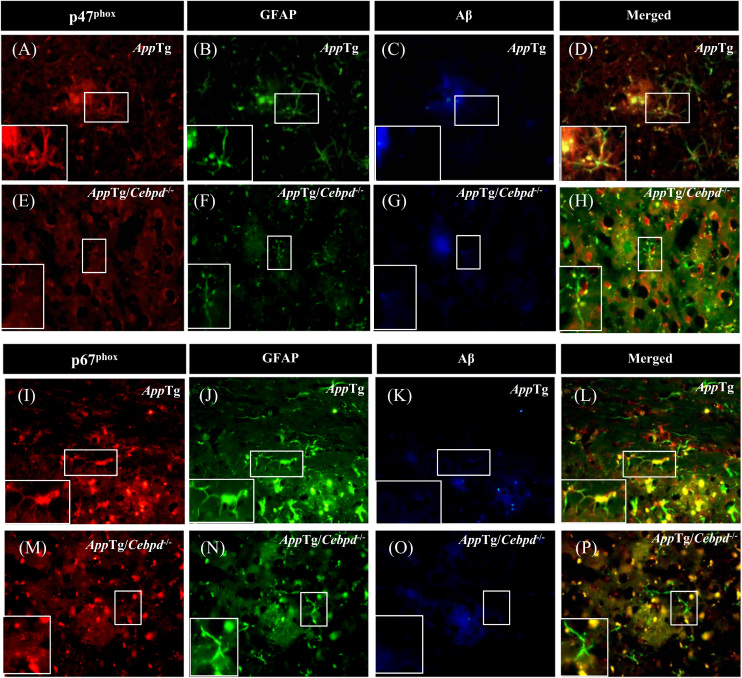
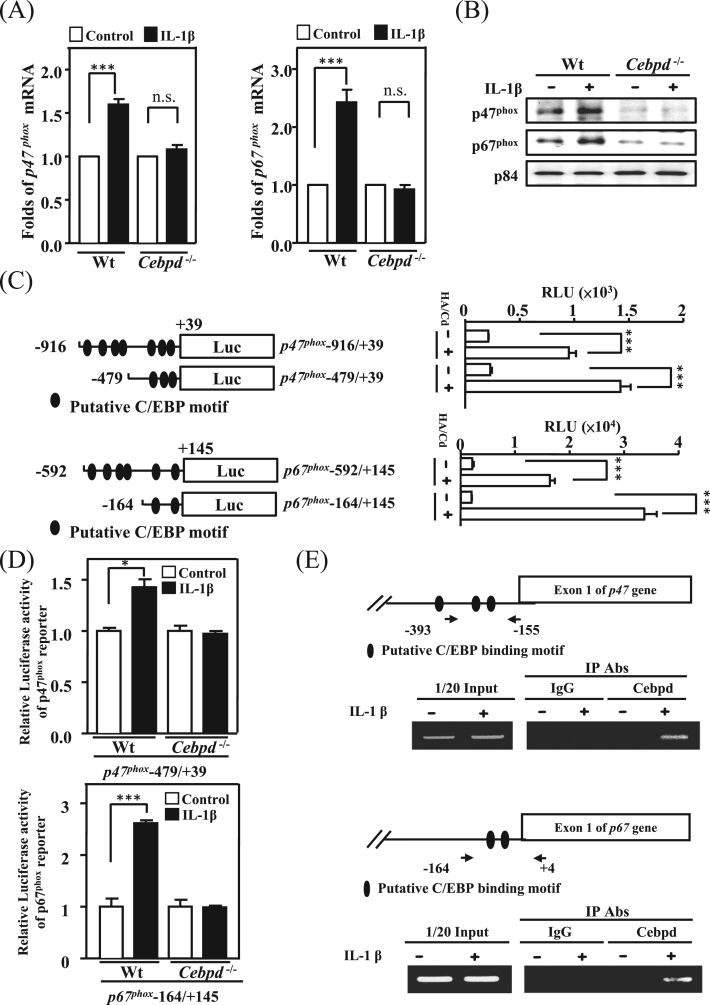
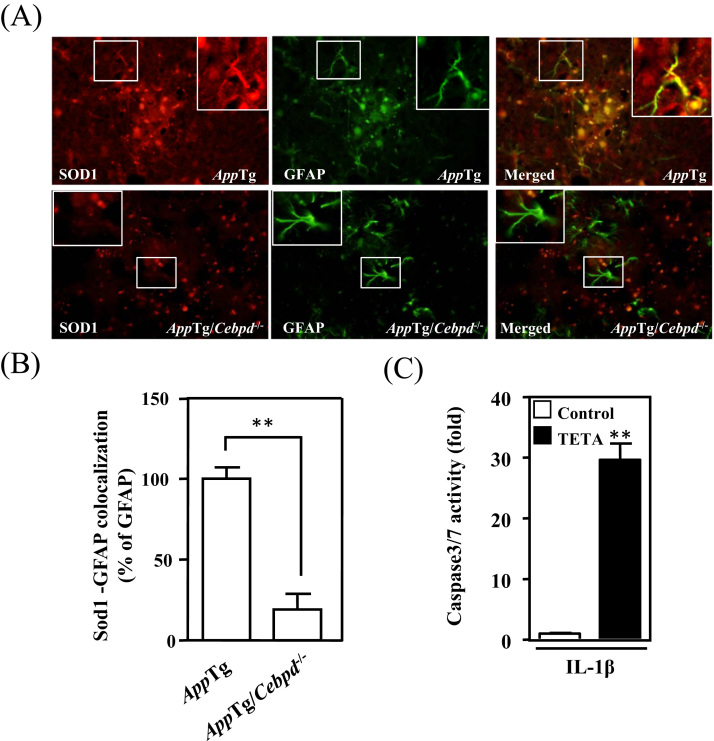
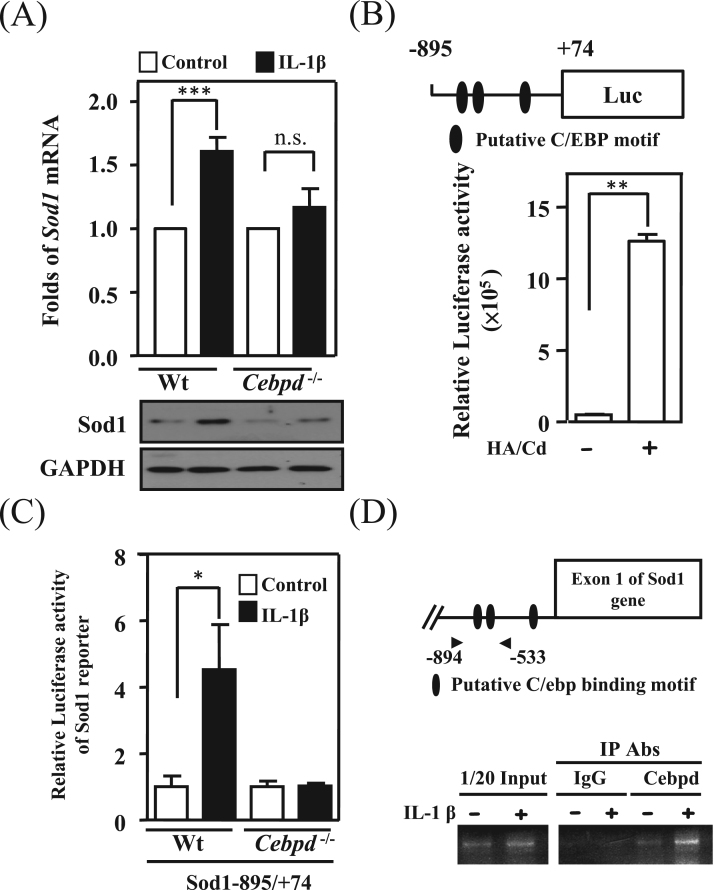
Excessive reactive oxygen species (ROS) can form an oxidative stress and an associated neuroinflammation. However, the contribution of astrocytes to ROS formation, the cause of the resistance of astrocytes to oxidative stress, and the consequences on neurons remain largely uninvestigated. The transcription factor CCAAT/enhancer-binding protein delta (CEBPD) is highly expressed in astrocytes and has been suggested to contribute to the progress of Alzheimer's disease (AD). In this study, we found that ROS formation and expression of p47 and p67, subunits of NADPH oxidase, were increased in AppTg mice but attenuated in AppTg/Cebpd mice. Cebpd can up-regulate p47 and p67 transcription via a direct binding on their promoters, which results in an increase in intracellular oxidative stress. In addition, Cebpd also up-regulated Cu/Zn superoxide dismutase (Sod1) in astrocytes. Inactivation of Sod1 increased the sensitization to oxidative stress, which provides a reason for the resistance of astrocytes in an oxidative stress environment. Taken together, the study first revealed and dissected the involvement of astrocytic Cebpd in the promotion of oxidative stress and the contribution of CEBPD to the resistance of astrocytes in an oxidative stress environment.
过量的活性氧(ROS)会形成氧化应激和相关的神经炎症。然而,星形胶质细胞在 ROS 形成中的作用、星形胶质细胞对氧化应激的抗性的原因,以及对神经元的影响仍在很大程度上未被研究。转录因子 CCAAT/增强子结合蛋白 δ(CEBPD)在星形胶质细胞中高度表达,并被认为有助于阿尔茨海默病(AD)的进展。在本研究中,我们发现 ROS 的形成和 NADPH 氧化酶亚基 p47 和 p67 的表达在 AppTg 小鼠中增加,但在 AppTg/Cebpd 小鼠中减弱。Cebpd 可以通过直接结合其启动子来上调 p47 和 p67 的转录,从而导致细胞内氧化应激增加。此外,Cebpd 还在星形胶质细胞中上调 Cu/Zn 超氧化物歧化酶(Sod1)。Sod1 的失活增加了对氧化应激的敏感性,这为星形胶质细胞在氧化应激环境中的抗性提供了一个原因。总之,该研究首次揭示并剖析了星形胶质细胞 Cebpd 在促进氧化应激中的作用,以及 CEBPD 对氧化应激环境中星形胶质细胞抗性的贡献。