School of Chemistry, Cardiff University, Park Place, Cardiff, United Kingdom.
Department of Chemistry, University of Warwick, Gibbet Hill, Coventry, United Kingdom.
PLoS One. 2018 Mar 6;13(3):e0193668. doi: 10.1371/journal.pone.0193668. eCollection 2018.
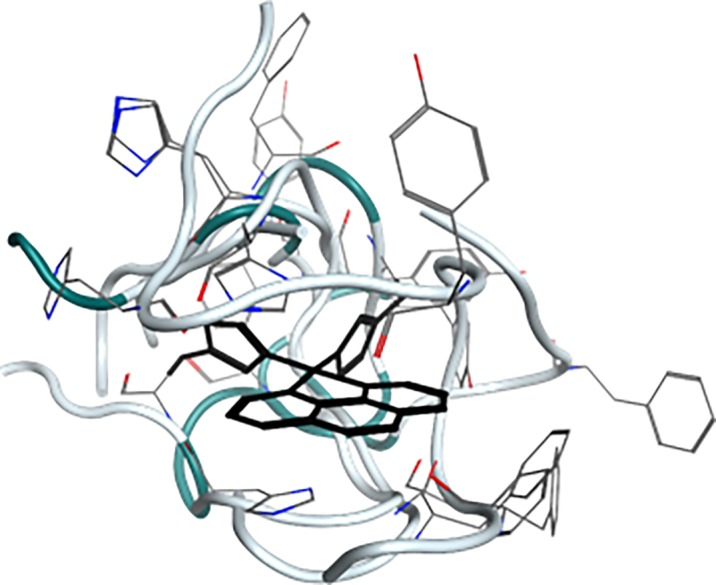
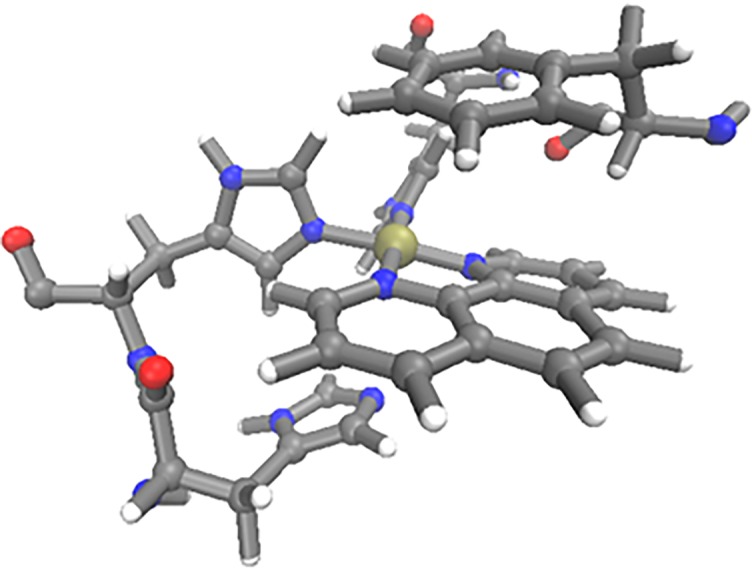
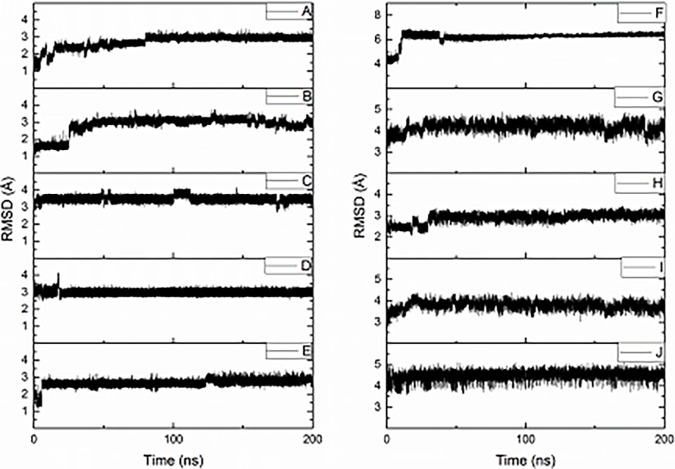
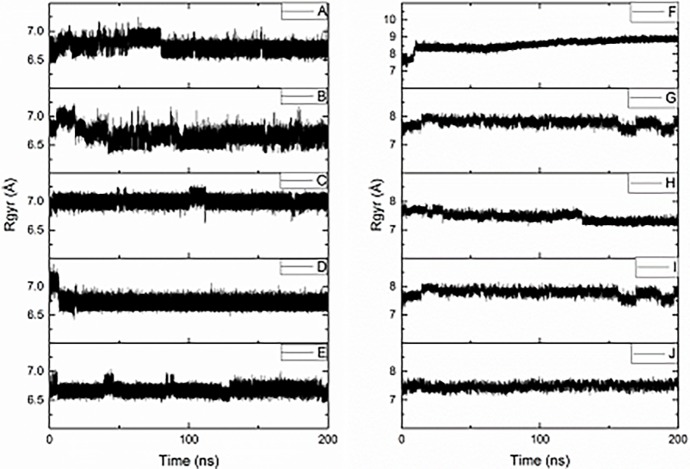
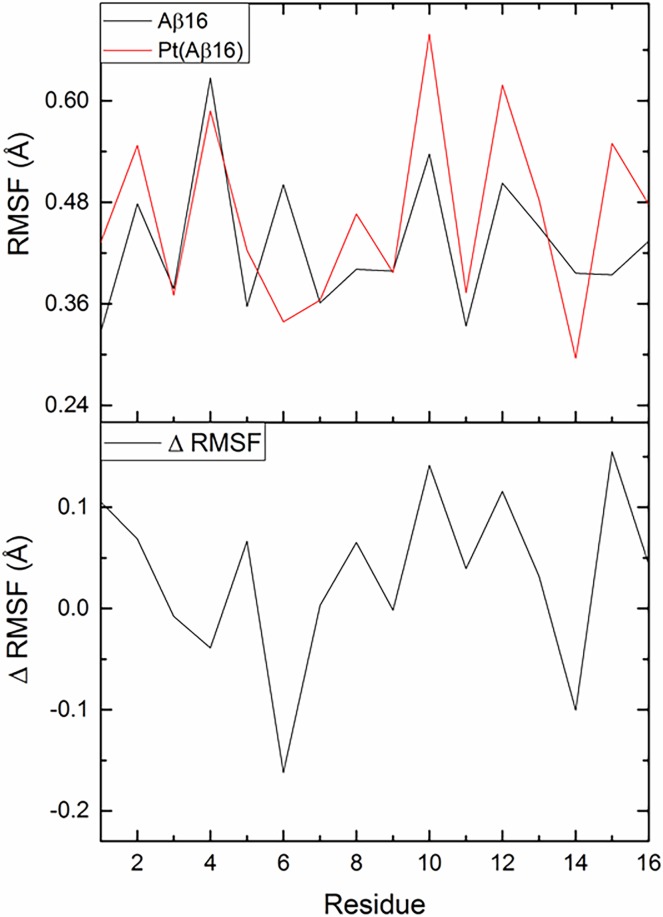
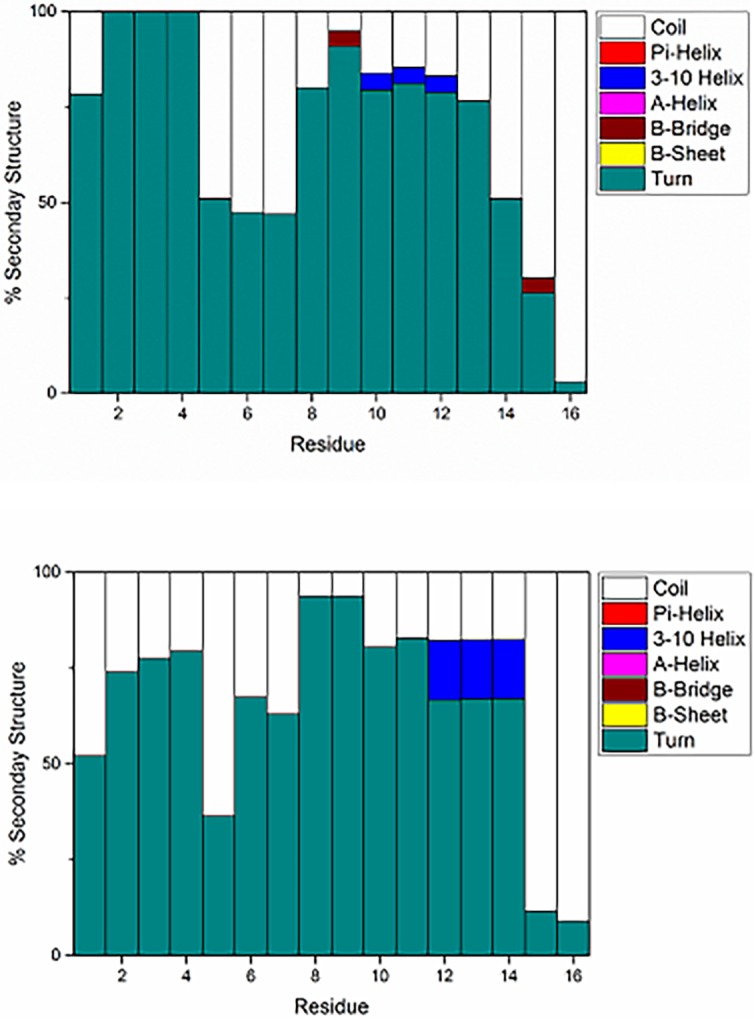
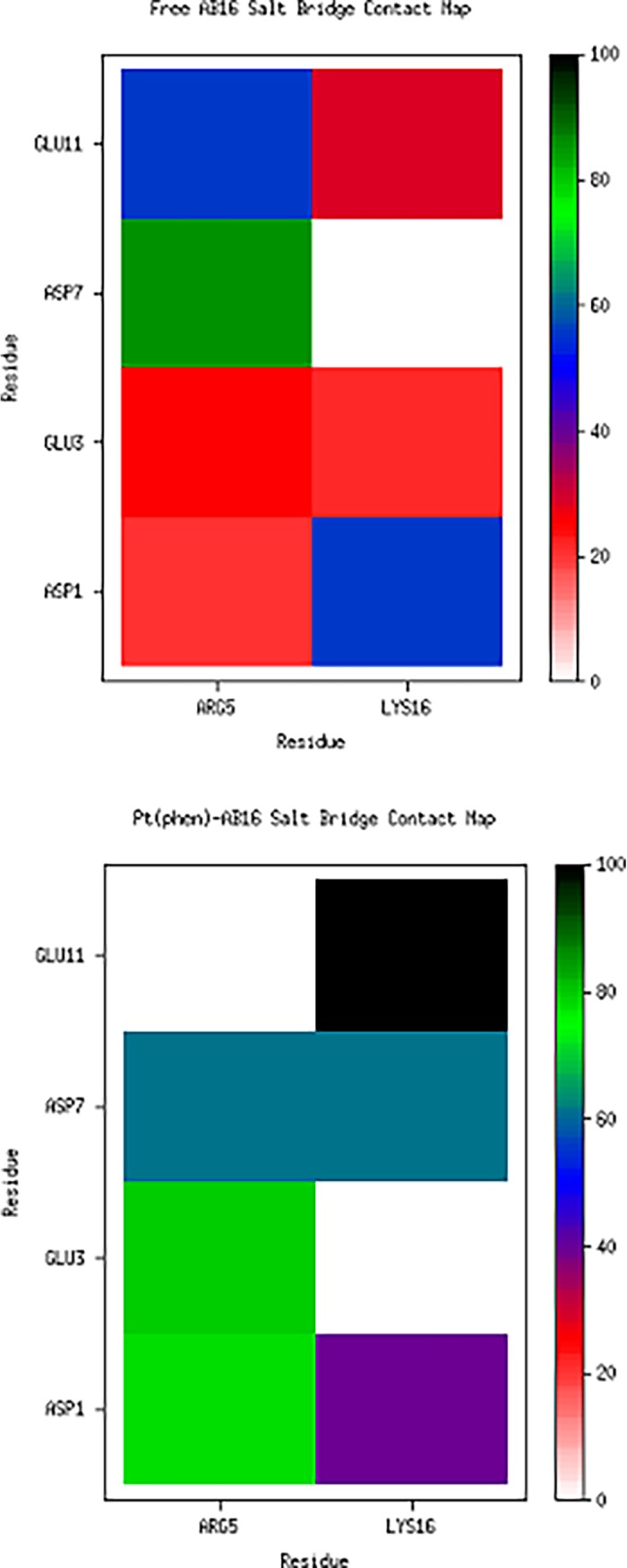
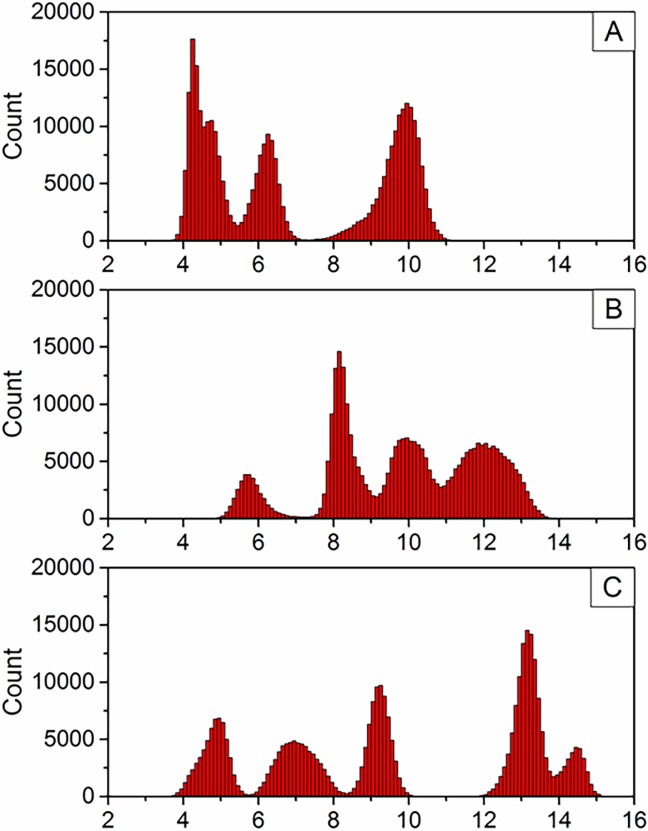
We report microsecond timescale molecular dynamics simulation of the complex formed between Pt(II)-phenanthroline and the 16 N-terminal residues of the Aβ peptide that is implicated in the onset of Alzheimer's disease, along with equivalent simulations of the metal-free peptide. Simulations from a variety of starting points reach equilibrium within 100 ns, as judged by root mean square deviation and radius of gyration. Platinum-bound peptides deviate rather more from starting points, and adopt structures with larger radius of gyration, than their metal-free counterparts. Residues bound directly to Pt show smaller fluctuation, but others actually move more in the Pt-bound peptide. Hydrogen bonding within the peptide is disrupted by binding of Pt, whereas the presence of salt-bridges are enhanced.
我们报告了微秒时间尺度的分子动力学模拟,模拟了与阿尔茨海默病发病有关的 Aβ肽的 16 个 N 端残基与 Pt(II)-菲咯啉之间形成的复合物,以及相应的无金属肽的模拟。从各种起点开始的模拟在 100 ns 内达到平衡,这可以通过均方根偏差和旋转半径来判断。与无金属肽相比,结合铂的肽偏离起始点更远,并且采用具有更大旋转半径的结构。直接与 Pt 结合的残基显示出较小的波动,但其他残基实际上在 Pt 结合的肽中移动更多。Pt 的结合破坏了肽内的氢键,而盐桥的存在则得到增强。