Teoh Joanne Ee Mei, An Jia, Feng Xiaofan, Zhao Yue, Chua Chee Kai, Liu Yong
Singapore Centre for 3D Printing, School of Mechanical & Aerospace Engineering, Nanyang Technological University, Singapore 639798, Singapore.
Materials (Basel). 2018 Mar 3;11(3):376. doi: 10.3390/ma11030376.
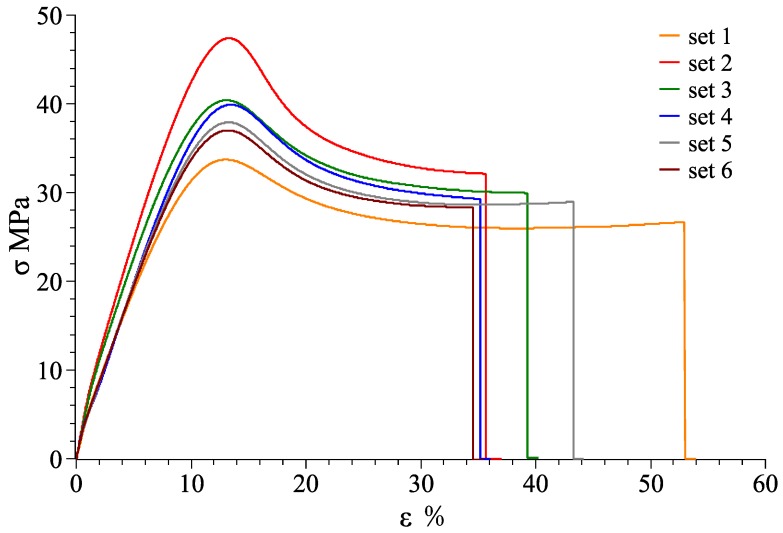
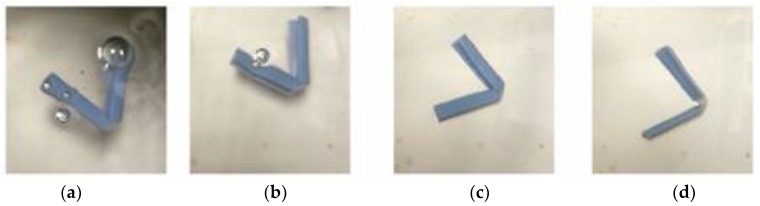
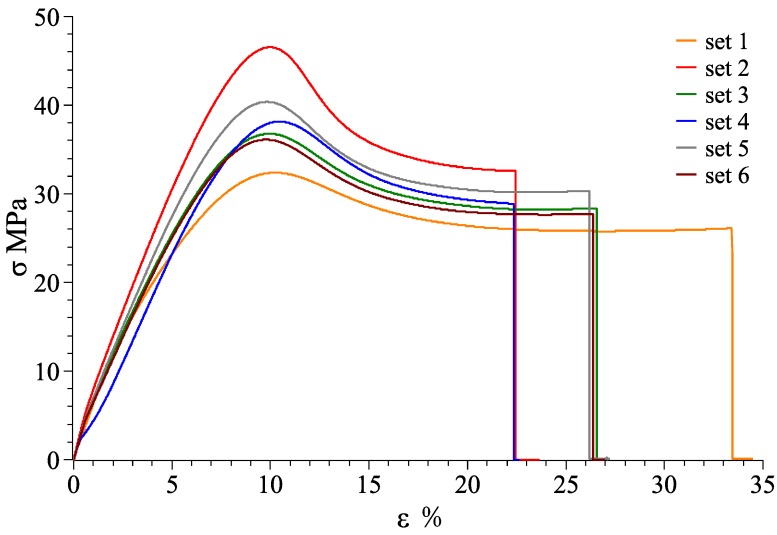
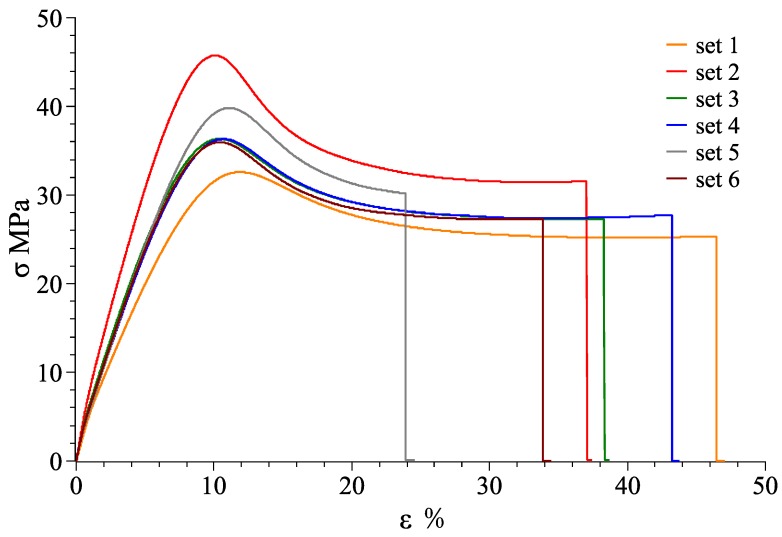
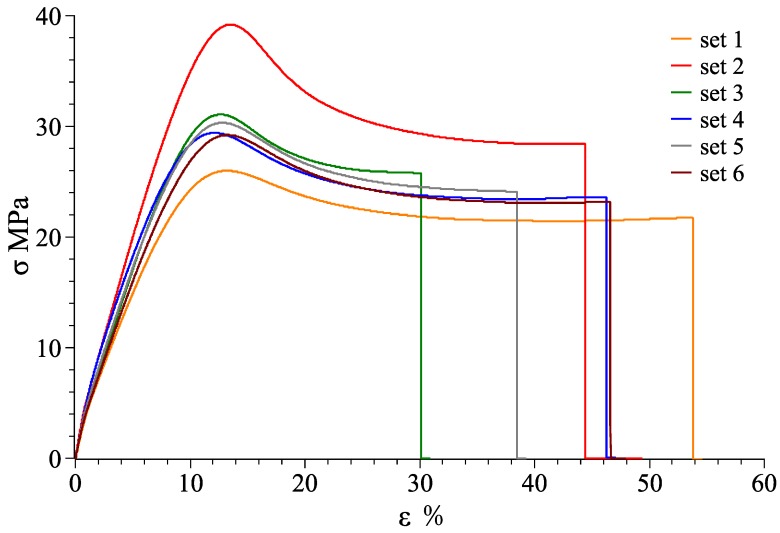
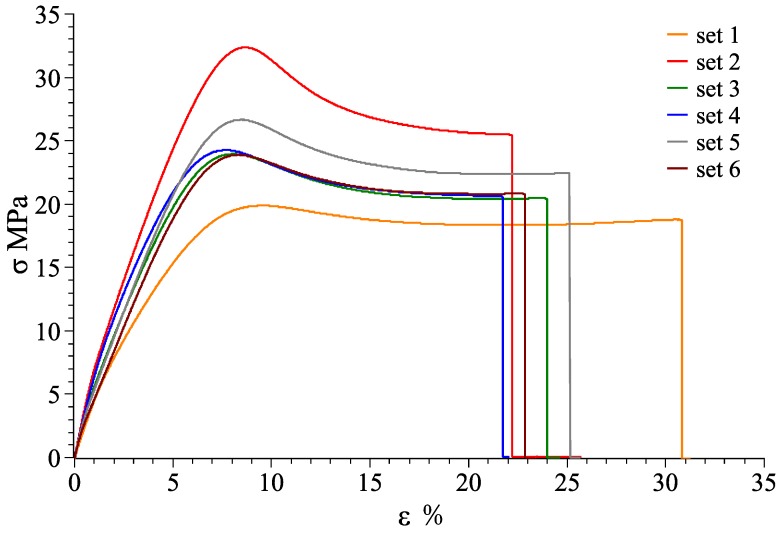
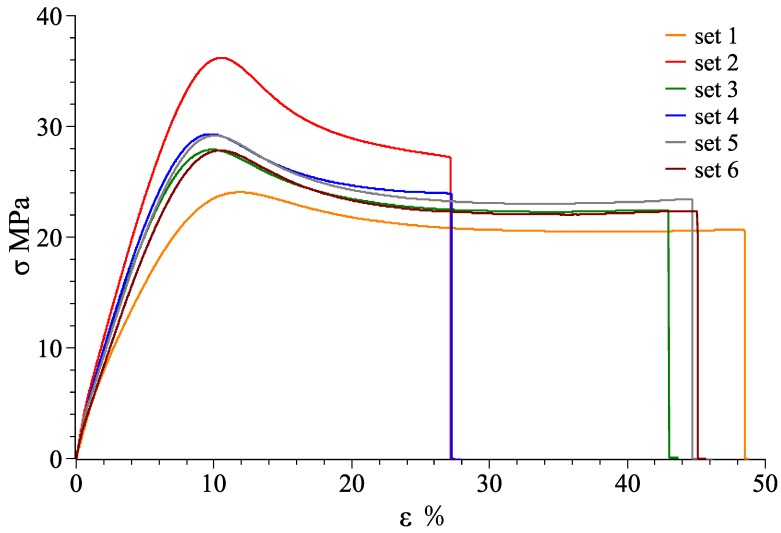
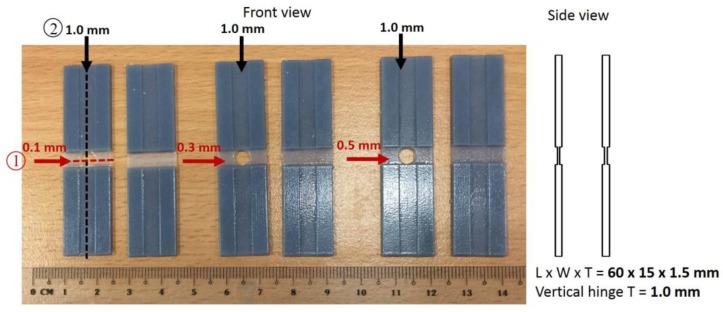
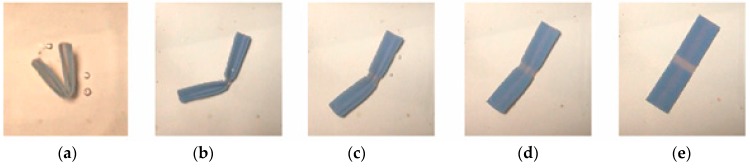
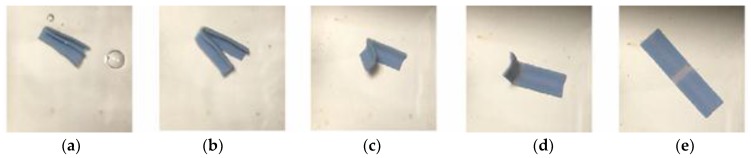
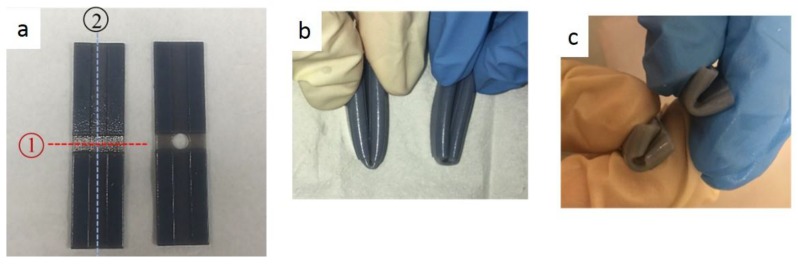
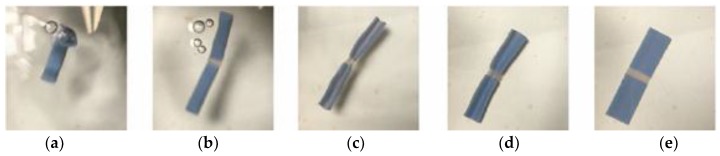
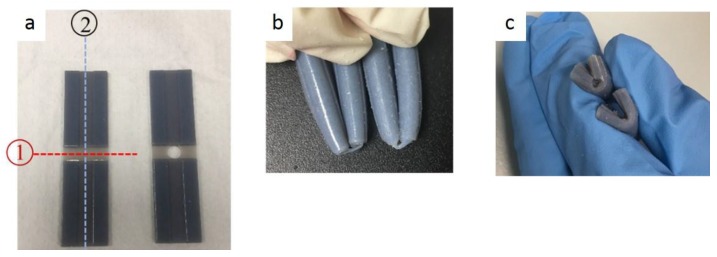
In 4D printing research, different types of complex structure folding and unfolding have been investigated. However, research on cross-folding of origami structures (defined as a folding structure with at least two overlapping folds) has not been reported. This research focuses on the investigation of cross-folding structures using multi-material components along different axes and different horizontal hinge thickness with single homogeneous material. Tensile tests were conducted to determine the impact of multi-material components and horizontal hinge thickness. In the case of multi-material structures, the hybrid material composition has a significant impact on the overall maximum strain and Young's modulus properties. In the case of single material structures, the shape recovery speed is inversely proportional to the horizontal hinge thickness, while the flexural or bending strength is proportional to the horizontal hinge thickness. A hinge with a thickness of 0.5 mm could be folded three times prior to fracture whilst a hinge with a thickness of 0.3 mm could be folded only once prior to fracture. A hinge with a thickness of 0.1 mm could not even be folded without cracking. The introduction of a physical hole in the center of the folding/unfolding line provided stress relief and prevented fracture. A complex flower petal shape was used to successfully demonstrate the implementation of overlapping and non-overlapping folding lines using both single material segments and multi-material segments. Design guidelines for establishing cross-folding structures using multi-material components along different axes and different horizontal hinge thicknesses with single or homogeneous material were established. These guidelines can be used to design and implement complex origami structures with overlapping and non-overlapping folding lines. Combined overlapping folding structures could be implemented and allocating specific hole locations in the overall designs could be further explored. In addition, creating a more precise prediction by investigating sets of in between hinge thicknesses and comparing the folding times before fracture, will be the subject of future work.
在4D打印研究中,已经对不同类型的复杂结构折叠和展开进行了研究。然而,关于折纸结构的交叉折叠(定义为具有至少两个重叠折痕的折叠结构)的研究尚未见报道。本研究聚焦于使用沿不同轴的多材料组件以及具有单一均质材料的不同水平铰链厚度来研究交叉折叠结构。进行了拉伸试验以确定多材料组件和水平铰链厚度的影响。在多材料结构的情况下,混合材料组成对整体最大应变和杨氏模量特性有显著影响。在单一材料结构的情况下,形状恢复速度与水平铰链厚度成反比,而弯曲强度与水平铰链厚度成正比。厚度为0.5毫米的铰链在断裂前可折叠三次,而厚度为0.3毫米的铰链在断裂前只能折叠一次。厚度为0.1毫米的铰链甚至无法折叠而不出现裂纹。在折叠/展开线的中心引入一个物理孔可提供应力释放并防止断裂。使用复杂的花瓣形状成功展示了使用单一材料段和多材料段实现重叠和非重叠折叠线的情况。建立了使用沿不同轴的多材料组件以及具有单一或均质材料的不同水平铰链厚度来建立交叉折叠结构的设计指南。这些指南可用于设计和实现具有重叠和非重叠折叠线的复杂折纸结构。可以实现组合的重叠折叠结构,并且可以进一步探索在整体设计中分配特定孔的位置。此外,通过研究介于中间的铰链厚度集合并比较断裂前的折叠次数来创建更精确的预测,将是未来工作的主题。