Department of Anthropology, University of Copenhagen, Øster Farimagsgade 5, 1353, Copenhagen K, Denmark.
Department of Bioscience, Aarhus University, Frederiksborgvej 399, 4000, Roskilde, Denmark.
Ambio. 2018 Apr;47(Suppl 2):244-264. doi: 10.1007/s13280-018-1039-6.
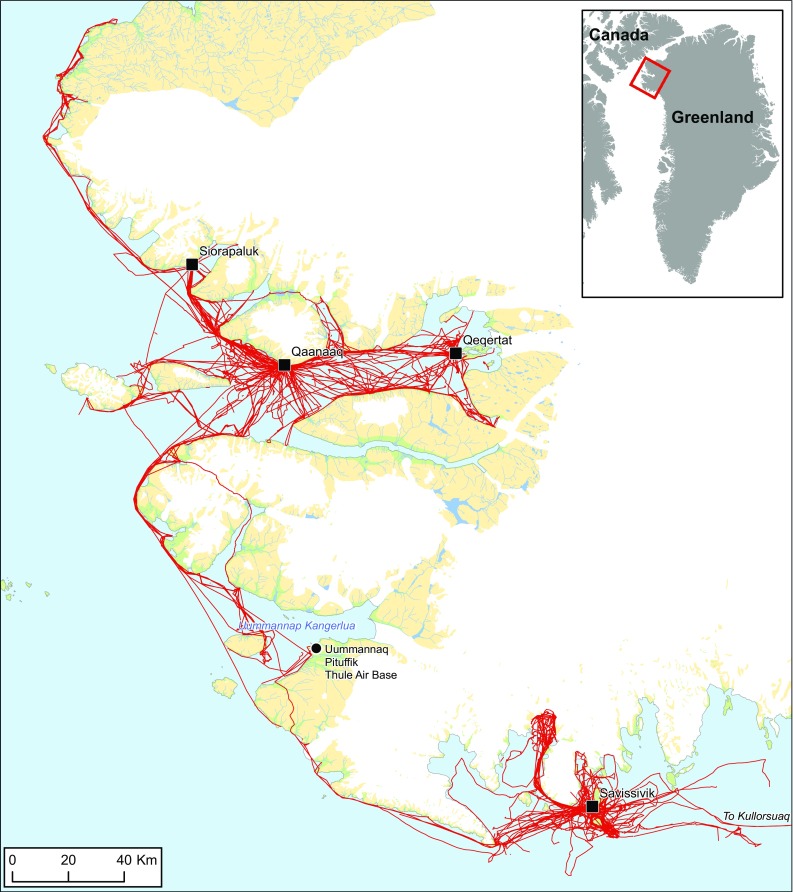
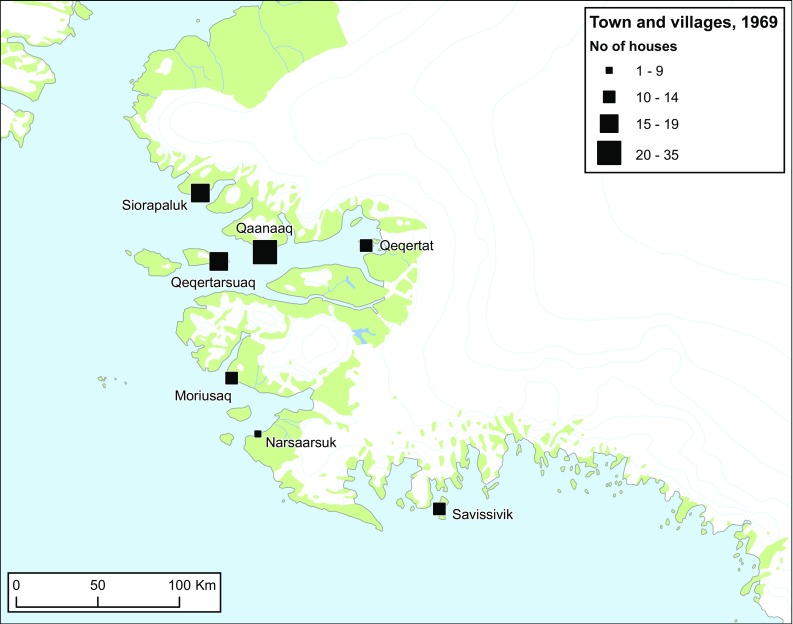
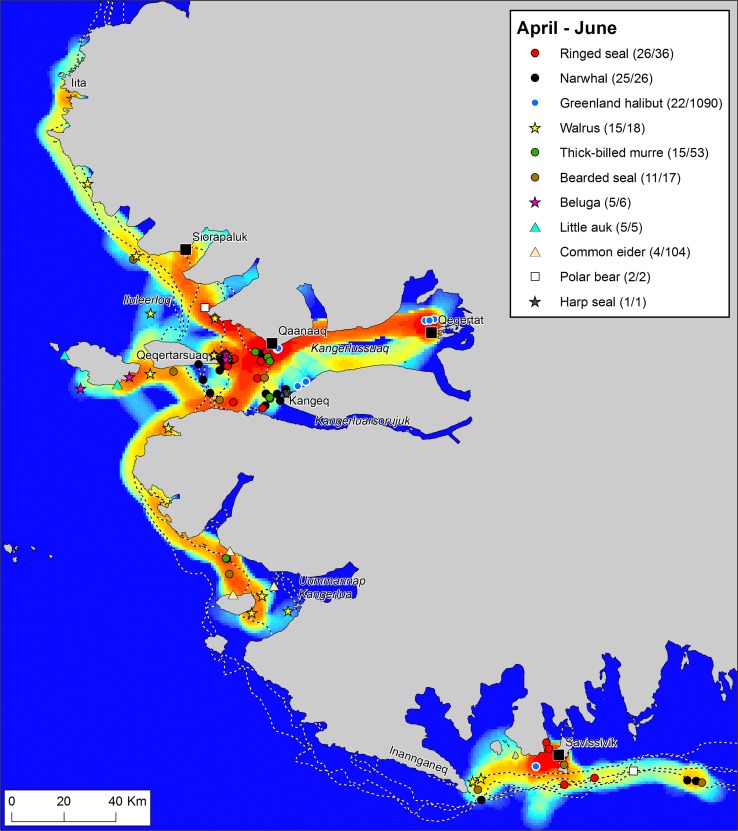
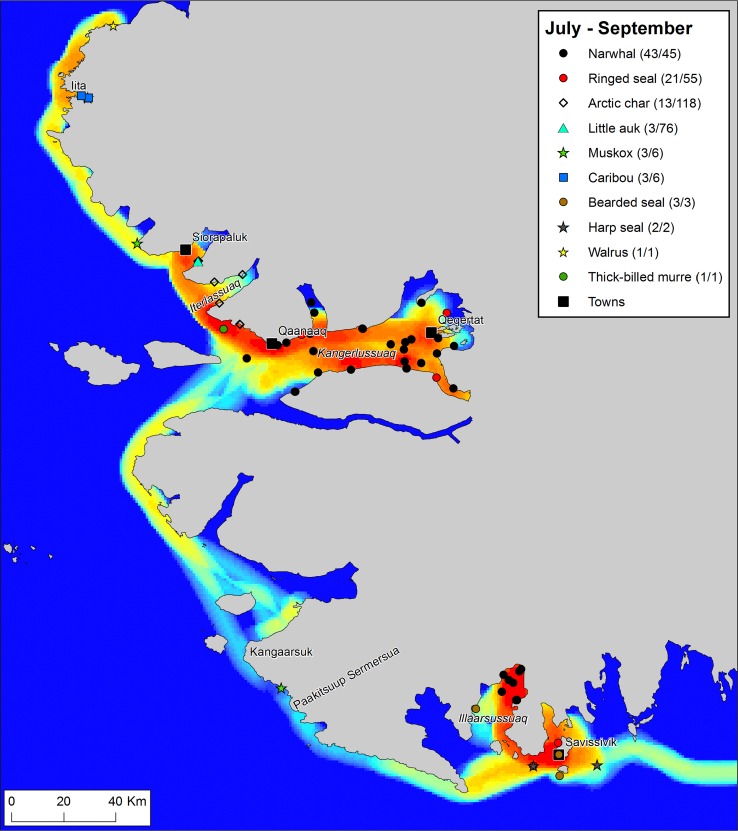
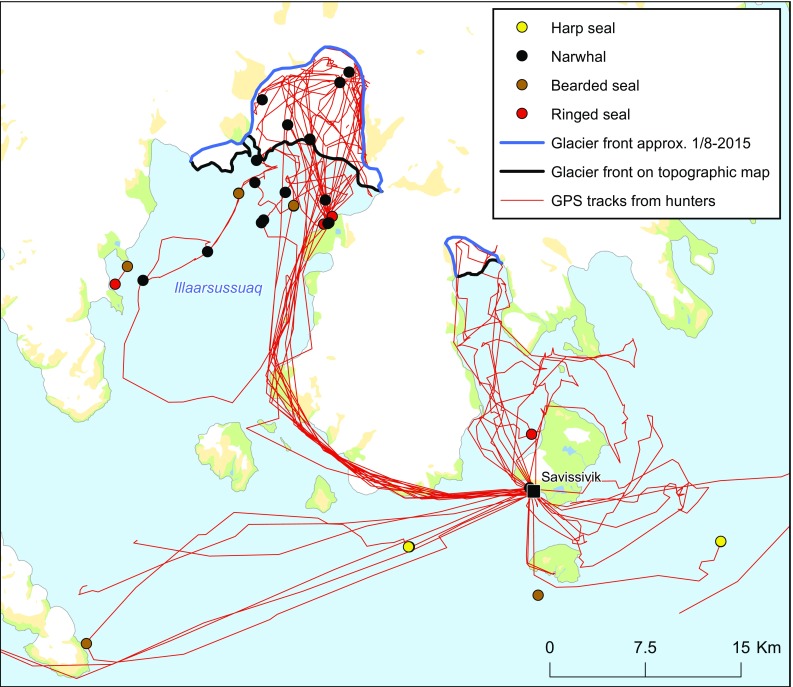
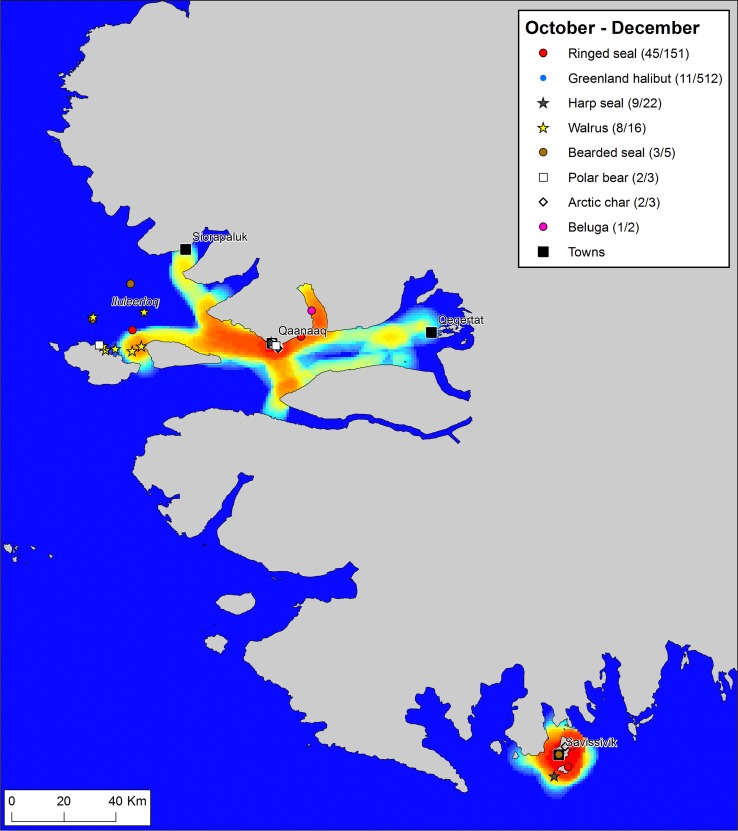
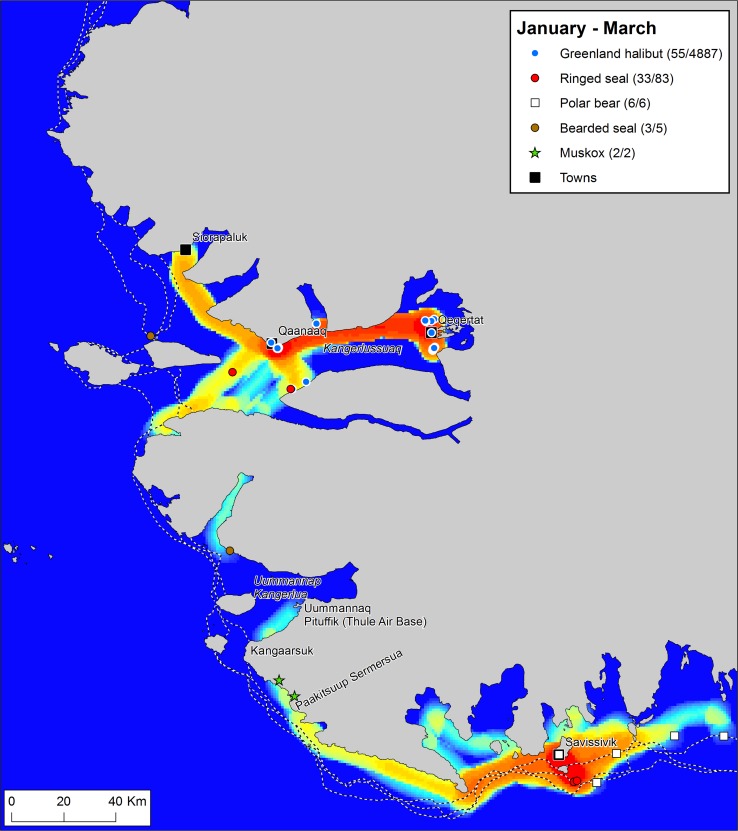
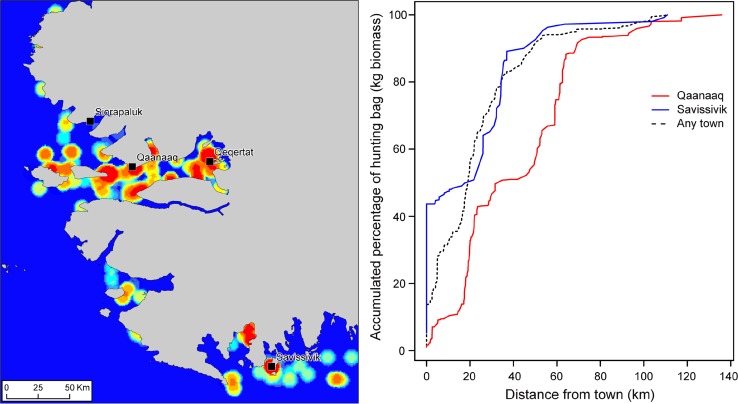
Information from a collaborative GPS tracking project, Piniariarneq, involving 17 occupational hunters from Qaanaaq and Savissivik, Northwest Greenland, is used to explore the resource spaces of hunters in Avanersuaq today. By comparison with historical records from the time of the Thule Trading Station and the decades following its closure, we reveal a marked variability in resource spaces over time. It is argued that the dynamics of resources and resource spaces in Thule are not underlain by animal distribution and migration patterns, or changes in weather and sea ice conditions alone; but also by economic opportunities, human mobility, settlement patterns, particular historical events and trajectories, and not least by economic and political interests developed outside the region.
本文利用来自格陵兰西北部 Qaanaaq 和 Savissivik 的 17 名职业猎人的 GPS 跟踪合作项目的信息,探讨了当今 Avanersuaq 猎人的资源空间。通过与图勒贸易站时期和其关闭后的几十年的历史记录进行比较,我们发现资源空间随时间呈现出明显的变化。本文认为,图勒资源和资源空间的动态不仅仅是由动物分布和迁徙模式,或者天气和海冰条件的变化所决定的,还受到经济机会、人类流动性、居住模式、特定的历史事件和轨迹的影响,而且还受到该地区以外发展起来的经济和政治利益的影响。