Department of Molecular Microbiology, John Innes Centre, Colney Lane, Norwich NR4 7UH, UK.
Department of Biochemistry and Molecular Biology, Universidade Federal do Parana, P.O. Box 19046, Curitiba, PR 81531-990, Brazil.
Nucleic Acids Res. 2018 May 4;46(8):3953-3966. doi: 10.1093/nar/gky142.
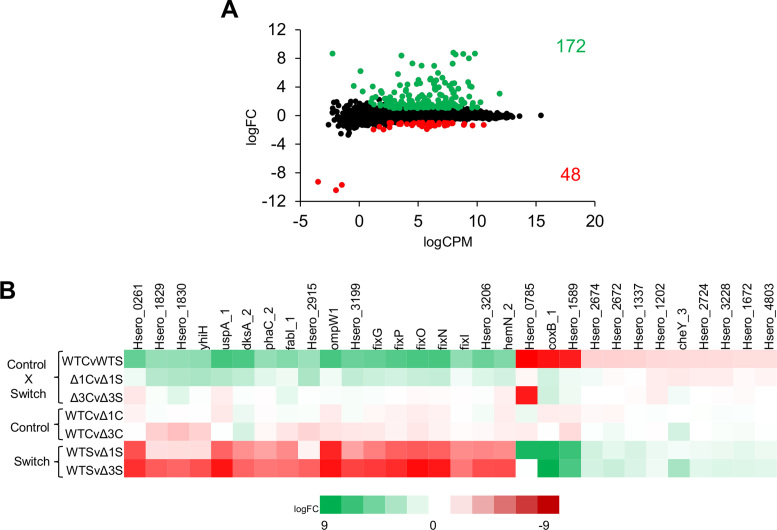
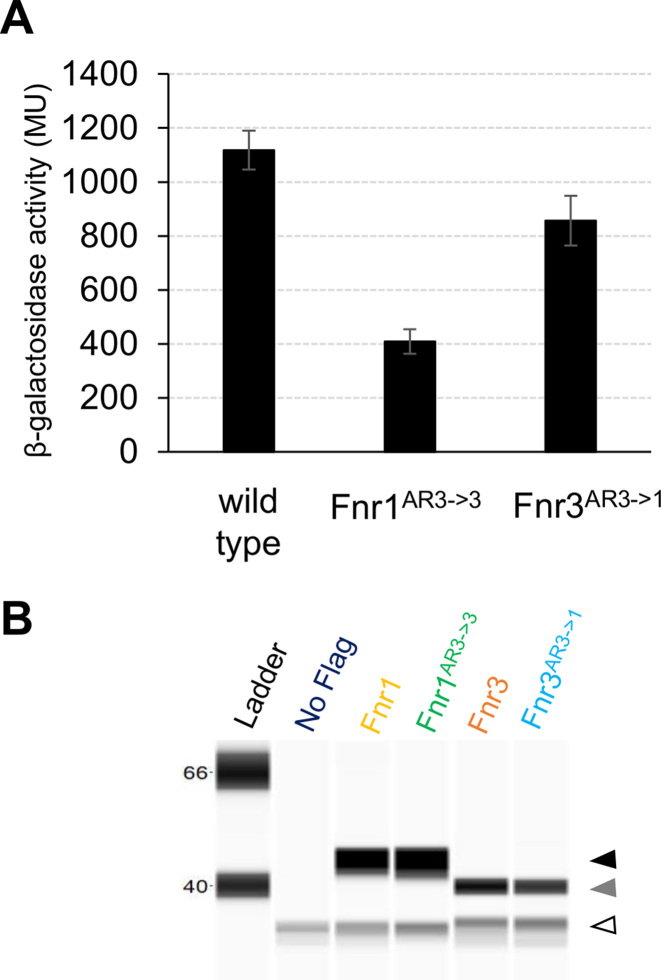
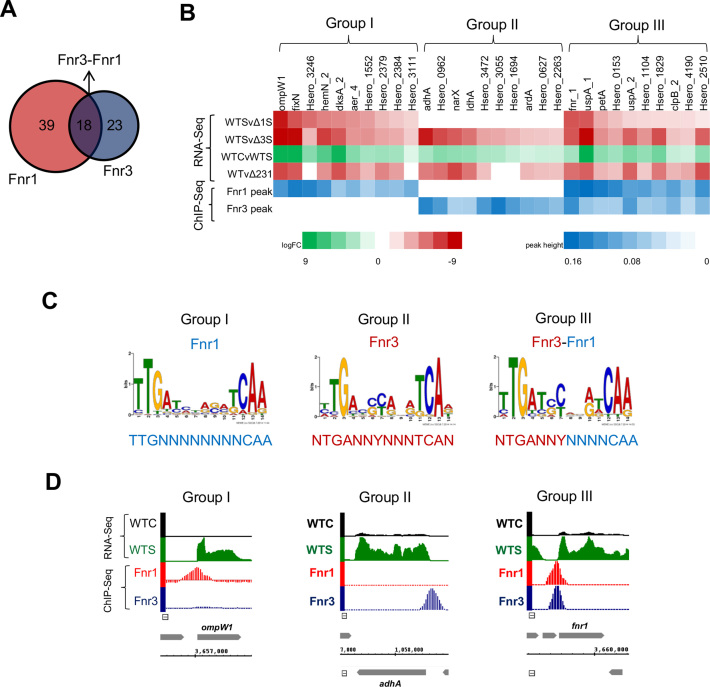
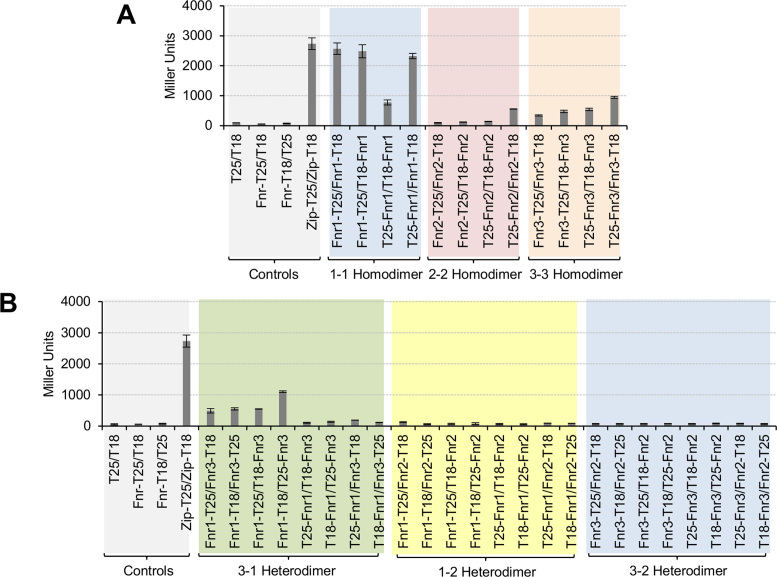
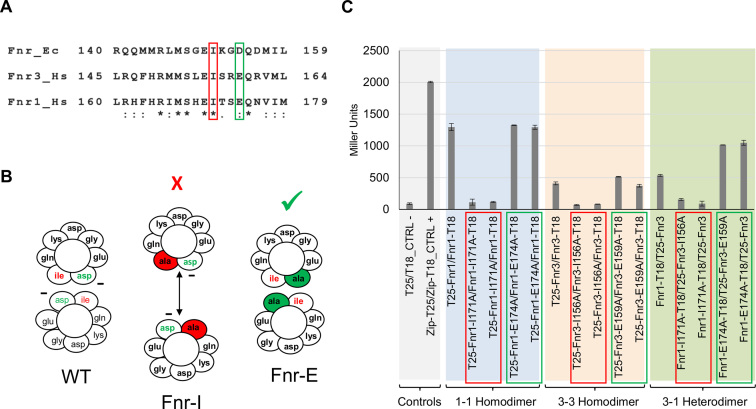
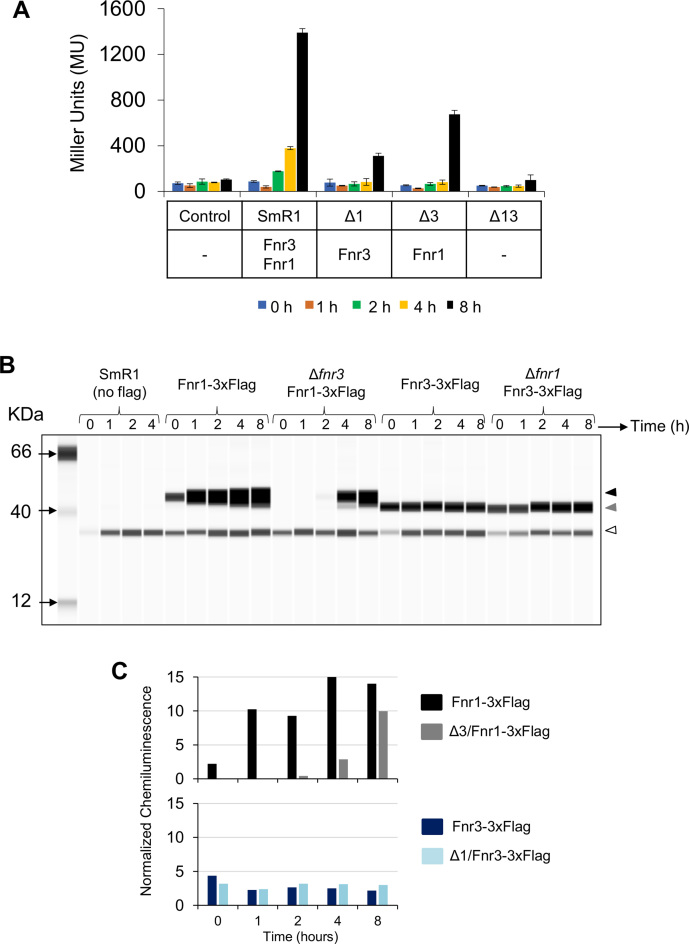
Bacteria adjust the composition of their electron transport chain (ETC) to efficiently adapt to oxygen gradients. This involves differential expression of various ETC components to optimize energy generation. In Herbaspirillum seropedicae, reprogramming of gene expression in response to oxygen availability is controlled at the transcriptional level by three Fnr orthologs. Here, we characterised Fnr regulons using a combination of RNA-Seq and ChIP-Seq analysis. We found that Fnr1 and Fnr3 directly regulate discrete groups of promoters (Groups I and II, respectively), and that a third group (Group III) is co-regulated by both transcription factors. Comparison of DNA binding motifs between the three promoter groups suggests Group III promoters are potentially co-activated by Fnr3-Fnr1 heterodimers. Specific interaction between Fnr1 and Fnr3, detected in two-hybrid assays, was dependent on conserved residues in their dimerization interfaces, indicative of heterodimer formation in vivo. The requirements for co-activation of the fnr1 promoter, belonging to Group III, suggest either sequential activation by Fnr3 and Fnr1 homodimers or the involvement of Fnr3-Fnr1 heterodimers. Analysis of Fnr proteins with swapped activation domains provides evidence that co-activation by Fnr1 and Fnr3 at Group III promoters optimises interactions with RNA polymerase to fine-tune transcription in response to prevailing oxygen concentrations.
细菌会调整其电子传递链 (ETC) 的组成,以有效地适应氧气梯度。这涉及到各种 ETC 成分的差异表达,以优化能量产生。在 Herbaspirillum seropedicae 中,对氧气可用性的基因表达的重新编程是由三个 Fnr 同源物在转录水平上控制的。在这里,我们使用 RNA-Seq 和 ChIP-Seq 分析相结合的方法来描述 Fnr 调控组。我们发现 Fnr1 和 Fnr3 直接调节离散的启动子群(分别为 I 组和 II 组),而第三组(III 组)由这两个转录因子共同调节。三个启动子组之间的 DNA 结合基序比较表明,III 组启动子可能由 Fnr3-Fnr1 异二聚体共同激活。在双杂交测定中检测到的 Fnr1 和 Fnr3 之间的特异性相互作用依赖于它们二聚化界面中的保守残基,表明体内形成异二聚体。属于 III 组的 fnr1 启动子的共同激活要求表明,要么是 Fnr3 和 Fnr1 同源二聚体的顺序激活,要么是 Fnr3-Fnr1 异二聚体的参与。交换激活结构域的 Fnr 蛋白分析提供了证据表明,在 III 组启动子上,Fnr1 和 Fnr3 的共同激活优化了与 RNA 聚合酶的相互作用,以根据流行的氧气浓度精细调节转录。