Department of Biochemistry and Molecular Biology, Universidade Federal do Paraná, Curitiba-PR, Brazil.
Sci Rep. 2013;3:2544. doi: 10.1038/srep02544.
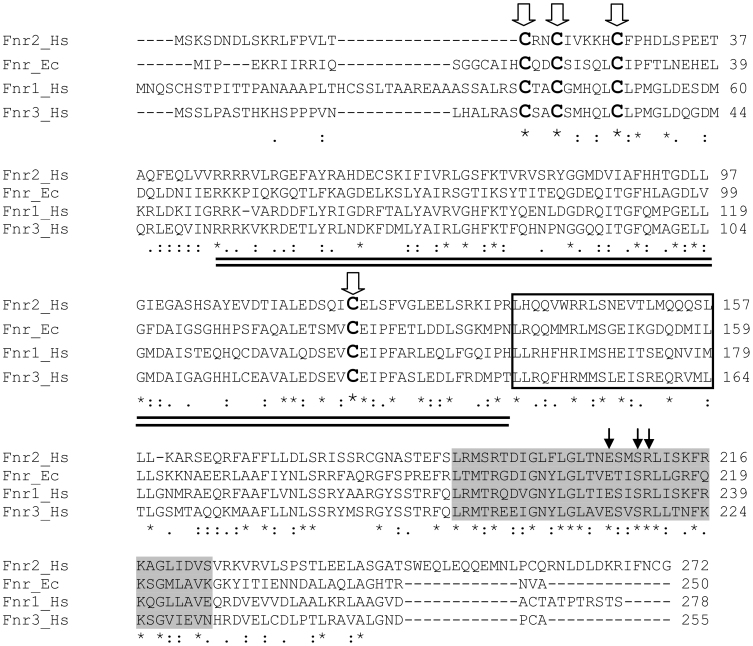
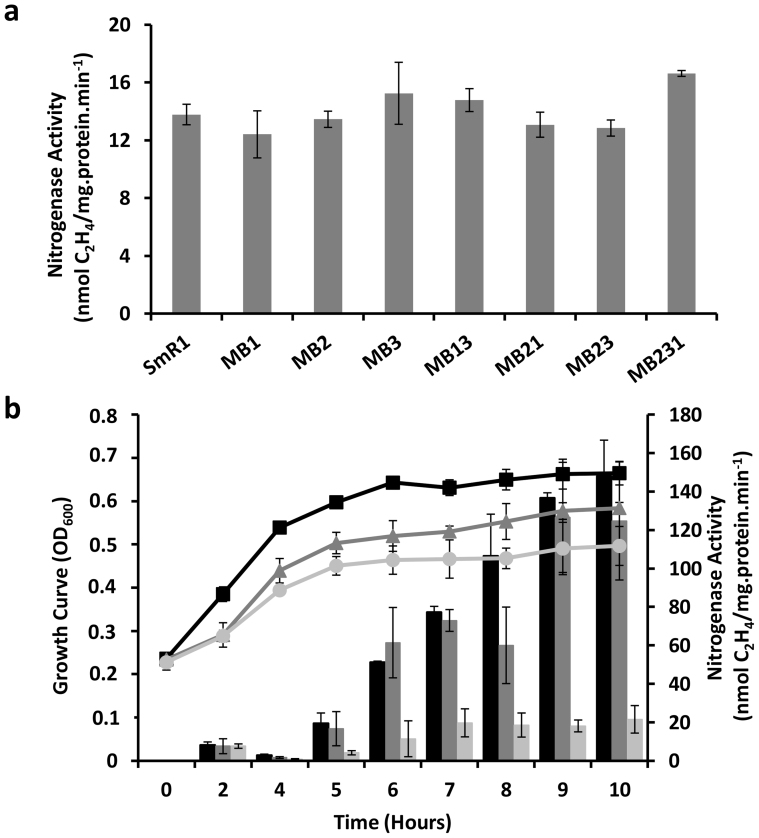
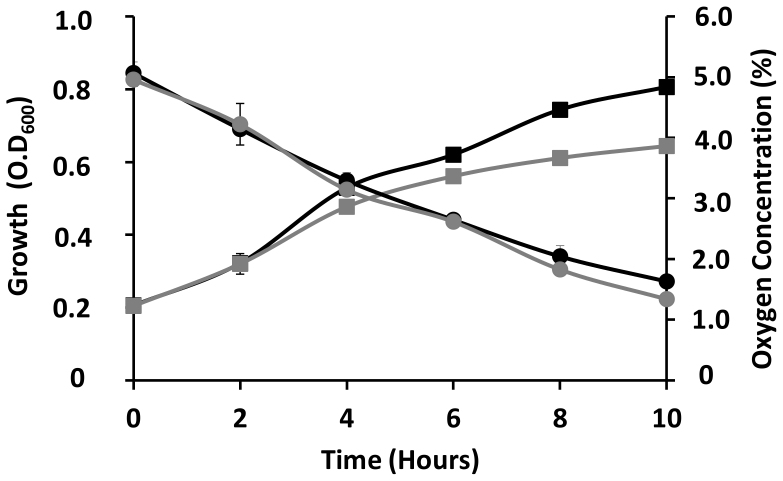
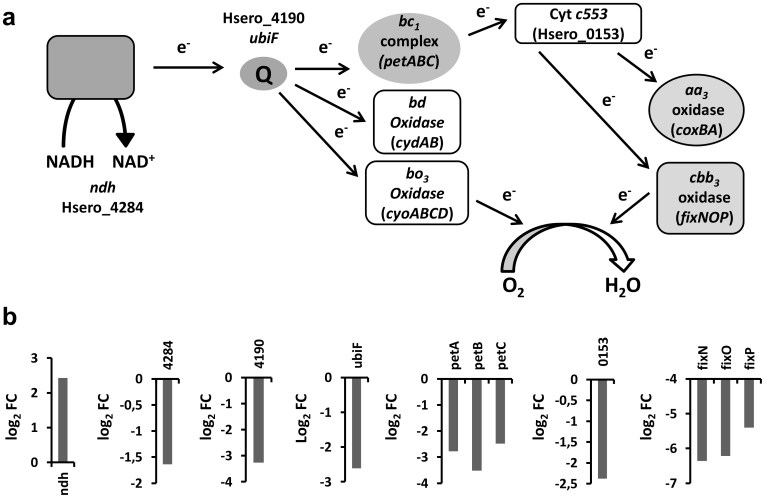
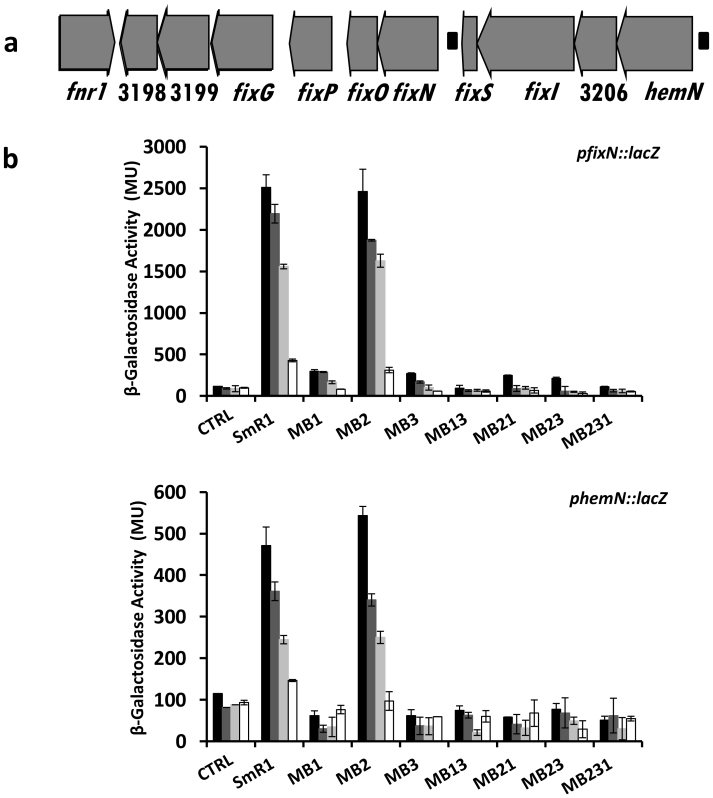
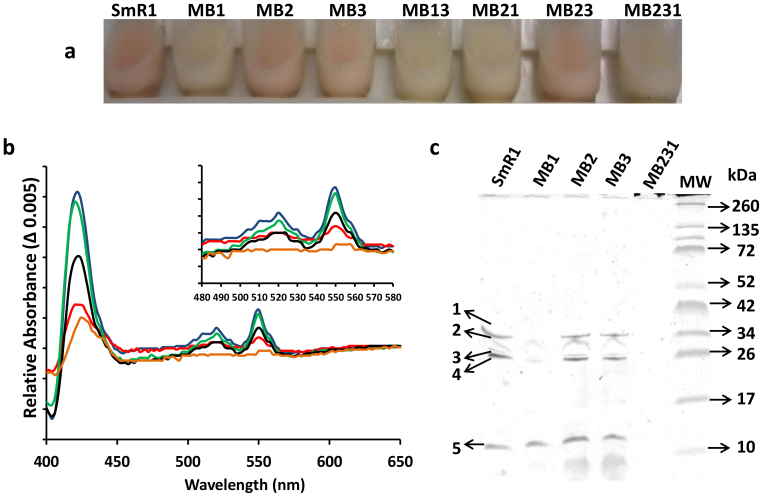
The transcriptional regulatory protein Fnr, acts as an intracellular redox sensor regulating a wide range of genes in response to changes in oxygen levels. Genome sequencing of Herbaspirillum seropedicae SmR1 revealed the presence of three fnr-like genes. In this study we have constructed single, double and triple fnr deletion mutant strains of H. seropedicae. Transcriptional profiling in combination with expression data from reporter fusions, together with spectroscopic analysis, demonstrates that the Fnr1 and Fnr3 proteins not only regulate expression of the cbb3-type respiratory oxidase, but also control the cytochrome content and other component complexes required for the cytochrome c-based electron transport pathway. Accordingly, in the absence of the three Fnr paralogs, growth is restricted at low oxygen tensions and nitrogenase activity is impaired. Our results suggest that the H. seropedicae Fnr proteins are major players in regulating the composition of the electron transport chain in response to prevailing oxygen concentrations.
转录调节蛋白 Fnr 作为一种细胞内氧化还原传感器,可响应氧水平的变化调节广泛的基因。 Herbaspirillum seropedicae SmR1 的基因组测序揭示了存在三个 fnr 样基因。在这项研究中,我们构建了 H. seropedicae 的单个、双个和三个 fnr 缺失突变株。转录谱分析结合报告基因融合的表达数据以及光谱分析表明,Fnr1 和 Fnr3 蛋白不仅调节 cbb3 型呼吸氧化酶的表达,还控制细胞色素含量和细胞色素 c 为基础的电子传递途径所需的其他组件复合物。因此,在缺乏三个 Fnr 旁系同源物的情况下,在低氧张力下生长受到限制,固氮酶活性受损。我们的结果表明,H. seropedicae 的 Fnr 蛋白是调节电子传递链组成以响应流行氧浓度的主要参与者。