González-Briones Alfonso, Prieto Javier, De La Prieta Fernando, Herrera-Viedma Enrique, Corchado Juan M
BISITE Digital Innovation Hub, University of Salamanca, Edificio I+D+I, 37007 Salamanca, Spain.
Department of Computer Science and Artificial Intelligence, University of Granada, 18071 Granada, Spain.
Sensors (Basel). 2018 Mar 15;18(3):865. doi: 10.3390/s18030865.
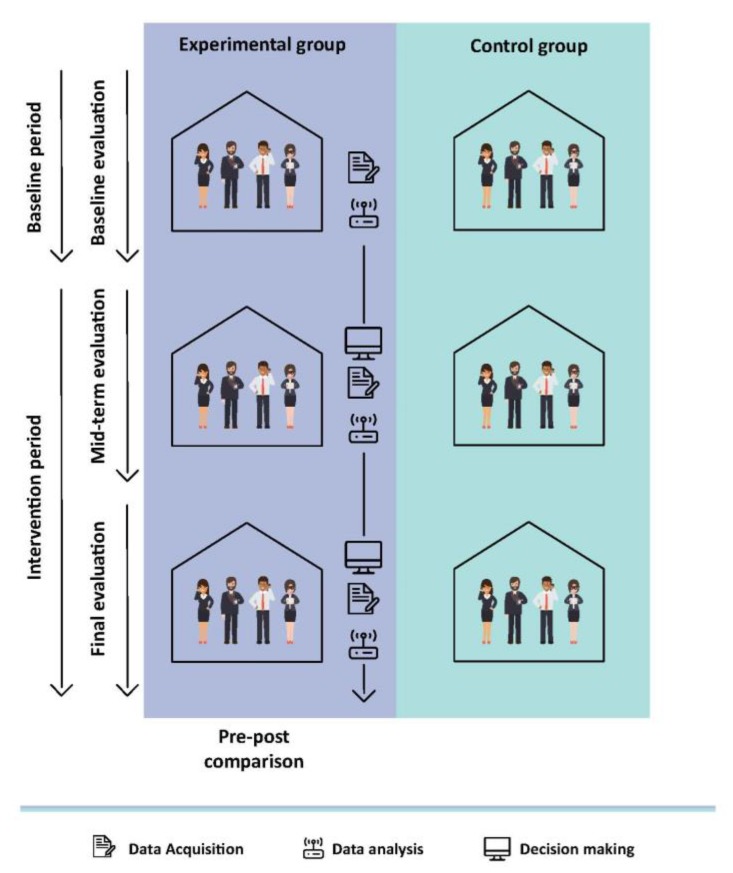
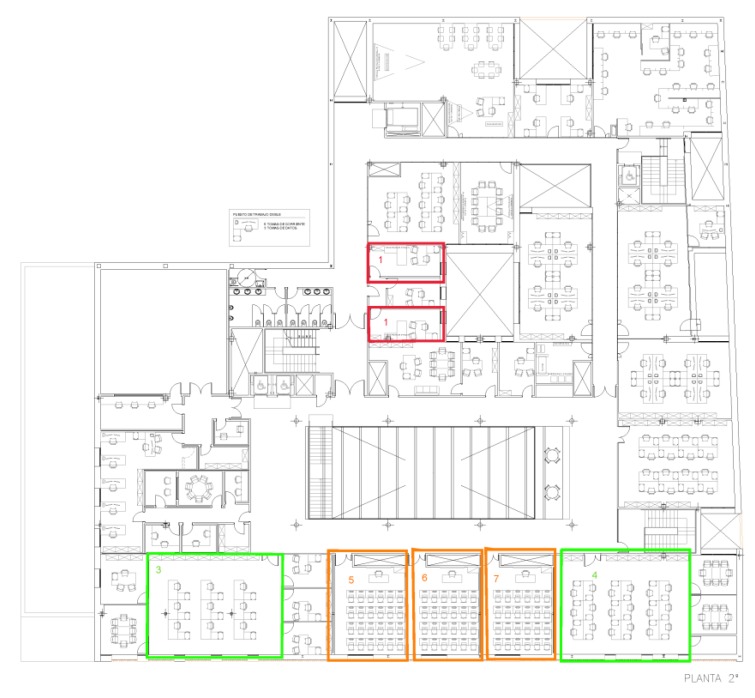
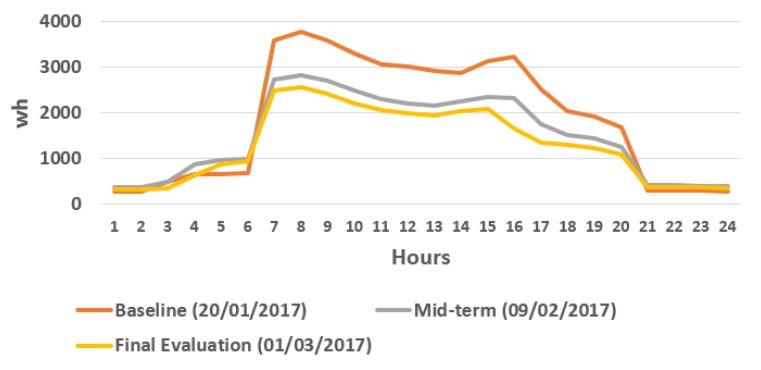
At present, the domotization of homes and public buildings is becoming increasingly popular. Domotization is most commonly applied to the field of energy management, since it gives the possibility of managing the consumption of the devices connected to the electric network, the way in which the users interact with these devices, as well as other external factors that influence consumption. In buildings, Heating, Ventilation and Air Conditioning (HVAC) systems have the highest consumption rates. The systems proposed so far have not succeeded in optimizing the energy consumption associated with a HVAC system because they do not monitor all the variables involved in electricity consumption. For this reason, this article presents an agent approach that benefits from the advantages provided by a Multi-Agent architecture (MAS) deployed in a Cloud environment with a wireless sensor network (WSN) in order to achieve energy savings. The agents of the MAS learn social behavior thanks to the collection of data and the use of an artificial neural network (ANN). The proposed system has been assessed in an office building achieving an average energy savings of 41% in the experimental group offices.
目前,家庭和公共建筑的智能化正变得越来越流行。智能化最常用于能源管理领域,因为它能够管理连接到电网的设备的能耗、用户与这些设备的交互方式以及其他影响能耗的外部因素。在建筑物中,供暖、通风和空调(HVAC)系统的能耗率最高。到目前为止提出的系统未能成功优化与HVAC系统相关的能耗,因为它们没有监测到与电力消耗有关的所有变量。因此,本文提出了一种智能体方法,该方法利用部署在云环境中的多智能体架构(MAS)与无线传感器网络(WSN)相结合所提供的优势,以实现节能。MAS的智能体通过数据收集和使用人工神经网络(ANN)来学习社会行为。所提出的系统已在一座办公楼中进行了评估,实验组办公室实现了平均41%的节能。