Blyakhman Felix A, Buznikov Nikita A, Sklyar Tatyana F, Safronov Alexander P, Golubeva Elizaveta V, Svalov Andrey V, Sokolov Sergey Yu, Melnikov Grigory Yu, Orue Iñaki, Kurlyandskaya Galina V
Ural State Medical University, Yekaterinburg 620028, Russia.
Institute of Natural Sciences and Mathematics Ural Federal University, Yekaterinburg 620002, Russia.
Sensors (Basel). 2018 Mar 15;18(3):872. doi: 10.3390/s18030872.
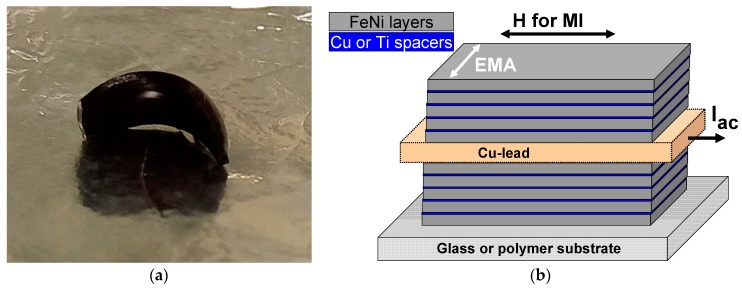
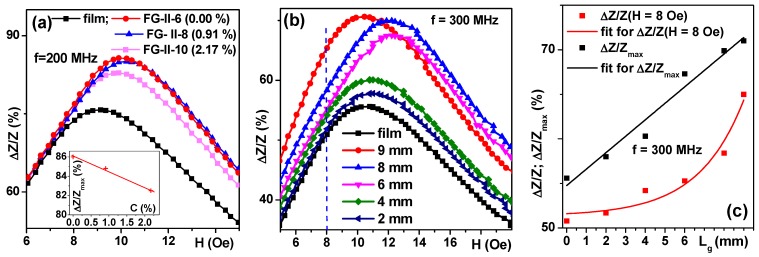
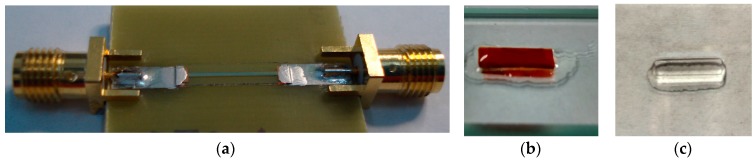
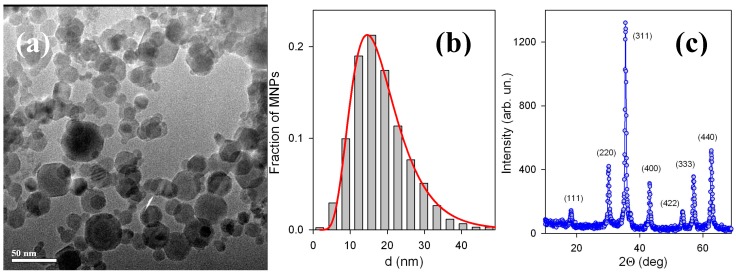
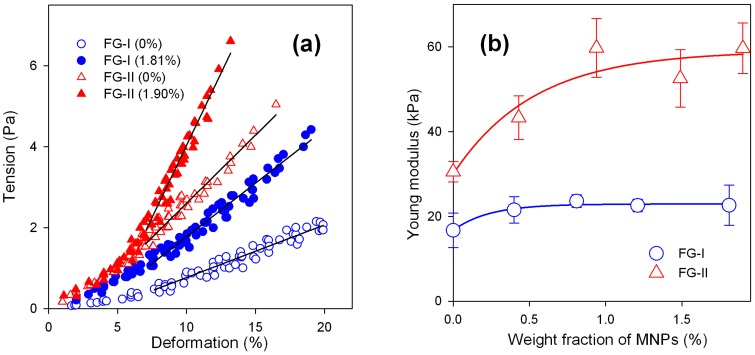
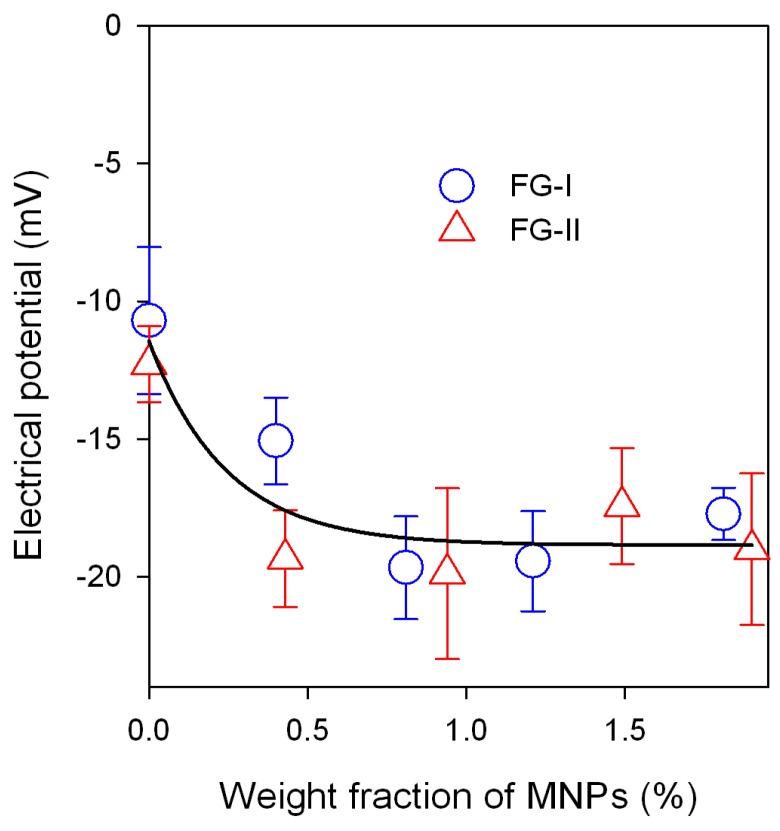
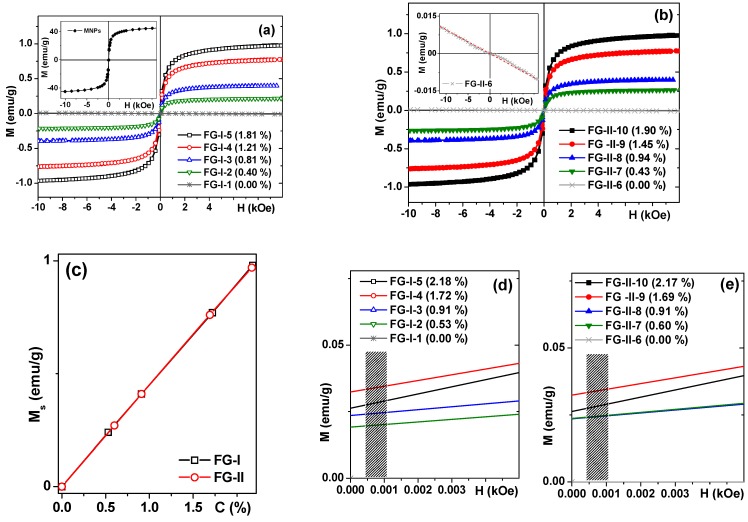
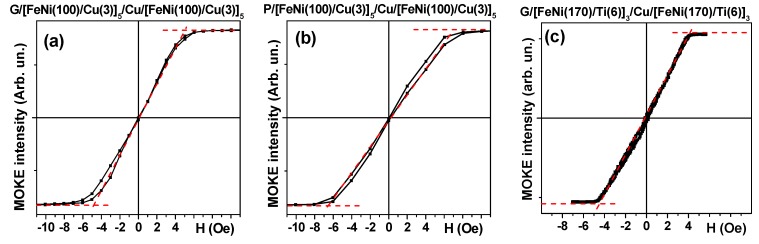
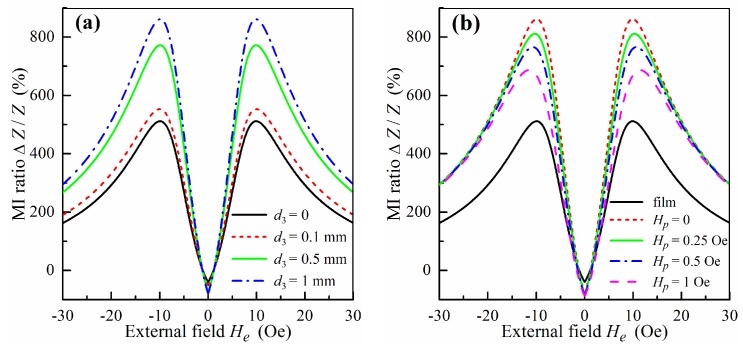
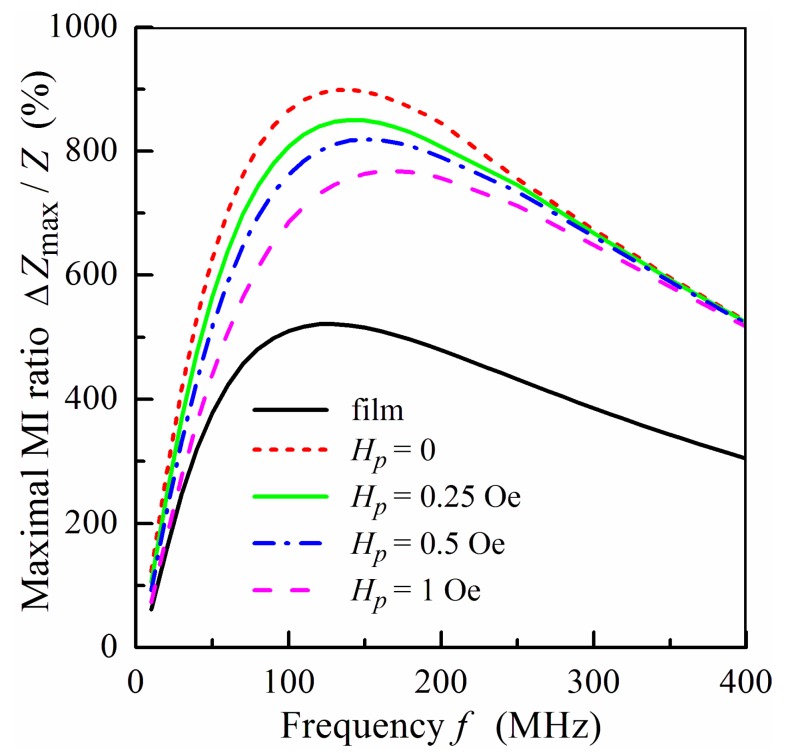
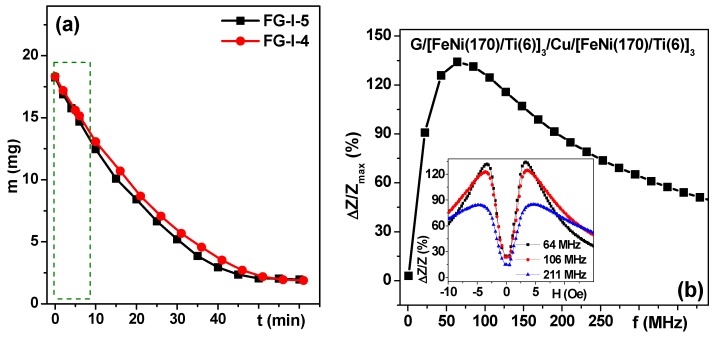
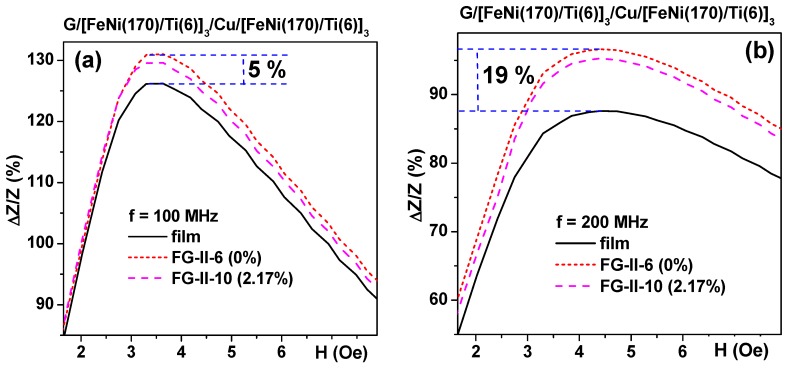
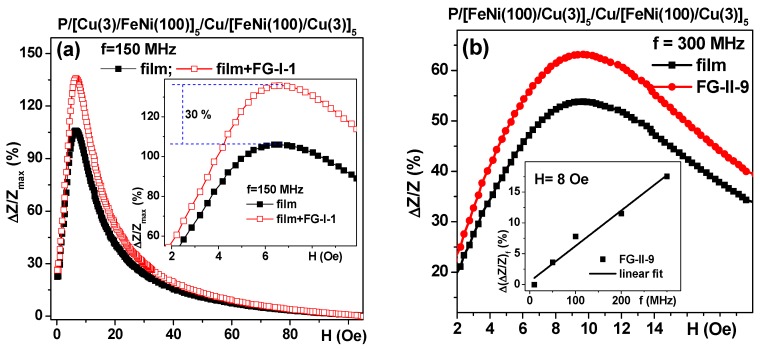
Hydrogels are biomimetic materials widely used in the area of biomedical engineering and biosensing. Ferrogels (FG) are magnetic composites capable of functioning as magnetic field sensitive transformers and field assisted drug deliverers. FG can be prepared by incorporating magnetic nanoparticles (MNPs) into chemically crosslinked hydrogels. The properties of biomimetic ferrogels for multifunctional biosensor applications can be set up by synthesis. The properties of these biomimetic ferrogels can be thoroughly controlled in a physical experiment environment which is much less demanding than biotests. Two series of ferrogels (soft and dense) based on polyacrylamide (PAAm) with different chemical network densities were synthesized by free-radical polymerization in aqueous solution with ,'-methylene-diacrylamide as a cross-linker and maghemite Fe₂O₃ MNPs fabricated by laser target evaporation as a filler. Their mechanical, electrical and magnetic properties were comparatively analyzed. We developed a giant magnetoimpedance (MI) sensor prototype with multilayered FeNi-based sensitive elements deposited onto glass or polymer substrates adapted for FG studies. The MI measurements in the initial state and in the presence of FG with different concentrations of MNPs at a frequency range of 1-300 MHz allowed a precise characterization of the stray fields of the MNPs present in the FG. We proposed an electrodynamic model to describe the MI in multilayered film with a FG layer based on the solution of linearized Maxwell equations for the electromagnetic fields coupled with the Landau-Lifshitz equation for the magnetization dynamics.
水凝胶是广泛应用于生物医学工程和生物传感领域的仿生材料。铁凝胶(FG)是一种磁性复合材料,能够作为磁场敏感变压器和场辅助药物输送器发挥作用。FG可通过将磁性纳米颗粒(MNP)掺入化学交联水凝胶中来制备。用于多功能生物传感器应用的仿生铁凝胶的性能可通过合成来设定。这些仿生铁凝胶的性能可以在比生物测试要求低得多的物理实验环境中得到充分控制。以'-亚甲基双丙烯酰胺为交联剂,通过水溶液中的自由基聚合反应,合成了基于聚丙烯酰胺(PAAm)的具有不同化学网络密度的两个系列的铁凝胶(软质和致密质),并以激光靶蒸发制备的磁赤铁矿Fe₂O₃ MNP作为填料。对它们的机械、电学和磁学性能进行了比较分析。我们开发了一种巨磁阻抗(MI)传感器原型,其具有多层基于FeNi的敏感元件,沉积在适用于FG研究的玻璃或聚合物基板上。在1 - 300 MHz频率范围内,对初始状态以及存在不同浓度MNP的FG时进行的MI测量,能够精确表征FG中存在的MNP的杂散场。我们提出了一个电动力学模型,基于电磁场的线性化麦克斯韦方程与磁化动力学的朗道 - 里夫希茨方程的解,来描述具有FG层的多层膜中的MI。