Arthritis Research UK Pain Centre & School of Life Sciences, Medical School, University of Nottingham, Nottingham NG7 2UH, UK.
Arthritis Research UK Pain Centre & School of Life Sciences, Medical School, University of Nottingham, Nottingham NG7 2UH, UK.
Brain Behav Immun. 2018 Nov;74:49-67. doi: 10.1016/j.bbi.2018.03.012. Epub 2018 Mar 14.
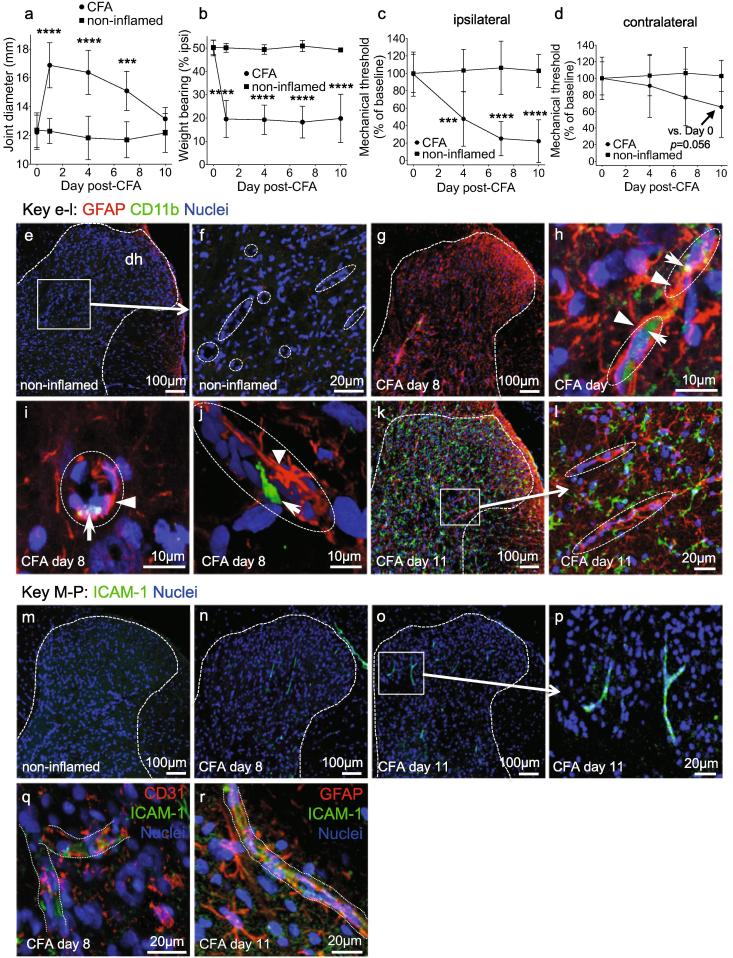
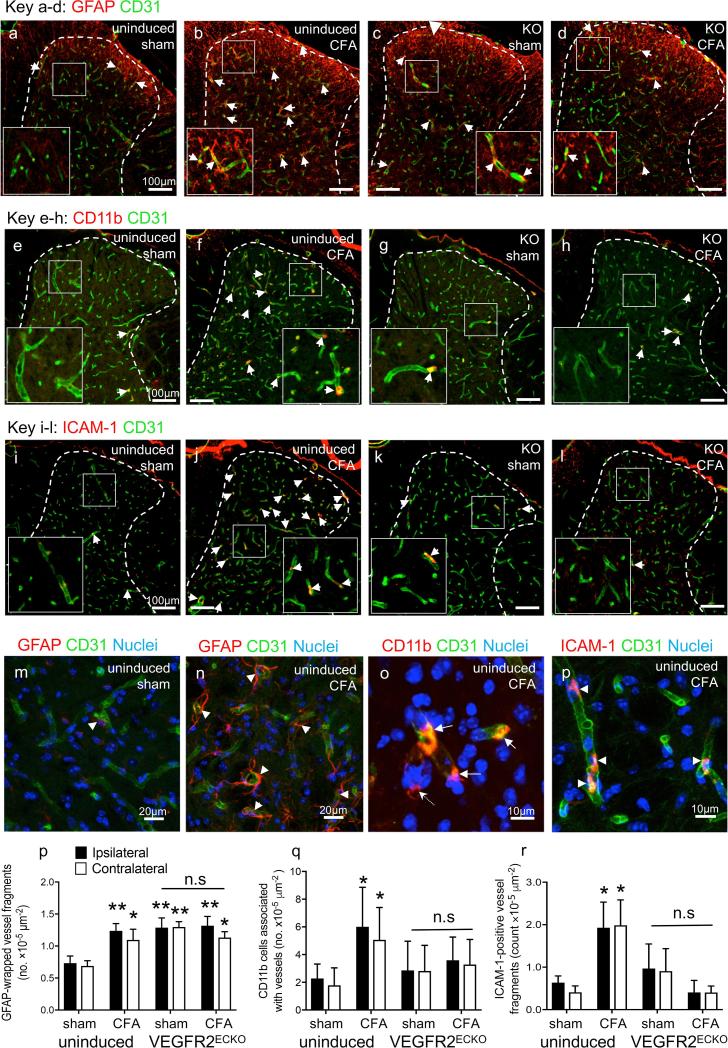
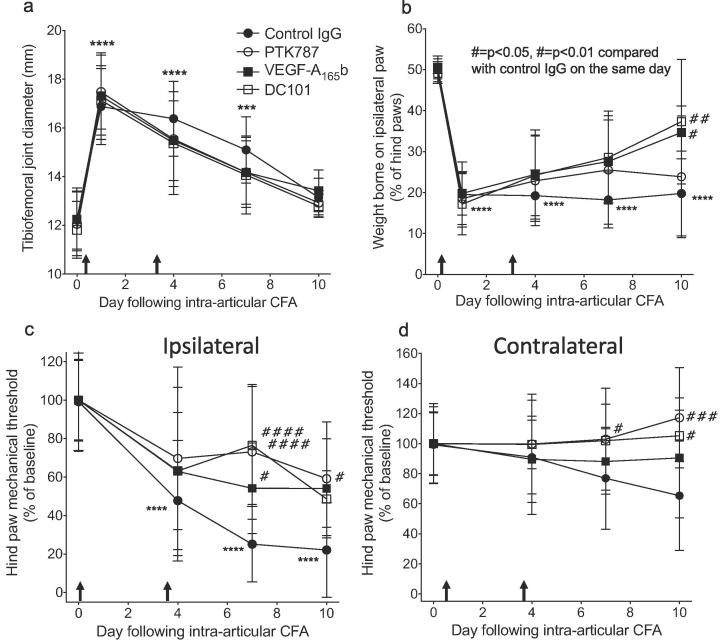
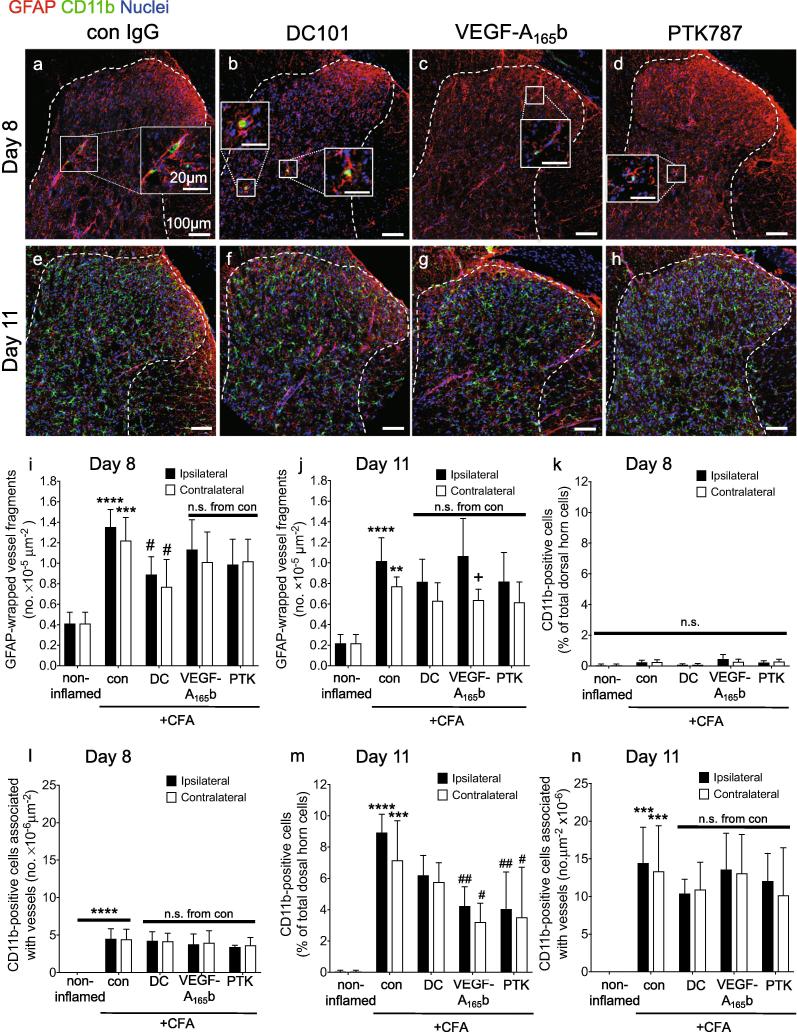
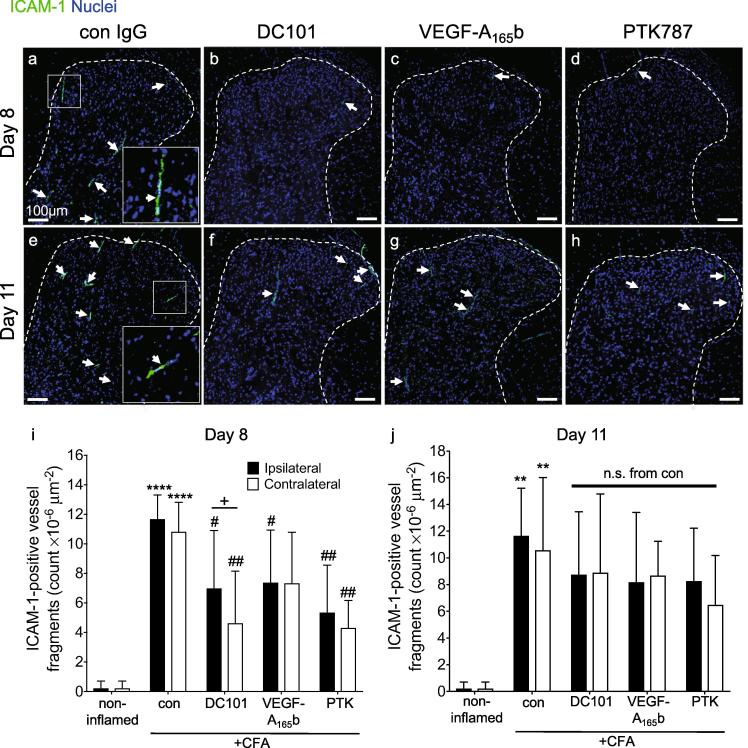
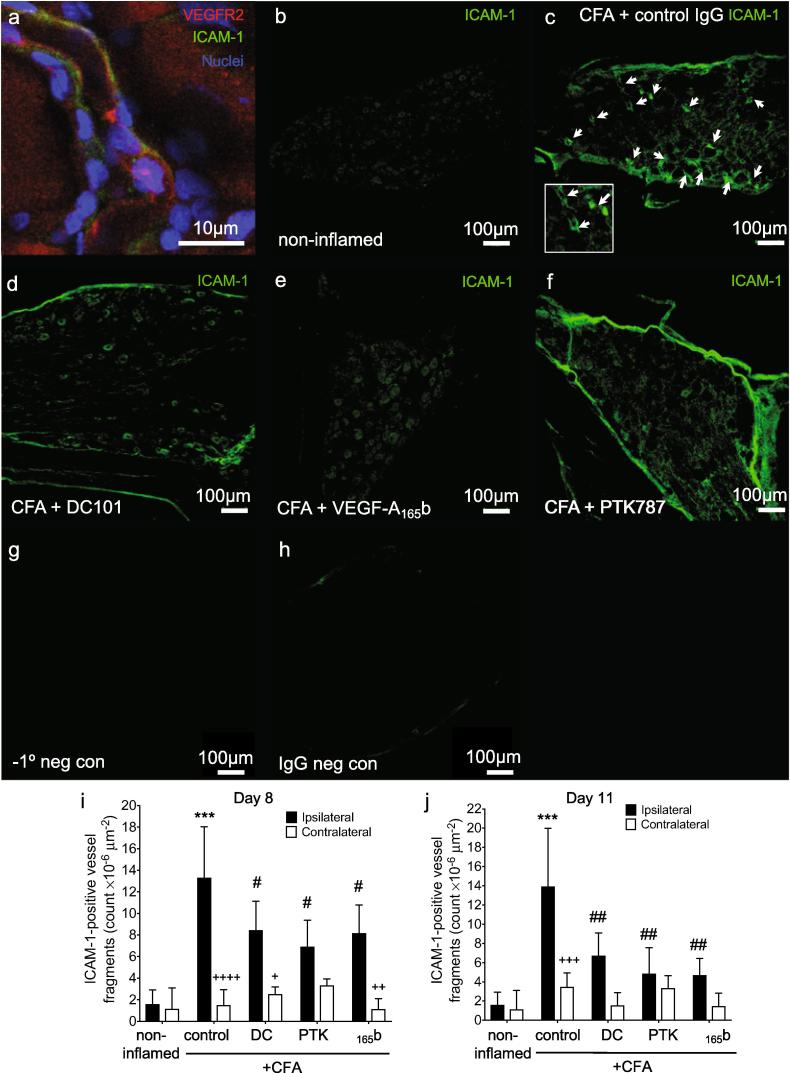
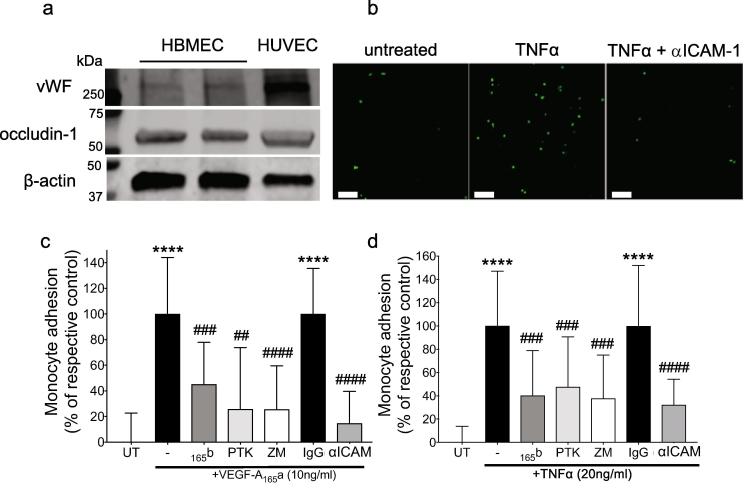
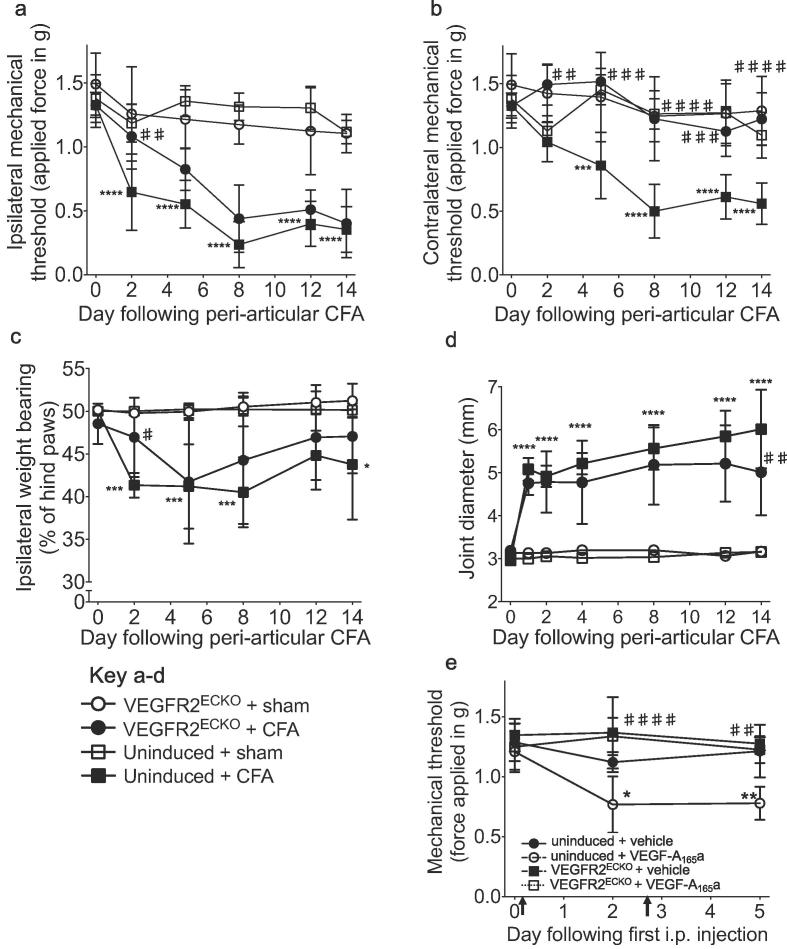
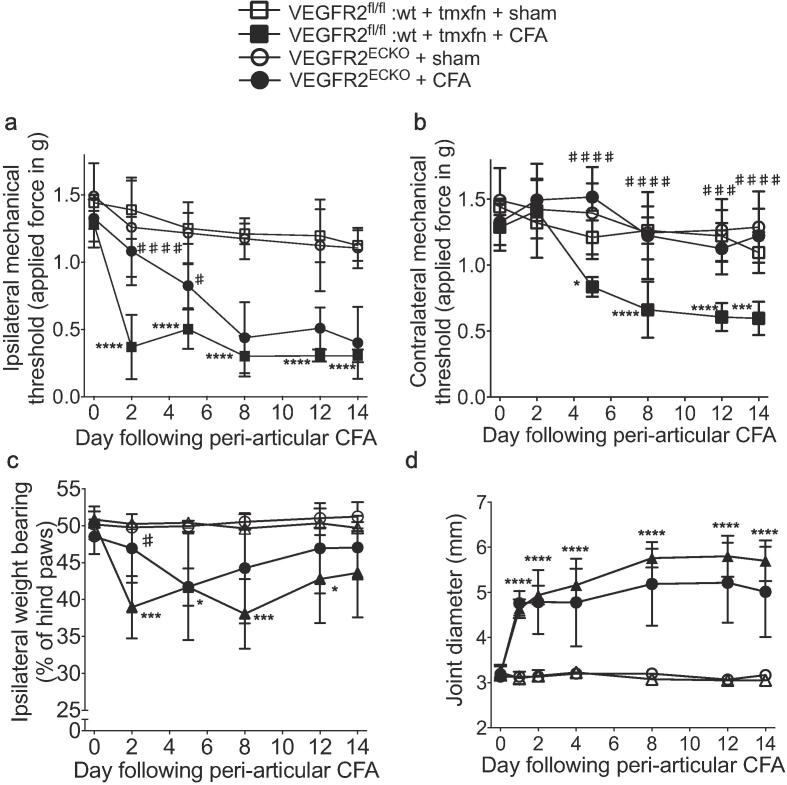
Chronic pain can develop in response to conditions such as inflammatory arthritis. The central mechanisms underlying the development and maintenance of chronic pain in humans are not well elucidated although there is evidence for a role of microglia and astrocytes. However in pre-clinical models of pain, including models of inflammatory arthritis, there is a wealth of evidence indicating roles for pathological glial reactivity within the CNS. In the spinal dorsal horn of rats with painful inflammatory arthritis we found both a significant increase in CD11b microglia-like cells and GFAP astrocytes associated with blood vessels, and the number of activated blood vessels expressing the adhesion molecule ICAM-1, indicating potential glio-vascular activation. Using pharmacological interventions targeting VEGFR2 in arthritic rats, to inhibit endothelial cell activation, the number of dorsal horn ICAM-1 blood vessels, CD11b microglia and the development of secondary mechanical allodynia, an indicator of central sensitization, were all prevented. Targeting endothelial VEGFR2 by inducible Tie2-specific VEGFR2 knock-out also prevented secondary allodynia in mice and glio-vascular activation in the dorsal horn in response to inflammatory arthritis. Inhibition of VEGFR2 in vitro significantly blocked ICAM-1-dependent monocyte adhesion to brain microvascular endothelial cells, when stimulated with inflammatory mediators TNF-α and VEGF-Aa. Taken together our findings suggest that a novel VEGFR2-mediated spinal cord glio-vascular mechanism may promote peripheral CD11b circulating cell transmigration into the CNS parenchyma and contribute to the development of chronic pain in inflammatory arthritis. We hypothesise that preventing this glio-vascular activation and circulating cell translocation into the spinal cord could be a new therapeutic strategy for pain caused by rheumatoid arthritis.
慢性疼痛可能是对炎性关节炎等疾病的一种反应。虽然有证据表明小胶质细胞和星形胶质细胞在其中起作用,但人类慢性疼痛发展和维持的中枢机制尚未得到充分阐明。然而,在包括炎性关节炎在内的疼痛的临床前模型中,有大量证据表明中枢神经系统中病理性神经胶质反应的作用。在患有炎性关节炎的疼痛大鼠的脊髓背角中,我们发现与血管相关的 CD11b 样小胶质细胞和 GFAP 星形胶质细胞数量显著增加,并且表达粘附分子 ICAM-1 的激活血管数量增加,表明潜在的神经胶质血管激活。在关节炎大鼠中使用针对 VEGFR2 的药理学干预来抑制内皮细胞激活,可防止背角中 ICAM-1 血管、CD11b 小胶质细胞的数量增加以及继发性机械性痛觉过敏(中枢敏化的指标)的发展。通过诱导性 Tie2 特异性 VEGFR2 敲除来靶向内皮 VEGFR2,也可防止小鼠的继发性痛觉过敏和炎性关节炎时背角中的神经胶质血管激活。体外 VEGFR2 抑制可显著阻断 TNF-α和 VEGF-Aa 等炎性介质刺激下脑微血管内皮细胞上 ICAM-1 依赖性单核细胞黏附。总之,我们的研究结果表明,一种新的 VEGFR2 介导的脊髓神经胶质血管机制可能促进外周 CD11b 循环细胞穿过血脑屏障进入中枢实质,并有助于炎性关节炎中的慢性疼痛的发展。我们假设,预防这种神经胶质血管激活和循环细胞向脊髓的易位可能是治疗类风湿性关节炎引起的疼痛的一种新的治疗策略。