Department of Periodontics, College of Dentistry, University of Illinois at Chicago, Chicago, Illinois 60612, USA.
Department of Periodontics, College of Dentistry, University of Illinois at Chicago, Chicago, Illinois 60612, USA.
Biochim Biophys Acta Gene Regul Mech. 2018 May;1861(5):497-508. doi: 10.1016/j.bbagrm.2018.03.001. Epub 2018 Mar 15.
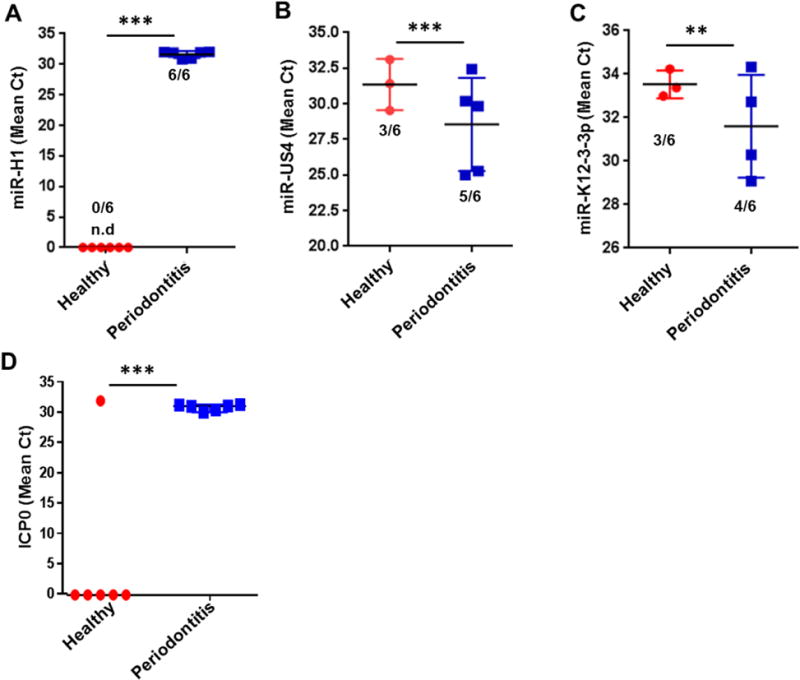
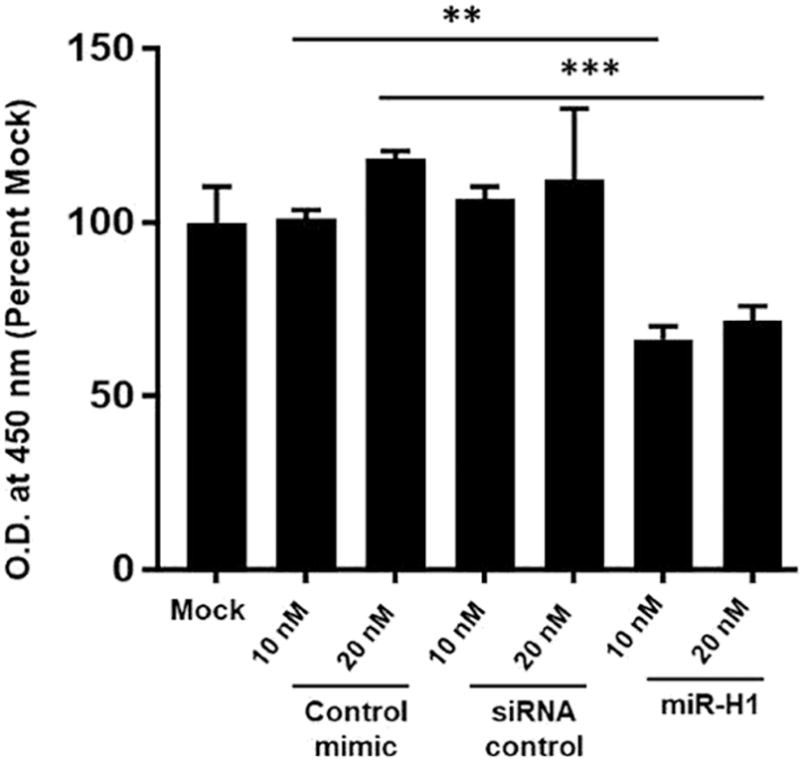
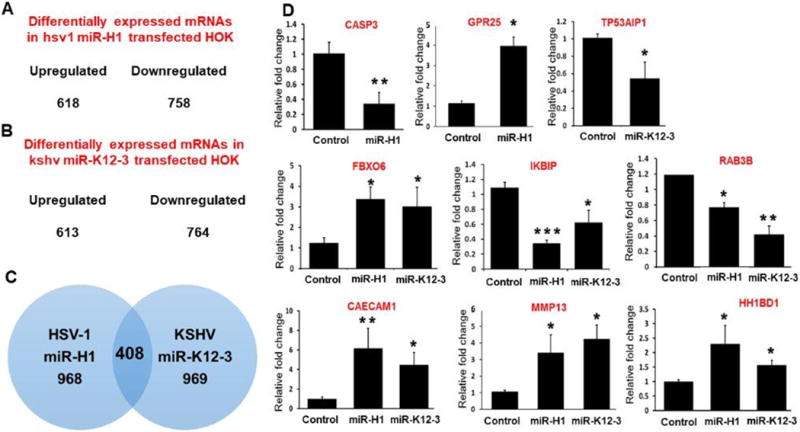
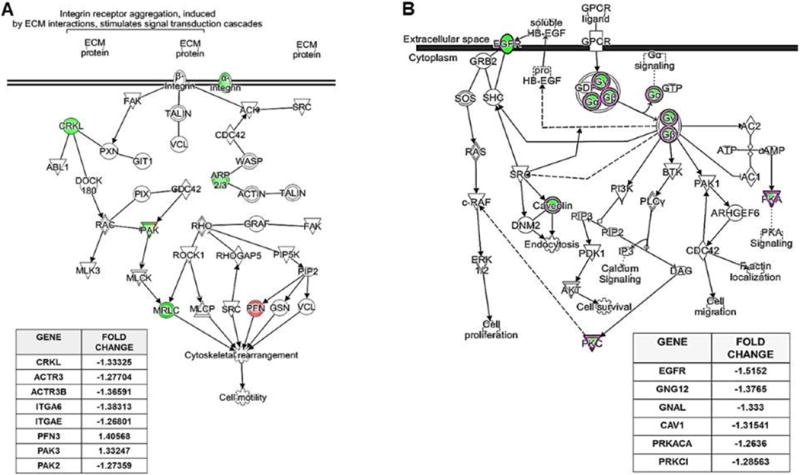
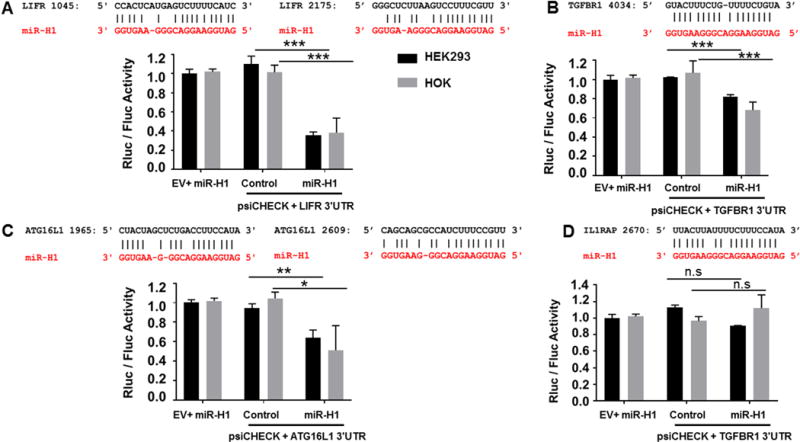
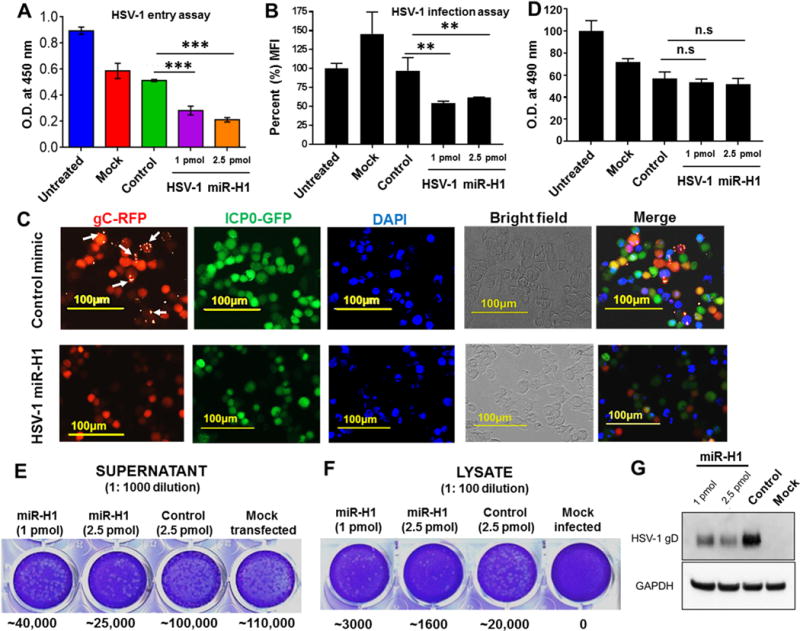
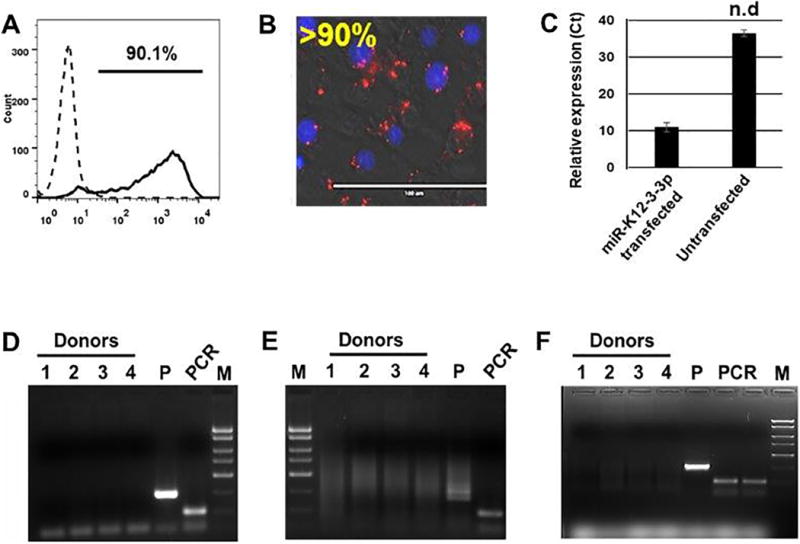
MicroRNAs (miRNAs) are small, non-coding RNAs of ~18-25 nucleotides that have gained extensive attention as critical regulators in complex gene networks including immune cell lineage commitment, differentiation, maturation, and maintenance of immune homeostasis and function. Many viruses encode miRNAs that directly downregulate the expression of factors of the innate immune system, which includes proteins involved in promoting apoptosis and recruitment. In this study, we examined the expression profiles of three previously identified viral miRNAs (v-miRs) from the human herpesvirus (HHV) family, HSV-1 (miR-H1), KSHV (miR-K12-3-3p), and HCMV (miR-US4) in healthy and diseased periodontal tissues and observed increased levels of v-miRs in diseased tissues. To understand the significance of this increase, we overexpressed v-miRs in human oral keratinocytes (HOK), a common target for various HHV, and analyzed the impact of miR-H1 and miR-K12-3-3p on the host transcriptome. More than 1300 genes were altered in HOK overexpressing miR-H1 and miR-K12-3-3p. Global pathway analysis of deregulated genes identified several key cellular pathways that may favor viral persistence. Using bioinformatic analysis, we predicted hundreds of potential v-miR binding sites on genes downregulated by miR-H1 and miR-K12-3-3p and validated three novel target v-miR sites suggesting widespread direct and indirect modulation of numerous host genes/pathways by a single v-miR. Finally, in vitro HSV-1 infection assays showed that miR-H1 can regulate viral entry and infection in human oral keratinocytes (HOK). Overall, our results demonstrate clinical and functional relevance of pathogenic viral molecules viz., v-miRs that regulate both host and viral functions and may contribute to the pathogenesis of inflammatory oral diseases.
微小 RNA(miRNAs)是一种约 18-25 个核苷酸的小非编码 RNA,作为复杂基因网络中关键调控因子,在免疫细胞谱系的决定、分化、成熟以及免疫稳态和功能的维持中得到了广泛关注。许多病毒编码 miRNA,可直接下调先天免疫系统因子的表达,其中包括促进凋亡和募集的蛋白。在这项研究中,我们检测了人类疱疹病毒(HHV)家族中的三种先前鉴定的病毒 miRNA(v-miRs),即单纯疱疹病毒 1(miR-H1)、卡波济肉瘤相关疱疹病毒(miR-K12-3-3p)和人巨细胞病毒(miR-US4)在健康和患病牙周组织中的表达谱,并观察到患病组织中 v-miRs 的水平升高。为了了解这种增加的意义,我们在人类口腔角质形成细胞(HOK)中过表达 v-miRs,这是各种 HHV 的常见靶标,并分析了 miR-H1 和 miR-K12-3-3p 对宿主转录组的影响。在过表达 miR-H1 和 miR-K12-3-3p 的 HOK 中,有 1300 多个基因发生改变。对失调基因的全基因组途径分析确定了几个可能有利于病毒持续存在的关键细胞途径。通过生物信息学分析,我们预测了 miR-H1 和 miR-K12-3-3p 下调的基因中数百个潜在的 v-miR 结合位点,并验证了三个新的靶 v-miR 位点,这表明单个 v-miR 对许多宿主基因/途径的广泛直接和间接调节。最后,体外单纯疱疹病毒 1 感染实验表明,miR-H1 可以调节人口腔角质形成细胞(HOK)中的病毒进入和感染。总体而言,我们的研究结果表明,致病性病毒分子,即 v-miRs,具有临床和功能相关性,可调节宿主和病毒功能,可能导致炎症性口腔疾病的发病机制。