El-Askary Hesham, LaHaye Nick, Linstead Erik, Sprigg William A, Yacoub Magdi
Schmid College of Science and Technology, Chapman University, Orange, CA, USA.
Center of Excellence in Earth Systems Modeling & Observations, Chapman University, Orange, CA, USA.
Glob Cardiol Sci Pract. 2017 Oct 31;2017(3):e201722. doi: 10.21542/gcsp.2017.22.
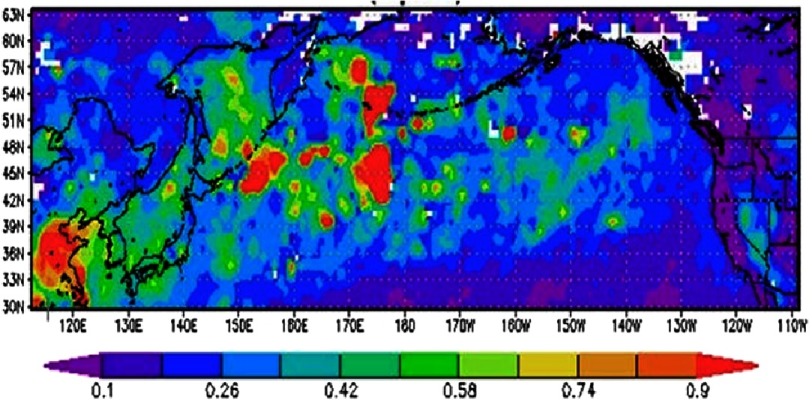
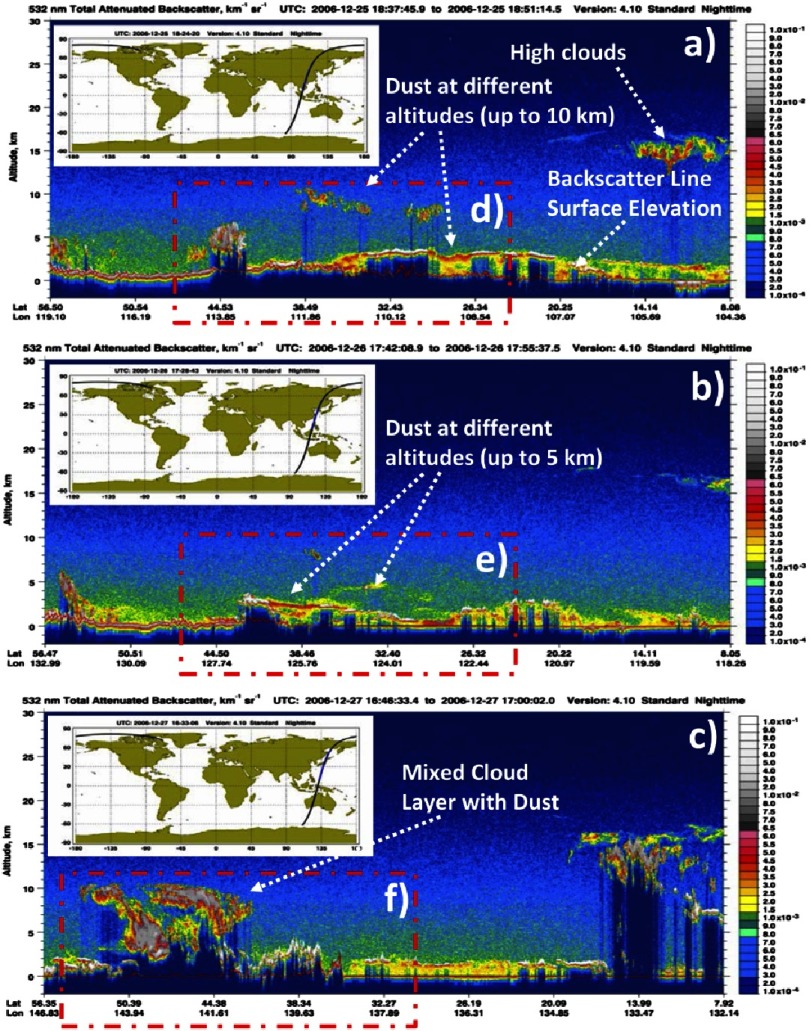
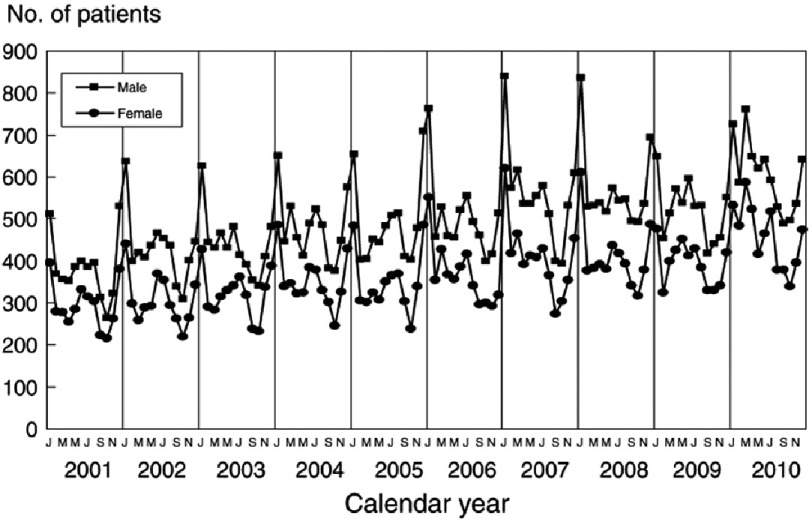
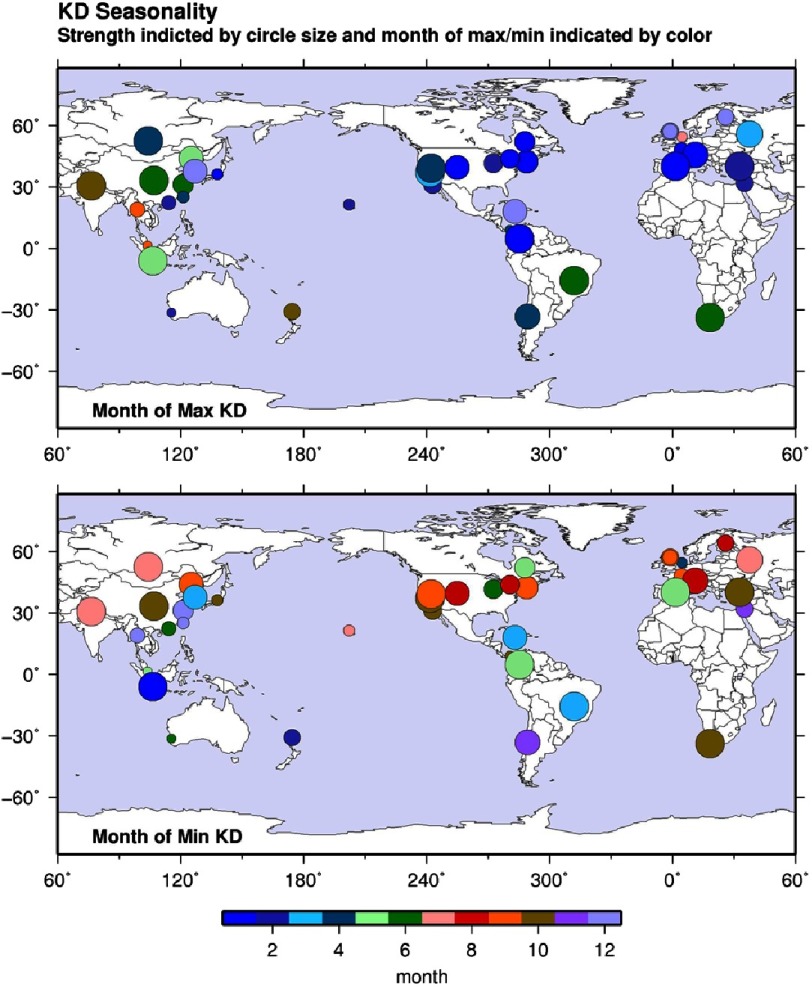
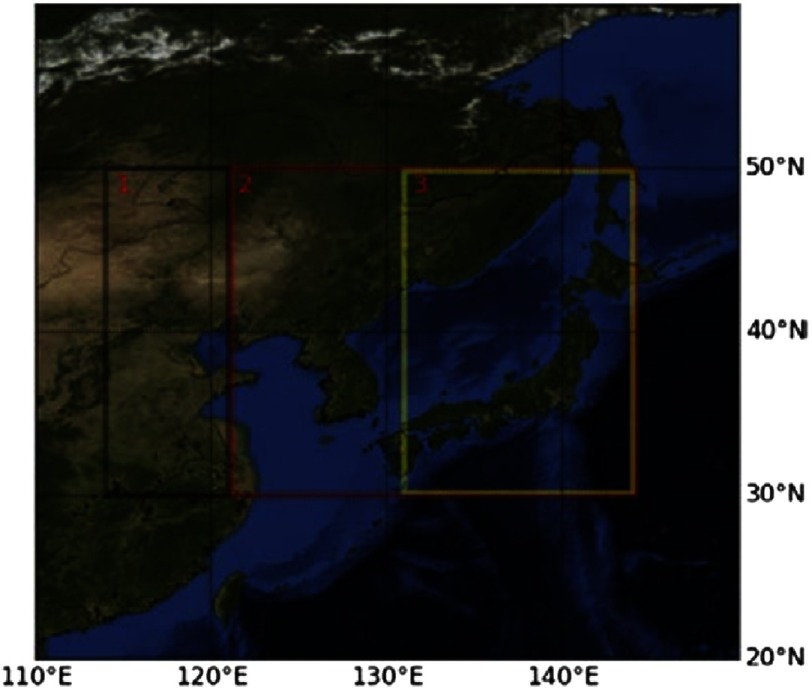
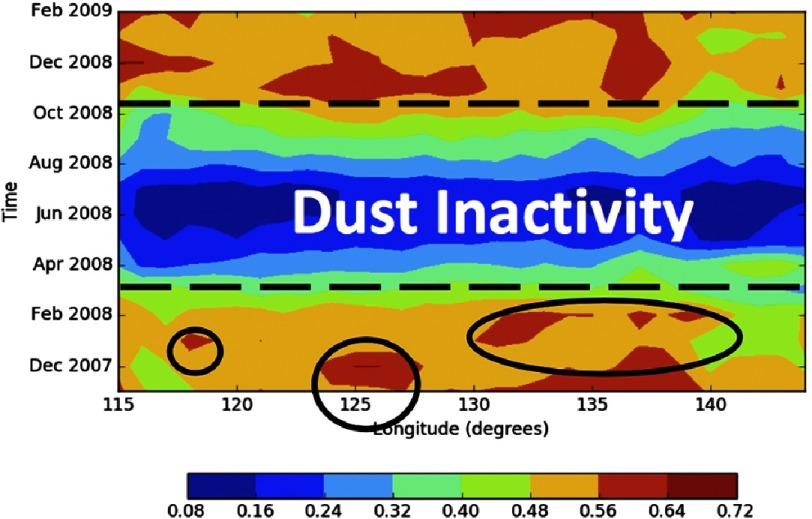
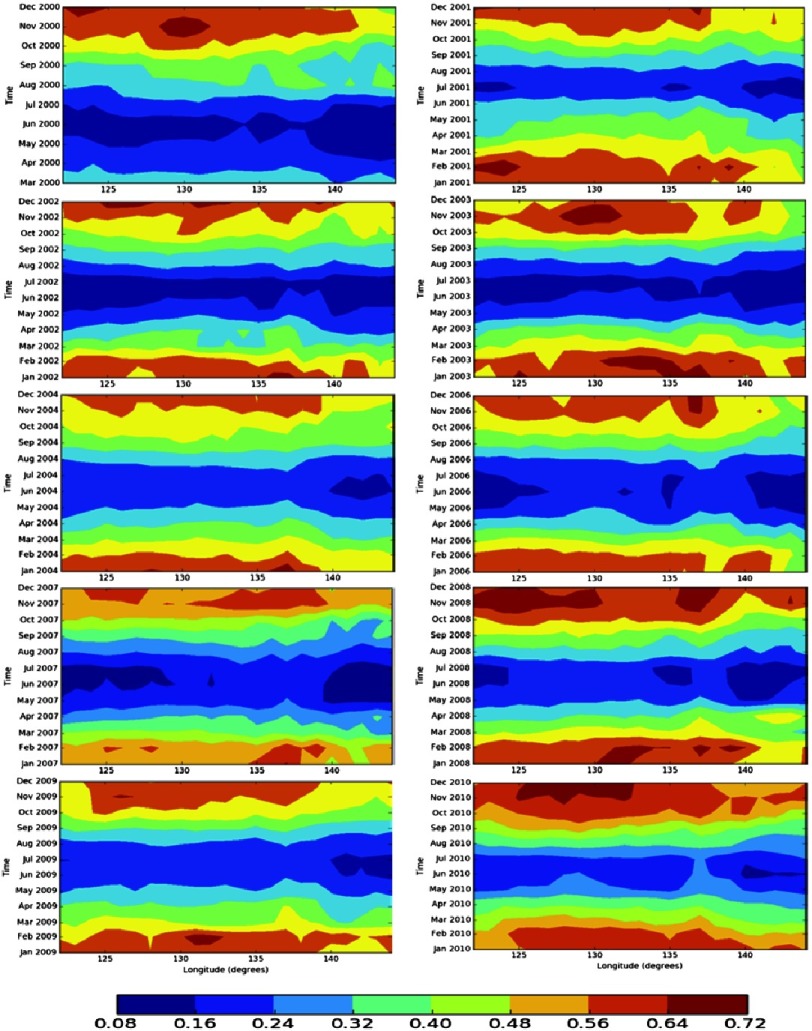
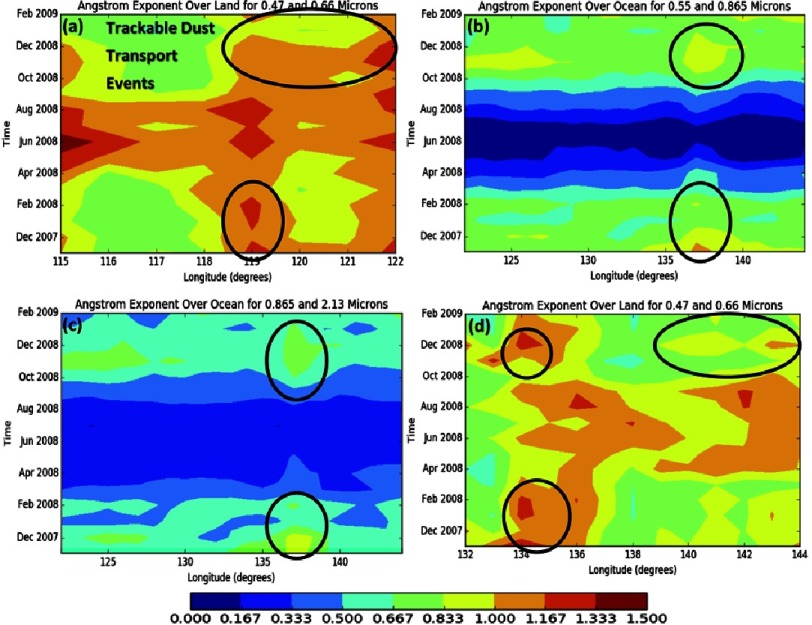
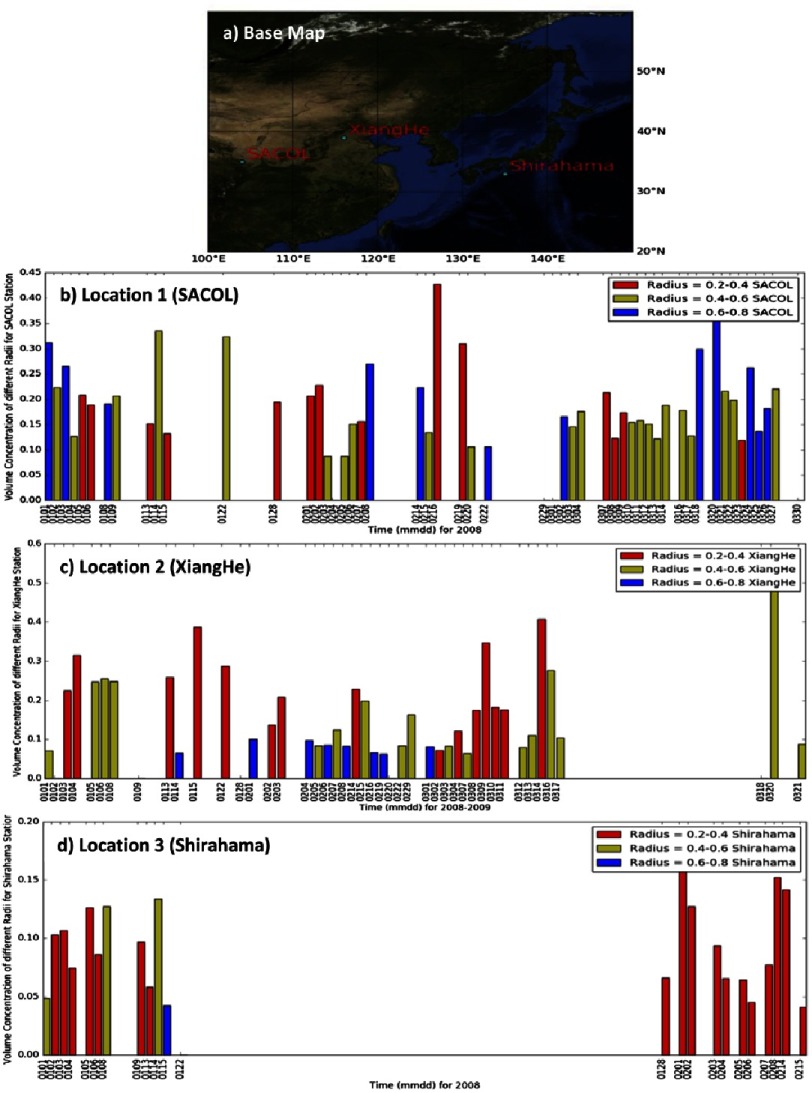
Kawasaki disease (KD) is a rare vascular disease that, if left untreated, can result in irreparable cardiac damage in children. While the symptoms of KD are well-known, as are best practices for treatment, the etiology of the disease and the factors contributing to KD outbreaks remain puzzling to both medical practitioners and scientists alike. Recently, a fungus known as originating in the farmlands of China, has been blamed for outbreaks in China and Japan, with the hypothesis that it can be transported over long ranges via different wind mechanisms. This paper provides evidence to understand the transport mechanisms of dust at different geographic locations and the cause of the annual spike of KD in Japan. is carried along with many other dusts, particles or aerosols, of various sizes in major seasonal wind currents. The evidence is based upon particle categorization using the Moderate Resolution Imaging Spectrometer (MODIS) Aerosol Optical Depth (AOD), Fine Mode Fraction (FMF) and Ångström Exponent (AE), the Cloud-Aerosol Lidar and Infrared Pathfinder Satellite Observation (CALIPSO) attenuated backscatter and aerosol subtype, and the Aerosol Robotic Network's (AERONET) derived volume concentration. We found that seasonality associated with aerosol size distribution at different geographic locations plays a role in identifying dominant abundance at each location. Knowing the typical size of the fungus, and analyzing aerosol characteristics using AERONET data reveals possible particle transport association with KD events at different locations. Thus, understanding transport mechanisms and accurate identification of aerosol sources is important in order to understand possible triggers to outbreaks of KD. This work provides future opportunities to leverage machine learning, including state-of-the-art deep architectures, to build predictive models of KD outbreaks, with the ultimate goal of early forecasting and intervention within a nascent global health early-warning system.
川崎病(KD)是一种罕见的血管疾病,如果不加以治疗,可能会对儿童造成无法修复的心脏损伤。虽然川崎病的症状广为人知,治疗的最佳做法也同样如此,但该疾病的病因以及导致川崎病爆发的因素,对医学从业者和科学家来说仍然是个谜。最近,一种源自中国农田的真菌被认为是中国和日本爆发疫情的原因,据推测它可以通过不同的风力机制进行远距离传播。本文提供了证据,以了解不同地理位置的沙尘传输机制以及日本川崎病年度高发的原因。 与许多其他不同大小的沙尘、颗粒或气溶胶一起,在主要季节风流中被携带。这些证据基于使用中分辨率成像光谱仪(MODIS)的气溶胶光学厚度(AOD)、细模式分数(FMF)和Ångström指数(AE)、云-气溶胶激光雷达和红外探路者卫星观测(CALIPSO)的衰减后向散射和气溶胶亚型,以及气溶胶机器人网络(AERONET)得出的体积浓度进行的颗粒分类。我们发现,不同地理位置与气溶胶大小分布相关的季节性在确定每个位置的主要丰度方面发挥着作用。了解 真菌的典型大小,并使用AERONET数据分析气溶胶特征,揭示了不同位置可能的颗粒传输与川崎病事件的关联。因此,了解传输机制并准确识别气溶胶来源对于理解川崎病爆发的可能触发因素很重要。这项工作为利用机器学习(包括最先进的深度架构)构建川崎病爆发预测模型提供了未来机会,最终目标是在新兴的全球卫生预警系统中进行早期预测和干预。